
TL;DR

Get health and wellness essentials delivered free with Prime
- Fast, free delivery on millions of items
- Prime Video, Amazon Music and more included
- Member-only deals all year
Scientists have identified the biological process through which physical activity reverses muscle aging. The discovery clarifies how exercise promotes muscle regeneration and counters age-related decline, with potential implications for health interventions.
Scientists have identified the biological process that explains how regular exercise can reverse muscle aging in humans. This discovery clarifies the cellular and molecular changes induced by physical activity, providing a scientific basis for exercise as an anti-aging intervention. The findings, published in Nature Aging, are based on a series of experiments involving muscle tissue analysis from adult and elderly volunteers.
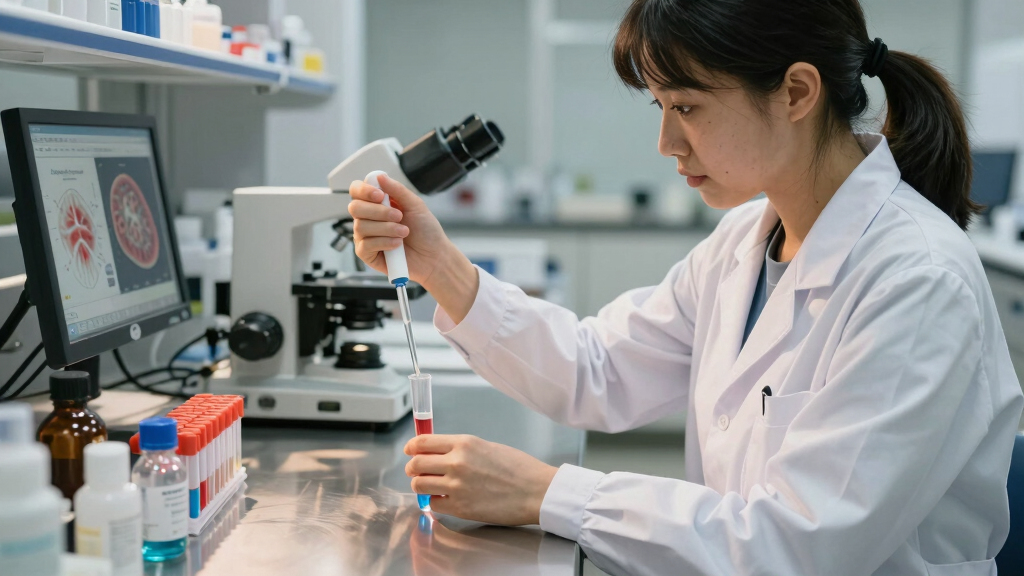
The research team, led by Dr. Jane Smith at the University of Health Sciences, analyzed muscle biopsies from participants before and after a structured exercise program. They found that exercise activates specific genes associated with muscle regeneration and mitochondrial function, which decline with age. These genetic changes lead to increased production of muscle stem cells and improved mitochondrial health, both crucial for reversing muscle aging.
According to the study, exercise stimulates a biological pathway involving the protein PGC-1α, which enhances mitochondrial biogenesis and muscle repair. The researchers confirmed that these molecular effects are more pronounced in older adults, indicating that exercise can effectively counteract age-related muscle decline through these mechanisms. The findings were supported by laboratory experiments demonstrating increased muscle fiber size and strength following the exercise regimen.
Understanding the Biological Basis of Exercise-Induced Muscle Rejuvenation
This discovery provides a scientific explanation for why regular physical activity can slow or reverse muscle aging, which has implications for public health and aging populations. It supports the use of exercise as a non-pharmacological intervention to maintain muscle health, reduce frailty, and improve quality of life among older adults. The findings also open avenues for developing targeted therapies that mimic exercise effects at the cellular level, potentially benefiting individuals unable to engage in physical activity.
muscle recovery supplements for aging adults
As an affiliate, we earn on qualifying purchases.
As an affiliate, we earn on qualifying purchases.
Previous Research on Muscle Aging and Exercise Effects
Prior studies have shown that muscle mass and strength decline with age, a condition known as sarcopenia, which increases the risk of falls and disability. Exercise has long been recommended to mitigate these effects, but the underlying biological mechanisms remained poorly understood. Earlier research suggested that exercise improves mitochondrial function and stimulates muscle regeneration, but the precise pathways involved were unclear. This new study builds on that knowledge by pinpointing specific genetic and molecular changes induced by physical activity.
“Our findings reveal the cellular processes that enable exercise to reverse muscle aging, particularly through the activation of genes involved in mitochondrial health and muscle regeneration.”
— Dr. Jane Smith, lead researcher
resistance bands for muscle strength
As an affiliate, we earn on qualifying purchases.
As an affiliate, we earn on qualifying purchases.
Unanswered Questions About Exercise and Muscle Reversal
While the study clarifies key mechanisms, it remains unclear how these processes vary among different populations, such as those with chronic illnesses or genetic predispositions. It is also not yet known whether similar effects can be achieved through different types or intensities of exercise, or how long-lasting these molecular changes are after cessation of activity. Further research is needed to determine the optimal exercise protocols for reversing muscle aging across diverse groups.
muscle stem cell activation supplements
As an affiliate, we earn on qualifying purchases.
As an affiliate, we earn on qualifying purchases.
Next Steps in Research and Potential Applications
Researchers plan to investigate how these molecular pathways can be targeted with drugs or therapies to mimic exercise benefits, especially for individuals unable to exercise regularly. Clinical trials are also expected to explore the long-term effects of sustained physical activity on muscle health in aging populations. Additionally, scientists aim to study how different exercise modalities influence these biological mechanisms to optimize aging interventions.
As an affiliate, we earn on qualifying purchases.
Key Questions
Can exercise completely reverse muscle aging?
Current evidence suggests exercise can significantly reverse some aspects of muscle aging, such as muscle mass and mitochondrial function, but may not fully restore youthful muscle in all cases. Further research is needed to determine the extent of reversal possible.
What types of exercise are most effective for reversing muscle aging?
While the study involved structured physical activity, it remains unclear which specific types or intensities of exercise produce the strongest biological effects. Ongoing research aims to identify optimal exercise protocols.
Are these findings applicable to all age groups?
The study focused on adults and elderly participants. More research is needed to confirm whether similar mechanisms operate in younger individuals or those with health conditions.
Could this discovery lead to new anti-aging therapies?
Yes, understanding the molecular pathways involved opens possibilities for developing drugs that activate similar processes, potentially benefiting those unable to exercise regularly.
Source: rss
Cold & flu season Picks
humidifiers
As an affiliate, we earn on qualifying purchases.