
TL;DR

Get health and wellness essentials delivered free with Prime
- Fast, free delivery on millions of items
- Prime Video, Amazon Music and more included
- Member-only deals all year
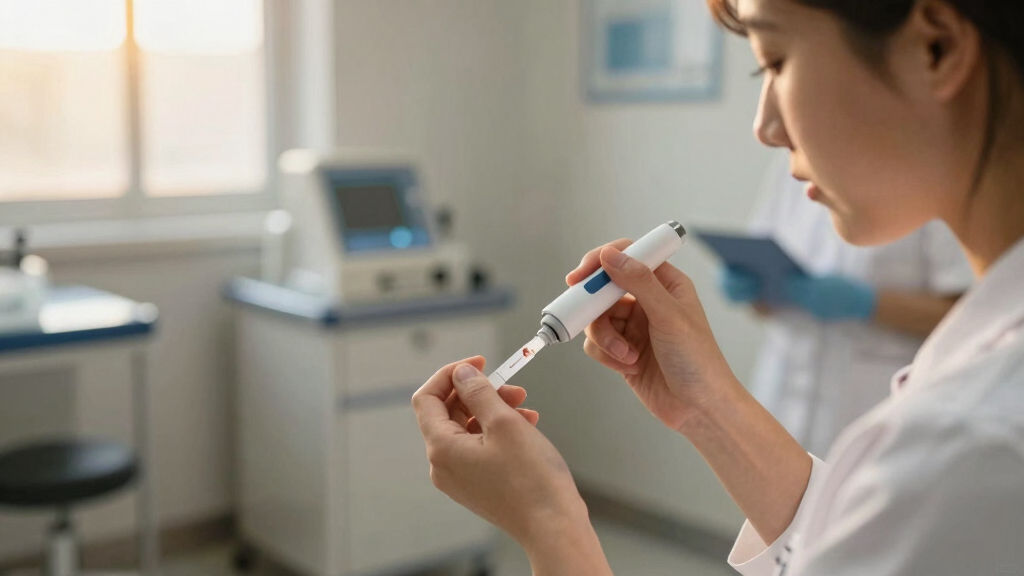
Recent studies indicate that millions of people may be getting inaccurate cholesterol test results due to flaws in standard testing methods. This could impact diagnosis and treatment decisions for cardiovascular risk. The issue is currently under investigation by health authorities.
Recent studies have revealed that millions of individuals may be receiving inaccurate cholesterol test results due to flaws in standard testing methods, raising concerns among healthcare professionals about the accuracy of cardiovascular risk assessments.
Multiple research teams have identified potential inaccuracies in the most commonly used cholesterol testing techniques, particularly the enzymatic methods employed in many clinical laboratories worldwide. These tests are used to measure low-density lipoprotein (LDL) and total cholesterol levels, which are critical for evaluating a person’s risk of heart disease.
According to the findings, these methods may underestimate or overestimate cholesterol levels in certain populations, including those with specific medical conditions or on particular medications. The issue was highlighted in a recent peer-reviewed study published in the Journal of Clinical Lipidology, which analyzed data from thousands of patients across different labs.
Health authorities, including the American Heart Association and the Food and Drug Administration, have acknowledged the concerns but have not yet issued formal warnings or updated testing guidelines. If you’re concerned about your cholesterol levels, consider exploring home cholesterol testing options.
Implications for Cardiovascular Risk Assessment and Treatment
This potential inaccuracy could have significant health implications, as cholesterol levels are a key factor in diagnosing and managing heart disease. Patients may be misclassified as low or high risk, affecting decisions on lifestyle changes, medication, and other interventions. For millions, this could mean either missing opportunities for early intervention or being subjected to unnecessary treatments.
Healthcare providers rely heavily on these test results to guide treatment plans. If the tests are flawed, it could undermine efforts to accurately prevent heart attacks, strokes, and other cardiovascular events. The issue underscores the need for review and possible revision of testing protocols and standards.
As an affiliate, we earn on qualifying purchases.
Background on Cholesterol Testing Methods and Past Concerns
Cholesterol testing has been a cornerstone of cardiovascular risk assessment for decades, with enzymatic assays being the standard in most laboratories due to their convenience and cost-effectiveness. However, previous research has occasionally raised questions about the precision of these tests in specific populations or under certain conditions.
Recent advances and increased scrutiny have prompted a closer look at the reliability of these methods, especially as new research suggests potential systemic inaccuracies. Some experts have called for more standardized calibration and validation procedures, but widespread changes have yet to be implemented.
The current concerns follow a series of smaller studies and reports from clinicians noticing discrepancies between lab results and patient health outcomes, prompting further investigation.
“We are aware of the emerging research and are reviewing the data to determine if further action or guidance is necessary.”
— FDA spokesperson
As an affiliate, we earn on qualifying purchases.
Extent of Inaccuracy and Impact on Patient Care Still Unclear
While research suggests potential flaws in cholesterol testing methods, the exact scope of inaccuracy and how many patients might be affected remain unclear. It is not yet confirmed how widespread the issue is or whether current guidelines need immediate revision.
Further studies are needed to quantify the impact and to determine if alternative testing methods are more reliable. The timeline for potential regulatory updates or changes in clinical practice has not been established.
As an affiliate, we earn on qualifying purchases.
Ongoing Investigations and Need for Updated Guidelines
Health authorities and research institutions are conducting further studies to validate these findings and assess the clinical significance. In the coming months, they may issue updated guidelines or recommend alternative testing approaches, especially for high-risk populations.
Clinicians are advised to interpret cholesterol results with caution and consider additional risk factors until more definitive guidance is available.
As an affiliate, we earn on qualifying purchases.
Key Questions
How do current cholesterol tests work, and why might they be inaccurate?
Most current tests use enzymatic methods to measure cholesterol levels. These methods are convenient but may be affected by factors like medications, medical conditions, or laboratory calibration, potentially leading to inaccuracies.
What populations might be most affected by these inaccuracies?
Patients with certain medical conditions, those on specific medications, or individuals with atypical lipid profiles may experience more significant discrepancies in test results.
Should I get retested or seek alternative testing methods?
Patients concerned about their cholesterol results should consult their healthcare provider. They may recommend additional testing or risk assessments until the issue is clarified.
Are there any immediate health risks from these inaccuracies?
Potential misclassification of cardiovascular risk could lead to under-treatment or unnecessary medication use, but the exact health impact depends on individual circumstances. Ongoing research aims to clarify this.
Source: rss
Cold & flu season Picks
humidifiers
As an affiliate, we earn on qualifying purchases.