
TL;DR

Get health and wellness essentials delivered free with Prime
- Fast, free delivery on millions of items
- Prime Video, Amazon Music and more included
- Member-only deals all year
Memory foam mattresses mold to your body, offering pressure relief and motion isolation. However, heat retention and durability vary widely. Knowing what to look for helps you find a mattress that truly suits your sleep style.
Imagine sinking into a mattress that molds perfectly around your body, like a warm embrace. That’s the magic of memory foam mattresses: comfort tailored exactly to you, pressure relief where you need it most. But not all memory foam is created equal, and understanding what makes a good one can save you from costly mistakes.
In this guide, you’ll learn what to look for, what to avoid, and how to find a memory foam mattress that helps you sleep better, longer, and more comfortably. Whether you’re a side sleeper, a hot sleeper, or someone with back pain, knowing the ins and outs of memory foam will empower your choices.
What Makes Memory Foam a Sleep Game-Changer?
Memory foam is a viscoelastic polyurethane foam—think of it as a soft, moldable material that reacts to heat and pressure. Developed in the 1960s by NASA for cushioning astronauts, it later found its way into mattresses, revolutionizing how we sleep.
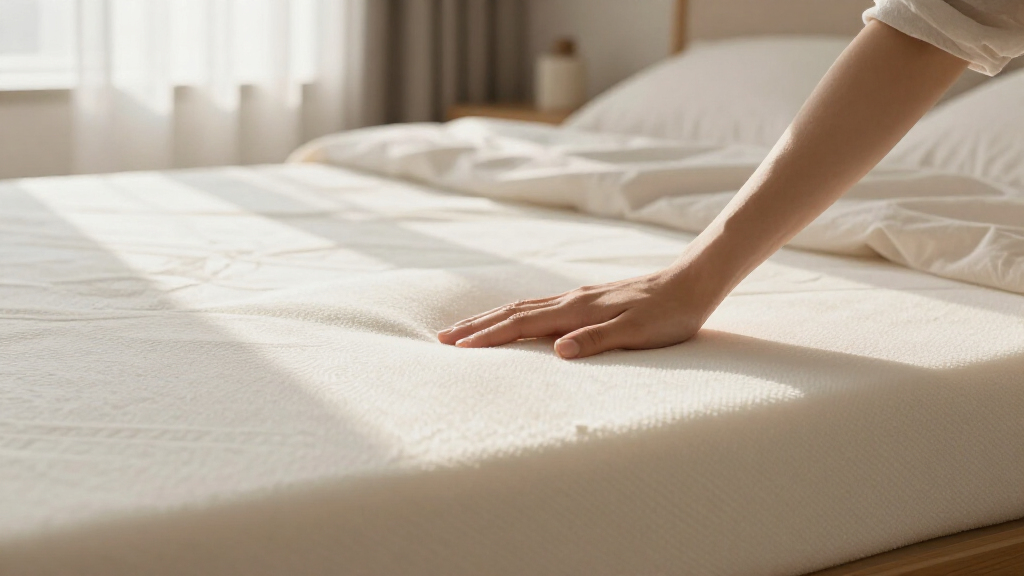
When you lie down, the foam warms and softens, contouring to your body’s curves. This creates a feeling of being cradled, which can drastically reduce pressure points—especially around shoulders, hips, and knees. This tailored support helps prevent discomfort and promotes proper spinal alignment, which is essential for reducing chronic pain and improving sleep quality over time.
Popular for its pressure relief and motion isolation capabilities, memory foam makes it easier for couples to sleep undisturbed and for those with joint pain to wake up less stiff. Its quiet operation also means no creaking or squeaking—unlike traditional coil mattresses—making it a peaceful sleep environment that minimizes disturbances from movement, which is crucial for light sleepers or those sharing a bed.
memory foam mattress for pressure relief
As an affiliate, we earn on qualifying purchases.
As an affiliate, we earn on qualifying purchases.
The Hidden Downsides of Memory Foam You Should Know
Memory foam isn’t perfect. One of the biggest complaints? Heat retention. Dense foam traps body heat, making hot sleepers sweat through the night. This can lead to restless nights and disrupted sleep cycles, which over time can affect your overall health, mood, and productivity. For hot sleepers, this means sacrificing comfort for support unless they choose specialized cooling models.
Another issue: slow responsiveness. It can feel like sinking into quicksand, which bothers people who shift positions often or dislike feeling stuck. This sluggishness can cause discomfort and make it harder to change positions during the night, leading to stiffness or numbness in the morning. Additionally, all-foam models often have weak edges—so sitting on the side can feel unstable, reducing usable sleep surface and making getting in and out of bed more cumbersome.
New mattresses can emit a chemical smell, called off-gassing, which can linger for days. This is not only unpleasant but can cause headaches or respiratory irritation in sensitive individuals. Heavy foam layers also make moving or flipping the mattress a workout, and their variable durability means some models soften or sag faster than others, potentially leading to costly replacements sooner than expected. Recognizing these tradeoffs helps you weigh support and comfort against potential heat issues and longevity concerns, leading to smarter, more satisfying purchase decisions.
cooling memory foam mattress queen size
As an affiliate, we earn on qualifying purchases.
As an affiliate, we earn on qualifying purchases.
How Memory Foam Is Built — Layers That Make or Break Comfort
A typical memory foam mattress features several layers stacked to give you comfort and support. The top layer, usually 2–4 inches thick, is the memory foam itself—soft, contouring, and pressure-relieving. This layer is responsible for how well the mattress responds to your body’s shape and weight, directly impacting comfort and pressure point relief. If this layer is too soft or too thin, you might not get enough support, leading to misalignment; if it’s too firm or thick, you might lose the contouring benefit.
Below that, a transition layer—firmer foam—prevents excessive sinking and adds durability. This layer acts as a buffer, balancing softness and support, which is critical for maintaining spinal alignment and preventing the sensation of sinking too deeply. The support core, at the bottom, is often high-density polyurethane foam or springs in hybrids, providing foundational strength. The core’s role is to bear your weight and maintain the mattress’s shape over time. If it’s too soft, the entire mattress may sag; if too firm, it might negate the contouring benefits.
Understanding the specs matters. For instance, foam density, measured in pounds per cubic foot, impacts durability. Higher density (like 4 lb/ft³ and above) lasts longer and contours better but adds weight and heat retention. Lower-density foams are lighter and cooler but tend to soften and sag faster, requiring more frequent replacements. Each layer’s construction influences the overall comfort, support, and longevity—making it essential to consider how these layers work together based on your body type and sleep position.
high-density memory foam mattress 4 lb/ft³
As an affiliate, we earn on qualifying purchases.
As an affiliate, we earn on qualifying purchases.
Conclusion
Choosing a memory foam mattress isn’t just about sinking into softness. It’s about finding a piece that balances comfort, support, and safety for years of restful sleep. Think of it as a personal sleep partner—trustworthy, reliable, and tailored to your needs.
Take your time, compare features, and listen to your body. The right mattress can transform your nights from restless tosses to peaceful, rejuvenating slumber—every single morning.
best memory foam mattress for side sleepers
As an affiliate, we earn on qualifying purchases.
As an affiliate, we earn on qualifying purchases.
Fall Picks
fall essentials
As an affiliate, we earn on qualifying purchases.