
TL;DR

Get health and wellness essentials delivered free — and shop member deals
- Fast, free delivery on millions of items
- Access to Prime Big Deal Days deals on October 6–7
- Prime Video, Amazon Music and more included
Getting good sleep in hot weather is challenging due to physiological and psychological effects. Experts recommend cooling strategies, proper bedding, and avoiding stimulants to improve sleep quality.
Sleeping well during hot weather remains difficult, but experts confirm practical strategies can help improve sleep quality. As heatwaves intensify, understanding how high temperatures affect the body and mind is crucial for managing sleep disruptions and maintaining health.
Experts such as Dr. Shelby Harris and Dr. Yi Cai confirm that high temperatures interfere with the body’s natural cooling process and melatonin production, making it harder to fall asleep. Elevated heat causes blood flow to the skin and sweating, which become less effective in humid conditions, leading to discomfort and frustration, as noted by sleep psychologist Janet Kennedy.
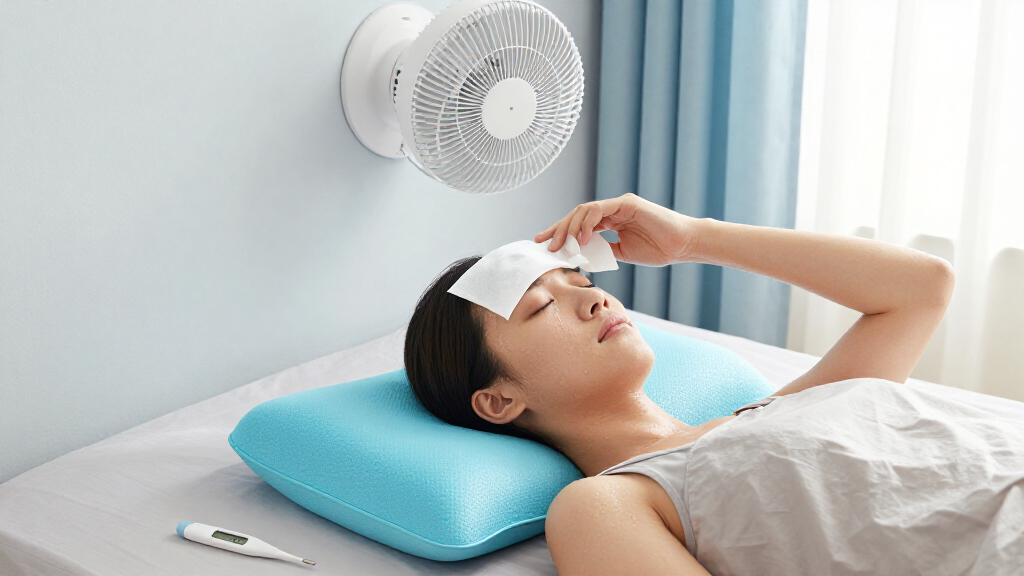
Practical tips include keeping the bedroom cool by closing blinds, sleeping in the coolest part of the home, and using breathable bedding like cotton or linen. Cooling devices, damp cloths, and freezing pillowcases are temporary measures that can provide relief. Avoiding alcohol, caffeine, heavy meals, and strenuous exercise near bedtime is also recommended to prevent further sleep disruptions.
Heatwave sleep field guide · Updated August 2026
How To Get A Good Night’s Sleep In Hot Weather
Heat disrupts the body’s natural nighttime cooling process, delays melatonin release and turns ordinary wakefulness into a cycle of discomfort and frustration. The good news: a cooler room, breathable bedding and better bedtime timing can materially improve rest.
Sleep begins with a drop in temperature
At night, the body normally releases heat through the skin and lowers its core temperature. Persistent warmth interrupts that signal, while humidity makes sweat less effective. The result is delayed sleep, more waking and mounting frustration.
Cooling stalls
Blood flow moves toward the skin and sweating increases, but a hot room limits how efficiently the body can release heat.
Melatonin is delayed
The natural fall in core temperature helps trigger melatonin. When heat blocks that drop, sleep onset can become elusive.
Frustration takes over
Worrying about lost sleep raises alertness. A physical problem can quickly become a mental barrier to settling down.
The heat-to-wakefulness chain
What sleep specialists observe
Experts consistently connect hot-weather insomnia to impaired thermoregulation. Their advice addresses both sides of the problem: cool the body and avoid turning a difficult night into a battle with sleep.
When people cannot sleep because they are too hot, it often becomes both a physical and a mental challenge.
Dr. Shelby Harris · Sleep specialistIn hot weather, the body’s cooling systems become less effective, making it harder to fall asleep.
Dr. Yi Cai · Sleep expertCore body temperature naturally drops at night, which triggers melatonin, but heat prevents this process.
Janet Kennedy, PhD · Sleep psychologistControl heat before it reaches the bed
Start during the day, then layer simple interventions. Air conditioning is the most effective option where available, but airflow, shade, breathable fabrics and targeted cooling can still provide meaningful relief.
Block daytime heat
Close blinds and curtains on sun-facing windows. Open them later only when outdoor air becomes cooler.
Choose the coolest room
Sleep on a lower floor or in the coolest part of the home, away from heat-storing walls and roof spaces.
Create airflow
Use a fan, cross-ventilation or a fan positioned near ice. Keep electrical devices safely away from water.
Cool pulse points
Apply a damp cloth or wrapped cold pack to the neck, wrists or ankles. Avoid prolonged direct skin contact.
Lighten the bed
Use loose sleepwear and breathable sheets made from cotton, linen, bamboo or lyocell.
Reset if sleep will not come
Leave the bed, cool down somewhere comfortable and return only when sleepiness begins to rebuild.
| Strategy | Cooling value | Duration | Best use | Caution |
|---|---|---|---|---|
| Air conditioning | ✓ Highest | All night | Room-wide temperature control | Keep airflow comfortable |
| Fan and ventilation | ✓ Strong | All night | Air movement and evaporation | Less effective in extreme humidity |
| Breathable bedding | ✓ Steady | All night | Reducing trapped body heat | Check fill material as well as cover |
| Damp cloth | ~ Moderate | Short term | Cooling neck and pulse points | Avoid soaking the bed |
| Frozen pillowcase | ~ Temporary | Brief | Initial relief at bedtime | Wrap or temper before skin contact |
| Unwrapped ice pack | ✗ Avoid | Not advised | None | Risk of irritation or cold injury |
✓ Recommended · ~ Useful with limits · ✗ Avoid direct or prolonged exposure
Do not add more heat or stimulation
Cooling measures work best when evening habits support them. Alcohol may feel sedating but fragments sleep; caffeine sustains alertness; heavy meals and strenuous exercise increase metabolic heat close to bedtime.
Relative disruption risk near bedtime
Fast answers for a hot night
The most useful intervention depends on the room, humidity and available equipment, but the priority remains consistent: lower heat exposure without creating a new safety risk.
What cools a bedroom most effectively?
Air conditioning is most effective when available. Otherwise, block sunlight, ventilate when outdoor air cools and sleep in the coolest part of the home.
Are frozen pillowcases safe?
They can offer temporary relief, but allow them to soften before use. Wrap cold packs and stop if skin becomes painful, numb or irritated.
Which fabrics feel coolest?
Natural or moisture-managing materials such as cotton, linen, bamboo and lyocell generally allow more airflow than dense synthetic bedding.
Should caffeine and alcohol be avoided?
Yes. Caffeine can delay sleep, while alcohol commonly fragments it later in the night. Both are especially unhelpful when heat already disrupts rest.
What if cooling efforts do not work?
Get out of bed, move somewhere cooler and return when sleepy. This helps prevent the bed from becoming associated with frustration and wakefulness.
When should persistent insomnia be discussed?
Speak with a healthcare professional when sleep problems continue beyond the heatwave, repeatedly impair daytime functioning or occur alongside other symptoms.
Open questions and cooling innovation
As extreme heat becomes more frequent, sleep research is moving from short-term comfort toward long-term health, vulnerable populations and scalable cooling technologies.
Still unresolved
Researchers do not yet fully understand how prolonged heat exposure changes long-term sleep health or why some people—including older adults and those with chronic conditions—may be more vulnerable.
Future direction
New mattress materials, targeted bed-cooling systems and evolving public-health guidance may help households adapt as climate patterns shift and hot nights become more common.
Why Managing Sleep in Heat Matters for Health
Good sleep is vital for physical and mental health. Prolonged sleep loss during heatwaves can lead to irritability, emotional reactivity, and decreased cognitive function, according to Harris. As climate change increases the frequency of extreme heat, understanding effective sleep strategies becomes more important for public health and individual well-being.
As an affiliate, we earn on qualifying purchases.
Heatwaves and Sleep Disruptions: Recent Trends and Advice
Recent heatwaves across many regions have caused record-high temperatures, often exceeding 100°F. Sleep disturbances during such periods are well-documented, with experts warning that persistent heat can impair sleep quality over multiple nights. Previous studies have shown that elevated core body temperatures prevent melatonin release, delaying sleep onset and increasing wakefulness, which underscores the importance of cooling strategies during heatwaves.
“When people cannot sleep because they are too hot, it often becomes both a physical and a mental challenge.”
— Dr. Shelby Harris
As an affiliate, we earn on qualifying purchases.
Unresolved Questions About Long-Term Effects of Heat on Sleep
While immediate strategies for sleep in hot weather are well-supported, it remains unclear how prolonged exposure to high temperatures impacts long-term sleep health and whether certain populations are more vulnerable. More research is needed to understand these effects fully.
As an affiliate, we earn on qualifying purchases.
Future Research and Practical Innovations in Sleep Cooling
Researchers are exploring new cooling technologies and materials to improve sleep comfort during heatwaves. Public health advisories are expected to evolve as climate patterns shift, emphasizing the importance of adaptive sleep strategies. Meanwhile, individuals are encouraged to adopt the proven tips outlined by experts to mitigate heat-related sleep issues.
As an affiliate, we earn on qualifying purchases.
Key Questions
What is the most effective way to cool my bedroom at night?
Closing blinds during the day, using fans with ice, and sleeping in the coolest part of your home are proven methods. Air conditioning remains the most effective if available.
Can I use cold packs or frozen pillowcases safely?
Yes, applying cold packs or freezing pillowcases temporarily can help reduce discomfort, but they should be used cautiously to avoid skin irritation or frostbite.
Should I avoid caffeine and alcohol during heatwaves for better sleep?
Yes, both caffeine and alcohol can interfere with sleep quality. Experts recommend limiting or avoiding these substances before bedtime during hot weather.
Are there specific fabrics that help keep me cool at night?
Natural, breathable fabrics like cotton, linen, bamboo, and lyocell are recommended for bedding and sleepwear to promote cooling and comfort.
What should I do if I can’t sleep despite cooling efforts?
If sleep difficulties persist, experts advise getting out of bed, cooling down, and returning once feeling sleepy, rather than staying frustrated in bed.
Source: Google Trends
Fall Picks
fall essentials
As an affiliate, we earn on qualifying purchases.