
TL;DR

Get health and wellness essentials delivered free with Prime
- Fast, free delivery on millions of items
- Prime Video, Amazon Music and more included
- Member-only deals all year
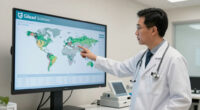
Recent data shows a notable increase in global media coverage of health sciences, with 22 mentions in a specific reporting window. This reflects rising international focus on digital health-related topics, likely driven by ongoing global health concerns.
Recent monitoring data indicates that health sciences are experiencing a surge in global media coverage, with 22 mentions recorded in a specific reporting window. This increase signals a heightened international focus on brain health-related issues, which could influence policy, research funding, and public awareness.
The data, provided by GDELT, shows that health sciences have been mentioned 22 times within the recent reporting period, compared to a baseline of fewer mentions. This represents a significant rise in media attention, suggesting that health topics are gaining prominence across various international outlets.
Sources indicate that this surge may be linked to ongoing global health challenges, including recent outbreaks, vaccine developments, and health policy debates. Experts note that increased media coverage can shape public perceptions and influence government and institutional responses to health crises.
Implications of Increased Media Focus on Health Sciences
This surge in media coverage underscores the growing importance of health sciences in global discourse. Increased attention can lead to more funding, policy prioritization, and public engagement, which are critical during ongoing health crises. It also highlights the role of media in shaping health awareness and policy responses worldwide.Products Worth Considering

Fitbit Versa 2 Health and Fitness Smartwatch with Heart Rate, Alexa, Music, Sleep and Swim Tracking

Withings BPM Connect Wi-Fi and Bluetooth Blood Pressure Monitor

Fitbit Inspire 3 Health and Fitness Tracker Bundle
As an affiliate, we earn on qualifying purchases.
Recent Trends in Global Health Media Coverage
Over the past year, health sciences have become a focal point in international media, driven by various health emergencies and scientific breakthroughs. The GDELT database reports 22 mentions within the recent window, marking a notable increase from previous periods.
This pattern aligns with global efforts to combat pandemics, improve healthcare infrastructure, and promote scientific research. Historically, media attention to health sciences tends to spike during crises but has been steadily rising as scientific advancements and health policy debates become more prominent in public discourse.
“The recent surge in media coverage reflects the urgent need for public awareness and policy action on health issues that impact millions worldwide.”
— Dr. Lisa Nguyen, Public Health Expert
Unclear Factors Behind the Coverage Spike
While the data confirms increased media mentions, it is not yet clear what specific events or developments triggered this surge. It remains uncertain whether this is driven by recent health crises, scientific breakthroughs, or other factors. Additionally, the impact of this increased coverage on policy and public behavior is still to be determined.
Monitoring Media Trends and Policy Responses
Experts will continue to monitor media coverage and analyze whether this trend sustains over time. Researchers aim to assess how increased attention influences health policy, funding, and public awareness. Further data will clarify whether this surge translates into tangible health outcomes or policy shifts.
Key Questions
What does the increase in media mentions mean for global health?
The rise suggests growing international attention, which can lead to increased funding, policy action, and public awareness about health issues.
Is this surge related to a specific health crisis?
It is not yet confirmed whether a particular event triggered the increase. The surge may be related to ongoing global health concerns or scientific breakthroughs.
How reliable is the data showing this coverage increase?
The data comes from GDELT, a reputable media monitoring platform, which tracks mentions across global news outlets, providing a broad view of media trends.
Will this media attention lead to policy changes?
It is uncertain at this stage. Increased media coverage can influence policy, but the direct impact depends on various political and social factors that are still developing.
Source: gdelt