

TL;DR
This article examines how mindfulness techniques can support emotional sobriety, a crucial aspect of recovery beyond abstaining from substances. Experts highlight practical methods and ongoing challenges.
A recovery coach and expert in emotional sobriety explains how mindfulness practices are increasingly being used to support individuals in maintaining emotional balance during recovery from substance use and emotional distress.
The article draws on insights from Stephanie Hazard, a certified peer recovery specialist and recovery coach, who emphasizes that emotional sobriety—being able to manage and accept difficult emotions—is a vital component of long-term recovery. Hazard shares her personal journey of overcoming emotional hijacking triggered by past losses and how mindfulness and meditation helped her develop emotional resilience. She describes practical techniques like breath work, body scans, journaling, and guided meditation that clients use to reconnect with themselves and reduce reliance on substances or distractions. Experts note that many individuals in recovery struggle with quieting their minds and that mindfulness offers a way to face uncomfortable emotions without resorting to escape activities like mindless scrolling or substance use.
Why It Matters
This matters because emotional sobriety is increasingly recognized as essential for sustained recovery and mental health. As more recovery programs incorporate mindfulness, individuals gain tools to handle emotional triggers, reducing relapse risk and improving overall well-being. Understanding and practicing emotional sobriety can lead to deeper self-awareness and resilience, crucial for long-term recovery success.

Mindsight 'Breathing Buddha' Guided Visual Meditation | 3 Modes to Slow Your Breathing & Calm Your Mind | Stress & Anxiety Relief | Wellness Gift | Adults, Kids, Classrooms | USB Rechargeable
- Purpose: Calm, focus, and promote peaceful sleep
- Usage Modes: 3 breathing modes and night light
- Breathing Patterns: 4/7/8, 5/5, 4/4/4/4 rhythms
As an affiliate, we earn on qualifying purchases.
As an affiliate, we earn on qualifying purchases.
Background
Recovery from substance use often focuses on abstinence, but emotional challenges remain a significant hurdle. The concept of emotional sobriety, popularized by recovery advocates like Tara Brach and Pema Chödrön, emphasizes managing feelings without substances. Recent trends show a growing integration of mindfulness and meditation into recovery programs, supported by clinical and anecdotal evidence of their benefits. Stephanie Hazard’s personal story underscores the transformative potential of these practices, especially for those who have relied on substances to numb feelings.
“Mindfulness and meditation offer a way to reset the emotional thermostat, regardless of what’s happening around us.”
— Stephanie Hazard
“Being emotionally un-sober can look like checking out, endless distraction, mindless scrolling. Mindfulness helps us to be with our uncomfortable emotions without lurching for that escape hatch.”
— Stephanie Hazard
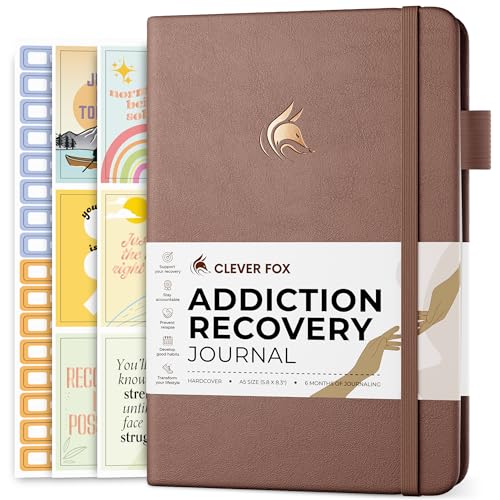
Clever Fox Addiction Recovery Journal – Addiction Treatment Planner, Mindfulness Workbook for Addiction Recovery Planner – Daily Sobriety Journal to Support Recovery Progress, A5 Size – Dark
- Supports 6 Months of Sobriety: Durable journal for half a year of recovery
- Daily Planning and Journaling: Helps stay accountable and motivated daily
- Progress Tracking and Self-Awareness: Includes monthly exercises and reviews
As an affiliate, we earn on qualifying purchases.
As an affiliate, we earn on qualifying purchases.
What Remains Unclear
It is not yet clear how widely mindfulness-based approaches are being adopted across different recovery settings or their long-term effectiveness in maintaining emotional sobriety. More empirical research is needed to quantify outcomes.

Rory Junior – Breathing Fidget Tool for Kids, Teaches Lion’s Breath for Calming & Emotional Regulation, Screen-Free, Tactile Stress Relief Toy for Home, School & Travel
- Teaches calming breathing techniques: Introduces Lion’s Breath for relaxation
- Engaging double-sided design: Flower for inhaling, lion for roaring
- Child-friendly size and durability: Compact, tactile, ideal for little hands
As an affiliate, we earn on qualifying purchases.
As an affiliate, we earn on qualifying purchases.
What’s Next
Next steps include increased integration of mindfulness practices into formal recovery programs, further research on their efficacy, and development of accessible resources for individuals seeking emotional sobriety support.

As an affiliate, we earn on qualifying purchases.
Key Questions
What is emotional sobriety?
Emotional sobriety refers to the ability to manage and accept difficult emotions without relying on substances or distractions, leading to sustained mental and emotional well-being in recovery.
How does mindfulness support emotional sobriety?
Mindfulness helps individuals observe their thoughts and feelings without judgment, creating space for emotional regulation and reducing the impulse to escape discomfort through substances or unhealthy activities.
Can mindfulness replace traditional recovery methods?
While mindfulness is a valuable tool, it is generally used alongside other recovery strategies like therapy and support groups to promote comprehensive wellness.
Is mindfulness suitable for everyone in recovery?
Most people can benefit from mindfulness practices, but individuals with certain mental health conditions should consult healthcare providers to tailor approaches safely.
Source: Mindful