Taking short naps (10-20 minutes) can boost your alertness and mood without disrupting your nighttime sleep. However, longer naps over 30 minutes or late in the day may cause sleep inertia and interfere with your regular sleep schedule. If you nap wisely, you can enjoy the benefits without quality night sleep suffering. Keep in mind how timing and duration matter—if you’re curious about optimizing your rest, you’ll find helpful tips below.
Get ready for Prime Big Deal Days — try Prime free
Exclusive member deals on October 6–7, plus fast free delivery. Cancel anytime.
As an affiliate, we earn on qualifying purchases.
Key Takeaways
- Short naps (10-20 minutes) boost alertness without disrupting nighttime sleep.
- Longer naps (over 30 minutes) increase sleep inertia and may interfere with nighttime rest.
- Napping too late in the day can delay sleep onset and disturb circadian rhythm.
- Excessive or poorly timed naps can worsen overall sleep deprivation and fragmentation.
- Proper sleep hygiene and timing help maximize nap benefits while maintaining healthy night sleep.
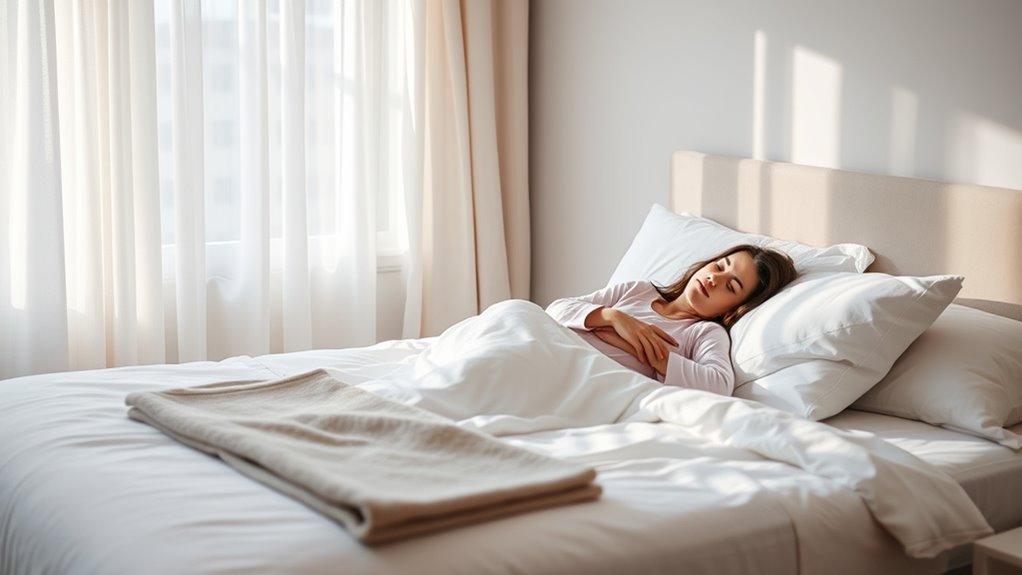
Many people wonder whether taking a nap during the day is beneficial or counterproductive. If you’re feeling tired or sluggish, a quick rest might seem like the perfect solution. However, understanding how daytime naps influence your nighttime sleep is vital, especially if you’re dealing with sleep deprivation. Sleep deprivation can make you crave naps more, but the way you nap can either help or hinder your overall rest. One key factor is nap duration. Short naps, lasting about 10 to 20 minutes, are often recommended because they allow you to recharge without entering deep sleep stages. These brief naps can boost your alertness and mood without causing grogginess or interfering with your ability to fall asleep at night. On the other hand, longer naps, particularly those over 30 minutes, tend to lead to sleep inertia— that groggy, disoriented feeling when you wake up. Longer naps also increase the risk of disrupting your normal sleep cycle, especially if you already suffer from sleep deprivation. Additionally, sleep cycle disruption can make it harder to establish consistent sleep patterns and improve overall rest quality.
When you’re sleep-deprived, your body craves more rest, and taking a longer nap might seem tempting. But if you consistently indulge in extended daytime sleep, it can throw off your circadian rhythm, making it harder to fall asleep at your usual bedtime. This cycle can worsen sleep deprivation over time. Ideally, if you’re catching up on sleep, aim for a brief nap early in the afternoon rather than late in the day. Keeping nap duration short helps prevent your nap from encroaching on your nighttime sleep. If you find yourself needing frequent naps because you’re sleep-deprived, it’s a sign that you need to prioritize better sleep hygiene—going to bed earlier, reducing screen time before bed, and creating a comfortable sleep environment.
It’s also worth noting that everyone’s response to napping varies. Some people can nap for 30 minutes and wake up refreshed, while others find longer naps leave them groggy. The key is to listen to your body and experiment with different nap durations to see what minimizes sleep inertia and helps you feel restored without compromising your night sleep. Ultimately, napping can be a helpful tool to combat sleep deprivation if done correctly. Keep naps short, time them wisely, and focus on improving your overall sleep habits. That way, your daytime rest supports your health rather than sabotages your nighttime sleep.
best sleep masks for daytime naps
As an affiliate, we earn on qualifying purchases.
As an affiliate, we earn on qualifying purchases.
Frequently Asked Questions
Can Napping Improve Overall Productivity and Alertness?
Yes, napping can improve your overall productivity and alertness, especially if you’re experiencing sleep deprivation. Short naps boost your energy levels, helping you stay focused and perform better. They can also reduce your reliance on caffeine, which often leads to sleep disruptions. Regular, strategic naps can make a significant difference in maintaining mental clarity and stamina throughout the day, keeping you more alert and efficient.
What Are the Best Duration and Timing for Effective Naps?
For effective naps, aim for a nap duration of 20 to 30 minutes to boost alertness without feeling groggy. Ideally, take your nap in the early afternoon, around 1 to 3 pm, when your energy dips naturally. This timing minimizes interference with nighttime sleep. Keep your nap brief and consistent, and you’ll feel refreshed and focused without disrupting your regular sleep pattern.
Do Naps Affect Sleep Quality for Shift Workers?
Naps can affect your sleep quality as a shift worker by disrupting your circadian rhythms if not managed properly. If your nap schedule aligns with natural alertness dips, it may improve overall rest. However, long or poorly timed naps can interfere with nighttime sleep, making it harder to fall asleep or stay asleep. To optimize sleep quality, adjust your nap schedule to complement your work hours and maintain consistent routines.
Are There Any Health Risks Associated With Frequent Napping?
Frequent napping can pose health risks if it leads to nap dependency, where you rely on naps instead of nighttime sleep. It may also disrupt your sleep cycle, causing fatigue and affecting your overall health. While occasional naps are beneficial, overdoing it might increase risks like metabolic issues or cardiovascular problems. To stay healthy, balance your naps and confirm they don’t replace restful nighttime sleep.
How Do Age and Lifestyle Influence Nap Benefits and Drawbacks?
Age and lifestyle choices profoundly influence how naps benefit or hinder you. As you age, age-related changes may make daytime naps more restorative or necessary, but they can also disrupt your nighttime sleep if too long. Your lifestyle, including activity level and stress, determines whether naps boost your energy or cause grogginess. Adjust your napping habits accordingly, balancing rest and activity to optimize your overall health and sleep quality.
As an affiliate, we earn on qualifying purchases.
Conclusion
So, next time you wonder whether to nap or not, consider how that quick rest might just influence your night. Sometimes, a brief daytime break can refresh your mind, making your sleep smoother. Other times, it might keep you awake longer, tossing and turning. It’s funny how a simple choice can ripple through your day and night. Trust your body’s signals, and you might find the perfect balance between rest today and restful sleep tonight.
comfortable sleep pillows for naps
As an affiliate, we earn on qualifying purchases.
As an affiliate, we earn on qualifying purchases.
As an affiliate, we earn on qualifying purchases.
Evergreen bestsellers Picks
bestsellers
As an affiliate, we earn on qualifying purchases.