To overcome insomnia naturally, focus on building good sleep habits like maintaining a consistent schedule and creating a relaxing bedtime routine. Optimize your environment by keeping your room cool, dark, and quiet, and avoid electronic devices before bed. Incorporate relaxation exercises such as deep breathing or progressive muscle relaxation to calm your mind. Consistency is key, and sticking with these techniques can lead to better sleep—continue exploring ways to fine-tune your routine for lasting results.
Key Takeaways
- Establish a consistent sleep schedule, including weekends, to regulate your internal clock.
- Create a relaxing bedtime routine with deep breathing, progressive muscle relaxation, or guided imagery.
- Optimize your environment by keeping the bedroom cool, dark, and quiet, and removing electronic devices.
- Avoid caffeine, nicotine, and heavy meals near bedtime to prevent sleep disruptions.
- Practice these habits regularly and patiently to reinforce healthy sleep associations and improve sleep quality.

If you’re struggling to fall asleep night after night, natural remedies can help you break free from insomnia without relying on medications. One of the most effective approaches involves improving your sleep hygiene. This means establishing consistent sleep and wake times, even on weekends, to regulate your body’s internal clock. Avoid caffeine, nicotine, and heavy meals close to bedtime, as these can interfere with falling asleep. Creating a sleep-friendly environment is also essential; keep your bedroom cool, dark, and quiet to promote relaxation. Removing electronic devices that emit blue light can make a notable difference, as exposure to this light before sleep suppresses melatonin production, making it harder to fall asleep.
In addition to adjusting your environment, incorporating relaxation exercises into your nightly routine can greatly enhance your ability to drift off. Techniques like deep breathing, progressive muscle relaxation, or guided imagery help calm your mind and body. For example, deep breathing exercises involve inhaling slowly through your nose, holding your breath briefly, then exhaling gently through your mouth. Repeating this process for several minutes reduces stress and promotes a sense of calm. Progressive muscle relaxation involves tensing and then releasing different muscle groups, which can ease physical tension accumulated during the day. Guided imagery uses your imagination to transport you to peaceful settings, distracting your mind from anxious thoughts that might keep you awake. Additionally, practicing sleep hygiene consistently helps reinforce these habits and improves your overall sleep quality.
Consistency is key when applying these behavioral techniques. Set aside time each night to practice relaxation exercises, ideally 30 minutes before bedtime. Over time, your body will associate these routines with sleep, making it easier to switch into rest. Combining good sleep hygiene with relaxation exercises creates a powerful synergy that can markedly reduce insomnia symptoms. Remember, patience is essential; change takes time, and establishing these habits may take several weeks before you notice substantial improvements.

100% Blackout Curtains for Bedroom 39" x 57" Portable Blackout Shades Film No Drill Blackout Curtains Sunblock Window Cover Black Out Curtains for Nursery Dorm Room Office and Travel Windows
【100% Blackout Material】Portable blackout curtains are made of thick, sturdy but soft fabric materials which can block 100%…
As an affiliate, we earn on qualifying purchases.
As an affiliate, we earn on qualifying purchases.
Frequently Asked Questions
Can Diet Changes Help Improve Sleep Quality?
Yes, diet changes can improve your sleep quality. Avoid caffeine and heavy meals close to bedtime, as they disrupt your sleep environment. Incorporate sleep-promoting foods like almonds, cherries, or warm milk into your bedtime routines. These adjustments help your body relax and signal it’s time to sleep. Consistently maintaining healthy eating habits strengthens your sleep environment, making it easier to fall asleep and enjoy restful, uninterrupted sleep.
Are Herbal Supplements Effective for Insomnia?
Herbal supplements can be a double-edged sword; they might help, but you need to be cautious. Herbal remedies like valerian root or melatonin may improve sleep, yet supplement safety varies widely. You should consult your healthcare provider before trying them, especially if you’re on medication. Don’t put all your eggs in one basket—use herbal supplements as part of a balanced approach, not a quick fix, to guarantee safe and effective sleep.
How Does Exercise Influence Sleep Patterns?
Exercise influences your sleep patterns positively, especially when you time it right. Engaging in physical activity during the day helps you fall asleep faster and enjoy deeper sleep. However, avoid intense workouts close to bedtime, as they might energize you and disrupt sleep. Regular exercise promotes better sleep quality overall, so aim for morning or early afternoon sessions to reap the full benefits.
Is It Safe to Use Sleep Trackers at Home?
Like a knight in shining armor, sleep trackers at home are generally safe, but you should be cautious. Sleep monitoring devices collect data that could raise privacy concerns, so check their data privacy policies before use. Confirm your device is reputable and updates regularly. While they help improve sleep habits, always remember to interpret the data critically and avoid over-relying on technology for your sleep health.
What Role Do Mental Health Practices Play in Sleep Improvement?
Mental health practices like mindfulness meditation and stress management play a vital role in improving your sleep. When you practice mindfulness meditation, you help calm your mind, reducing racing thoughts that keep you awake. Effective stress management techniques lower your overall anxiety levels, making it easier to fall asleep and stay asleep. Incorporating these practices into your routine can greatly enhance your sleep quality and overall well-being.
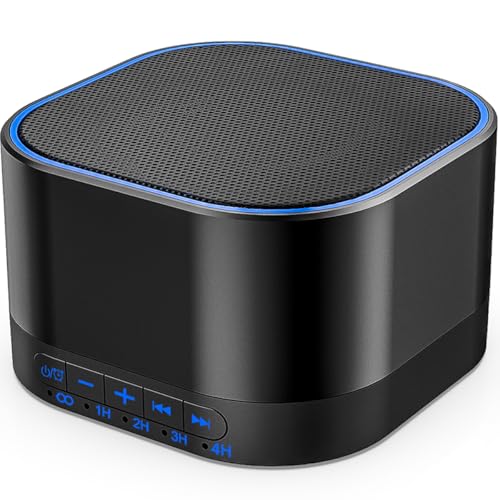
Magicteam Sound White Noise Machine with 20 Non Looping Natural Soothing Sounds and Memory Function 32 Levels of Volume Powered by AC or USB and Sleep Sound Timer Therapy for Baby Kids Adults
❤20 Non-Looping Sleep Sounds: White noise ,Brown noise, pink noise, blue noise, fan,brook, rain, ocean,bird and Bonfire,suitable for…
As an affiliate, we earn on qualifying purchases.
As an affiliate, we earn on qualifying purchases.
Conclusion
Remember, you hold the power to reclaim restful nights through simple behavioral changes. Like a lighthouse guiding a ship through darkness, these techniques can steer you away from insomnia’s grip. By implementing these natural strategies, you’re not just fighting sleeplessness—you’re lighting a path toward peaceful slumber. Don’t let insomnia dim your life; take the first step today and watch your nights transform into serene, restorative rest. Your journey to better sleep begins now.

Lavender Eye Pillow for Relaxation, Yoga, Sleep – Weighted Eye Mask for Headache, Sinus, Aromatherapy Moist Heat Compress, Meditation Accessory, Relaxation Gift for Women (Purple)
Perfect Companion for Meditation and Yoga: The Hihealer Weighted Eye Mask features a removable, washable cover and two…
As an affiliate, we earn on qualifying purchases.
As an affiliate, we earn on qualifying purchases.

livho High Tech Blue Light Glasses – Advanced Blue Light Blocking Computer Glasses – Screen Fatigue & UV Protection
REDUCE EYE STRAIN: These glasses for computer eye strain limit your blue-light exposure and alleviate eye strain, headaches,…
As an affiliate, we earn on qualifying purchases.
As an affiliate, we earn on qualifying purchases.