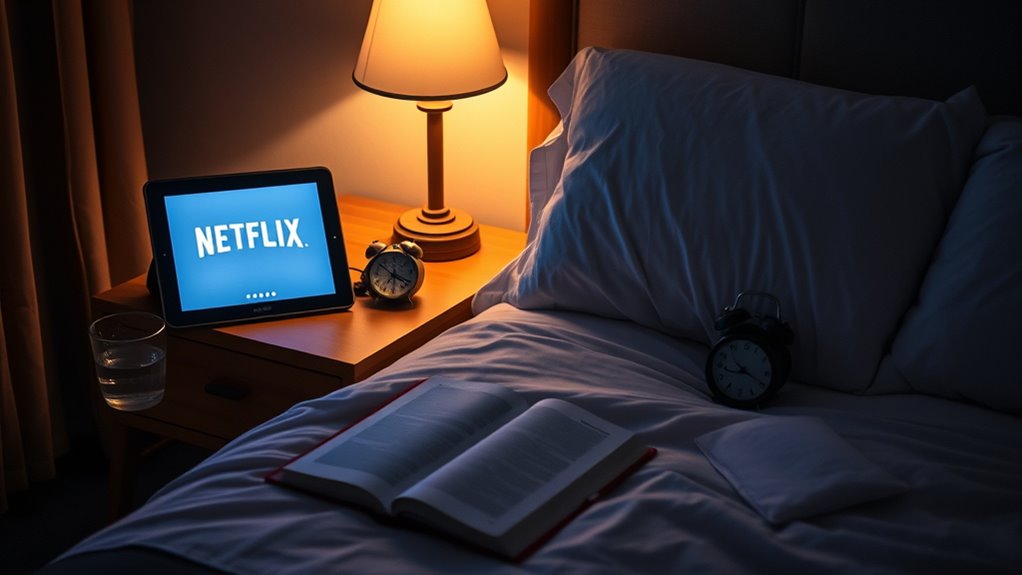

To balance Netflix and sleep, set a specific time to turn off devices at least 30-60 minutes before bed. Create a relaxing routine, like reading or gentle stretches, to replace screen time. Use alarms or reminders to stick to your schedule and avoid the “one more episode” temptation. Keep your bedroom cool, dark, and distraction-free to promote restful sleep. Keep going, and you’ll uncover ways to enjoy entertainment without sacrificing your sleep quality.
Key Takeaways
- Set a specific time to stop watching Netflix at least 30-60 minutes before bed.
- Use alarms or reminders to signal when it’s time to turn off devices and start your wind-down routine.
- Replace late-night episodes with relaxing activities like reading or gentle stretches to avoid overstimulation.
- Keep electronic devices out of the bedroom or turn off notifications to minimize distractions before sleep.
- Establish a consistent sleep schedule to reinforce healthy bedtime habits and prevent binge-watching from delaying sleep.
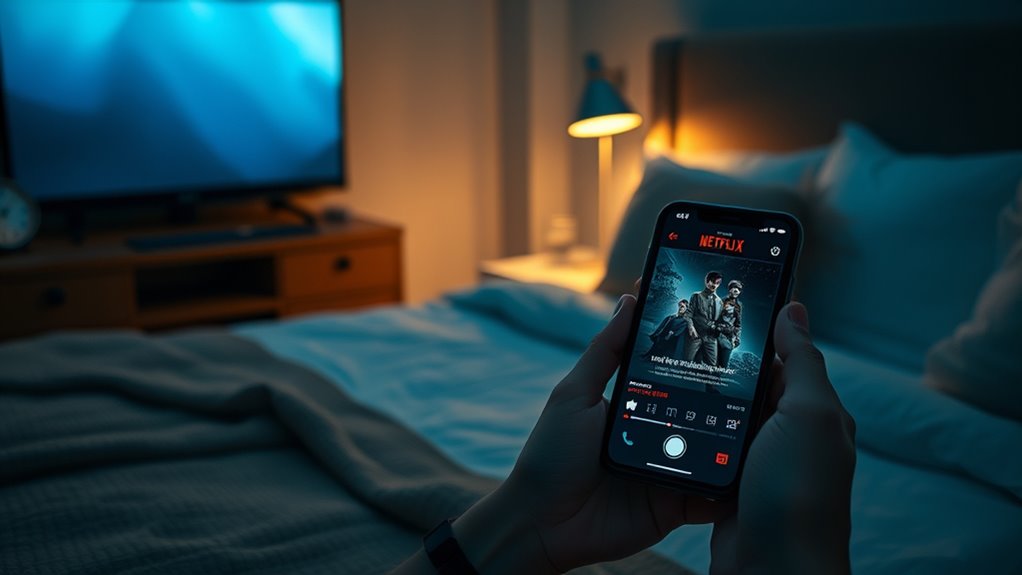
In today’s busy world, it’s easy to find yourself binge-watching Netflix well into the night, but sacrificing sleep for entertainment can have serious consequences. Too often, you might tell yourself just one more episode, but that extra episode can extend your screen time beyond what’s healthy. Excessive screen time, especially before bed, disrupts your sleep hygiene—the habits that promote restful sleep. The blue light emitted by screens suppresses melatonin, the hormone responsible for signaling your body that it’s time to sleep. When melatonin production drops, falling asleep becomes harder, and the quality of your sleep diminishes, leaving you tired and less alert the next day.
Excessive screen time before bed hampers melatonin production, disrupting sleep and leaving you tired the next day.
To break the cycle, you need to set boundaries around your screen time. Establish a specific time in the evening when you turn off all electronic devices—at least 30 to 60 minutes before bed. This helps your body prepare for sleep and allows your mind to unwind without the overstimulation of bright screens and fast-paced content. Consider replacing screen time with relaxing activities that support sleep hygiene, like reading a book or practicing gentle stretches. These habits can help signal to your brain that it’s time to wind down, making it easier to drift off when you do go to bed.
Another effective strategy is creating a sleep-friendly environment. Keep your bedroom cool, dark, and quiet, free from electronic distractions. Using blackout curtains and turning off notifications can reduce interruptions, making it easier for you to fall asleep and stay asleep. Implementing a consistent sleep schedule by going to bed and waking up at the same time every day also reinforces your sleep rhythm, helping you get quality rest even with busy schedules. Additionally, ensuring your bedroom is free from electronic devices can minimize exposure to disruptive stimuli, further supporting your sleep health.
It’s essential to recognize the importance of prioritizing sleep over the temptation of the next episode. Remember, no episode is worth sacrificing your health and well-being. When you focus on good sleep hygiene, you not only improve your ability to fall asleep but also enhance your overall mood, concentration, and immune function. If you find yourself falling into the “just one more episode” trap regularly, try setting a digital curfew and sticking to it. Use alarms or reminders to signal when it’s time to turn off screens and prepare for bed.
Ultimately, maintaining a balance between Netflix and sleep requires intentional choices. By managing your screen time, creating a sleep-conducive environment, and sticking to a routine, you can enjoy your favorite shows without compromising your health. Prioritize your sleep, and you’ll find it easier to wake up refreshed and ready to face each day. Recognizing the impact of screen time on sleep quality can motivate you to adopt healthier habits and avoid the cycle of late-night binge-watching.

Sleep ZM Blue Light Blocking Glasses for Women + Men – Better Sleep + Anti Eye Strain Protection – Computer Screens & Gaming – Black Wayfarer – 99% Night-time Amber Lens
WIND DOWN BEFORE BED — SleepAid orange lenses filter 99% of blue light so your brain starts its…
As an affiliate, we earn on qualifying purchases.
As an affiliate, we earn on qualifying purchases.
Frequently Asked Questions
How Can I Resist the Urge to Watch “Just One More Episode”?
To resist the urge to watch “just one more episode,” practice mindful awareness of your habits. Recognize when you’re caught in the cycle and pause. Use distraction techniques like reading or stretching to break the loop. Set a specific time limit before watching, and stick to it. Being aware of your triggers helps you make intentional choices, so you can enjoy your shows without sacrificing sleep or other priorities.
What Are Effective Ways to Set a Netflix Viewing Schedule?
You can set a Netflix viewing schedule by using viewing timers on your device and establishing scheduled pauses. Decide on a specific time to stop watching, then activate the timer or pause feature when reached. This helps you stick to your limits, prevents binge-watching, and guarantees you get enough sleep. Creating a routine and sticking to it makes maintaining balance easier and keeps your Netflix habits healthy.
How Does Screen Time Before Bed Affect Sleep Quality?
Imagine blue light exposure before bed as a traffic jam for your brain’s sleep signals. It suppresses melatonin, causing sleep disruption, making it harder to fall asleep and reducing sleep quality. To avoid this, limit screen time an hour before bed or use blue light filters. You’ll find it easier to drift off, waking up refreshed and ready, instead of groggy from disrupted sleep caused by screen-induced blue light.
Are There Specific Genres That Keep Viewers Awake Longer?
Certain genres, like thrillers or intense dramas, have a strong genre influence that keeps viewers engaged longer, making it harder to stop watching. You tend to stay awake longer because these genres heighten your emotions and anticipation. Viewer engagement is higher with suspenseful or action-packed content, so if you want better sleep, consider choosing calmer genres like documentaries or comedies. This helps you wind down more easily after watching.
What Alternative Activities Can Replace Late-Night Netflix Sessions?
You can replace late-night Netflix sessions with indoor hobbies like reading, puzzles, or crafting to relax without screens. Physical activities such as stretching, yoga, or a quick home workout help wind down your body and improve sleep quality. These activities keep you engaged and calm, making it easier to fall asleep naturally, rather than staying up late watching shows. Try switching to these options gradually for better rest.
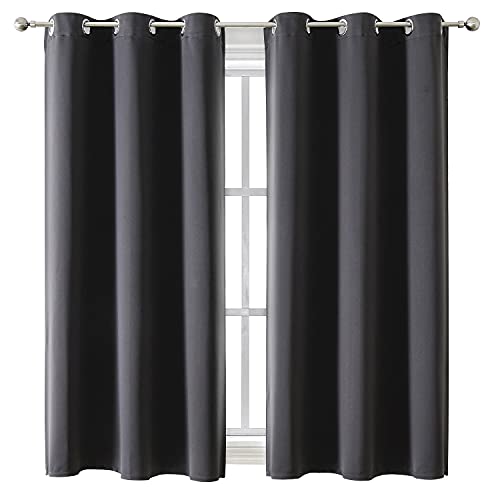
ChrisDowa Grommet Blackout Curtains for Bedroom and Living Room – 2 Panels Set Thermal Insulated Room Darkening Curtains (Dark Grey, 42 x 63 Inch)
SET DETAILS: 2 charcoal gray curtains per package. Each panel measures 42 inch wide by 63 inch long…
As an affiliate, we earn on qualifying purchases.
As an affiliate, we earn on qualifying purchases.
Conclusion
Remember, you don’t want to burn the candle at both ends. Setting boundaries with your Netflix time can help you get the restful sleep you need without missing out on your favorite shows. It’s all about striking a balance before the “one more episode” habit becomes a slippery slope. Keep your priorities in check, so you can enjoy your evenings without sacrificing your health. After all, a good night’s sleep is the best binge-watcher’s secret weapon.
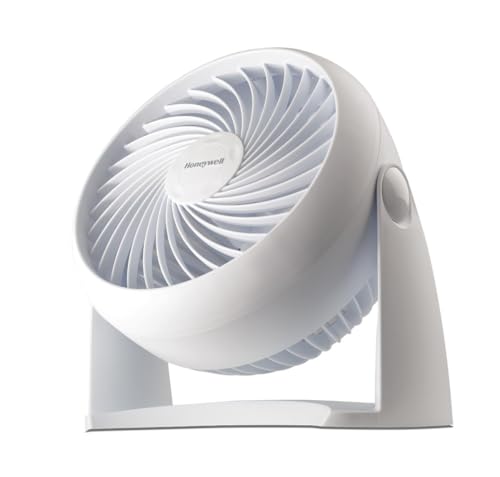
Honeywell TurboForce Air Circulator, Small Tabletop Fan, Quiet Personal Fan for Home or Office, 3 Speeds, 90 Degree Pivoting Head, White, HT-904
Small floor or tabletop fan: Honeywell TurboForce Air Circulator Fan is a cooling fan that is 25% quieter…
As an affiliate, we earn on qualifying purchases.
As an affiliate, we earn on qualifying purchases.

Sunrise Alarm Clock White Noise Machine: Natural Wake Up Light – Dimmable Clock with Bluetooth Speaker for Bedroom – 25 Sleep Sounds for Baby Adults Kids Putty
Gentle Wake Up with Sunrise Alarm Clock: The sunrise simulation gradually brightens over a customizable 5-60 minutes before…
As an affiliate, we earn on qualifying purchases.
As an affiliate, we earn on qualifying purchases.