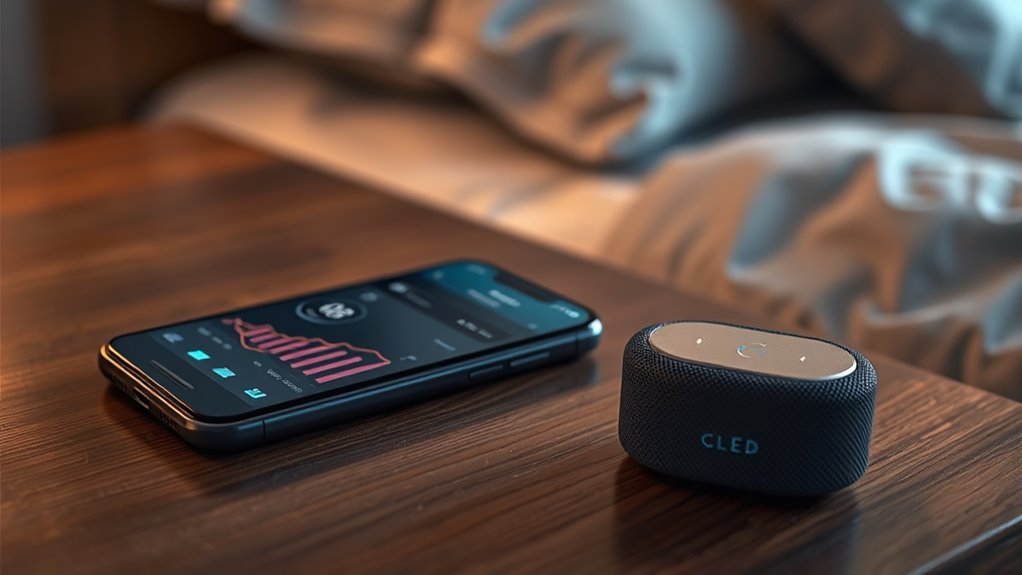

If you’re looking for more accurate sleep data, dedicated sleep devices are your best choice because they’re equipped with specialized sensors like accelerometers, heart rate, and SpO2 monitors. Smartphone apps, while convenient and easy to use, rely on built-in sensors that might be less precise. Your decision depends on whether you prioritize accuracy or convenience. Keep exploring to discover how these options might fit your sleep tracking needs better.
Key Takeaways
- Dedicated sleep devices typically provide more accurate data due to specialized sensors like heart rate monitors and SpO2 sensors.
- Smartphone apps rely on built-in accelerometers, which may be less precise but are more convenient and always accessible.
- Compatibility and sensor quality significantly influence the accuracy of sleep tracking, favoring dedicated devices for detailed insights.
- Consistent wearing of dedicated trackers enhances data reliability compared to smartphone-based tracking, which depends on sensor placement and user activity.
- Overall, dedicated devices generally offer higher accuracy, but smartphone apps can still provide useful sleep insights with less hassle.

Many people turn to sleep tracking to improve their rest, but choosing between a smartphone app and a dedicated device can be confusing. When evaluating these options, two key factors often come into play: wearable compatibility and app interface design. Wearable compatibility refers to how well a device integrates with your existing gadgets, like smartwatches or fitness bands. If you already own a smartwatch or fitness tracker, you might prefer a sleep tracking app that syncs seamlessly with your device, providing a more integrated experience. Dedicated devices, on the other hand, usually come with their own sensors and hardware, which can offer more precise data but require you to purchase and wear an additional gadget.
Choosing between sleep tracking apps and dedicated devices depends on compatibility and data precision.
App interface design also plays a vital role in your sleep tracking experience. An intuitive, easy-to-navigate interface makes it simple to understand your sleep patterns and access insights without frustration. Many smartphone apps excel in this area, offering sleek, user-friendly visuals that display sleep duration, quality, and trends in a clear manner. They often feature customizable dashboards, easy-to-read graphs, and straightforward explanations, empowering you to take meaningful action based on your sleep data. Dedicated devices tend to have dedicated apps as well, but their interface design varies widely. Some are highly optimized for quick, at-a-glance information, while others might be more complex, requiring a learning curve.
When it comes to accuracy, dedicated devices often have an advantage due to their specialized sensors. These devices typically include accelerometers, heart rate monitors, and sometimes even SpO2 sensors, which collectively provide more detailed and reliable data. Smartphone apps, by contrast, rely heavily on built-in accelerometers in your phone or smartwatch and may be less precise, especially if you don’t wear a compatible device consistently. However, the convenience of smartphones—being always nearby and less intrusive—may outweigh slight differences in accuracy for many users. Additionally, sensor technology advancements continue to improve the reliability of smartphone-based sleep tracking over time.
In the end, your choice depends on your priorities: if you want the most accurate data and don’t mind wearing a dedicated device, a specialized sleep tracker might suit you best. But if you prefer a more convenient, all-in-one solution with a smooth app interface and broad compatibility, then a smartphone app might be more your speed. Both options can help you understand your sleep better, but understanding their strengths and limitations guarantees you pick the right tool for your sleep improvements.

Vibeat Pulse Oximeter for 12 Hours Continuous Tracking, WearO2 Bluetooth Finger Oxygen Monitor, Notification of Low O2, Wearable Ring Blood Oxygen Meter, Free App & PDF Report
【 CONTINUOUS TRACKING 】: You can getting quick readings on the screen and APP, or wearing for hours…
As an affiliate, we earn on qualifying purchases.
As an affiliate, we earn on qualifying purchases.
Frequently Asked Questions
Can Smartphone Apps Detect Sleep Disorders Accurately?
Smartphone apps can give you a general idea of your sleep cycle, but they’re not as accurate for detecting sleep disorders. They often rely on movement and heart rate variability, which can miss subtle signs of issues like sleep apnea or restless leg syndrome. For a precise diagnosis, you should consult a healthcare professional and consider dedicated sleep monitoring devices or sleep studies.
Do Dedicated Devices Require Regular Calibration?
Think of your dedicated device as a finely tuned instrument; it needs regular calibration to stay accurate. You should perform device calibration periodically to guarantee accuracy maintenance. If you skip calibration, measurement drift can occur, making sleep data less reliable. By keeping up with calibration, you’re sharpening your device’s senses, ensuring it continues to provide you with precise insights into your sleep patterns and overall health.
Are There Privacy Concerns With Sleep Tracking Data?
Yes, there are privacy risks with sleep tracking data. You might worry about data security, as your personal sleep patterns could be stored on apps or cloud services that could be vulnerable to breaches. To protect yourself, choose devices with strong encryption and privacy policies. Be mindful of what data you share and regularly review app permissions to minimize potential privacy concerns associated with sleep tracking.
How Do Environmental Factors Affect Device Accuracy?
Environmental factors like ambient interference and placement variability can impact your sleep tracking device’s accuracy. If there’s a lot of noise or light, sensors may struggle to detect your sleep patterns correctly. Additionally, inconsistent device placement, such as shifting positions or different wrist locations, can cause inaccuracies. To improve results, keep your device in a consistent spot and minimize external disturbances, ensuring more reliable sleep data.
Is There a Significant Cost Difference Between Methods?
Think of choosing a sleep tracker as picking between a luxury car and a reliable sedan. Typically, dedicated devices cost more upfront, offering specialized features, while smartphone apps are more affordable and convenient. Your cost comparison and affordability analysis show that smartphones save you money, but dedicated devices may provide more precise data. Weigh your budget against your sleep tracking needs to find the best fit for you.
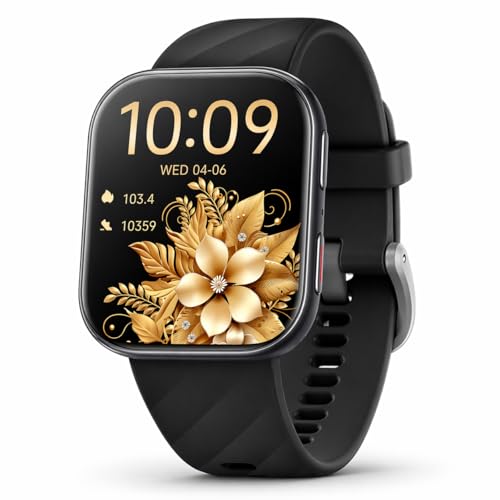
MorePro Health Fitness Tracker (Make/Answer Call), 24/7 Heart Rate Monitor with Blood Pressure, Blood Oxygen, Sleep Tracking, 120+ Sports Modes Smart Watch, Compatible with iOS Android
See your daily health trends at a glance with 24/7 heart rate, blood pressure, sleep tracking, and blood…
As an affiliate, we earn on qualifying purchases.
As an affiliate, we earn on qualifying purchases.
Conclusion
While both smartphone sleep tracking and dedicated devices offer glimpses into your nightly rest, neither can perfectly capture every detail. Think of them as gentle guides rather than flawless narrators of your sleep story. Embrace their insights with kindness, understanding that slight imperfections are part of the journey. Ultimately, your comfort and peace of mind matter most—so trust what feels right and cherish the moments of restful slumber they help you discover.

SOMNDEEP Contactless Smart Sleep Tracker, Non-Wearable Sleep Monitor Wellness Device for Sleep Quality, Heart Rate, Breathing Pattern & Nighttime Movement Trends, Bedside Radar Sleep Tracker for Adult
【Non-Wearable Sleep Tracking for Better Rest】SOMNDEEP uses 60GHz millimeter-wave radar to help track sleep routines contactlessly and quietly….
As an affiliate, we earn on qualifying purchases.
As an affiliate, we earn on qualifying purchases.

SOMNDEEP Non-Wearable Smart Sleep Tracker, Heart Rate & Breathing Pattern Tracking, Contactless Radar Sleep Quality Monitor, Daily Report and Suggestion, Sleep Trend Tracking Device for Adult
【Non-Wearable, 100% Comfortable】Monitor your sleep with a smart sleep monitor—no wearables or cameras required. Powered by safe millimeter-wave…
As an affiliate, we earn on qualifying purchases.
As an affiliate, we earn on qualifying purchases.