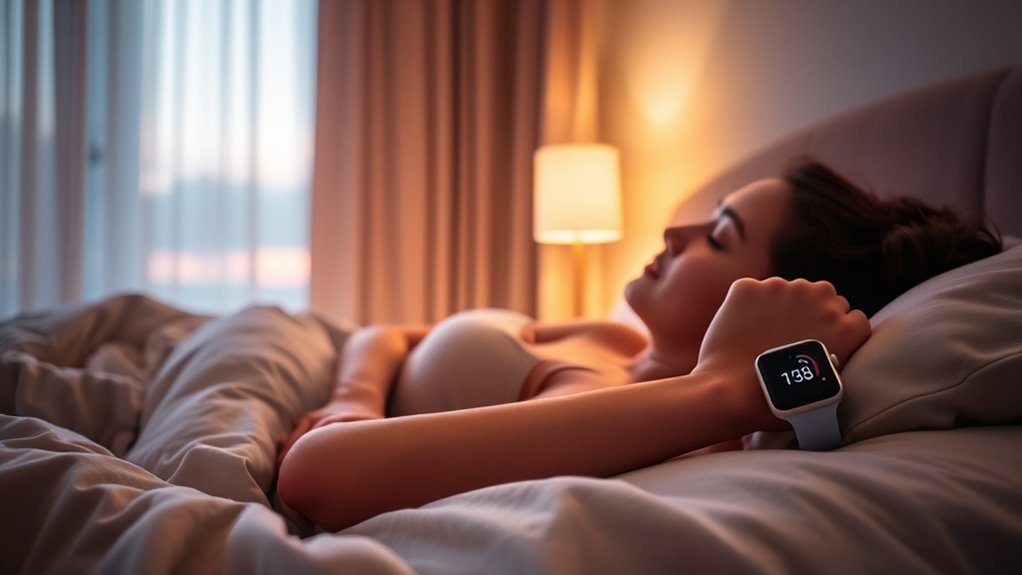
Wearable tech is transforming your sleep habits by providing real-time insights into your sleep quality and environment. You can receive personalized feedback, adjust your routines, and optimize your surroundings for better rest. These devices detect issues like restless movements or breathing irregularities, helping you identify potential sleep problems early. They also motivate healthier habits through tailored recommendations. If you want to discover how this tech can truly enhance your sleep practice, there’s more to explore below.

Get health and wellness essentials delivered free — and shop member deals
- Fast, free delivery on millions of items
- Access to Prime Big Deal Days deals on October 6–7
- Prime Video, Amazon Music and more included
Key Takeaways
- Wearable tech provides real-time sleep data, enabling users to make immediate adjustments for better sleep quality.
- Advanced sensors in wearables allow for accurate detection of sleep stages and potential disorders.
- Personalized insights and coaching help users develop healthier sleep routines tailored to their lifestyles.
- Environment optimization features, like adjusting lighting or temperature, support more restorative sleep.
- Integration of dream analysis and emotional health tracking enhances understanding of subconscious factors affecting sleep.
As an affiliate, we earn on qualifying purchases.
The Evolution of Sleep Tracking Devices

Sleep tracking devices have come a long way from simple, standalone gadgets to sophisticated wearables integrated into daily life. Today’s devices don’t just monitor your sleep patterns; they enhance your overall sleep experience. Many now include features like sleep music, which plays calming sounds to help you fall asleep faster, and dream analysis, offering insights into your subconscious by examining sleep stages. These advancements allow you to personalize your sleep environment and better understand your sleep cycles. As technology evolves, wearables can detect subtle changes in your sleep quality, providing valuable data you can use to improve habits. The integration of high-precision sensors further improves the accuracy of sleep data collection, making these devices more reliable than ever. This progression makes sleep tracking more engaging and practical, turning it into an extensive tool for better rest and well-being, especially as advanced sensors continue to develop. Additionally, many devices now incorporate personalized coaching, guiding users toward healthier sleep routines based on their unique data. As a result, users are increasingly empowered to make informed adjustments to their sleep habits through real-time feedback and tailored recommendations, supported by the increasing sensor accuracy that boosts overall reliability.
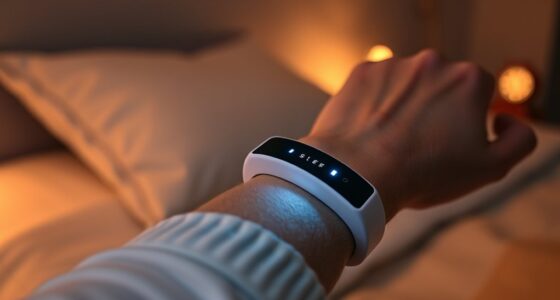
sleep monitor with heart rate and breathing detection
As an affiliate, we earn on qualifying purchases.
As an affiliate, we earn on qualifying purchases.
Real-Time Sleep Data and Personal Insights
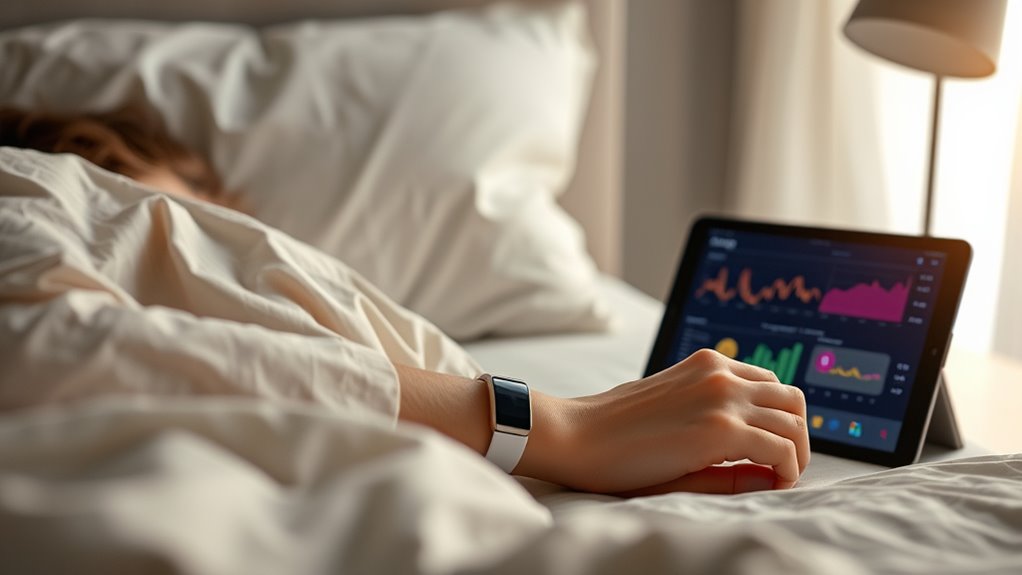
Thanks to real-time data collection, wearable tech now provides immediate insights into your sleep quality as you rest. You can see how your sleep environment impacts your rest, such as room temperature or noise levels, and make quick adjustments. These devices also track your bedtime routines, showing how activities before bed influence your sleep patterns. With instant feedback, you can identify which habits promote better sleep and which disrupt it. For example, if you notice that screen time late at night correlates with lighter sleep, you can change your routine accordingly. This real-time information empowers you to fine-tune your environment and habits for ideal rest, leading to improved sleep quality and more restorative nights. Additionally, understanding your sleep data helps foster healthier habits that contribute to overall wellness and recovery. Recognizing patterns in your sleep data can also help you optimize your sleep environment, creating a more comfortable space for rest. Incorporating sleep-tracking technology into your routine allows for more precise adjustments based on your personal data. By making small adjustments based on your data, you can enhance your sleep quality over time and build a more consistent sleep routine. These insights can encourage consistent sleep schedules, which are key to sleep regulation and overall health.
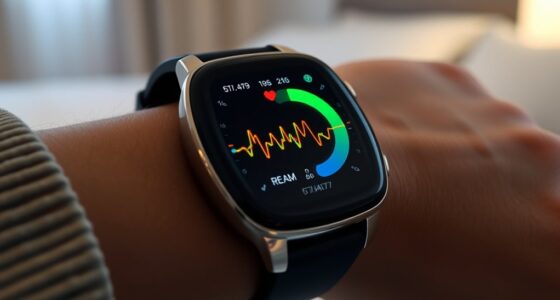
wearable device for sleep improvement
As an affiliate, we earn on qualifying purchases.
As an affiliate, we earn on qualifying purchases.
Identifying Sleep Disorders With Wearables
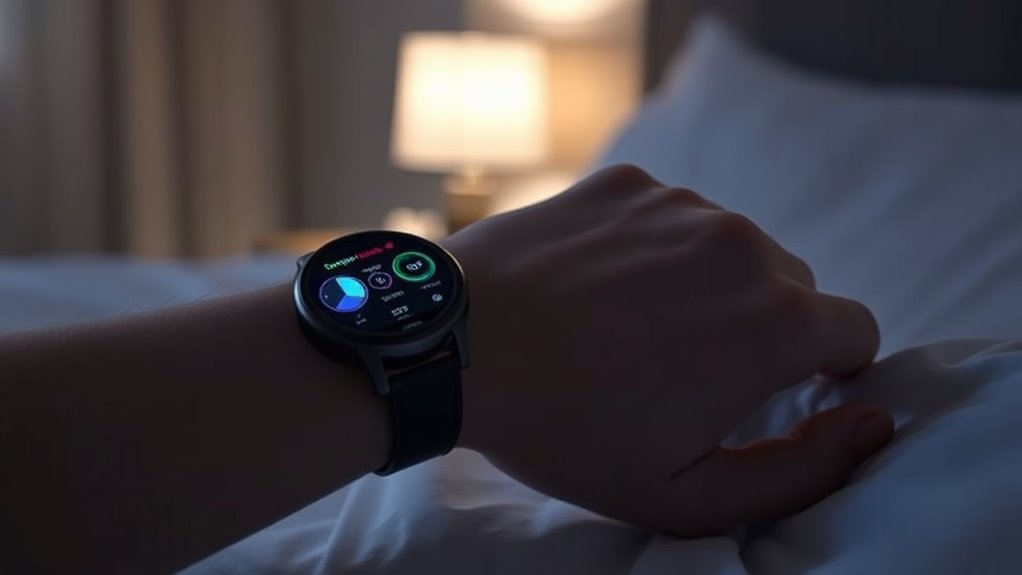
Wearable devices have advanced beyond tracking habits and environmental factors to help detect potential sleep disorders. They can identify signs of issues like sleep apnea or restless leg syndrome by monitoring specific patterns. For example, you might notice irregular breathing pauses indicating sleep apnea or frequent leg movements suggesting restless leg. Wearables analyze data such as breathing irregularities, limb movements, and sleep cycle disruptions to flag potential concerns. Transparency about affiliate relationships Here are key points to contemplate:
- Detect breathing irregularities linked to sleep apnea
- Monitor leg movements that signal restless leg syndrome
- Track sudden awakenings or prolonged wakefulness
- Identify abnormal sleep patterns for early intervention
Additionally, understanding sleep tracking accuracy can help you interpret wearable data more effectively, especially as technology improves in capturing biometric data relevant to sleep health. Incorporating advanced sleep metrics can provide deeper insights into your sleep quality and potential issues. Staying aware of sleep disorder symptoms can further enhance your ability to recognize when professional medical advice is necessary.
sleep environment optimization device
As an affiliate, we earn on qualifying purchases.
As an affiliate, we earn on qualifying purchases.
How Wearable Tech Encourages Better Sleep Hygiene
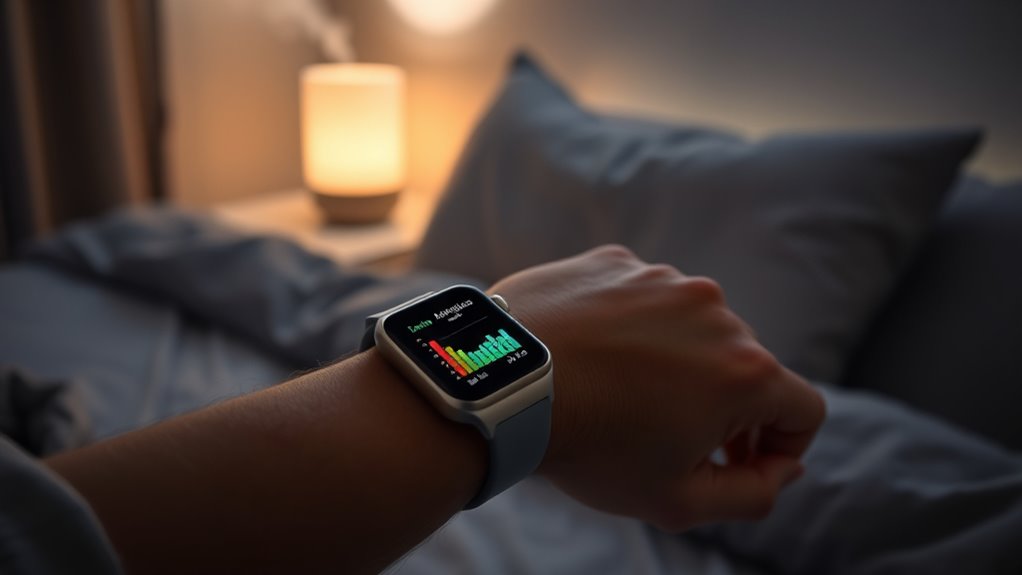
When you use wearable technology to track your sleep habits, it becomes easier to identify behaviors that disrupt rest and make necessary adjustments. Wearables provide insights into your sleep hygiene and highlight patterns that may need change. For example, they can show how caffeine intake or screen time before bed affects your sleep quality. To improve your bedtime routines, you might see a correlation between inconsistent sleep times and poorer rest. Here’s a simple illustration:
| Behavior | Impact on Sleep |
|---|---|
| Late-night screen use | Disrupted melatonin production |
| Caffeine before bed | Difficult falling asleep |
| Irregular sleep schedule | Reduced sleep quality |
This data encourages healthier habits, fostering habits that support better sleep hygiene and more restorative rest. Additionally, understanding how connectivity quirks affect device performance can help you optimize your sleep environment. Being aware of technological limitations can further enhance your ability to interpret sleep data accurately and make more informed adjustments. Recognizing sensor accuracy issues can also improve your confidence in the data collected. Moreover, advancements in nanotechnology are beginning to influence wearable sensors, potentially increasing their precision and reliability. Incorporating data privacy considerations ensures your health information remains secure while utilizing these technologies.
Personalized Recommendations for Improved Rest
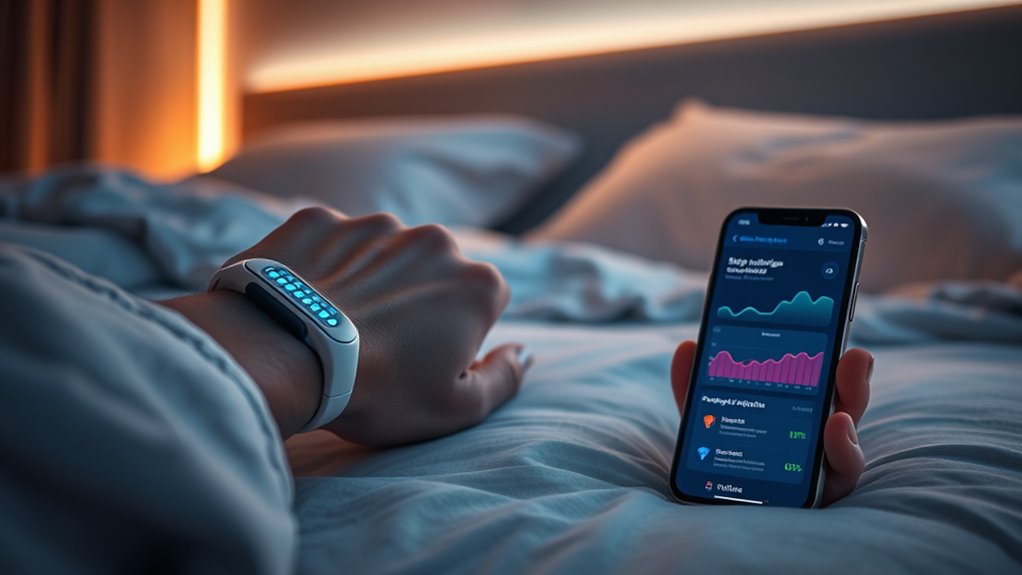
Wearable tech can analyze your sleep data to give you tailored insights that highlight your strengths and areas for improvement. Based on this information, it can create adaptive sleep plans that fit your lifestyle and needs. These personalized recommendations help you make smarter choices for better rest every night. Additionally, such devices often incorporate evidence-backed guidance to ensure that your sleep strategies are grounded in scientific research. For example, understanding individual sleep patterns can help in making more effective lifestyle adjustments, similar to how home energy strategies have been optimized through personalized data. Proper ventilation considerations can also enhance sleep quality by maintaining a comfortable environment.
Tailored Sleep Insights
Personalized sleep insights harness the data collected by wearable devices to provide tailored recommendations that can considerably improve your rest. These insights analyze your sleep patterns, helping you optimize your sleep environment and enhance overall quality. For example:
- Adjust lighting or temperature based on your sleep cycles to create a more comfortable sleep environment.
- Use dream analysis features to identify stress or anxiety factors affecting your rest.
- Follow specific bedtime routines suggested by your device to improve sleep consistency.
- Receive alerts about habits disrupting your sleep, like caffeine intake or screen time before bed.
Adaptive Sleep Plans
Building on tailored sleep insights, adaptive sleep plans take your personalized data a step further by offering dynamic recommendations that modify to changes in your sleep patterns. These plans analyze your sleep environment, identifying factors like noise, light, or temperature that may disrupt rest. As your habits evolve, the plan suggests practical adjustments to optimize your sleep environment, such as lowering room temperature or using blackout curtains. By continuously monitoring your sleep, the adaptive system refines its suggestions, helping you develop a consistent routine. This personalized approach ensures your sleep environment aligns with your unique needs, making it easier to fall asleep and stay rested. Over time, these adaptive plans help create sustainable habits for better sleep quality and overall well-being.
The Impact of Sleep Data on Daily Health Decisions

Your sleep data can guide you toward healthier lifestyle choices, helping you identify habits that hinder rest. By using this information, you can personalize your sleep improvements and make smarter decisions each day. Ultimately, understanding your sleep patterns boosts your overall well-being and quality of life.
Informed Lifestyle Choices
When you have access to detailed sleep data from wearable tech, it becomes easier to make informed lifestyle decisions that enhance your overall health. You can optimize your sleep environment by adjusting room temperature, lighting, or noise levels based on your data. Analyzing your sleep patterns helps identify disruptions and improve sleep quality. Additionally, tracking dream analysis can reveal emotional or stress-related issues affecting rest. Consider these steps:
- Adjust your sleep environment for better comfort.
- Use sleep data to identify and reduce nighttime awakenings.
- Incorporate insights from dream analysis to manage stress.
- Set consistent sleep schedules aligned with your data trends.
Personalized Sleep Improvements
Having detailed sleep data from wearable tech empowers you to make daily health decisions tailored to your unique needs. By analyzing your sleep environment, you can identify factors like noise, light, or temperature that disrupt your rest and adjust accordingly. Wearables also enable dream analysis, revealing patterns that may indicate stress or emotional states affecting sleep quality. With this insight, you can optimize your bedtime routines, choose better sleep environments, and address specific issues impacting your rest. For example, if your data shows frequent awakenings, you might improve your sleep environment or practice relaxation techniques. These personalized adjustments help you refine your sleep habits, leading to more restorative nights and better overall health.
Enhanced Overall Well-being
By leveraging sleep data from wearable devices, you can make informed decisions that boost your overall well-being. This data helps you optimize your sleep environment and bedtime routines. For example:
- Adjust your room temperature or lighting to improve sleep quality.
- Set a consistent bedtime to reinforce your sleep schedule.
- Limit screen time before bed, based on insights into your sleep patterns.
- Incorporate relaxing activities into your bedtime routine, like meditation or reading, to enhance restfulness.
These small changes, guided by your sleep data, lead to better energy levels, mood, and health. When you fine-tune your sleep environment and routines, you’re actively supporting your mental and physical well-being every day.
Future Trends in Sleep Monitoring Technology
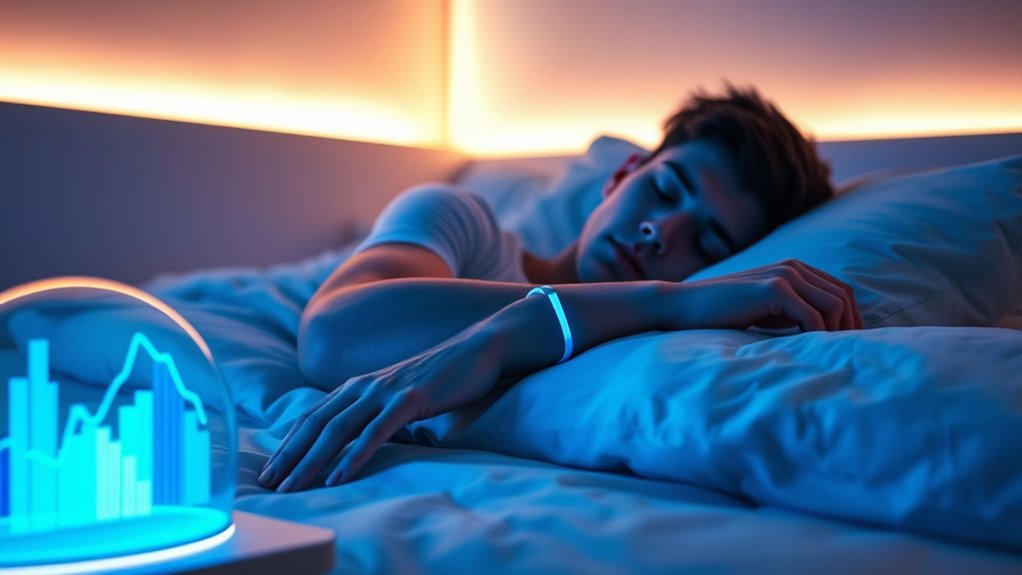
Advancements in sleep monitoring technology are poised to revolutionize how you track and improve your sleep habits. Future devices will offer deeper insights into your sleep environment, helping you optimize factors like temperature, noise, and light to enhance rest quality. Innovations will also incorporate advanced dream analysis, providing a better understanding of your subconscious mind and emotional health. These tools will use AI to detect subtle changes in sleep patterns, alerting you to potential issues early. You’ll have personalized recommendations based on your unique sleep data, making it easier to adopt healthier habits. With improved accuracy and real-time feedback, sleep technology will become an essential part of your nightly routine, empowering you to create the ideal sleep environment and gain a richer understanding of your dreams.
Frequently Asked Questions
How Accurate Are Wearable Sleep Trackers Compared to Professional Sleep Studies?
Wearable sleep trackers are generally less accurate than professional sleep studies, but their algorithm accuracy has improved. You might get a good overall sense of your sleep patterns, but device reliability varies between brands. While they’re helpful for tracking trends, don’t rely solely on them for precise diagnoses. For detailed insights, consult a sleep specialist, as wearable tech offers a convenient overview but isn’t as thorough as clinical assessments.
Can Wearable Tech Detect Specific Sleep Disorders Like Sleep Apnea?
Think of your wearable as a vigilant guard dog, sniffing out signs of sleep apnea. While it can detect potential issues like irregular breathing patterns, it doesn’t diagnose disorders definitively. Relying solely on wearable data raises concerns about data privacy, so it’s best to consult a healthcare professional for accurate diagnosis. Wearables are helpful, but they’re not a substitute for professional sleep studies.
Do Wearable Devices Track Sleep Quality for Children and Elderly?
Yes, wearable devices track sleep quality for children and the elderly, helping with child safety and elderly monitoring. You can monitor sleep patterns, detect irregularities, and guarantee they get restful sleep. These devices provide real-time data, alert caregivers to disturbances, and promote better health management. By tracking sleep for both age groups, you stay informed, support health, and ensure safety, making it easier to address issues promptly.
How Secure Is Personal Sleep Data Collected by Wearable Devices?
Your personal sleep data’s security depends on the device’s data privacy measures and encryption. Reputable wearable tech brands use strong device encryption to protect your information from unauthorized access. However, always review privacy policies and settings to guarantee your data stays secure. Being cautious about sharing your data and choosing trusted brands helps protect your sleep information from potential breaches.
Are There Any Health Risks Associated With Prolonged Use of Sleep Tracking Wearables?
They say, “Better safe than sorry,” and prolonged use of sleep trackers can pose health risks. You might experience skin irritation from prolonged contact with wearable devices. Plus, electromagnetic radiation emitted by these gadgets could have long-term effects, though research is ongoing. To stay safe, limit continuous wear and give your skin breaks. Stay informed and listen to your body to avoid potential health issues.
Conclusion
As wearable tech continues to evolve, it’s transforming how you understand and improve your sleep. With over 60% of users reporting better sleep habits thanks to personalized insights, you’re empowered to make smarter health choices. These devices not only identify issues early but also motivate you to prioritize rest. As technology advances, expect even more precise tracking and tailored recommendations, helping you enjoy healthier, more restorative sleep every night.
Halloween Picks
halloween
As an affiliate, we earn on qualifying purchases.