
AI-powered sleep apps and devices can considerably improve your sleep by analyzing your sleep patterns, providing personalized insights, and suggesting tailored routines. They monitor factors like movement, heart rate, and breathing to identify sleep stages and recommend adjustments for better rest. Additionally, AI interprets your dreams and considers your overall health to offer holistic guidance. If you want to discover how these tools can transform your nights, there’s more to explore ahead.
Key Takeaways
- AI-powered sleep apps analyze sleep cycles using movement, heart rate, and breathing data for highly accurate insights.
- They offer personalized recommendations to improve sleep routines based on individual patterns and circadian rhythms.
- AI interprets dream reports to identify emotional and subconscious factors affecting sleep quality.
- Integration of health data like medication and stress levels helps tailor sleep advice and early issue detection.
- These technologies enhance sleep hygiene, reduce insomnia, and promote overall well-being through continuous learning and adaptation.
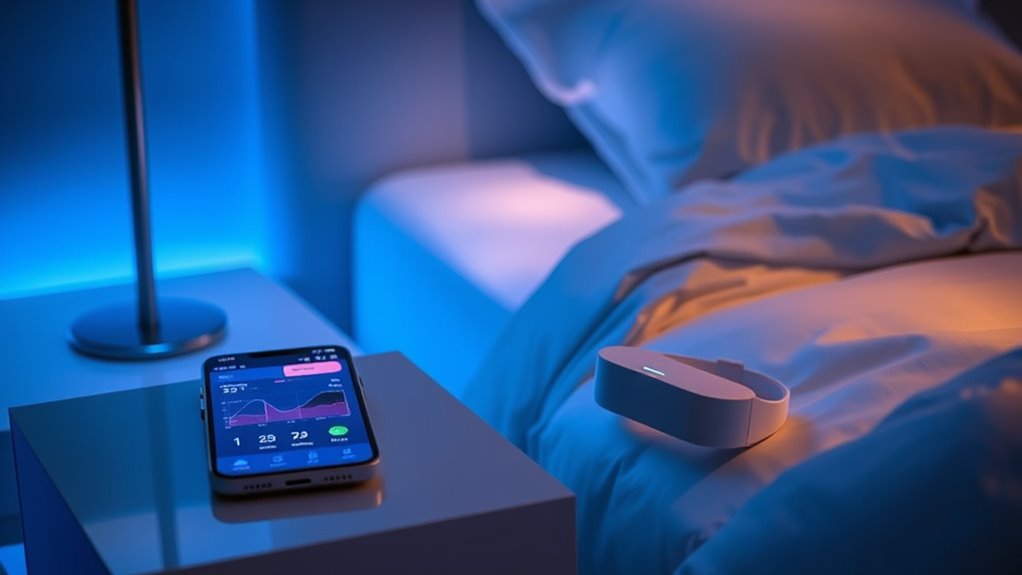
In recent years, AI has revolutionized how we approach sleep health, making sleep apps more effective and personalized than ever before. When you use these advanced tools, you gain insights into your sleep cycle, helping you understand how long you spend in light, deep, and REM sleep stages. By analyzing your movement patterns, heart rate, and breathing, AI-powered apps can identify your sleep phases with remarkable accuracy. This detailed data allows you to optimize your sleep schedule, wake up feeling more refreshed, and reduce sleep disruptions. Instead of generic advice, you receive tailored suggestions based on your unique sleep patterns, making improvements more achievable.
One fascinating feature AI brings to sleep apps is dream analysis. While it might sound like science fiction, AI algorithms can interpret your dream reports by analyzing keywords, emotional tone, and frequency. When you log your dreams or describe them, these systems can detect recurring themes or emotional states linked to your sleep quality. This insight can help you uncover subconscious stressors or unresolved issues affecting your rest. Over time, the app can track changes in your dreams alongside your sleep patterns, giving you a more holistic picture of your mental and emotional wellbeing. This personalized approach allows you to understand your sleep on a deeper level and identify potential triggers that disturb your rest.
AI also enhances your ability to improve your sleep cycle by providing customized recommendations. If the app detects irregularities or fragmented sleep, it might suggest specific bedtime routines, environmental adjustments, or relaxation techniques. Some apps even adjust lighting or sound environments to promote better sleep based on your preferences and patterns. By continuously learning from your data, AI systems can fine-tune their advice, helping you establish consistent sleep routines that align with your natural circadian rhythms.
Additionally, AI-driven sleep apps can incorporate personal health data, such as medication use or stress levels, to further tailor their recommendations and improve sleep quality. Furthermore, these apps democratize access to sleep science, empowering you to take control of your sleep health without expensive consultations. With AI-driven sleep analysis, you’re equipped with actionable insights that can lead to better sleep hygiene, reduced insomnia, and improved overall wellbeing. While they’re no substitute for medical advice, they serve as powerful tools to identify issues early and motivate positive changes. As AI continues to evolve, expect even more sophisticated features that will deepen your understanding of your sleep cycle, dreams, and mental health, ultimately helping you rest better and wake up more energized every day.

SOMNDEEP Non-Wearable Smart Sleep Tracker, Contactless Sleep Monitor Device
- Non-Wearable Design: Comfortable, contactless sleep monitoring
- Comprehensive Sleep Tracking: Heart rate, breathing, and movement analysis
- Sleep Stage Measurement: Deep, light, and REM sleep percentages
As an affiliate, we earn on qualifying purchases.
As an affiliate, we earn on qualifying purchases.
Frequently Asked Questions
How Accurate Are AI Sleep Trackers Compared to Clinical Sleep Studies?
AI sleep trackers are generally less accurate than clinical sleep studies, especially for detailed sleep cycle tracking. They can give you a good overview of your sleep environment and help identify patterns, but they might miss subtle issues. For the most precise results, a clinical study is best. Still, AI devices are helpful for daily monitoring and making small adjustments to improve your overall sleep quality.
Can AI Sleep Apps Diagnose Sleep Disorders?
AI sleep apps can’t diagnose sleep disorders definitively, but they can identify patterns that suggest issues, prompting you to seek professional help. By tracking your sleep hygiene, like bedtime routines, and analyzing dreams through dream analysis features, these apps provide valuable insights. They support improved sleep habits and alert you to potential problems, but a healthcare professional’s diagnosis remains essential for accurate detection and treatment.
Are Ai-Powered Sleep Devices Safe for Long-Term Use?
AI-powered sleep devices are generally safe for long-term use, but you should stay aware of potential concerns. Make sure they prioritize long-term safety and data privacy, so your health info stays protected. Regularly update the device’s software and check for manufacturer guidelines. If anything feels off or causes discomfort, consult a healthcare professional. Staying informed helps you enjoy the benefits of AI sleep tech without risking your well-being.
How Does AI Personalize Sleep Improvement Plans?
Did you know that AI can tailor sleep plans with up to 95% accuracy? It does this through personalization algorithms that analyze your user data, like sleep patterns and lifestyle habits. By continuously studying this data, AI adjusts recommendations in real-time, ensuring your sleep improvement plan fits your unique needs. This personalized approach helps you sleep better faster, making your sleep journey more effective and customized to your specific habits and preferences.
Do AI Sleep Apps Collect and Share Personal Data Securely?
AI sleep apps do collect your personal data, but they prioritize data privacy and security. They use encryption and strict protocols to protect your information. You’re asked for user consent before data collection begins, ensuring you’re aware of what’s shared. Always review the app’s privacy policy and settings to control your data sharing preferences, so you can enjoy personalized sleep insights while keeping your information secure.

Zeacool Fitness Tracker with 24/7 Heart Rate, Blood Oxygen Blood Pressure Sleep Monitor, Activity Trackers 5 ATM Waterproof,Step Calorie Counter Pedometer Health Smart Watch for Women Men (Black)
- Real-time Heart Rate Monitoring: 24/7 heart rate, blood oxygen, blood pressure
- AMOLED HD Touch Screen: 1.10 inch color display with multiple watch faces
- Multiple Sport Modes: Supports 25 sports modes for activity tracking
As an affiliate, we earn on qualifying purchases.
As an affiliate, we earn on qualifying purchases.
Conclusion
While AI-powered sleep apps show promise, remember that no tool can replace good sleep habits. They can guide you, but ultimately, “A healthy mind in a healthy body” starts with consistent routines and listening to your body. Embracing technology thoughtfully can make a difference, but don’t forget that your well-being depends on your choices. Use these tools wisely, and you might just find your nights becoming more restful and rejuvenating.

DREAM SPORT Smart Ring for Women & Men – Sleep Tracker with SPO₂/HRV Monitoring, 5ATM Waterproof, No Subscription Fee, 7-Day Battery iOS Android (11 Size, Rose Gold)
- No Subscription Fees: Lifetime free updates and features
- Extensive Sports Modes: 170+ modes for health and activity tracking
- Customizable Fit: 8 adjustable sizes with free exchange
As an affiliate, we earn on qualifying purchases.
As an affiliate, we earn on qualifying purchases.
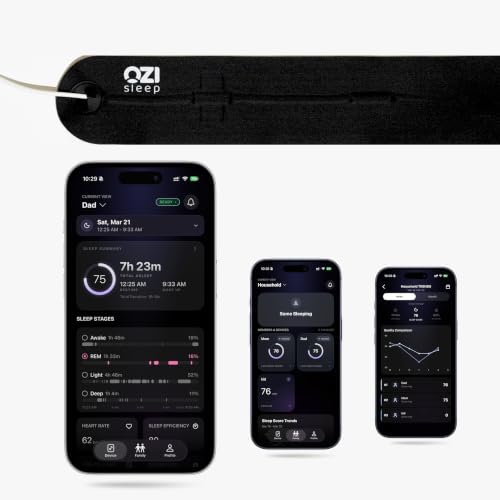
OZI Smart Sleep Tracker, Non-Wearable Contactless Under-Sheet Sleep Monitor
- No Wearable Needed: Slides under sheet to monitor sleep
- Comprehensive Sleep Data: Tracks sleep stages, heart rate, and more
- Real-Time Alerts: Notifications for bed exits and health changes
As an affiliate, we earn on qualifying purchases.
As an affiliate, we earn on qualifying purchases.