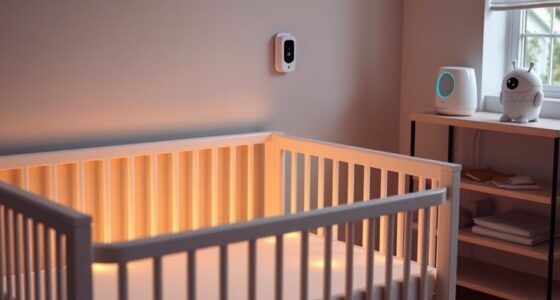
Current evidence suggests that 5G cell signals and Wi-Fi are unlikely to substantially disrupt your sleep when used responsibly. Although higher frequency bands are involved, electromagnetic exposure levels from 5G are considered safe and within safety limits set by health authorities. To support better sleep, it’s smart to turn off devices or keep them away from your bed, especially before sleeping. To learn more about how electromagnetic exposure impacts sleep and ways to improve your rest, keep exploring.

Get health and wellness essentials delivered free — and shop member deals
- Fast, free delivery on millions of items
- Access to Prime Big Deal Days deals on October 6–7
- Prime Video, Amazon Music and more included
Key Takeaways
- Current research shows electromagnetic fields from 5G and Wi-Fi are within safety limits and unlikely to directly disrupt sleep.
- Electromagnetic exposure may act as a sleep disruptor, especially if devices are used near the bed before sleeping.
- Reducing electromagnetic interference by turning off devices or keeping them away from the sleep area can support better sleep.
- Good sleep hygiene, including limiting screen time and electromagnetic exposure before bed, promotes healthier sleep patterns.
- Ongoing studies continue to examine EMF effects; adopting precautionary measures is advisable for optimal sleep quality.
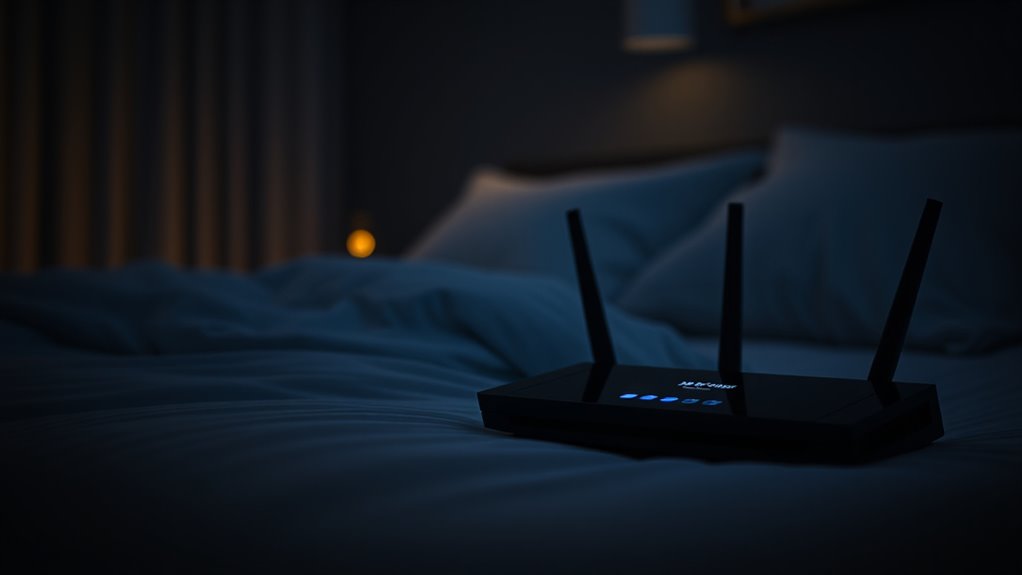
Electromagnetic exposure from 5G devices and infrastructure is often highlighted as a potential sleep disruptor. Unlike previous wireless generations, 5G uses higher frequency bands, which some fear could lead to increased exposure. However, current evidence suggests that the levels of electromagnetic fields emitted by 5G are well within safety limits set by health authorities. Still, it’s wise to be mindful of your exposure, especially before bedtime. Limiting the use of your phone or Wi-Fi at least an hour before sleep can reduce potential disruptions. Turning off devices or keeping them away from your bedside can help minimize electromagnetic interference that might disturb your sleep patterns.
Limiting device use before bed helps reduce electromagnetic interference and supports better sleep.
Your sleep hygiene plays an essential role here. Good sleep hygiene involves creating a sleep-friendly environment and establishing routines that promote restful sleep. If you’re concerned about electromagnetic exposure, incorporate habits like charging your phone outside the bedroom or switching off Wi-Fi during the night. These steps not only reduce electromagnetic interference but also help reinforce your sleep routine, signaling your body that it’s time to wind down. Avoid using screens close to bedtime, as the blue light emitted can suppress melatonin, the hormone that regulates sleep-wake cycles. By managing both electromagnetic exposure and screen time, you set the stage for more consistent, high-quality sleep.
It’s also important to recognize that sleep hygiene extends beyond limiting device use. Maintain a cool, dark, and quiet bedroom environment, keep a consistent sleep schedule, and avoid caffeine or heavy meals close to bedtime. These practices can counteract any minor electromagnetic disturbances and support your overall sleep health. While the scientific community continues to study the long-term effects of electromagnetic fields from 5G, implementing simple measures now can help optimize your sleep hygiene and reduce potential disruptions. Additionally, staying informed about scientific research on electromagnetic exposure can help you make better decisions for your health and sleep quality.
As an affiliate, we earn on qualifying purchases.
Frequently Asked Questions
Can 5G Exposure Cause Long-Term Health Issues?
You might wonder if 5G exposure can cause long-term health issues. Current research suggests that electromagnetic exposure from 5G is low and unlikely to harm your long-term health. Agencies like the WHO continue to monitor studies, but so far, evidence doesn’t show significant risks. It’s wise to stay informed and follow safety guidelines, but overall, your long-term health isn’t at considerable risk from 5G signals.
How Does Wi-Fi Affect Sleep Quality Over Extended Periods?
Wi-Fi can impact your sleep quality over time through electromagnetic interference, which may cause sleep disruption. When your device emits signals, it can interfere with your body’s natural sleep rhythms, especially if you’re exposed to Wi-Fi signals close to your bed. To minimize this, consider turning off Wi-Fi at night or keeping devices away from your sleeping area, helping you achieve more restful, uninterrupted sleep.
Are Children More Vulnerable to Electromagnetic Interference From 5G?
You might wonder if children are more vulnerable to electromagnetic interference from 5G. Although some claim children are more sensitive due to ongoing development, current research doesn’t conclusively prove increased risks for child safety or electromagnetic sensitivity. It’s important to stay informed and follow guidelines, but overall, existing evidence suggests children aren’t substantially more vulnerable to 5G signals than adults.
Do Different 5G Frequencies Have Varying Impacts on Sleep?
Different 5G frequencies can impact sleep differently due to variations in frequency variations and signal penetration. Higher frequencies, like millimeter waves, have less signal penetration and might cause less disruption, but they require more close-range exposure. Lower frequencies penetrate deeper into tissues, potentially increasing interference. So, your sleep could be affected based on the specific 5G frequency used and how it interacts with your environment and body.
What Practical Steps Can I Take to Minimize Exposure Before Bed?
Research suggests that minimizing EMF exposure before bed can improve sleep quality. You can incorporate EMF shielding devices or turn off Wi-Fi and cell signals at least an hour before bedtime. Establishing a calming bedtime routine, like reading or meditation, helps reduce exposure to electromagnetic fields. These steps create a sleep-friendly environment, allowing your body to wind down naturally and avoid potential disruptions caused by lingering electromagnetic energy.
As an affiliate, we earn on qualifying purchases.
Conclusion
While the science is still catching up, there’s no need to lose sleep over 5G and Wi-Fi signals just yet. If you’re concerned, simple steps like turning off devices before bed can help you sleep better and sleep tight. Remember, sometimes the best way to beat the buzz is to unplug and let sleeping dogs lie. Don’t let the tech keep you awake—your good rest is worth it.
As an affiliate, we earn on qualifying purchases.
As an affiliate, we earn on qualifying purchases.
Fall Picks
fall essentials
As an affiliate, we earn on qualifying purchases.