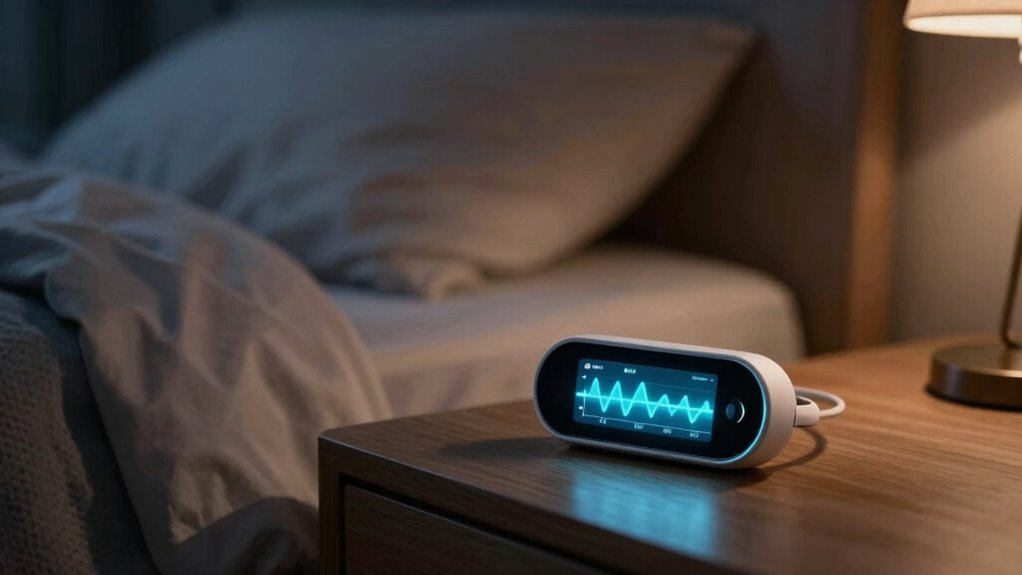

Your feelings about sleep data can shift from helpful to stressful because it depends on how well the numbers match your actual experience. When the data confirms how you feel, it boosts confidence and feels useful. But if it shows discrepancies or causes confusion, it might lead to stress and overthinking. Recognizing that sleep tracking isn’t perfect and that fluctuations are normal can help you stay balanced. Keep going, and you’ll discover ways to use your sleep data more confidently.
Key Takeaways
- Sleep data feels useful when it confirms personal perceptions of rest, boosting confidence in sleep habits.
- Discrepancies between data and actual sleep can cause stress and lead to overanalysis.
- Variations in device accuracy and measurement limitations contribute to fluctuating emotional responses.
- Recognizing that sleep fluctuations are normal helps maintain perspective and reduces anxiety.
- Proper interpretation of data, understanding its limitations, ensures it remains a helpful rather than stressful tool.
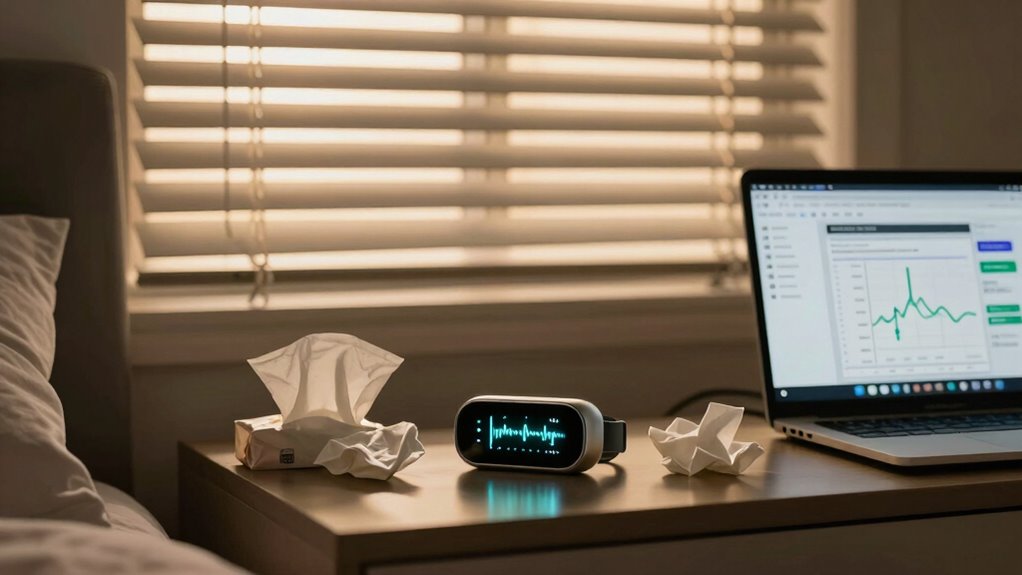
In today’s world, sleep data has become more accessible than ever, with apps and devices tracking every nap and night’s rest. At first, it feels empowering—you see detailed insights into your sleep quality, and it’s easy to believe that understanding your patterns can help you improve. You might wake up feeling refreshed, look at your sleep stats, and think, “Wow, I slept well last night.” Data accuracy is crucial here because if your device reliably captures your sleep stages and duration, it reinforces your confidence in the information. When the data aligns with how you feel, it seems like a helpful tool rather than just numbers on a screen. You start to make small tweaks, like adjusting your bedtime or reducing screen time, confident that these changes will enhance your sleep quality.
But then, a week later, the same data can suddenly feel stressful. Maybe your sleep score drops, or your device reports fragmented sleep even when you feel like you slept solidly. Suddenly, you’re questioning your sleep habits and even your health. The inconsistency can be frustrating because you’re relying on data that may not be perfectly accurate. Sleep tracking devices are impressive, but they aren’t flawless; they interpret signals from movements and heart rates, which can sometimes lead to misclassification of sleep stages or wakefulness. When data accuracy is compromised, it can create confusion, making you doubt your intuitive feelings about sleep. You might obsess over minor fluctuations, thinking that small dips in sleep quality mean something serious, even if they’re just normal variations. Recognizing that sleep data accuracy can vary helps you maintain perspective and prevents unnecessary worry. This understanding underscores how important it is to consider the limitations of sleep tracking when reviewing your data. This shift from feeling empowered to feeling stressed hinges on how you interpret the data. When everything aligns with your actual experience, sleep data feels like a helpful guide. But when discrepancies arise, it can cause unnecessary concern or anxiety. You might start overanalyzing your sleep patterns, trying to fix something that’s not broken, which ironically, worsens your sleep quality. It’s important to remember that sleep data is a tool—not an absolute truth. Its accuracy limitations** can vary, and understanding its limitations is key to avoiding stress. Being aware of these measurement inaccuracies can help you interpret your sleep data more objectively. Additionally, understanding the role of data interpretation and how it influences your perception can help you avoid unnecessary stress. Recognizing that fluctuations in sleep** are normal helps you maintain a healthy perspective. So, while sleep data can be incredibly useful one week, it can quickly become stressful the next if you’re not careful about how you interpret it.

Withings Sleep – Sleep Tracking Pad Under The Mattress With Sleep Cycle Analysis
EXPLORE THE DEPTHS OF YOUR SLEEP PATTERN – Sleep is the ultra-powerful sleep monitor that allows you to…
As an affiliate, we earn on qualifying purchases.
As an affiliate, we earn on qualifying purchases.
Frequently Asked Questions
How Does Sleep Tracking Affect Mental Health Over Time?
Sleep tracking can positively influence your mental health over time by improving your sleep hygiene, making you more aware of habits that impact rest. When data accuracy is high, you gain reliable insights, which help you identify patterns and make better choices. However, if data feels inconsistent or causes stress, it may negatively affect your mental health. Focus on balanced tracking to foster healthy habits without becoming overwhelmed.
Can Sleep Data Predict Future Health Issues Accurately?
Sleep data can predict future health issues with about 70% accuracy, especially when tracking sleep quality over time. However, your predictions depend heavily on data accuracy; if your sleep tracker isn’t precise, forecasts might be misleading. While useful, don’t rely solely on sleep data for health decisions. Use it as a helpful guide, but consult healthcare professionals for detailed evaluations and personalized advice.
What Are Common Misconceptions About Sleep Data?
Many people believe sleep data perfectly reflects sleep quality, but that’s a misconception. Data accuracy can vary depending on the device, and it doesn’t capture all factors affecting your sleep, like stress or environment. You might see ideal sleep scores even if you’re tired, or poor scores despite feeling rested. Remember, sleep data is a helpful tool, but it shouldn’t replace listening to your body or consulting health professionals.
How Do Personal Habits Influence Sleep Data Reliability?
Your personal habits greatly influence sleep data reliability by affecting habit accuracy and data consistency. For instance, irregular sleep schedules or inconsistent bedtime routines can make your sleep patterns seem erratic, skewing the data. When you stick to a regular sleep schedule and maintain consistent habits, your sleep data becomes more accurate and reliable. This consistency helps you better understand your sleep quality and make informed adjustments for improved rest.
Is Sleep Data More Useful for Athletes or Average Individuals?
Sleep data is more useful for athletes because they rely heavily on sleep quality and data accuracy to optimize performance. You might think your sleep is great, but subtle insights can reveal hidden issues affecting recovery. For the average person, sleep data offers useful guidance, but athletes benefit most from precise, detailed feedback to fine-tune training and rest. Ultimately, accurate sleep data helps maximize your potential, whether you’re competing or just aiming to feel your best.
Withings Sleep – Sleep Tracking Pad Under The Mattress With Sleep Cycle Analysis
EXPLORE THE DEPTHS OF YOUR SLEEP PATTERN – Sleep is the ultra-powerful sleep monitor that allows you to…
As an affiliate, we earn on qualifying purchases.
As an affiliate, we earn on qualifying purchases.
Conclusion
Sleep data can feel like a lighthouse guiding you through the fog—helpful when it offers clarity, but overwhelming if it starts flashing too brightly. Remember, it’s okay to step back and breathe when the numbers feel stressful. Just like a good night’s sleep restores your energy, taking a break from data can refresh your mindset. Ultimately, use sleep insights as a gentle guide, not a rigid rule, and trust your body to find its rhythm.
accurate sleep monitoring apps
As an affiliate, we earn on qualifying purchases.
As an affiliate, we earn on qualifying purchases.
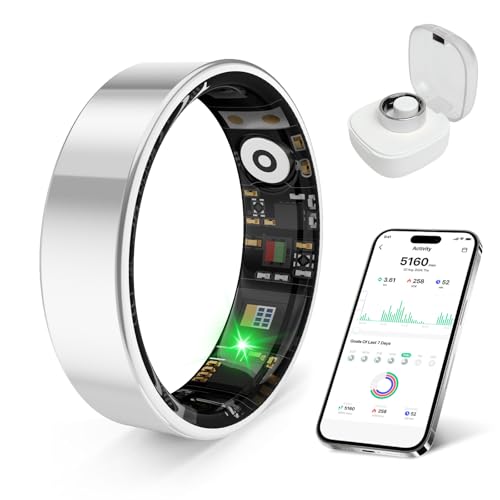
prxxhri Smart Health Ring, Featuring Stress and Sleep Monitoring Functions, Compatible with iOS and Android,Waterproof Fitness Tracker for Women & Men, No Subscription Fee. (Silver, 11)
【Check the Size Before Purchase】 Before buying the prxxhri Smart Ring, we strongly suggest that you refer to…
As an affiliate, we earn on qualifying purchases.
As an affiliate, we earn on qualifying purchases.