
You’ll find that timing your lighting adjustments matters more than just the brightness because it directly influences your mood, alertness, and sleep patterns. Properly timed changes in light color and intensity help regulate your circadian rhythm, signaling your body when to wake up or wind down. Brightness alone won’t achieve this; without the right timing, your internal clock can get out of sync. Keep going to discover how adjusting your light schedule can improve your overall well-being.

Get health and wellness essentials delivered free — and shop member deals
- Fast, free delivery on millions of items
- Access to Prime Big Deal Days deals on October 6–7
- Prime Video, Amazon Music and more included
Key Takeaways
- Proper timing of light supports natural circadian rhythms, influencing sleep, alertness, and overall well-being more than brightness alone.
- Strategic light shifts between warm and cool tones at specific times enhance mood and promote restful sleep.
- Even consistent brightness can disrupt biological clocks if not synchronized with natural activity and rest cycles.
- Light timing cues the body to prepare for activity or relaxation, optimizing mental focus and physical health.
- Coordinating light temperature and timing reduces eye strain and improves comfort beyond just adjusting brightness levels.

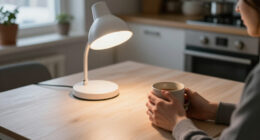
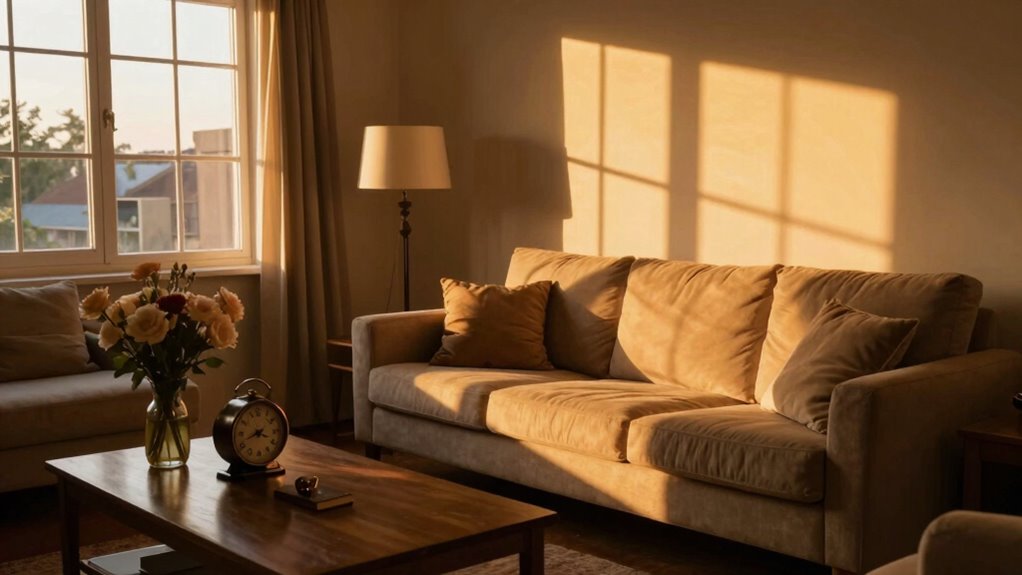
While high brightness can make a space feel more illuminated, the timing of your lighting plays an essential role in how effectively that light benefits you. It’s not just about flooding a room with as much light as possible; it’s about when and how that light is delivered. The timing influences your mood, alertness, and overall well-being. Properly timed lighting can help regulate your circadian rhythm, making mornings brighter and evenings more calming. To achieve this, understanding color temperature is key. Cooler light with higher color temperatures (around 5000K) mimics daylight and is best for energizing you during the day. Warmer light with lower color temperatures (around 2700K) creates a cozy atmosphere in the evening, signaling your body to wind down. When you switch between these lighting tones at appropriate times, you enhance your natural sleep-wake cycle, improving sleep quality and daytime focus.
Timing your lighting with color temperature shifts supports your circadian rhythm and enhances sleep and alertness.
Another essential aspect is light flicker, which often goes unnoticed but can greatly impact your comfort and health. Flickering lights, especially fluorescent or poorly designed LEDs, can cause eye strain, headaches, and even migraines. The timing and stability of your lighting are critical here. If your lights flicker frequently, it disrupts your visual comfort and can interfere with your concentration. Choosing flicker-free lighting options ensures a steady, consistent flow of illumination. This consistent light supports your productivity and reduces eye fatigue, especially during long work sessions or when reading. Additionally, light flicker can lead to long-term health issues if not properly addressed. Moreover, understanding lighting quality and its impact on health can help you make smarter choices about your lighting setup. Considering light distribution also plays a role in creating an optimal visual environment, preventing glare and uneven illumination. Incorporating automated lighting systems that adapt to your schedule can further enhance the benefits of well-timed illumination. Employing smart controls can also optimize light adjustments based on your routine, further promoting comfort and well-being.
Timing also involves the strategic placement and dimming of lights to match your activity and natural light availability. For example, in the morning, bright, cool light can help wake you up and boost alertness. As the day progresses, gradually dimming the lights or shifting to warmer tones helps your body prepare for rest. Automated lighting systems that adjust color temperature and brightness based on the time of day can optimize this process effortlessly. Such systems not only improve your comfort but also help your body recognize natural cues for activity and relaxation.
In essence, understanding how to time your lighting—considering factors like color temperature and minimizing flicker—has much greater benefits than simply increasing brightness. Thoughtful lighting schedules can enhance your mood, aid sleep, and support your daily rhythm. It’s about creating a lighting environment that aligns with your natural biological clock, making your space not just brighter but smarter and healthier.
As an affiliate, we earn on qualifying purchases.
Frequently Asked Questions
How Does Light Timing Affect Sleep Quality?
Light timing directly impacts your sleep quality by syncing with your Circadian rhythms and regulating melatonin production. Exposure to bright light at the right times, like in the morning, helps you wake up refreshed, while dimmer light in the evening signals your body to prepare for sleep. Poor timing can disrupt melatonin regulation, leading to difficulty falling asleep or restless nights, so managing light exposure is key for better sleep.
Can Proper Light Timing Improve Productivity?
Sure, proper light timing can boost your productivity—who knew aligning with your circadian rhythm was that simple? By practicing circadian alignment through strategic light exposure, you signal your brain it’s daytime, sharpening focus and energy. Instead of blindly brightening your workspace, adjusting your light schedule helps your body sync with natural cues, making you more alert and efficient. Turns out, timing your light is the real productivity hack.
What Are the Best Times to Use Lighting for Health?
You should prioritize outdoor exposure during daylight hours, especially in the morning, to boost your health. Seasonal adjustments are essential; in winter, try to get outside during midday to maximize natural light. Use lighting strategically in your indoor environment to mimic natural patterns, helping regulate your circadian rhythm. This timing supports better sleep, mood, and overall well-being, making it more beneficial than just focusing on brightness alone.
How Does Light Timing Influence Mood Regulation?
You might be surprised, but proper light timing is essential for mood regulation. When you align your exposure to natural light with your circadian rhythm, you help maintain hormonal balance, which directly influences your mood. For example, morning light boosts serotonin, making you feel happier, while evening light can disrupt sleep and mood. Consistent timing supports circadian alignment, helping you feel more stable and emotionally resilient throughout the day.
Are There Differences in Light Timing Needs for Different Ages?
Yes, your light timing needs change with age due to shifts in circadian rhythms and seasonal variations. Younger individuals often need exposure to morning light to set their internal clocks, while older adults might benefit from light in the afternoon to help regulate sleep patterns. Seasonal variations also impact your light needs, as shorter days in winter require more strategic timing to maintain mood and alertness. Adjusting light timing supports ideal health across all ages.
color temperature adjustable lighting
As an affiliate, we earn on qualifying purchases.
As an affiliate, we earn on qualifying purchases.
Conclusion
So next time you crank up that brightness, remember it’s not just about blinding everyone around you. Think of your light as a mischievous wizard — timing is its wand, casting spells at just the right moments. Without proper timing, even the brightest bulb turns into a blinding, useless flash, like a fireworks show gone wrong. Master the timing, and you’ll illuminate your space like a genius — or at least not cause permanent eye damage.
timed circadian rhythm lighting system
As an affiliate, we earn on qualifying purchases.
As an affiliate, we earn on qualifying purchases.
automated light control for sleep
As an affiliate, we earn on qualifying purchases.
As an affiliate, we earn on qualifying purchases.
Fall Picks
fall essentials
As an affiliate, we earn on qualifying purchases.