Light therapy is designed to support your body’s natural processes by regulating your internal clock, boosting mood, and improving mental health. It mimics natural sunlight to reset your circadian rhythm, helping you feel more alert during the day and sleep better at night. It also alleviates symptoms of Seasonal Affective Disorder and balances light exposure when natural sunlight is limited. To discover how it can benefit your overall well-being, keep exploring.

Get health and wellness essentials delivered free — and shop member deals
- Fast, free delivery on millions of items
- Access to Prime Big Deal Days deals on October 6–7
- Prime Video, Amazon Music and more included
Key Takeaways
- Supports mood regulation by influencing neurotransmitters like serotonin.
- Regulates circadian rhythms to improve sleep, alertness, and hormone balance.
- Alleviates symptoms of Seasonal Affective Disorder and light deprivation.
- Maintains proper internal and external light balance for overall health.
- Enhances mental clarity, energy, and emotional well-being through biological process support.
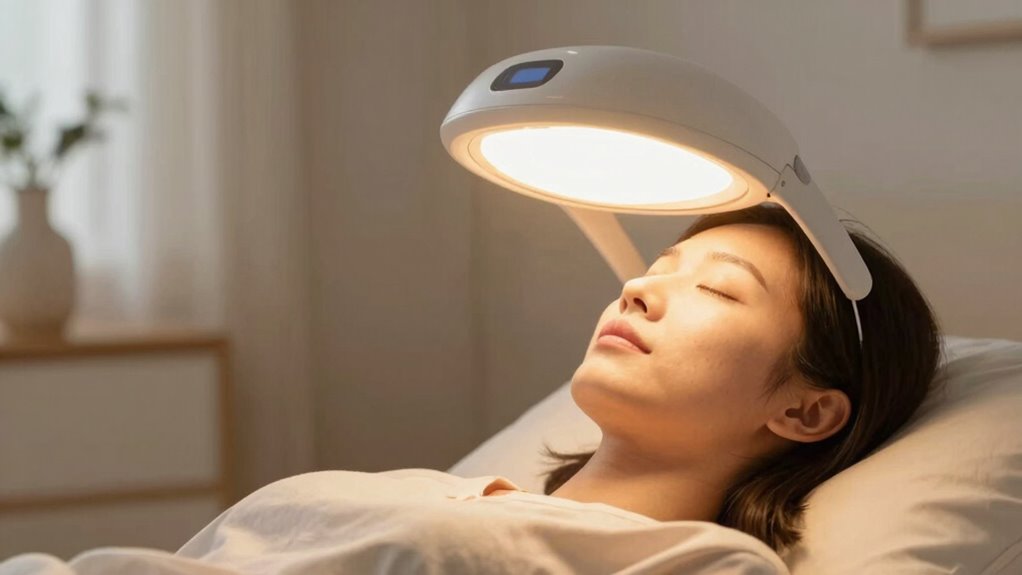
Light therapy has become a popular and effective way to improve mood, boost energy, and regulate your circadian rhythm. When you use a light therapy box, you’re not just shining light on your skin — you’re supporting specific biological processes that keep your mental and physical health in check. One of the primary areas it targets is Seasonal Affective Disorder (SAD), a type of depression that occurs at specific times of the year, often during the darker winter months. By mimicking natural sunlight, light therapy helps lift your mood and reduce feelings of lethargy associated with seasonal changes. It’s designed to deliver a controlled amount of light that influences your brain’s neurotransmitters, such as serotonin, which play a crucial role in mood regulation.
Light therapy supports biological processes, alleviating Seasonal Affective Disorder and boosting mood by influencing brain neurotransmitters like serotonin.
Beyond combating SAD, light therapy is fundamentally about supporting your circadian regulation. Your circadian rhythm is the internal clock that governs your sleep-wake cycle, hormone release, and other bodily functions. When this rhythm gets out of sync—due to irregular sleep patterns, shift work, or travel—you might experience fatigue, sleep disturbances, or even mood swings. Light therapy helps reset and synchronize this internal clock by exposing you to bright light at strategic times. This exposure signals to your brain that it’s daytime, prompting the release of alertness-promoting hormones like cortisol and suppressing melatonin, the hormone responsible for sleep. Over time, this adjustment helps you fall asleep more easily at night and wake up feeling refreshed.
The goal of light therapy isn’t just to provide temporary relief but to support your body’s natural biological rhythms. When your circadian regulation functions properly, you experience better sleep quality, improved focus, and a more stable mood. It creates a cycle where your energy peaks during the day and diminishes at night, matching your environment’s natural light patterns. This harmony can considerably reduce the symptoms of seasonal affective disorder and other mood disorders linked to light deprivation. Additionally, using light therapy can help mitigate the adverse effects of light deprivation, which can negatively impact mental health and overall well-being. Maintaining proper light exposure is essential for overall health, and light therapy offers a controlled way to achieve this when natural sunlight is limited. Recognizing the importance of circadian rhythm can help you understand why consistent light exposure is vital for overall health. Furthermore, understanding how light influences biological processes emphasizes the importance of appropriate light timing and intensity for health benefits.
In essence, light therapy is engineered to support your body’s natural processes—mainly by restoring healthy circadian regulation and alleviating Seasonal Affective Disorder symptoms. It’s a practical, non-invasive tool that aligns your internal clock with the external world’s light patterns, helping you feel more energized, balanced, and mentally clear. As research continues to uncover the metaphysical connections between light and well-being, it underscores how light therapy can be more than just a physical health tool but also a means to promote overall harmony. When used correctly, it can be a powerful addition to your health routine, ensuring that light becomes a catalyst for better mood and sleep, not just a simple brightening device.
As an affiliate, we earn on qualifying purchases.
Frequently Asked Questions
Can Light Therapy Replace Medication for Mental Health Conditions?
Light therapy can’t fully replace medication for mental health conditions, but it can be a helpful alternative treatment. You might find it effective for issues like seasonal affective disorder or depression, especially when combined with therapy. While a medication comparison shows different benefits and side effects, light therapy offers a non-invasive option with fewer risks. Talk to your healthcare provider to see if it fits into your overall mental health treatment plan.
Is Light Therapy Effective for Seasonal Affective Disorder (SAD)?
Yes, light therapy is effective for SAD because it mimics natural sunlight, helping you increase sunlight exposure even during darker months. This boosts mood regulation and reduces symptoms of depression linked to seasonal changes. By sitting near a lightbox each morning, you can improve your overall well-being, as the therapy supports your body’s natural circadian rhythms and enhances your mood, making it a valuable tool in managing SAD symptoms.
How Long Should I Use Light Therapy Each Day?
You should start with about 20-30 minutes of light therapy each morning, but don’t just set it and forget it. The key is timing consistency—use it at the same time daily to see the best results. Pay close attention to device selection; choose a bright, full-spectrum light approved for SAD. Adjust your duration if needed, but always listen to your body to avoid overstimulation.
Are There Any Risks or Side Effects From Light Therapy?
You might experience some risks or side effects from light therapy, like potential skin irritation or eye safety concerns. Skin irritation can occur if the light is too intense or used for too long, so it’s important to follow guidelines. For eye safety, avoid staring directly at the light source, and consider wearing protective eyewear if recommended. Always consult a healthcare professional to minimize risks and guarantee safe use.
Can Light Therapy Improve Sleep Quality?
Yes, light therapy can improve your sleep quality by supporting circadian regulation and boosting melatonin production. When you get the right exposure to bright light at appropriate times, it helps reset your internal clock, making it easier to fall asleep and wake up feeling refreshed. Consistent use of light therapy can harmonize your sleep patterns, especially if you struggle with jet lag or seasonal affective disorder.
full spectrum light therapy lamp
As an affiliate, we earn on qualifying purchases.
As an affiliate, we earn on qualifying purchases.
Conclusion
So, next time you find yourself drawn to that morning sunlight or curious about light therapy, remember it’s more than just a coincidence. It’s designed to naturally support your mood, sleep, and overall well-being. By embracing the light, you’re not just chasing brightness—you’re synchronizing your body’s rhythm, creating harmony where chaos once reigned. Sometimes, the simplest things, like light, can align perfectly to boost your health in ways you never expected.
light therapy for circadian rhythm
As an affiliate, we earn on qualifying purchases.
As an affiliate, we earn on qualifying purchases.
As an affiliate, we earn on qualifying purchases.
Fall Picks
fall essentials
As an affiliate, we earn on qualifying purchases.