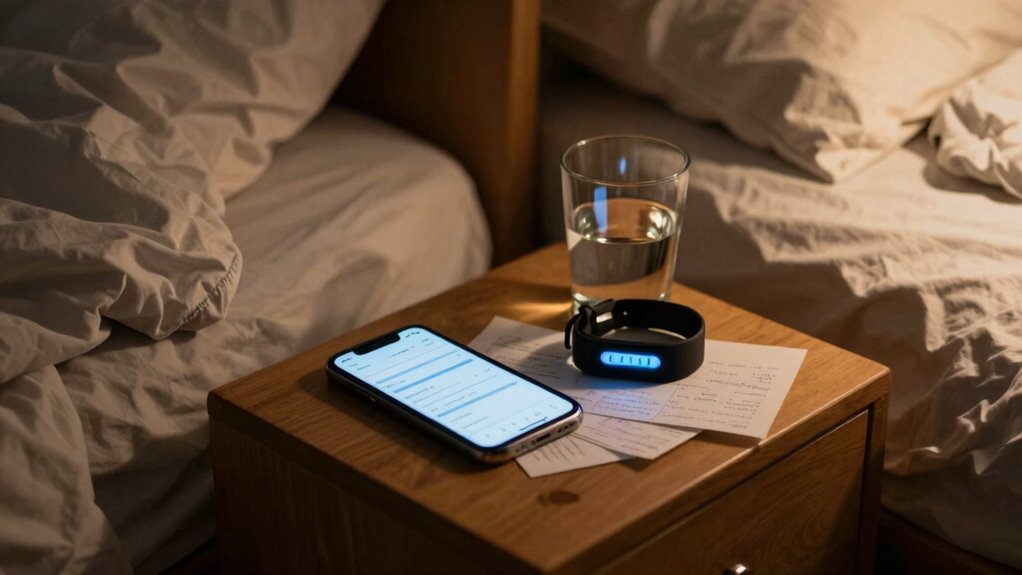

The most common mistake you make with sleep data is assuming raw numbers without considering external factors or sleep stages. You might see frequent awakenings or irregular patterns and think your sleep is poor, but ignoring environmental influences like noise, light, or bedding can lead to false conclusions. Technology isn’t perfect either, so relying solely on device data can be misleading. Stay tuned to discover how understanding these issues can help improve your sleep insights.

Get health and wellness essentials delivered free with Prime
- Fast, free delivery on millions of items
- Prime Video, Amazon Music and more included
- Member-only deals all year
Key Takeaways
- Relying solely on raw sleep numbers without considering environmental, behavioral, or personal context.
- Misinterpreting REM dreams and normal sleep cycle variations as disruptions or issues.
- Overestimating the accuracy of sleep tracking devices and ignoring their limitations.
- Ignoring external factors like noise, light, or temperature that influence sleep quality and data.
- Failing to combine device data with personal awareness and environmental observations for proper interpretation.
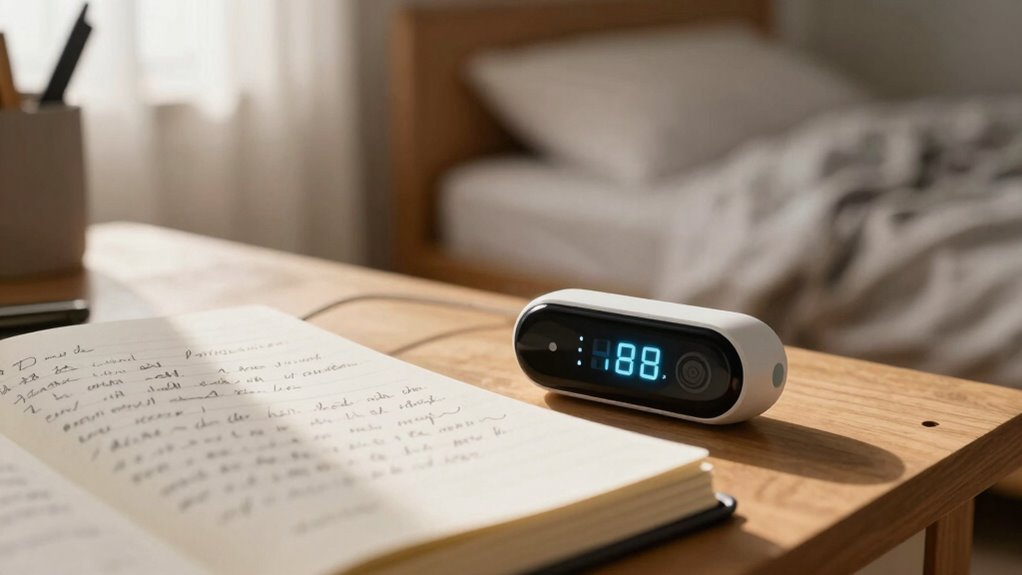
Tracking your sleep can provide valuable insights, but it’s easy to make mistakes that skew the data and lead to false conclusions. One common mistake people make is focusing too much on raw numbers without considering the context—like how dream analysis or your sleep environment might influence your results. For example, if you notice frequent awakenings in your sleep tracker, you might assume your sleep quality is poor. However, these awakenings could be normal dream shifts or linked to your sleep environment, such as noise or light pollution. Ignoring these factors can lead you to blame your sleep data instead of examining what’s actually affecting your rest.
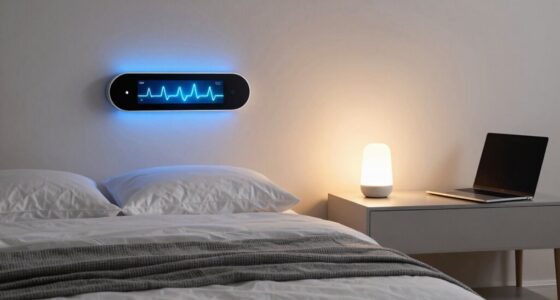
Another mistake is not accounting for dream analysis when interpreting sleep patterns. Dreams often occur during REM sleep, which can be misinterpreted as disruptions or poor sleep quality if you’re not aware of their normalcy. Sleep trackers typically don’t distinguish between different sleep stages accurately, so you might see irregularities and assume something’s wrong, when in fact, you’re experiencing healthy REM cycles. Recognizing the role of dreams and understanding sleep cycles helps you interpret your data correctly, preventing unnecessary worry or misdiagnosis of sleep problems. Additionally, understanding the sleep cycle stages can help you better contextualize your sleep data and avoid misconceptions. It’s also helpful to understand the limitations of sleep tracking technology, as these devices rely on algorithms that may not always be perfectly accurate.
Dreams during REM sleep are normal and can appear as disruptions in sleep trackers; understanding sleep cycles prevents misinterpretation.
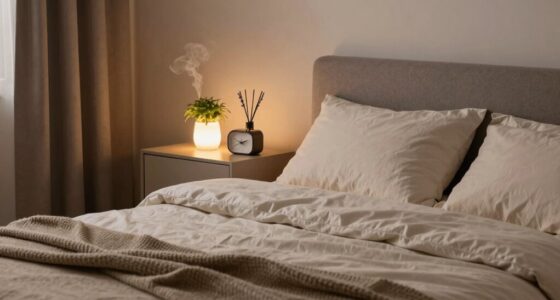
Your sleep environment plays a vital role in the accuracy of your sleep data. If your room is too noisy, too bright, or uncomfortable, it can cause frequent awakenings or lighter sleep, which your tracker might record as poor sleep quality. Sometimes, people overlook how their sleep environment impacts their sleep data, leading to the mistaken belief that their sleep issues are internal rather than environmental. Making simple adjustments—like blackout curtains, a white noise machine, or a more comfortable mattress—can improve your sleep quality and give your trackers more accurate readings. External factors such as temperature and bedding quality can also influence sleep quality and the data captured. Moreover, external disruptions like sudden noises or changes in temperature can cause temporary disturbances that are not reflective of your overall sleep health. Additionally, understanding how External factors affect sleep quality can help you take targeted steps to improve your overall rest.
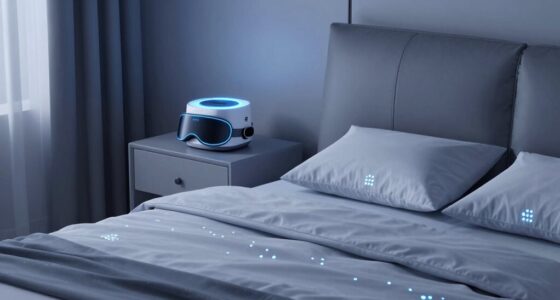
Additionally, you might fall into the trap of believing that your sleep tracker is infallible. These devices use algorithms that aren’t always perfect; they can misinterpret movements or lack of movement, especially if your sleep environment is inconsistent. For example, tossing and turning due to external factors can be recorded as wakefulness, skewing your results. To avoid this mistake, you should combine data from your sleep tracker with your own observations and consider how external factors—such as dream analysis and sleep environment—are influencing your sleep quality. Recognizing the limitations of technology and supplementing it with personal awareness ensures a more accurate understanding of your sleep health.
As an affiliate, we earn on qualifying purchases.
Frequently Asked Questions
How Can I Tell if My Sleep Data Is Accurate?
To tell if your sleep data is accurate, focus on your sleep cycle patterns and how consistent they are. Use a reliable sleep tracker that monitors movement and heart rate, not just sleep duration. Check for data accuracy by comparing your device’s reports with how rested you feel in the morning. If your sleep cycle data aligns with your actual sleep experiences, it’s likely accurate.
Do Sleep Trackers Work Equally Well for Everyone?
Imagine your sleep tracker as a lighthouse shining through your sleep environment, guiding your understanding of your sleep cycle. While it works well for many, it doesn’t work equally for everyone. Factors like your unique sleep patterns and how calm or noisy your environment is can affect accuracy. So, your sleep tracker may need adjustments or supplemental data to truly reflect your sleep quality.
Can Sleep Data Improve My Overall Health?
Yes, sleep data can improve your overall health by helping you understand your sleep quality and identify patterns related to your lifestyle habits. When you track your sleep, you gain insights into how factors like stress, diet, or exercise affect your rest. Using this information, you can make targeted adjustments to enhance sleep quality, boost your energy, and support better overall health.
What Is the Best Device to Track Sleep Accurately?
The best device for sleep tracking accuracy depends on your needs, but many prefer a wearable device with advanced sensors. When comparing wearables, look for those that use heart rate variability, movement, and skin temperature for better accuracy. Devices like the Fitbit Sense or Garmin Venu excel in sleep tracking, offering reliable data through thorough wearable device comparison. Remember, consistent use guarantees more accurate sleep insights.
How Often Should I Review My Sleep Data?
You should review your sleep data weekly to track patterns and identify areas for improvement. Regular reviews help you maintain good sleep hygiene and make necessary adjustments. Use the data to analyze your sleep quality, duration, and consistency. Incorporate dream analysis insights to understand sleep cycles better. Consistent review keeps you aware of your progress, ensuring you stay on top of healthy sleep habits and address issues promptly for better overall rest.
As an affiliate, we earn on qualifying purchases.
Conclusion
By understanding and avoiding these common sleep data mistakes, you can truly harness the power of your sleep tracker. Imagine Sarah, who thought her restless nights were normal until she discovered her nightly interruptions were due to an undiagnosed sleep disorder. Once she corrected her data interpretation, she sought help and finally enjoyed restful, rejuvenating sleep. Don’t let misconceptions hold you back—accurate data is your key to better sleep and a healthier life.
sleep tracking device with sleep stage analysis
As an affiliate, we earn on qualifying purchases.
As an affiliate, we earn on qualifying purchases.
comfortable memory foam mattress
As an affiliate, we earn on qualifying purchases.
As an affiliate, we earn on qualifying purchases.
Halloween Picks
halloween
As an affiliate, we earn on qualifying purchases.