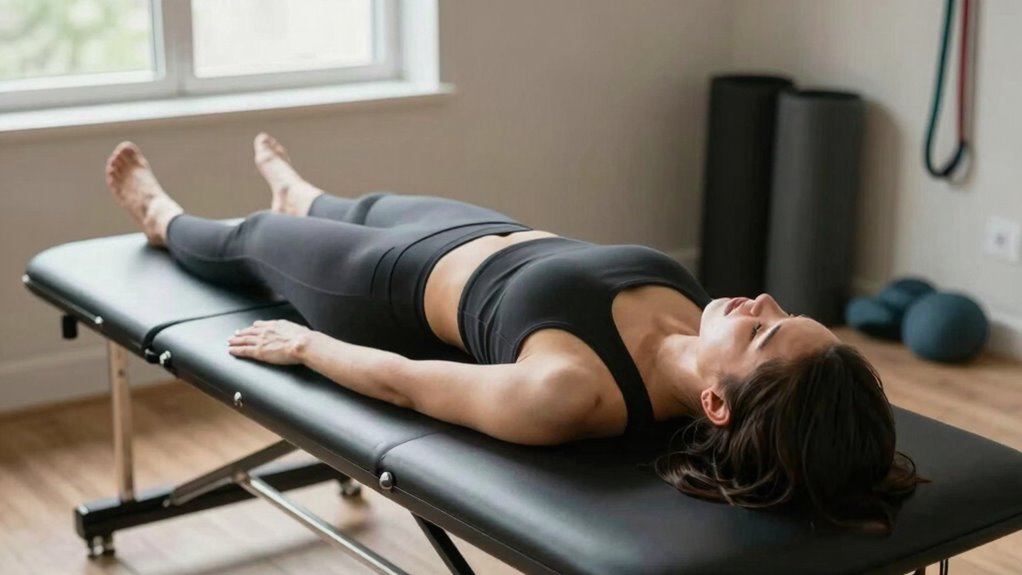

Inversion and stretching tools become key parts of your recovery routine by helping you realign your spine, improve posture, and relieve pain. They gently elongate muscles and decompress the spine, reducing pressure on nerves and discs. By incorporating proper techniques and safety practices, you can enhance flexibility, boost blood flow, and support long-term wellness. Keep exploring to discover how consistent use can transform your recovery process and promote lasting health benefits.
Listen free for 30 days with Audible
Thousands of audiobooks and originals — cancel anytime.
As an affiliate, we earn on qualifying purchases.
Key Takeaways
- Incorporate inversion tools to gently decompress the spine, alleviating nerve pressure and reducing pain during recovery.
- Use stretching tools to improve flexibility and elongate muscles, supporting long-term spinal health.
- Integrate inversion and stretching routines to enhance posture and realign the spine gradually.
- Follow proper techniques to maximize benefits and prevent injury during recovery exercises.
- Combine these tools with consistent practice for sustained improvements in mobility and pain relief.
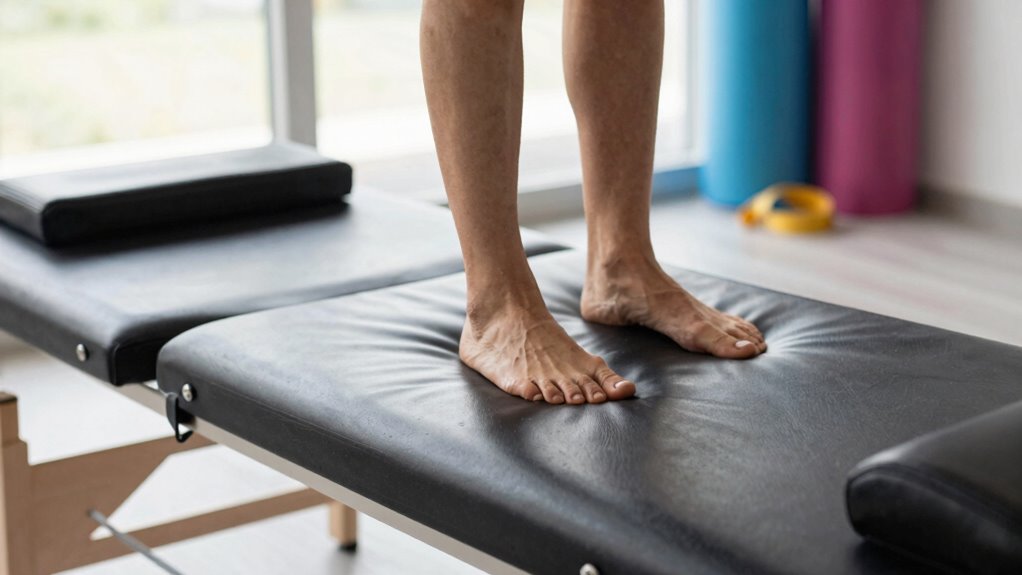
Inversion and stretching tools have become vital components of many recovery routines, helping you improve flexibility, reduce pain, and accelerate healing. These tools are especially effective because it targets specific areas of your body, making your recovery process more efficient. When you incorporate inversion tables or stretching devices into your routine, you’re actively working to enhance your spinal alignment and flexibility. Proper spinal alignment is essential because it ensures your bones, muscles, and nerves are in the correct position, reducing undue stress and discomfort. Over time, regular use of inversion and stretching tools can help realign your spine, alleviating pressure and improving posture, which ultimately leads to less pain and better overall function. Incorporating spinal health practices with these tools further supports long-term recovery and overall well-being.
Inversion and stretching tools enhance spinal alignment, flexibility, and recovery for lasting pain relief and improved posture.
Flexibility enhancement is another key benefit of using these tools. As you perform stretches with the aid of inversion devices, you gently elongate your muscles, tendons, and ligaments. This process not only increases your range of motion but also reduces muscle tightness, which is often a culprit behind chronic pain and injury. When you stretch properly, especially with the support of inversion, you activate your body’s natural ability to loosen up, making everyday movements easier and less painful. The combination of inversion and stretching encourages blood flow and nutrient delivery to your muscles and tissues, further supporting tissue repair and recovery. This is particularly beneficial if you’re recovering from an injury or dealing with chronic discomfort, as it accelerates healing and prevents future issues. Additionally, understanding muscle elasticity can help you optimize your stretching technique for better results. Engaging in proper technique ensures you maximize the benefits and reduce the risk of strain or injury during your routines. Incorporating body mechanics awareness can also improve your safety and effectiveness during stretching practices. Including mind-body connection techniques can further enhance your relaxation and focus during these routines, making them more effective.
Inversion tools, in particular, help decompress your spine by creating gentle traction. This decompression can relieve pressure on your nerve roots and discs, which often causes pain and numbness. As you hang or invert, gravity assists in elongating your spine, improving your posture and reducing stiffness. Meanwhile, stretching tools allow you to target specific muscle groups, ensuring you don’t neglect areas that may be tight or weak. When combined, these tools provide a holistic approach to improving your spinal health and flexibility, making your recovery more effective. You’ll notice a gradual decrease in pain and an increase in movement capacity, which motivates you to stay consistent with your routine.
Incorporating inversion and stretching tools into your recovery routine isn’t just about immediate relief; it’s about creating lasting improvements. By focusing on spinal alignment and flexibility enhancement, you set yourself up for a healthier, more active life. These tools are safe, versatile, and adaptable to your specific needs, making them valuable additions to your recovery arsenal. With patience and regular use, you’ll experience better posture, reduced pain, and a stronger, more flexible body, all of which contribute to faster healing and long-term wellness.
inversion table for back pain relief
As an affiliate, we earn on qualifying purchases.
As an affiliate, we earn on qualifying purchases.
Frequently Asked Questions
Are Inversion and Stretching Tools Suitable for All Injury Types?
Inversion and stretching tools aren’t suitable for all injury types. You should consult your healthcare provider before incorporating them into your recovery routine, especially for serious or acute injuries. These tools can be part of alternative therapies for pain management, but they may worsen certain conditions like herniated discs or ligament tears. Always prioritize professional advice to guarantee safe, effective recovery tailored to your specific injury.
How Often Should I Incorporate These Tools Into My Routine?
You should incorporate inversion and stretching tools into your routine based on your recovery timelines and personalized needs. Typically, use them 3-5 times a week, but always listen to your body and consult your healthcare provider. Consistency helps improve flexibility and relief, but overusing can cause setbacks. Adjust the frequency as you progress, ensuring each session supports your recovery without causing discomfort or delay.
Can Beginners Use Inversion and Stretching Tools Safely?
Yes, beginners can use inversion and stretching tools safely if they follow proper procedures. Make certain to check equipment for maintenance issues before use and start slowly to guarantee user comfort. Always listen to your body and avoid overstretching or inversion if you feel discomfort. Consulting with a fitness professional or healthcare provider can also help you learn safe techniques, making your routine both effective and safe.
What Are Potential Risks of Improper Use?
Imagine stretching a rubber band too far—that’s how improper use can lead to risks. You might suffer overuse injuries, causing pain or damage from excessive inversion or stretching. Additionally, you could develop psychological dependence, feeling unable to relax or recover without these tools. To avoid these dangers, always follow guidelines, listen to your body, and consult a professional if you experience discomfort or uncertainty during your routine.
Do These Tools Replace Traditional Physical Therapy?
Inversion and stretching tools don’t replace traditional physical therapy; instead, they serve as alternative therapies within a holistic approach. You might use these tools to complement your rehab, but it’s essential to follow professional guidance. They can enhance flexibility and relief, yet they shouldn’t substitute personalized treatment plans from healthcare providers. Always consult your therapist to guarantee these tools fit your specific recovery needs safely.
stretching and inversion recovery tools
As an affiliate, we earn on qualifying purchases.
As an affiliate, we earn on qualifying purchases.
Conclusion
Inversion and stretching tools act as gentle anchors, guiding you through the stormy seas of recovery. By incorporating these tools into your routine, you’re not just stretching your muscles—you’re opening the door to renewed strength and resilience. Embrace them as allies in your journey, turning struggles into stepping stones. Remember, progress may be slow, but each stretch brings you closer to calmer waters. Keep going—your healing voyage is worth every effort.
spinal decompression inversion device
As an affiliate, we earn on qualifying purchases.
As an affiliate, we earn on qualifying purchases.
posture correction inversion equipment
As an affiliate, we earn on qualifying purchases.
As an affiliate, we earn on qualifying purchases.
Fall yard work Picks
leaf blowers
As an affiliate, we earn on qualifying purchases.