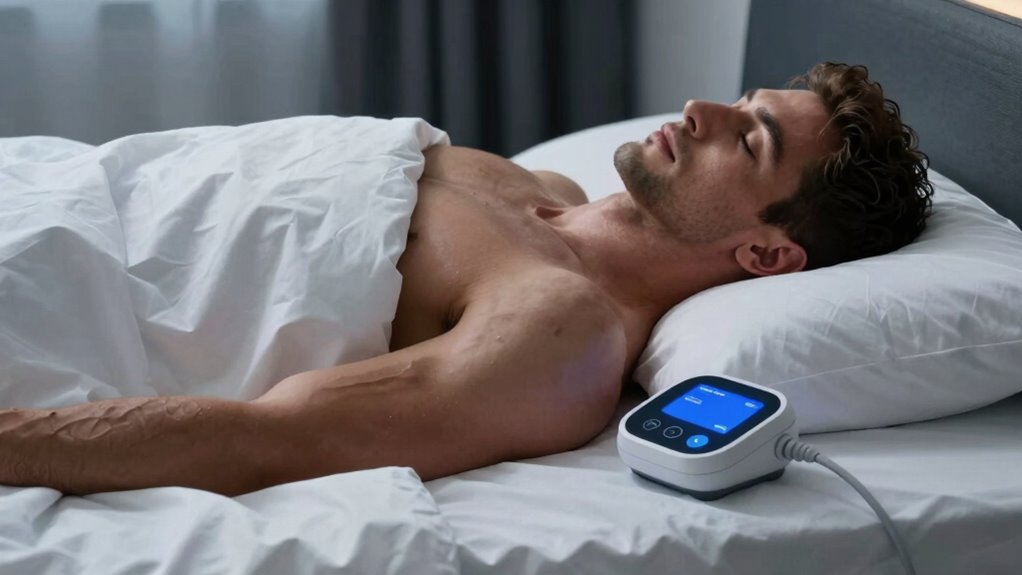

You see, athletes recognize that recovery tools like foam rollers and compression gear work best when paired with quality sleep. Sleep boosts muscle repair, reduces inflammation, and clears mental fatigue, making these tools more effective. Without adequate rest, their benefits diminish. By prioritizing sleep, you enhance both physical healing and mental clarity. Keep exploring, and you’ll discover how integrating sleep strategies can take your recovery to the next level.

Get health and wellness essentials delivered free — and shop member deals
- Fast, free delivery on millions of items
- Access to Prime Big Deal Days deals on October 6–7
- Prime Video, Amazon Music and more included
Key Takeaways
- Sleep enhances the effectiveness of recovery tools by supporting muscle repair and reducing inflammation.
- Recovery tools work synergistically with sleep to accelerate healing and mental relaxation.
- Better sleep quality amplifies the benefits of recovery interventions for physical and mental recovery.
- Prioritizing sleep optimizes overall athletic performance and recovery outcomes.
- Viewing recovery through a sleep lens encourages a holistic approach for faster, more efficient progress.
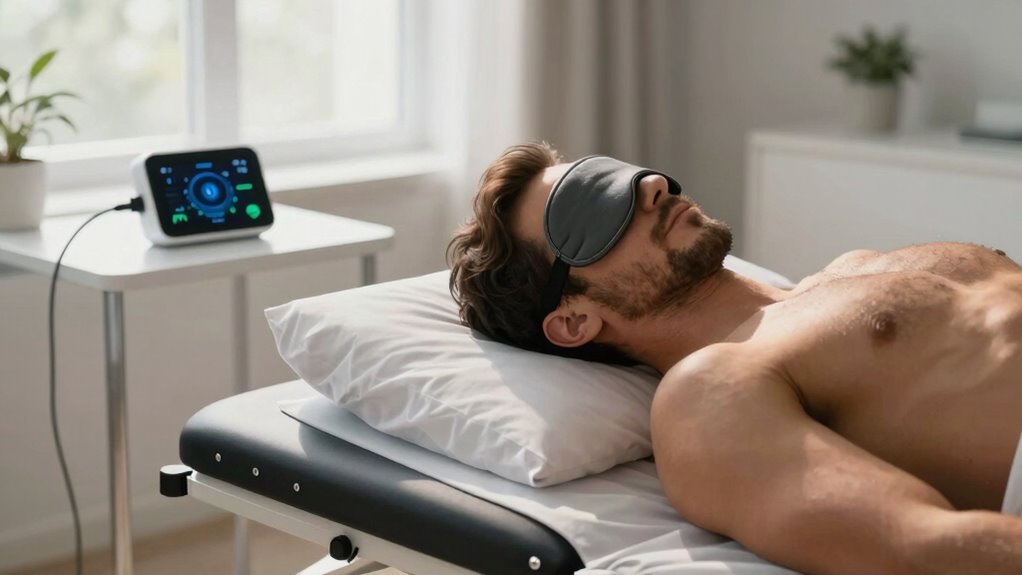
Recovery is fundamental for athletes to perform at their best, and combining effective recovery tools with quality sleep can considerably boost your performance and overall health. When you think about recovery, it’s easy to focus solely on physical tools like foam rollers, massage guns, or compression gear. But, you shouldn’t overlook the importance of sleep in this process. Sleep acts as your body’s natural recovery system, supporting muscle repair and mental relaxation, both of which are essential for sustained athletic performance.
Muscle repair is a key aspect of recovery, and sleep plays an indispensable role in this process. During deep sleep stages, your body produces growth hormone, which helps repair damaged tissues and rebuild muscle fibers. When you get enough quality sleep, you give your muscles the best chance to recover from intense training sessions. Recovery tools like cold therapy or compression gear work in tandem with sleep by reducing inflammation and promoting blood flow, speeding up muscle repair. But without sufficient sleep, these recovery efforts don’t reach their full potential. Sleep guarantees your body can effectively utilize the benefits of your recovery tools, making each session more productive. Additionally, sleep quality can be influenced by factors such as environment, routines, and stress levels, highlighting the importance of a comprehensive approach. Recognizing the role of sleep in athletic recovery emphasizes that sleep hygiene should be a priority for performance optimization. Improving your sleep environment can further enhance the restorative effects of your sleep, complementing your recovery routines.
Quality sleep enhances muscle repair and maximizes the benefits of recovery tools like cold therapy and compression gear.
Mental relaxation is equally important. High-level athletes know that mental fatigue can impair focus, decision-making, and overall performance. Sleep helps calm your mind, clear mental clutter, and restore emotional balance. Using recovery tools such as massage guns or guided relaxation techniques before sleep can prepare your mind for rest, easing stress and reducing anxiety. When your mind relaxes, you fall asleep faster and experience deeper, more restorative sleep cycles. This mental relaxation not only improves your sleep quality but also enhances your overall recovery, ensuring you wake up feeling refreshed, focused, and ready to tackle your next workout. Recognizing the connection between sleep and recovery highlights the importance of integrating sleep strategies into your routine for optimal results. Moreover, adequate rest is essential for consolidating the physical and mental benefits gained from recovery practices. Prioritizing sleep also supports your immune system, which can be compromised after intense training sessions.
Viewing recovery tools through a sleep lens emphasizes a holistic approach. It’s not just about the physical tools you use but about how they complement your sleep patterns. You’ll find that when your sleep quality improves, the benefits of your recovery tools become more pronounced. Better sleep amplifies muscle repair, accelerates healing, and enhances mental clarity. It’s a cycle: effective recovery tools support better sleep, and better sleep makes your recovery tools more effective. Recognizing this connection allows you to optimize your routine, guaranteeing that every aspect of recovery works together seamlessly for peak performance. Ultimately, prioritizing sleep alongside your recovery tools can make a tangible difference in your athletic journey.
As an affiliate, we earn on qualifying purchases.
Frequently Asked Questions
How Does Sleep Quality Directly Impact Athletic Performance?
Your sleep quality directly impacts athletic performance because it affects your sleep cycles and dream stages, which are essential for recovery. When you get enough deep and REM sleep, your body repairs muscles, consolidates memory, and restores energy. Poor sleep disrupts these cycles, leading to reduced strength, slower reaction times, and increased injury risk. Prioritizing quality sleep guarantees you perform at your best, both physically and mentally.
Can Recovery Tools Replace the Need for Adequate Sleep?
Recovery tools can’t replace adequate sleep, but they can complement it. Prioritizing sleep hygiene and mental relaxation helps you get restorative rest, which is essential for performance. Recovery tools like massage devices or cold therapy support your body’s healing, but they shouldn’t be substitutes. You need consistent, quality sleep to truly optimize your performance, with recovery tools enhancing your overall recovery strategy.
What Are the Signs of Poor Sleep Affecting Athletic Recovery?
When your body’s clock is off, it’s like a car running low on fuel. Sleep deprivation and rest deprivation cause signs like persistent fatigue, slow recovery, and decreased performance. You might notice mood swings, difficulty concentrating, or increased injury risk. These symptoms show poor sleep’s toll on your athletic recovery, making it clear that without enough rest, your body struggles to repair and recharge properly.
Are There Specific Recovery Tools Tailored for Different Sports?
Yes, there are sport-specific devices designed to optimize recovery tailored to your athletic needs. Personalized protocols help you target particular muscles and recovery goals, making your regimen more effective. For example, runners might use compression gear, while swimmers benefit from hydrotherapy tools. These sport-specific devices guarantee you get the right recovery support, helping you bounce back faster and perform at your best.
How Long Should Athletes Use Recovery Tools for Optimal Results?
You should use recovery tools for about 20 to 30 minutes per session, balancing tech integration with your personalized routines. Shorter sessions prevent overuse, while longer ones can boost recovery. The key is consistency, aligning sessions with your training schedule. Focus on quality over quantity, listening to your body. This rhythm helps maximize benefits, ensuring your recovery is effective, without interfering with sleep or daily performance.
As an affiliate, we earn on qualifying purchases.
Conclusion
Think of recovery tools as your trusty lighthouse guiding you through the stormy seas of training. Just as a lighthouse guarantees ships stay safe and on course, proper sleep and recovery tools keep your body balanced and ready for the next adventure. Ignoring this beacon risks drifting off course, leading to fatigue or injury. Embrace these tools and sleep as your guiding stars—illuminating your path to peak performance and lasting resilience.
As an affiliate, we earn on qualifying purchases.
massage gun for muscle relaxation
As an affiliate, we earn on qualifying purchases.
As an affiliate, we earn on qualifying purchases.
Fall Picks
fall essentials
As an affiliate, we earn on qualifying purchases.