
Better sleep tech can truly help you lose weight by improving sleep quality and regulating hormones that control hunger and metabolism. When you get enough restorative rest, your body produces more leptin and less ghrelin, which helps curb cravings and prevents overeating. It also enhances insulin sensitivity, supporting blood sugar control. If you want to understand how to optimize your sleep for weight management, there’s more to discover about these innovative solutions and their benefits.
Open a free Amazon Business account
Business pricing, bulk buying and tax-exempt orders.
As an affiliate, we earn on qualifying purchases.
Key Takeaways
- Sleep deprivation disrupts hunger hormones like leptin and ghrelin, increasing cravings and overeating, which can hinder weight loss.
- Better sleep technology tracks sleep quality, helping individuals identify and improve habits that support hormonal balance and weight management.
- Optimizing sleep with advanced tech can restore insulin sensitivity, regulate blood sugar, and reduce fat storage.
- Sleep tech provides personalized insights and environment adjustments that promote consistent sleep patterns, crucial for weight control.
- Improved sleep hygiene through technology reduces late-night cravings and fatigue, supporting healthier eating and activity levels.
As an affiliate, we earn on qualifying purchases.
How Sleep Affects Your Hunger and Appetite
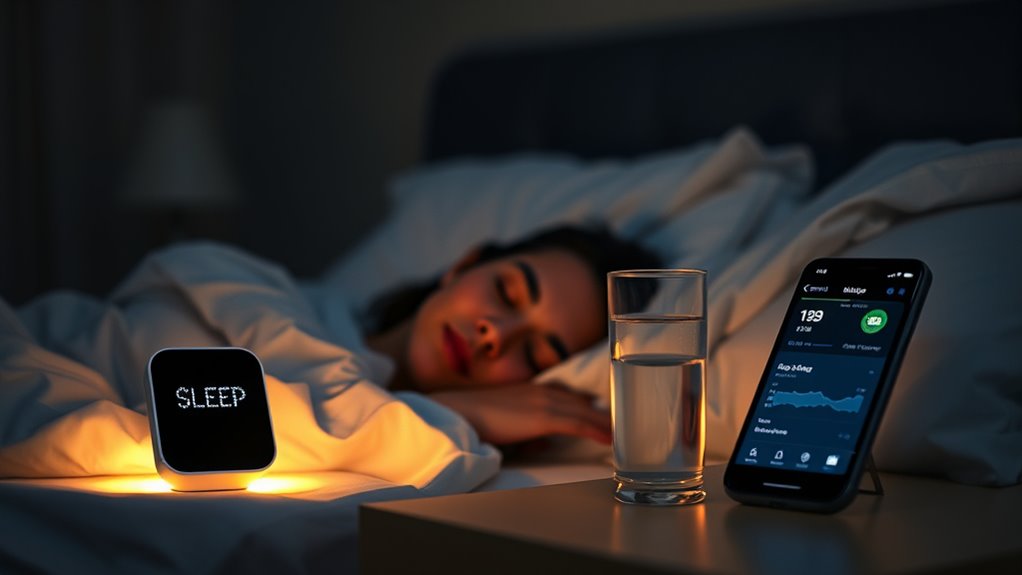
When you don’t get enough sleep, your hunger hormones can go into overdrive, making you feel hungrier than usual. Dream deprivation and sleep deprivation disrupt the balance of leptin and ghrelin, hormones that regulate appetite. Without enough rest, leptin levels drop, signaling your brain that you’re hungry, while ghrelin increases, amplifying that hunger signal. As a result, you’re more likely to crave high-calorie, carbohydrate-rich foods. Sleep deprivation also impairs your ability to make healthy choices, leading to overeating. When you’re tired, your self-control weakens, and your body seeks quick energy sources. This hormonal imbalance pushes you toward increased food intake, which can contribute to weight gain over time. Incorporating color accuracy improvements in sleep tech may help optimize your sleep quality and hormonal balance. Advances in sleep monitoring technology can provide personalized insights to help reinforce healthy sleep habits. Improving sleep environment and minimizing disturbances can further enhance sleep quality, supporting hormonal regulation. Additionally, understanding the impact of light exposure on sleep patterns can help in designing better sleep routines that promote hormonal balance and appetite regulation. Enhancing sleep hygiene practices can further support the regulation of hunger hormones and overall health. Prioritizing quality sleep helps regulate these hunger signals and supports healthier eating habits.
smart sleep monitor with hormonal insights
As an affiliate, we earn on qualifying purchases.
As an affiliate, we earn on qualifying purchases.
The Metabolic Link Between Sleep and Weight

Your sleep habits directly influence your hormones, affecting how your body regulates hunger and fullness. When you don’t sleep enough, blood sugar levels can become unstable, making it harder to control cravings. Understanding these metabolic mechanisms helps you see why quality sleep is essential for maintaining a healthy weight. Incorporating good sleep hygiene can further enhance your metabolic health and weight management efforts. Additionally, research indicates that sleep position can impact sleep quality and, consequently, hormonal balance related to weight. Proper sleep positions may also influence breathing quality, which is linked to overall sleep health and metabolic regulation. Optimizing sleep posture with advanced sleep tech can support better breathing and improve sleep quality, further aiding in weight management. Given the influence of sleep on blood sugar regulation, it is also beneficial to consider personalized sleep strategies to tailor your habits for optimal metabolic function.
Sleep’s Effect on Hormones
Sleep directly influences key hormones that regulate hunger and metabolism, making it a crucial factor in weight management. During your sleep cycle, your body performs essential functions like dream analysis, which impacts hormone production. Poor sleep disrupts this process, leading to hormonal imbalances. Here’s how sleep affects hormones:
- Leptin levels decrease, increasing appetite and cravings.
- Ghrelin levels rise, signaling hunger even when you’re full.
- Cortisol, the stress hormone, spikes, promoting fat storage.
- Insulin sensitivity diminishes, affecting how your body processes sugar.
- Sleep quality influences the overall balance of these hormones, highlighting the importance of good sleep hygiene. Additionally, understanding the lease terms and potential costs associated with sleep-related health issues can help you make informed decisions about your overall wellness. Being aware of natural sleep aids can also support better sleep patterns and hormonal health. Incorporating smart sleep technology can further optimize your sleep environment and hormone regulation. Recognizing how sleep duration impacts these hormonal changes can help you develop more effective sleep routines.
Impact on Blood Sugar
Poor sleep disrupts how your body manages blood sugar levels, which can directly influence weight gain. When you don’t sleep well, your blood sugar regulation suffers, making it harder for your body to process glucose efficiently. This reduced insulin sensitivity can lead to higher blood sugar levels, increasing fat storage and hunger. Over time, poor sleep worsens this cycle, heightening your risk of insulin resistance and weight gain. Here’s a quick overview:
| Effect of Poor Sleep | Impact on Blood Sugar |
|---|---|
| Decreased insulin sensitivity | Less efficient blood sugar regulation |
| Increased hunger | Higher blood sugar levels |
| Fat accumulation | Risk of insulin resistance |
| Weight gain | Disrupted metabolic health |
Prioritizing quality sleep helps maintain proper blood sugar control and supports weight management. Additionally, sleep technology advancements can aid in tracking and improving sleep quality, further promoting metabolic health. Regular use of these tools can optimize sleep patterns and help prevent the negative effects of sleep deprivation on blood sugar. Incorporating personalized sleep strategies based on individual data can further enhance blood sugar regulation and weight management efforts.
Appetite Regulation Mechanisms
Ever wonder how sleep influences your appetite? It all comes down to your sleep cycle and how it impacts hunger hormones. Poor sleep can disrupt dream enhancement and throw off your natural balance. Here’s how it affects appetite regulation:
- Sleep deprivation increases ghrelin, the hunger hormone, making you feel hungrier.
- It decreases leptin, the hormone that signals fullness.
- Sleep disturbances alter your sleep cycle, reducing restful sleep and impairing decision-making about food.
- These hormonal shifts lead to cravings for high-calorie, carbohydrate-rich foods, sabotaging weight loss efforts.
- Additionally, air quality in your environment can influence sleep quality, further affecting hormonal regulation and weight management.
- Maintaining good sleep hygiene can help stabilize these hormones and support healthier eating patterns.
- Improving sleep quality through appropriate tech devices can enhance overall hormone regulation, making weight management more effective.
- Consistent sleep patterns also promote better metabolic health, which is crucial for weight control.
Furthermore, optimizing the sleep environment by controlling light exposure can significantly improve sleep quality and hormone balance.
Understanding these mechanisms highlights how quality sleep supports appetite regulation. When you optimize your sleep cycle, you help keep hormones in check, making healthier choices easier and aiding weight management.
sleep environment optimization devices
As an affiliate, we earn on qualifying purchases.
As an affiliate, we earn on qualifying purchases.
Common Sleep Disruptors That Contribute to Weight Gain

Your sleep habits play a big role in your weight, and certain disruptors can make it harder to stay healthy. Irregular schedules, too much screen time before bed, and a poor sleep environment all interfere with restful sleep. Recognizing these factors is the first step to improving both your sleep and your weight management.
Irregular Sleep Schedules
Irregular sleep schedules can profoundly disrupt your body’s natural rhythms, making it harder to maintain a healthy weight. When your sleep routines lack consistency, your body struggles to regulate hormones that control hunger and metabolism. This imbalance can lead to increased cravings and overeating. To avoid this, focus on maintaining bedtime consistency. Disruptions such as:
- Going to bed at different times each night
- Sleeping in on weekends to make up for weekday sleep debt
- Frequently changing your sleep environment
- Skipping or delaying sleep due to busy schedules
can throw off your circadian rhythm. These habits interfere with your body’s internal clock, making it difficult to feel rested and regulate appetite properly. Prioritize regular sleep routines to support weight management and overall health.
Excessive Screen Time
Excessive screen time before bed can considerably disrupt your sleep patterns, making it harder for your body to rest and recover. The blue light emitted by screens suppresses melatonin, a hormone essential for sleep, which can delay your bedtime and reduce sleep quality. Poor sleep hygiene caused by scrolling late into the night often leads to shorter sleep durations and increased fatigue. This fatigue can contribute to weight gain by reducing your motivation for physical activity and increasing cravings for high-calorie foods. To improve your sleep hygiene, establish a consistent bedtime routine that avoids screens at least an hour before bed. Limiting screen time helps your body wind down naturally, supporting better sleep and, ultimately, aiding your weight management efforts.
Poor Sleep Environment
A poor sleep environment can substantially disrupt your rest and contribute to weight gain. Your bedroom environment plays a vital role in sleep hygiene, influencing how well you sleep and how you manage weight. Consider these common disruptors:
- Excessive noise, like traffic or loud neighbors, causes frequent awakenings.
- Bright lights from screens or streetlamps interfere with melatonin production.
- Uncomfortable bedding or a too-warm room hinder deep sleep cycles.
- Cluttered or untidy spaces create stress, making it harder to unwind.
Improving your bedroom environment fosters better sleep hygiene, which supports healthy weight management. Eliminating these disruptors helps you fall asleep faster and stay asleep longer, reducing the risk of weight gain linked to poor sleep quality.
As an affiliate, we earn on qualifying purchases.
How Sleep Tracking Devices Can Improve Sleep Quality
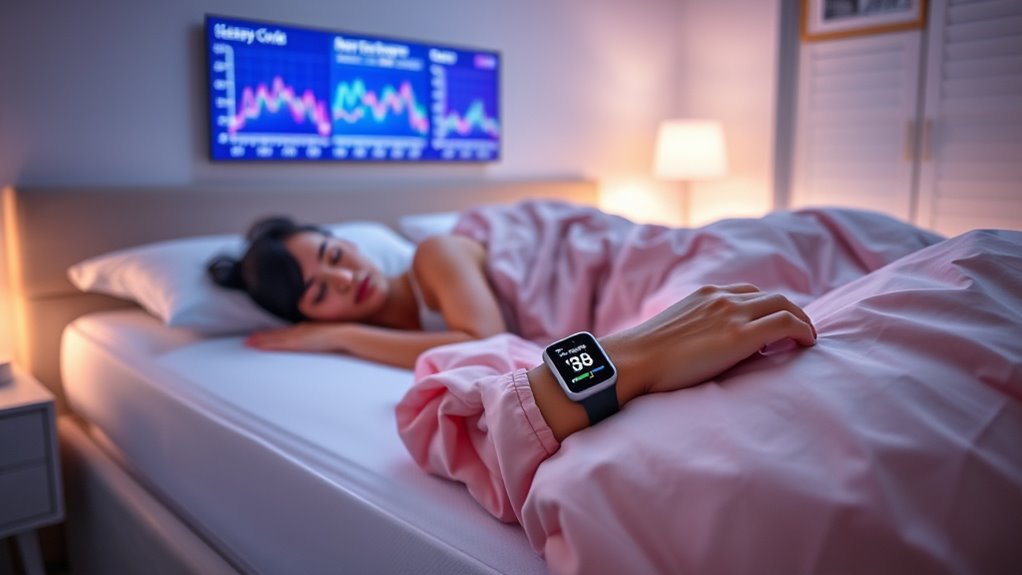
Sleep tracking devices can considerably enhance your sleep quality by providing detailed insights into your sleep patterns. They monitor factors like sleep duration, disruptions, and REM cycles, helping you identify habits that hinder rest. With these devices, you can improve sleep quality and even explore dream analysis to understand subconscious signals. Using the data, you can make targeted adjustments to your bedtime routine and environment for better rest. Here’s a quick overview of what they offer:
| Feature | Benefit |
|---|---|
| Sleep Pattern Tracking | Spot irregularities and optimize sleep cycles |
| Dream Analysis | Gain insights into subconscious thoughts |
| Sleep Environment Suggestions | Adjust settings for better rest |
This personalized approach helps you sleep more soundly and supports your weight management goals.
Evidence Supporting Sleep Tech as a Weight Loss Aid

Research shows that using sleep tracking devices can directly support weight loss efforts. These devices provide insights that encourage better sleep hygiene and help you understand your habits. For example, they can assist with:
- Monitoring sleep duration and quality, ensuring you get enough restful sleep.
- Encouraging dream journaling to identify stressors or patterns affecting sleep.
- Highlighting irregular sleep patterns that may hinder weight management.
- Offering tips to improve sleep hygiene, such as consistent bedtimes and reducing screen time.
When you track your sleep data, you become more aware of how your sleep impacts your weight. Better sleep habits, supported by tech insights, can lead to more effective weight loss efforts over time.
Tips for Using Sleep Data to Enhance Your Weight Management
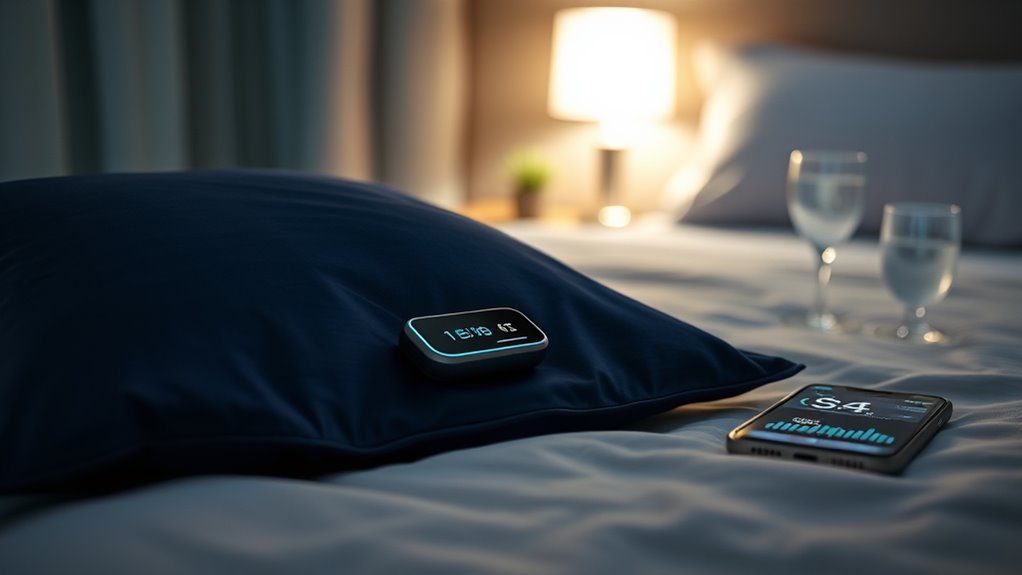
To effectively use your sleep data for weight management, start by setting clear, achievable goals based on your tracked patterns. Analyze your sleep duration and quality to identify areas for improvement. Prioritize good sleep hygiene by maintaining consistent sleep and wake times, even on weekends. Establish relaxing bedtime routines—such as reading or gentle stretches—that signal your body it’s time to wind down. Use your sleep data to monitor how these routines impact your rest and adjust as needed. Better sleep hygiene can lead to more restorative sleep, which supports healthy weight management. By aligning your sleep habits with your weight goals, you create a sustainable cycle that promotes both restful nights and a healthier body.
Future Trends in Sleep Technology and Weight Control

Advancements in sleep technology are opening new possibilities for personalized weight management strategies. In the future, you’ll likely see innovations like:
- Wearables that track sleep stages, sleep deprivation levels, and even stress, helping you understand how these factors influence weight.
- Smart mattresses that adjust firmness and temperature to optimize sleep quality.
- Dream analysis tools that interpret sleep patterns and emotional states linked to sleep deprivation, offering insights into emotional eating.
- AI-driven apps that suggest tailored interventions to improve sleep habits and curb unhealthy eating behaviors. These technologies could help you identify sleep deprivation early and address underlying issues, supporting your weight loss journey with precision and personalized care.
Frequently Asked Questions
Can Improving Sleep Hygiene Alone Lead to Significant Weight Loss?
Improving your sleep hygiene alone can support weight loss, but it’s not a guaranteed solution. Good sleep hygiene helps regulate your hormones, curb cravings, and boost your metabolism, making weight loss easier. Combine this with effective weight loss techniques like healthy eating and regular exercise for better results. Prioritizing quality sleep creates a strong foundation, but sustainable weight loss requires a holistic approach that includes lifestyle changes beyond sleep alone.
Are There Specific Sleep Patterns Linked to Healthier Weight Management?
You’re more likely to maintain a healthier weight if you focus on consistent sleep cycles and REM patterns. Regular sleep cycles, with enough deep and REM sleep, help regulate hormones that control hunger and metabolism. Aim for a routine that supports these patterns, avoiding irregular sleep hours. Sleep tech can assist by tracking your sleep cycle and REM phases, guiding you to optimize your sleep for better weight management.
How Does Sleep Quality Affect Emotional Eating and Cravings?
Sleep quality is like a master key that unfastens your emotional triggers and craving management. When you sleep poorly, your emotions run wild, making you more prone to emotional eating. Better sleep tech helps improve rest, directly reducing cravings and emotional triggers. You’ll find it easier to resist temptations, stay on track, and feel more in control, turning sleep into your secret weapon against unhealthy eating habits.
Are Certain Sleep Tracking Features More Effective for Weight Loss?
Yes, certain sleep tracking features are more effective for weight loss. Look for devices that monitor your sleep cycle and sleep duration closely. These features help you understand your sleep patterns, identify disruptions, and improve overall quality. By optimizing your sleep cycle and ensuring sufficient sleep duration, you can better regulate hunger hormones, reduce cravings, and support your weight loss goals. Consistent tracking keeps you motivated and informed.
What Role Do Sleep Supplements Play in Supporting Weight Management Goals?
Think of sleep supplements as gentle guides guiding your body through the night’s journey. Their supplement efficacy varies, but natural remedies like melatonin or magnesium can promote restful sleep, aiding weight management. By enhancing sleep quality, these supplements support your body’s natural rhythms, making it easier to resist late-night cravings and maintain a healthy weight. Always check with a healthcare professional to ensure they’re suitable for you.
Conclusion
By improving your sleep with the right tech, you can better regulate your hunger and boost your metabolism. Did you know that just one extra hour of quality sleep can reduce your risk of weight gain by up to 55%? Using sleep tracking devices helps you identify disruptions and make smarter choices. As technology advances, better sleep habits could become your secret weapon in achieving and maintaining a healthy weight.
NFL season / tailgating Picks
team gear
As an affiliate, we earn on qualifying purchases.