
If you’re wondering whether you snore or have sleep apnea, pay attention to signs like loud snoring, choking, gasping, or pauses in breathing. Using apps, wearables, or bedside devices, you can monitor your sleep patterns, breathing, and movements at home. These tools help identify irregularities that may need medical evaluation. Keep exploring to discover how technology can help you understand and address your sleep issues effectively.

Get health and wellness essentials delivered free — and shop member deals
- Fast, free delivery on millions of items
- Access to Prime Big Deal Days deals on October 6–7
- Prime Video, Amazon Music and more included
Key Takeaways
- Loud, persistent snoring with choking or gasping suggests sleep apnea, whereas regular snoring is often benign.
- Nocturnal movements, pauses, or gasping detected via smartphone apps or wearables can indicate sleep breathing issues.
- Sleep studies provide definitive diagnosis by monitoring breathing, oxygen, and brain activity overnight.
- Wearable devices track sleep quality, breathing patterns, and irregularities to support early detection of sleep apnea.
- Always consult a healthcare professional for persistent symptoms, as tech tools aid but do not replace medical diagnosis.
As an affiliate, we earn on qualifying purchases.
Recognizing the Signs and Symptoms of Snoring and Sleep Apnea
Many people don’t realize they have sleep apnea or loud snoring until someone else points it out. Your sleep posture plays a significant role in these issues; sleeping on your back can worsen snoring and obstructive sleep apnea. Pay attention to nocturnal movements—restless tossing and turning might indicate breathing disruptions or discomfort. If you notice frequent pauses in breathing or gasping during sleep, it’s a warning sign. Snoring often involves loud, consistent sounds caused by airway vibrations, while sleep apnea includes pauses and choking sensations. Your body’s position and restless movements can reveal underlying problems. Recognizing these signs early helps you understand whether your sleep issues are benign or require medical attention, making it easier to find effective solutions. Modern sleep monitoring technology can provide valuable insights into sleep quality and breathing patterns, which can help identify sleep disorders, and assist in early detection and management. Additionally, understanding the role of sleep position can help you make behavioral changes to reduce symptoms. For example, some sleep position adjustments may alleviate airway obstruction and improve breathing during sleep.
Furthermore, being aware of sleep posture effects can guide you in adopting habits that promote better airflow and reduce the risk of developing or worsening sleep-related breathing issues.
As an affiliate, we earn on qualifying purchases.
How to Differentiate Between Snoring and Sleep Apnea at Home
Wondering how to tell if your snoring is harmless or a sign of sleep apnea? Start by paying attention to your snoring sound analysis—listen for irregular pauses, gasps, or choking sounds during sleep. Sleep position awareness also helps; sleeping on your back often worsens sleep apnea symptoms, while side sleeping can reduce them. Use a smartphone app or a recording device to monitor your sleep patterns and note any breathing interruptions or irregularities. If your snoring is loud, persistent, or accompanied by choking, gasping, or moments of silence followed by loud snoring, these could be signs of sleep apnea. Tracking your sleep habits at home can give you valuable clues, but consulting a healthcare professional is essential for an accurate diagnosis. Additionally, understanding air purifier maintenance can help improve your sleep environment by reducing indoor pollutants that may aggravate breathing issues. Incorporating connected fitness devices can also provide real-time data on your breathing patterns and sleep quality, supporting early detection and intervention. Recognizing sleep-disordered breathing patterns is crucial for early intervention and better health outcomes, especially when combined with monitoring breathing irregularities through reliable technology. Regularly assessing air quality in your sleep environment is another important step in promoting better breathing during rest.
As an affiliate, we earn on qualifying purchases.
The Role of Sleep Studies in Diagnosing Sleep Disorders

While at-home observations can provide helpful clues, confirming a sleep disorder like sleep apnea requires more detailed assessment. Sleep studies are essential for this, involving sleep study procedures that monitor your breathing, oxygen levels, heart rate, and brain activity overnight. These tests help gather data to determine whether your symptoms meet the diagnostic criteria for sleep apnea or other sleep disorders. During a sleep study, specialized equipment records your sleep patterns and breathing disruptions, giving healthcare providers clear evidence to diagnose accurately. This thorough approach ensures that your condition isn’t misdiagnosed or overlooked. Additionally, understanding sleep patterns through these studies can reveal underlying issues that might not be apparent from symptoms alone. They also provide insights into potential psychological factors that can influence sleep quality and disorders. Moreover, these studies can highlight the importance of contingency plans for managing unforeseen disruptions in treatment or diagnosis. Incorporating knowledge about self-sufficiency and preparedness can help individuals navigate unexpected challenges during treatment or recovery. Ultimately, sleep studies provide the objective data needed to develop an effective treatment plan and improve your overall sleep health, making them a crucial step in comprehensive sleep evaluation.
As an affiliate, we earn on qualifying purchases.
Wearable Devices That Monitor Sleep Patterns and Breathing
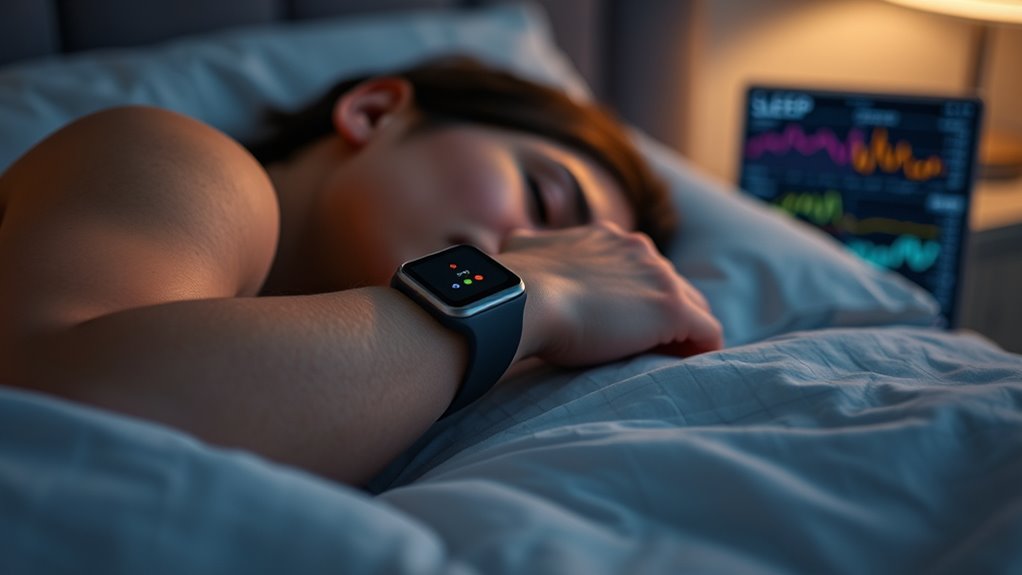
Wearable devices can help you keep an eye on your sleep quality and breathing patterns each night. They provide real-time data that reveals how well you’re resting and if your breathing is consistent. Using these tools, you can better understand potential issues and discuss them with your healthcare provider. Additionally, some devices can detect signs of Free Floating sleep disturbances, helping you identify underlying conditions like sleep apnea more effectively. These insights are grounded in evidence-backed guidance, enabling more informed decisions about your sleep health. Furthermore, many of these devices are designed with low light office plants in mind, ensuring they can operate accurately without disrupting your darkened sleep environment. Incorporating bedroom safety considerations can also enhance your overall sleep environment and comfort. Understanding sleep monitoring technology can help you choose the right device tailored to your needs, improving your overall sleep quality and health.
Sleep Quality Tracking
Have you ever considered how wearable devices can give you detailed insights into your sleep quality? These gadgets track your sleep patterns, breathing, and movement, helping you identify issues like poor sleep hygiene or disruptive bed placement. By monitoring factors such as sleep duration, restlessness, and breathing irregularities, they provide data to improve your sleep environment and habits. Use this information to optimize your sleep setup, from ideal bed placement to consistent routines. Here’s a quick overview:
| Feature | Benefits | Recommendations |
|---|---|---|
| Sleep duration | Ensures enough restorative sleep | Aim for 7-9 hours |
| Breathing patterns | Detects irregularities or apneas | Seek medical advice if needed |
| Restlessness levels | Identifies sleep disruptions | Adjust sleep environment |
| Sleep efficiency | Measures quality of sleep | Improve sleep hygiene |
These insights help you achieve better sleep quality and overall health.
Breathing Pattern Monitoring
Breathing pattern monitoring with wearable devices provides real-time insights into your respiratory health during sleep. These devices track your breathing pattern, revealing fluctuations and irregularities that may indicate sleep issues like apnea or shallow breathing. By measuring airflow, they detect pauses or reductions in airflow that signal disrupted breathing. With continuous airflow measurement, you can identify abnormal breathing patterns, helping you and your healthcare provider understand whether you’re experiencing normal sleep or potential issues. Wearables often sync with smartphone apps, giving you detailed reports and trends over multiple nights. This data allows you to recognize patterns that could signal sleep apnea or other breathing problems, empowering you to seek appropriate treatment. Ultimately, breathing pattern monitoring offers a straightforward, non-invasive way to assess your respiratory health while sleeping.
Smartphone Apps and Bedside Tech for Sleep Tracking
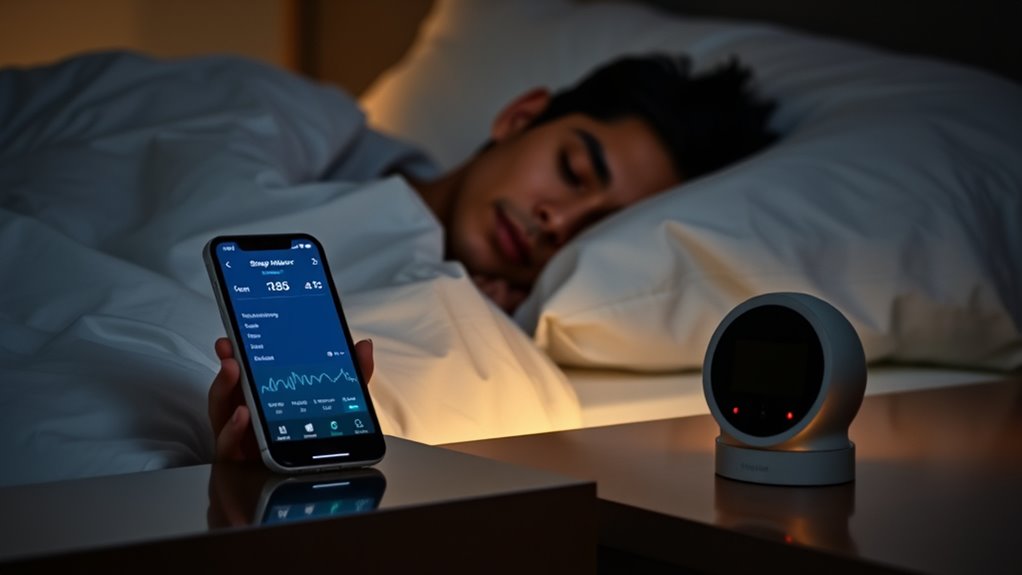
Smartphone apps and bedside devices can offer useful insights into your sleep, but their accuracy varies and has limits. You should consider the features they provide and how reliable the data really is. Also, think about how your sleep information is shared and protected to keep your privacy safe. Utilizing sleep tracking technology can help identify patterns and potential issues, but remember that these tools are most effective when used as part of a broader assessment. Incorporating glycolic acid into your skincare routine may enhance skin radiance and texture, which can contribute to a more refreshed appearance even when sleep quality is compromised. Additionally, understanding caregiver support options can help you navigate the challenges of managing sleep-related health concerns for your loved one. Being aware of the limitations of consumer sleep devices is important to interpret their data appropriately and avoid unnecessary concern.
App Accuracy and Limitations
While many smartphone apps and bedside devices promise to monitor your sleep, their accuracy can vary considerably. The reliability of these tools depends heavily on the algorithm accuracy used to interpret sleep data. Keep in mind that some apps may misinterpret movements or sounds, leading to false positives or negatives. Additionally, these apps often collect sensitive data, raising concerns about user privacy. Be cautious about what information you share and how it’s stored. To make informed choices, consider these factors:
- The robustness of the app’s algorithm accuracy
- Data security measures protecting your user privacy
- Limitations in detecting specific sleep disorders accurately
Ultimately, while convenient, these tools shouldn’t replace professional diagnosis, especially if sleep issues persist.
Bedside Device Features
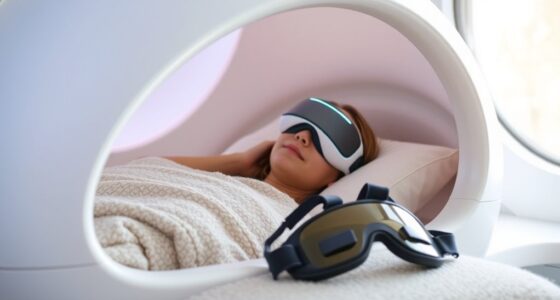
Have you considered how bedside devices and sleep tracking apps can help monitor your sleep patterns? Modern sleep tracking technology offers various bedside device features that provide valuable insights into your sleep quality. These devices often include sensors that detect movement, breathing, and sound, giving a thorough picture of your sleep cycles. Smartphone apps, when paired with compatible bedside gadgets, can track snoring, awakenings, and sleep duration with real-time data. Many devices also feature user-friendly interfaces, allowing you to review trends and identify potential issues like sleep fragmentation or irregular breathing. By utilizing these sleep tracking technologies, you gain a clearer understanding of your sleep habits. This knowledge can guide you toward making informed decisions or seeking medical advice if needed.
Data Sharing and Privacy
Many sleep tracking devices and apps collect sensitive data about your sleep patterns, raising important questions about how that information is shared and protected. Your sleep data can reveal personal health details, so understanding privacy concerns is vital. When using these technologies, consider:
- Who has access to your sleep data and how it’s stored
- Whether the app or device encrypts your information for security
- The company’s policies on sharing data with third parties or advertisers
Being aware of these factors helps you make informed decisions about your privacy. While these tools offer valuable insights, safeguarding your sleep data ensures your personal health information remains confidential. Always review privacy policies and control sharing settings to protect your sleep data from unwanted exposure.
Advances in Home Sleep Testing Technology

Recent advances in home sleep testing technology have revolutionized how sleep disorders like snoring and sleep apnea are diagnosed. These new tools allow you to perform accurate sleep disorder diagnosis from the comfort of your home, eliminating the need for overnight stays at a sleep clinic. Modern devices are compact, easy to use, and equipped with sensors that monitor breathing, oxygen levels, heart rate, and movement. They provide detailed data that healthcare providers analyze to identify sleep disruptions accurately. This progress makes sleep testing more accessible and convenient, helping you get timely insights into your sleep health. As a result, you can move quickly toward appropriate treatment without the hassle and expense of traditional in-lab testing.
Choosing the Right Solution for Your Sleep Concerns
Choosing the right solution for your sleep concerns involves understanding your specific symptoms and needs. Improving sleep hygiene is essential, such as maintaining a consistent sleep schedule, avoiding screens before bed, and creating a comfortable sleeping environment. Lifestyle modifications can also make a significant difference, including weight management, quitting smoking, and limiting alcohol intake. To determine the best approach, consider:
Identify your sleep issues and adopt habits like consistent schedules and healthy lifestyle choices for better rest.
- Identifying whether your issues stem from habitual habits or underlying health conditions
- Combining behavioral changes with medical interventions if needed
- Consulting a healthcare professional for tailored recommendations
Frequently Asked Questions
What Are the Risks of Untreated Sleep Apnea Versus Snoring?
If you leave sleep apnea untreated, you risk serious health issues like high blood pressure, heart disease, and stroke. Long-term effects include daytime fatigue, impaired concentration, and increased accident risk. Snoring alone may seem harmless, but it can signal underlying problems. Addressing sleep apnea early with tech solutions like CPAP machines or sleep monitors can reduce these health risks and improve your overall well-being.
Can Lifestyle Changes Effectively Reduce Snoring or Sleep Apnea Symptoms?
Yes, lifestyle modifications and behavioral therapy can markedly reduce your snoring and sleep apnea symptoms. You might consider losing weight, avoiding alcohol before bed, or sleeping on your side. Regular exercise, good sleep hygiene, and quitting smoking also help. These changes can improve airflow and reduce airway obstruction, making your sleep quieter and healthier. However, for persistent issues, consult a healthcare professional for personalized treatment options.
Are There Natural Remedies to Improve Sleep Quality Related to These Conditions?
Think of herbal supplements and sleep hygiene as your night’s best friends, gently guiding you to better sleep. You might try herbal remedies like valerian or melatonin, which can help relax your mind. Coupled with good sleep hygiene—regular sleep schedules, limiting screen time—these natural remedies can improve sleep quality. Remember, consistency is key, and always check with your healthcare provider before starting new supplements.
How Accurate Are Consumer Sleep Devices Compared to Clinical Diagnoses?
Consumer sleep devices vary in accuracy, but generally, their diagnostic reliability isn’t as high as clinical sleep studies. You might get useful trends and insights, yet they can miss subtle signs of sleep disorders. Use these devices as a helpful starting point, but for precise diagnosis and treatment, consult a healthcare professional. Remember, while convenient, they shouldn’t replace professional assessments when serious sleep issues are suspected.
When Should I Consult a Healthcare Professional About My Sleep Issues?
You should consult a healthcare professional if your sleep issues persist despite using tech devices or if you experience symptoms like loud snoring, choking, or excessive daytime fatigue. A sleep study can provide detailed insights, and a medical consultation is vital for diagnosis and treatment options. Don’t ignore ongoing sleep problems—getting expert advice ensures you address potential sleep disorders effectively and improve your overall health and well-being.
Conclusion
Imagine waking up refreshed, breathing freely, and feeling energized all day. By recognizing the signs, using the right tech, and possibly trying a sleep study, you can uncover what’s truly happening during your nights. Don’t let restless sleep or loud snoring steal your peace. With the right tools and awareness, you can reclaim restful nights and brighter mornings. Take charge of your sleep health today—your best rest is just a device or test away.
Fall Picks
fall essentials
As an affiliate, we earn on qualifying purchases.