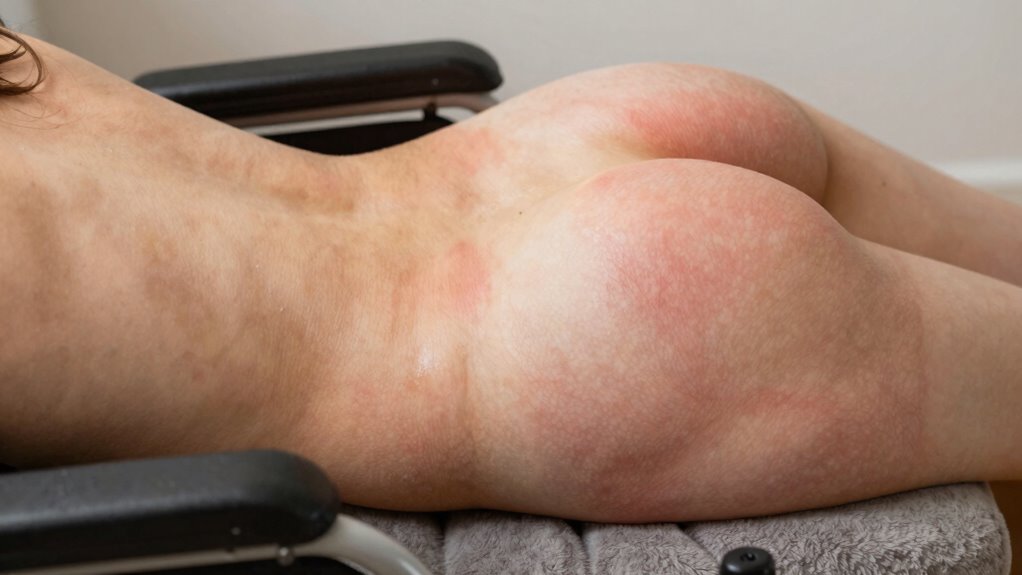

If you have limited mobility, you’re more at risk for pressure ulcers because moving and shifting help prevent prolonged pressure on your skin. When you can’t change positions easily, pressure builds up over fragile areas like your hips, heels, and sacrum, cutting off blood flow and causing tissue damage. Using assistive devices, repositioning regularly, and caring for your skin can make a big difference. Keep going, and you’ll learn how to protect your skin effectively.
Key Takeaways
- Limited mobility causes prolonged pressure on specific body areas, reducing blood flow and increasing tissue damage risk.
- Inability to shift positions naturally leads to increased pressure points and skin breakdown.
- Reduced movement hampers the body’s ability to relieve pressure independently.
- Limited mobility necessitates assistive devices and repositioning to prevent pressure ulcers.
- Without regular movement, skin integrity is compromised, heightening the need for targeted pressure relief strategies.
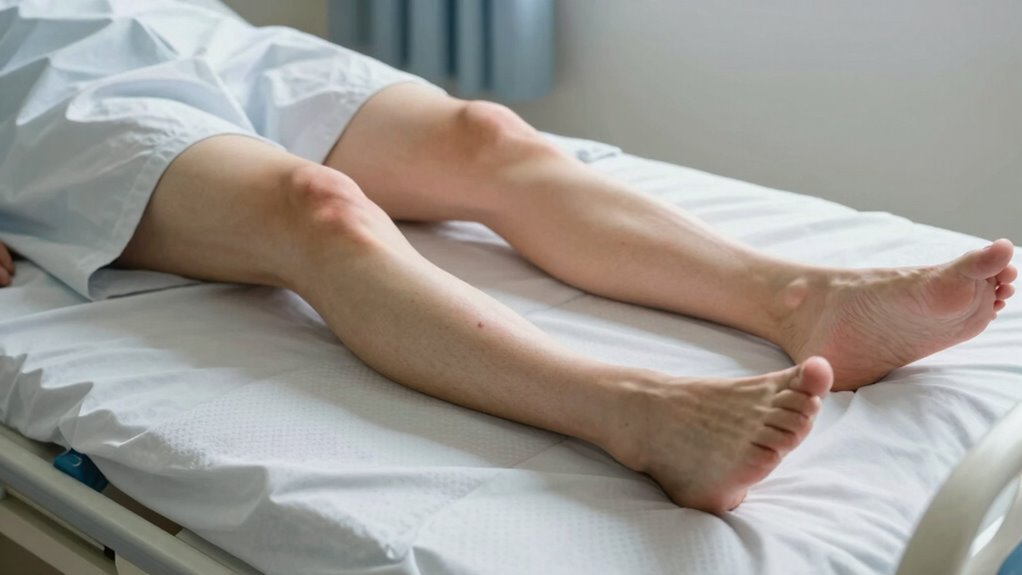
When mobility is limited, maintaining proper pressure relief becomes essential to prevent skin breakdown and pressure ulcers. When you can’t shift your position easily, the constant pressure on certain areas of your body can cut off blood flow, leading to tissue damage. This is where assistive technology plays a significant role. Devices like pressure-relieving cushions, specialized mattresses, and seat cushions are designed to distribute your weight evenly and reduce the risk of pressure buildup. These tools help you maintain skin health by minimizing prolonged pressure on vulnerable areas, such as the sacrum, hips, and heels.
Assistive devices help evenly distribute weight and prevent pressure ulcers in limited mobility situations.
Using assistive technology effectively requires understanding how these tools support your body. For example, a pressure-relieving cushion can adapt to your shape, providing better support and reducing pressure points. Similarly, adjustable beds and specialized mattresses can help you change your position with minimal effort, ensuring you don’t stay in the same spot for too long. These innovations are essential for maintaining skin integrity, especially if you have limited mobility due to injury, illness, or aging. They enable you to take control of your skin health, preventing the development of pressure ulcers that can cause pain and complications.
In addition to using assistive technology, regular repositioning is key to pressure relief. When you’re unable to shift on your own, caregivers or healthcare providers can help you change positions frequently. This movement stimulates blood flow, keeps your skin healthy, and reduces the risk of tissue breakdown. Maintaining a schedule for repositioning, combined with the right assistive devices, creates a thorough approach to pressure management. Incorporating pressure distribution strategies ensures that weight is spread evenly and reduces localized pressure spots. Understanding the importance of skin integrity helps highlight the significance of these measures in preventing injury. Regular assessment and skin monitoring are also crucial components of an effective pressure relief plan. Educating yourself about pressure ulcers can empower you to recognize early signs and seek timely intervention.
It’s also important to monitor your skin regularly for signs of redness, irritation, or breakdown. Early detection allows for prompt intervention, which can prevent the progression to more serious ulcers. Proper skin care routines, including keeping your skin clean and dry, support overall skin health and work hand-in-hand with assistive technology to protect against pressure-related injuries.
Ultimately, the combination of assistive technology, regular repositioning, and vigilant skin care forms the foundation of effective pressure relief for those with limited mobility. By investing in these strategies, you actively safeguard your skin health, reduce discomfort, and prevent potentially serious complications. The goal is to maintain your skin’s integrity, promote comfort, and support your overall well-being, even when movement is restricted.
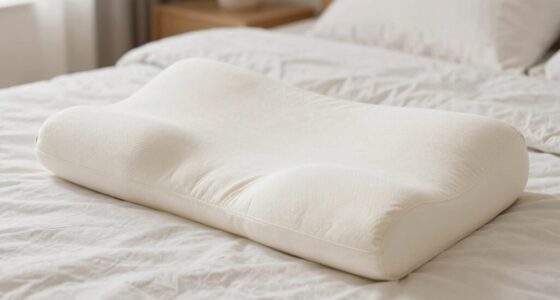
pressure relief cushion for limited mobility
As an affiliate, we earn on qualifying purchases.
As an affiliate, we earn on qualifying purchases.
Frequently Asked Questions
How Often Should Pressure Relief Cushions Be Replaced?
You should replace pressure relief cushions every 6 to 12 months, depending on cushion maintenance and usage. Regularly inspecting your cushion for signs of wear, such as cracks or loss of support, helps determine when it’s time for replacement. Adhering to recommended replacement schedules guarantees maximum pressure redistribution and comfort. Keep in mind, if your cushion shows significant deterioration sooner, don’t wait—prompt replacement maintains skin integrity and prevents pressure ulcers.
Can Limited Mobility Cause Other Skin Issues Besides Pressure Sores?
About 30% of people with limited mobility face skin dehydration, leading to dryness and cracking. You might also develop circulatory issues, which hinder blood flow and cause skin discoloration or swelling. Limited mobility affects more than just pressure sores; it can cause other skin problems like infections and dermatitis. Regular skin checks and pressure relief are essential to prevent these issues and maintain healthy skin.
Are There Specific Exercises to Improve Mobility and Reduce Pressure Risks?
You can improve mobility and reduce pressure risks through targeted stretching routines and wheelchair exercises. Regular stretching helps maintain flexibility, preventing joint stiffness, while wheelchair exercises strengthen muscles and enhance circulation. Focus on gentle arm, leg, and trunk stretches, complemented by seated resistance exercises like arm circles or leg lifts. Incorporating these routines into your daily schedule can boost mobility, decrease pressure points, and lower the risk of skin breakdown.
What Are the Signs of Early Pressure Sore Development?
Ever wonder how you can tell early pressure sore development? Look for skin discoloration, like redness or dark patches, that doesn’t fade. Also, pay attention to pain sensitivity in those areas—if it becomes tender or painful without an apparent cause, it’s a warning sign. Recognizing these early signals helps you seek prompt care, preventing serious damage and ensuring your skin stays healthy despite limited mobility.
How Does Nutrition Impact Pressure Sore Healing and Prevention?
Nutrition plays a crucial role in pressure sore healing and prevention. You should prioritize a nutritional assessment to identify deficiencies and guarantee your body gets essential nutrients. Dietary supplementation, such as proteins, vitamins, and minerals, supports tissue repair and immune function. By maintaining proper nutrition, you help your skin stay resilient, reduce the risk of sores, and promote faster healing if sores develop, especially when mobility is limited.
pressure ulcer prevention mattress
As an affiliate, we earn on qualifying purchases.
As an affiliate, we earn on qualifying purchases.
Conclusion
If you have limited mobility, understanding the importance of pressure relief is essential. Did you know that pressure ulcers affect over 2.5 million people annually in the U.S., costing billions in healthcare? By regularly shifting your position and using pressure-relieving devices, you can greatly reduce this risk. Staying proactive about pressure relief not only protects your skin but also enhances your overall quality of life. Don’t wait—take action today to stay comfortable and healthy.
As an affiliate, we earn on qualifying purchases.
adjustable hospital bed for pressure management
As an affiliate, we earn on qualifying purchases.
As an affiliate, we earn on qualifying purchases.