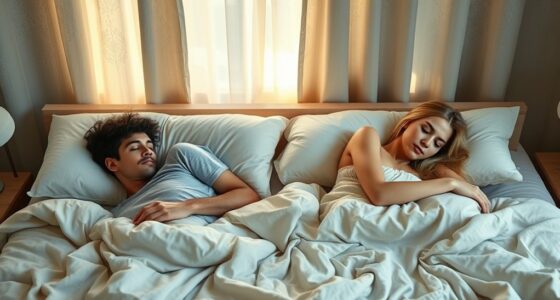
Many believe the full moon disrupts sleep, but scientific evidence isn’t conclusive. Some people notice poorer sleep during a full moon, often because of increased brightness or psychological expectations. However, other studies find little to no impact from lunar cycles on sleep quality. Your individual experience might vary, and environmental factors play a bigger role. If you keep exploring, you’ll discover how personal sensitivity and sleep habits influence this intriguing connection.

Get health and wellness essentials delivered free — and shop member deals
- Fast, free delivery on millions of items
- Access to Prime Big Deal Days deals on October 6–7
- Prime Video, Amazon Music and more included
Key Takeaways
- Some studies suggest lunar cycles, especially full moons, may influence sleep quality, but findings are mixed.
- Bright moonlight during a full moon can potentially disrupt sleep by reducing melatonin production.
- External factors like light exposure, environment, and psychological expectations often have a greater impact on sleep.
- Individual sensitivity varies; many people do not notice any sleep changes related to lunar phases.
- Good sleep hygiene and environmental control are more effective for quality sleep than focusing on lunar cycles.
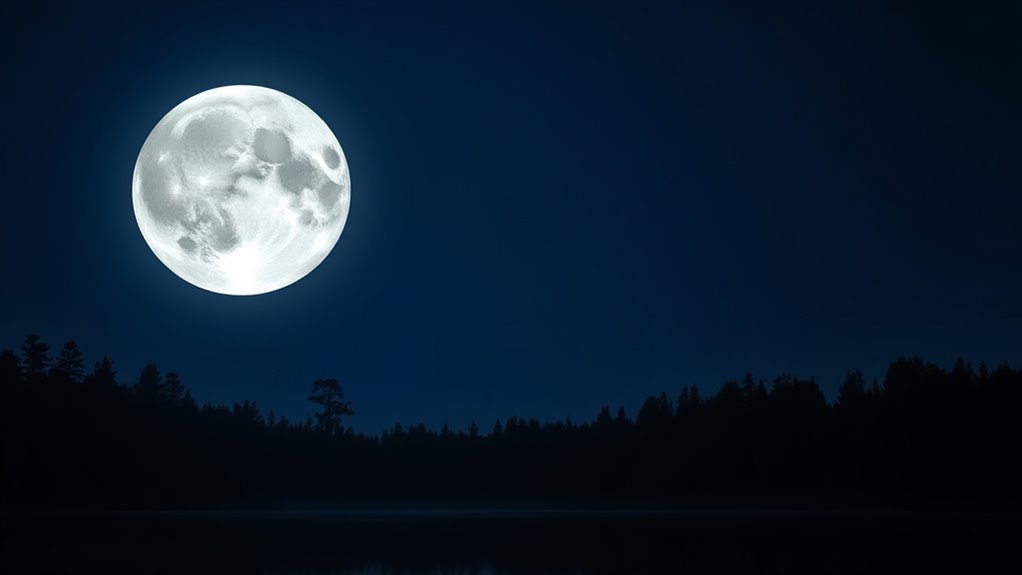
Many people notice changes in their sleep patterns during a full moon, as its bright glow can influence your body’s natural rhythms. You might find yourself tossing and turning more than usual or waking up multiple times throughout the night. This phenomenon has led many to wonder whether moon phases truly affect sleep quality. While some studies suggest a connection, others find little to no evidence that lunar cycles directly impact how well you rest. Understanding the role of moon phases in sleep requires examining both scientific research and your personal experiences.
Many notice sleep changes during a full moon, but evidence of lunar effects remains mixed and varies by individual.
The idea that moon phases influence sleep originates from the concept that lunar cycles, which last about 29.5 days, can subtly impact biological processes. Historically, many cultures believed the moon affected human behavior, including sleep patterns. Some researchers hypothesize that during a full moon, the increased brightness and illumination could interfere with your ability to fall asleep or stay asleep. Because the full moon’s glow is more intense, it may reduce melatonin production—the hormone responsible for regulating your sleep-wake cycle—leading to decreased sleep quality. Conversely, during new moons or darker phases, there’s less ambient light, which might allow for more restful sleep.
However, scientific findings remain mixed. Several studies have observed that people tend to sleep less or experience lighter sleep during full moons, but others have found no significant correlation. Factors such as individual sensitivity to light, bedroom environment, and psychological expectations can influence these results. For instance, if you believe that full moons disturb your sleep, you might subconsciously experience more disruptions—a classic case of the placebo or nocebo effect. Furthermore, modern sleep environments usually have blackout curtains and artificial lighting that minimize the impact of outside light, which could diminish any lunar influence.
Your sleep quality isn’t solely determined by moon phases. External factors like stress, caffeine intake, screen time before bed, and overall health play vital roles. Even if the moon does have some effect, it’s often subtle compared to these more dominant influences. If you notice sleep disturbances aligned with lunar cycles, it might be worth tracking your sleep patterns alongside moon phases to see if a pattern emerges. Alternatively, creating a consistent sleep routine and optimizing your sleep environment can greatly improve sleep quality, regardless of lunar influence.
In the end, whether the lunar cycle affects your sleep remains a mix of science and personal experience. While some people might be more sensitive to moon phases, most can maintain good sleep quality by focusing on proven strategies. The moon’s influence might be real for some, but it’s just one piece of a complex puzzle that determines how well you rest each night.
As an affiliate, we earn on qualifying purchases.
Frequently Asked Questions
Can Lunar Cycles Influence Sleep Patterns in Animals?
Yes, lunar cycles can influence animal behavior, including their sleep patterns. During full moons, you might notice animals becoming more active at night, especially those that are nocturnal. The moon’s brightness can affect their sleep duration and activity levels, prompting them to stay alert longer. This connection between lunar cycles and nocturnal activity shows that animals respond to natural light changes, adjusting their sleep and behavior accordingly.
Do Cultural Beliefs Link the Full Moon to Insomnia?
Yes, cultural beliefs often link the full moon to insomnia through cultural rituals and superstitious beliefs. You might notice that in some traditions, people stay awake or perform specific rituals to ward off bad luck or negative energy during a full moon. These superstitions can influence your perception of sleep quality, leading you to believe the full moon affects your sleep, even if scientific evidence is limited.
Are There Any Long-Term Health Effects Related to Lunar Sleep Disruption?
If you experience chronic sleep disruption during full moons, it could impact your long-term health. For example, a person with ongoing sleep issues linked to lunar cycles might face increased risks of cardiovascular problems or weakened immune function over time. While research is limited, sustained sleep disturbances can strain your body, highlighting the importance of maintaining healthy sleep patterns regardless of lunar phases to protect your long-term health.
How Do Individual Differences Affect Lunar-Related Sleep Changes?
Your personal sleep variations and genetic influences play a significant role in how lunar cycles affect you. Some individuals are more sensitive to moon phases, experiencing noticeable sleep disruptions, while others remain unaffected. These differences stem from genetic factors that influence circadian rhythms and sleep patterns. So, understanding your unique biology can help you anticipate and manage potential lunar-related sleep changes, especially during full moons.
What Are the Latest Scientific Methods Used to Study Lunar Impacts on Sleep?
You can explore lunar impacts on sleep through recent scientific methods like moonlight measurement and sleep tracking technology. Researchers use light sensors to quantify moonlight exposure and advanced sleep trackers to monitor sleep patterns in real-time. By correlating moonlight intensity data with sleep quality metrics, scientists gain insights into how lunar cycles may influence sleep, providing more objective evidence beyond anecdotal reports.
As an affiliate, we earn on qualifying purchases.
Conclusion
While some believe the full moon disrupts sleep, research suggests its impact isn’t definitive for everyone. You might notice changes, but it’s often influenced by individual differences and environmental factors. Don’t assume the lunar cycle alone governs your sleep quality—your habits, stress levels, and bedroom environment play bigger roles. So, next time you struggle to sleep, consider all these factors before blaming the moon. Ultimately, it’s more complex than just a myth or fact.
As an affiliate, we earn on qualifying purchases.
As an affiliate, we earn on qualifying purchases.
Fall Picks
fall essentials
As an affiliate, we earn on qualifying purchases.