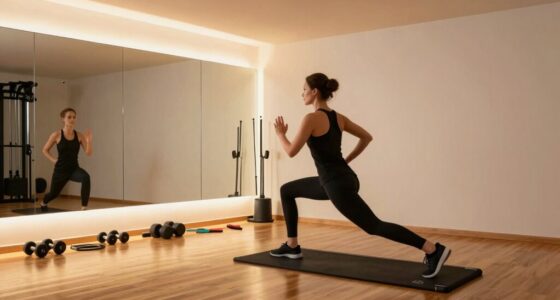
Stronger movement habits increase your sleep pressure by stimulating your body and regulating your internal clock. Regular physical activity, especially during the day, helps build the natural drive for sleep by promoting tiredness and hormonal regulation. It also enhances circadian alignment and reduces stress, making it easier to fall asleep and stay asleep longer. Keep moving consistently, and you’ll support your body’s sleep signals—there’s more to discover about how movement factors into restful nights.

Get health and wellness essentials delivered free — and shop member deals
- Fast, free delivery on millions of items
- Access to Prime Big Deal Days deals on October 6–7
- Prime Video, Amazon Music and more included
Key Takeaways
- Increased physical activity elevates sleep pressure by promoting fatigue and the body’s need for restorative sleep.
- Regular movement routines reinforce circadian signals, helping the body recognize when to feel sleepiness.
- Consistent exercise enhances hormonal regulation, supporting the buildup of sleep-promoting substances like adenosine.
- Moving more during the day reduces daytime alertness, encouraging stronger sleep drive at night.
- Stronger movement habits establish a predictable pattern that naturally increases sleep pressure over time.
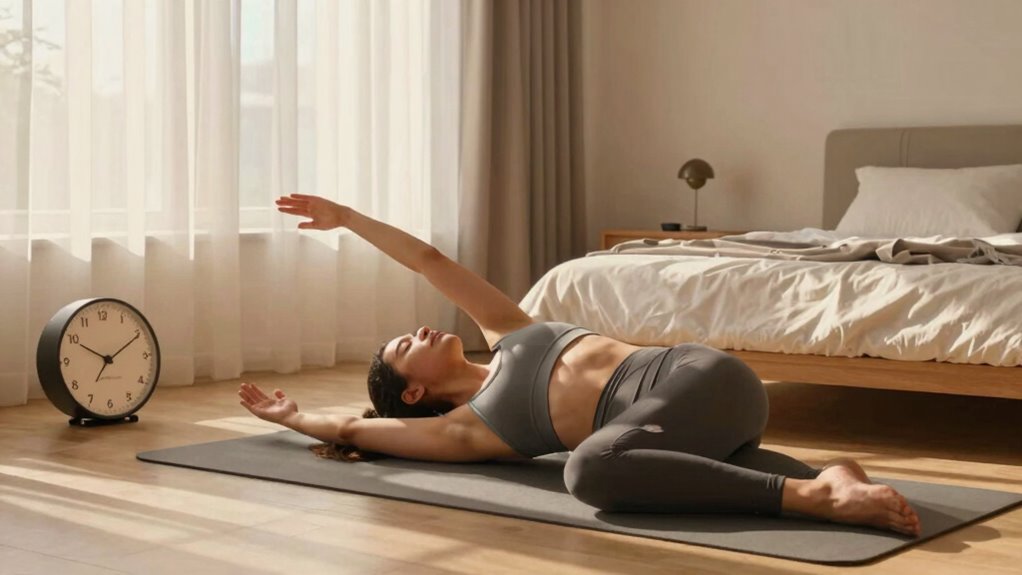
Stronger movement habits also help regulate your circadian rhythm, which is your internal biological clock. When you’re active during daylight hours, especially outdoors, your body receives natural light cues that set your sleep-wake cycle. This synchronization helps your body produce the right amounts of melatonin at the right times, making it easier to fall asleep and stay asleep. Conversely, a sedentary lifestyle diminishes these cues, often leading to irregular sleep patterns and lower sleep pressure. Incorporating outdoor activity enhances light exposure, which is crucial for maintaining a healthy circadian rhythm. Additionally, staying active during the day can improve your overall sleep quality and duration. Regular movement also supports the regulation of hormonal balance, which plays a significant role in sleep regulation. Moreover, consistent physical activity can alleviate stress and anxiety, two common barriers to quality sleep. Exercise releases endorphins, which elevate your mood and reduce tension, making it easier for your mind to relax at night. When your stress levels are lower, your sleep pressure isn’t hindered by racing thoughts or worry. This mental calmness, combined with heightened physical fatigue, creates an ideal environment for deep, uninterrupted sleep. Engaging in mind-body exercises, such as yoga or meditation, can further enhance this calming effect and support your sleep routine.
Finally, focusing on your daily activity and establishing steady exercise routines can help you develop a sleep routine that’s sustainable long-term. As your body adapts to regular movement, you’ll notice improvements in your sleep quality, duration, and overall energy levels. By making movement a non-negotiable part of your daily schedule, you’re actively supporting your body’s natural processes for falling asleep and maintaining restorative sleep phases. The key is consistency—over time, these stronger movement habits will notably boost your sleep pressure, leading to healthier, more revitalizing nights. Additionally, maintaining an active lifestyle helps reinforce the importance of movement and sleep, creating habits that support overall well-being.
As an affiliate, we earn on qualifying purchases.
Frequently Asked Questions
How Quickly Can Movement Habits Improve Sleep Pressure?
Movement habits can improve your sleep pressure within just a few days to a week. When you maintain movement consistency, your body starts to recognize a routine, helping regulate your sleep-wake cycle. Additionally, regular activity reduces stress, which can otherwise hinder sleep. As you stick with your movement habits, you’ll likely notice faster onset of sleep and better quality sleep, making your sleep pressure stronger and more effective over time.
Are Certain Types of Exercise More Effective for Reducing Sleep Pressure?
Surprisingly, not all exercise types are equal when it comes to reducing sleep pressure. You might think intense cardio is best, but a mix of exercise variety and movement consistency actually works wonders. Gentle activities like walking or yoga can be more effective than high-intensity workouts for calming your mind and body. So, don’t underestimate the power of steady, varied movement—sometimes, less is more for better sleep.
Can Over-Exercising Negatively Impact Sleep Pressure?
Over-exercising can negatively impact your sleep pressure by increasing exercise intensity beyond your recovery capacity, leading to fatigue and disrupted sleep. Pushing too hard without proper recovery strategies can cause your body to stay alert, making it harder to fall asleep. To avoid this, balance your workouts with adequate rest, listen to your body, and incorporate recovery strategies like stretching and hydration, promoting better sleep and overall well-being.
How Do Movement Habits Affect Sleep Quality, Not Just Pressure?
Movement habits act like a bridge connecting your mind and body, boosting sleep quality by enhancing that essential connection. When you engage regularly in physical activity, you reduce stress, which in turn calms your mind and prepares your body for restful sleep. This stress reduction fosters a deeper, more restorative sleep cycle, helping you wake up refreshed. So, consistent movement isn’t just about physical health; it’s a key to better, more rejuvenating sleep.
Is There an Ideal Time of Day to Exercise for Better Sleep Pressure?
You should aim to exercise in the morning for better sleep pressure, as it boosts your morning energy and helps regulate your sleep cycle. Morning workouts can make you feel more alert during the day and promote deeper sleep at night. Alternatively, if you prefer evening routines, they can aid in evening relaxation, easing you into sleep. Ultimately, find a time that fits your lifestyle to optimize sleep pressure naturally.
As an affiliate, we earn on qualifying purchases.
Conclusion
So, next time you’re tempted to lounge like a lazy cat all day, remember that stronger movement habits aren’t just about muscle tone—they’re your secret weapon against sleepless nights. Who knew that a little sweat could be the magic potion for sleep pressure? Embrace the movement, conquer your bedtime battles, and maybe, just maybe, you’ll stop counting sheep and start counting dreams. After all, a little effort now means restful nights later—what a surprise!
light therapy lamp for circadian rhythm
As an affiliate, we earn on qualifying purchases.
As an affiliate, we earn on qualifying purchases.
stress relief meditation cushion
As an affiliate, we earn on qualifying purchases.
As an affiliate, we earn on qualifying purchases.
Fall Picks
fall essentials
As an affiliate, we earn on qualifying purchases.