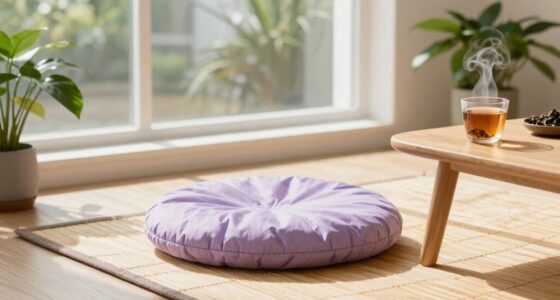
Creating a dedicated meditation space at home helps you establish a consistent environment that signals your mind it’s time to relax, making it easier to get into a mindful state quickly. These spaces reduce barriers to daily practice and reinforce positive habits through sensory cues like calming sounds, scents, and personal touches. By designing a special area for meditation, you strengthen your focus and emotional well-being. Want to discover how to craft your perfect sanctuary? Keep exploring for more insights.
Listen free for 30 days with Audible
Thousands of audiobooks and originals — cancel anytime.
As an affiliate, we earn on qualifying purchases.
Key Takeaways
- Creating dedicated spaces signals the brain to transition into mindfulness more easily.
- Physical meditation areas promote consistency and reinforce habit formation.
- Sensory elements enhance focus, relaxation, and emotional well-being during practice.
- Personalization fosters a deeper connection and encourages sustained mindfulness routines.
- Well-designed environments transform homes into calming retreats that support mental health.
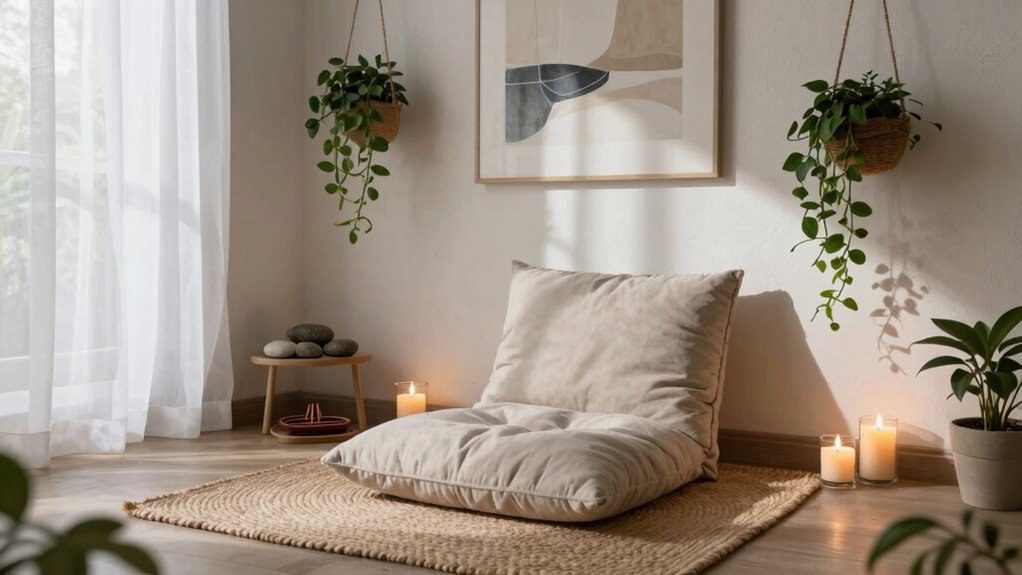
Creating sensory environments can also involve incorporating electric scooter safety tips and practices to ensure your space remains a secure and comfortable area for mindfulness. Creating a dedicated meditation space at home can transform your daily practice into a more focused and calming experience. When you carve out a specific area for meditation, it signals to your mind that this is a special time for mindfulness practices. As a result, you’re more likely to enter a relaxed state quickly and stay present throughout your session. This physical distinction helps reduce distractions and creates a consistent environment where meditation becomes a regular habit. Over time, your space becomes a sanctuary—a place your mind associates with peace and clarity.
The move toward more physical meditation spaces is driven by the increasing importance of sensory environments. When you design your space thoughtfully, you incorporate elements that stimulate your senses in a calming way. Soft lighting, natural textures, gentle scents, and soothing sounds all work together to deepen your focus. These sensory cues can anchor your meditation, making it easier to settle into a deep state of mindfulness. By actively shaping your environment, you turn your home into a retreat where every detail encourages mindfulness practices. Additionally, creating sensory environments can help foster a stronger connection between your surroundings and your mental state, promoting sustained relaxation. Incorporating sensory cues consciously can significantly enhance the effectiveness of your practice. Furthermore, paying attention to environmental design can optimize your space for relaxation and focus. Recognizing the importance of sensory integration in mental well-being can lead to more effective and immersive mindfulness experiences.
Many people are recognizing that a physical space supports consistency. It’s easier to maintain a daily meditation practice when you have a dedicated spot that’s always ready for use. You don’t need to set up or clear away your space each day, which reduces barriers to starting. Having a specific area also helps your mind associate that space with relaxation and mindfulness. Over time, just entering your meditation corner can signal your brain to switch into a quiet, reflective mode, enhancing your overall experience.
Moreover, physical meditation spaces can be personalized to suit your preferences and needs. You might add objects that inspire calm, such as crystals, plants, or meaningful artwork. These elements deepen your connection to your practice and reinforce your intention to stay present. Creating a space that resonates with you makes it easier to develop a habit and stick with it, especially when your environment actively supports mindfulness practices.
In the end, the trend toward making meditation spaces more physical isn’t just about aesthetics; it’s about creating an environment that nurtures your mental and emotional well-being. By intentionally designing sensory environments within your home, you provide yourself with a powerful tool for relaxation and self-awareness. This physical setup not only enhances your daily meditation but also elevates your overall mindfulness practice, making it a natural and inviting part of your life.
As an affiliate, we earn on qualifying purchases.
Frequently Asked Questions
How Can I Create a Budget-Friendly Meditation Space?
You can create a budget-friendly meditation space by using affordable calming accessories like candles, essential oils, or soft blankets. Incorporate budget-friendly decor such as plants, cozy cushions, or fairy lights to make the space inviting. Repurpose items from around your home, like a rug or a chair, to keep costs low. Focus on simplicity and comfort to foster a peaceful environment without overspending.
What Are the Best Plants for a Calming Meditation Environment?
You should choose indoor greenery like snake plants, lavender, or peace lilies for a calming meditation environment. These plants release soothing scents and help purify the air. Place them thoughtfully—near your seating area or in corners—to enhance tranquility. Proper plant placement boosts relaxation, making your space more inviting. Regular care keeps the greenery vibrant, creating a peaceful atmosphere that supports your meditation practice.
How Often Should I Redesign My Meditation Space?
Like a painter refining their masterpiece, you should redesign your meditation space when it starts to feel stale or no longer resonates with your current mood. Typically, every few months or when you notice your decorating themes and space personalization no longer inspire calm, it’s time to refresh. Regular updates keep your environment inviting, ensuring it remains a sanctuary that nurtures your mindfulness practice and adapts to your evolving needs.
Can I Incorporate Technology Into My Meditation Area?
Yes, you can definitely incorporate technology into your meditation area. Virtual reality can immerse you in calming environments, enhancing your practice. Sound therapy devices, like speakers or headphones, help create a peaceful atmosphere with soothing sounds. Integrate these tools thoughtfully to deepen your meditation experience. Just make certain they complement your space without overwhelming it, keeping your area tranquil and inviting for regular, mindful practice.
What Are Common Mistakes to Avoid When Setting up a Meditation Space?
When setting up your meditation space, avoid poor furniture placement that creates clutter or distractions. Be mindful of decor selection—choose calming, simple pieces that promote relaxation rather than overstimulation. Don’t overcrowd the area, as it can hinder your focus. Keep the space clean and organized, and guarantee furniture is comfortable. By paying attention to these details, you’ll create a peaceful environment that supports your meditation practice.
calming sensory lighting for meditation
As an affiliate, we earn on qualifying purchases.
As an affiliate, we earn on qualifying purchases.
Conclusion
Creating a dedicated meditation space at home isn’t just about having a quiet corner; it’s about making a space that truly nurtures your peace and mindfulness. As you carve out this sanctuary, remember that a place for calm is where your mind can find clarity and your spirit can recharge. Sometimes, it’s the smallest room that makes the biggest difference—so don’t overlook the power of a dedicated space, because it can be the key to truly finding your inner balance.
essential oils diffuser for relaxation
As an affiliate, we earn on qualifying purchases.
As an affiliate, we earn on qualifying purchases.
personalized meditation altar accessories
As an affiliate, we earn on qualifying purchases.
As an affiliate, we earn on qualifying purchases.
Flea & tick season Picks
flea and tick prevention
As an affiliate, we earn on qualifying purchases.