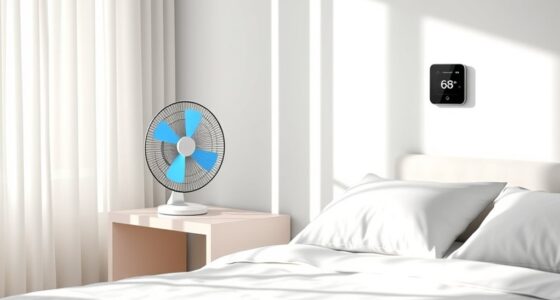

Yes, room temperature considerably affects your sleep quality. Too hot or cold environments can disrupt your natural sleep cycles, making it harder to fall asleep or stay asleep. The ideal range for most people is between 60-67°F (15-19°C). Adjusting your climate control, bedding, and clothing helps create a comfortable sleep space. If you want to find the perfect sleep environment, there’s more to discover to help you rest better.
Key Takeaways
- Optimal sleep occurs when room temperature is between 60-67°F (15-19°C), supporting natural thermoregulation.
- Too warm or cold environments can disrupt sleep onset, maintenance, and overall sleep quality.
- Proper thermal regulation reduces restless sleep caused by sweating or chills.
- Adjusting bedding, clothing, and climate controls helps maintain a consistent sleep-friendly temperature.
- Technological solutions like smart thermostats optimize room temperature for individual comfort and better sleep.
How Temperature Influences Sleep Cycles
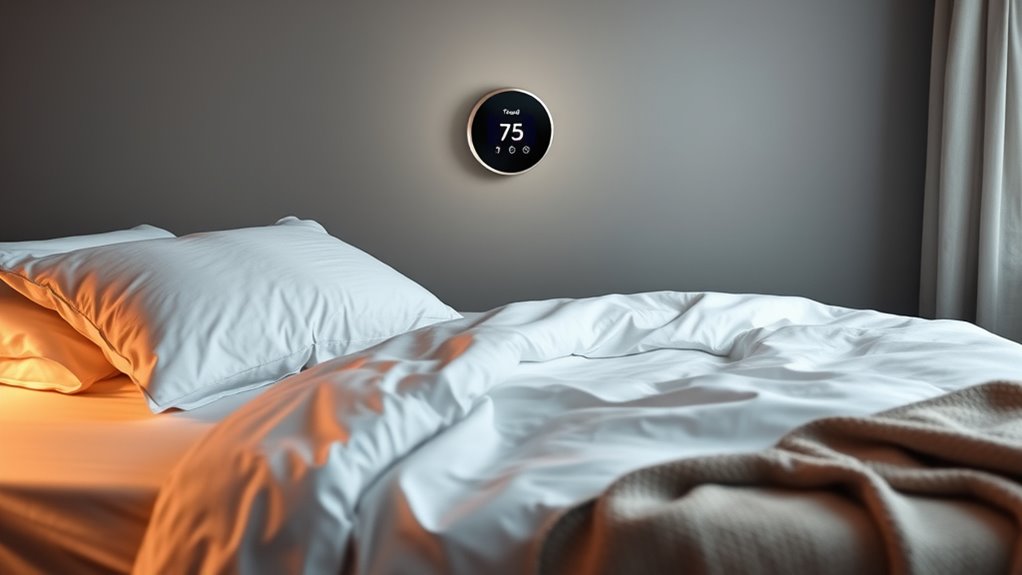
Temperature plays a crucial role in regulating your sleep cycles because your body naturally responds to changes in environmental warmth and coolness. Thermal regulation is essential for maintaining your circadian rhythms, the internal clock that controls when you feel alert or sleepy. As evening approaches, your body lowers its core temperature to signal that it’s time to wind down, promoting restful sleep. Conversely, warmer temperatures can disrupt this process, making it harder to fall asleep or stay asleep. Your body’s ability to adjust to temperature changes ensures your sleep cycle remains aligned with natural day-night cues. Proper sleep temperature regulation is also linked to thermal regulation efficiency, which aids in maintaining your overall health. Additionally, maintaining an optimal room temperature supports sleep hygiene, contributing to more consistent and restorative sleep patterns. Understanding how temperature influences your circadian rhythms helps you create an ideal sleep environment, supporting better sleep quality and overall health. For example, the body’s natural response to temperature fluctuations is vital for homeostasis, which helps your body maintain equilibrium during sleep. Moreover, selecting the right room temperature can enhance the effectiveness of sleep environment strategies, leading to more restful nights. Adjusting your sleep environment to suit these thermal responses can improve your overall sleep quality and daily well-being.
The Science Behind Body Temperature and Rest
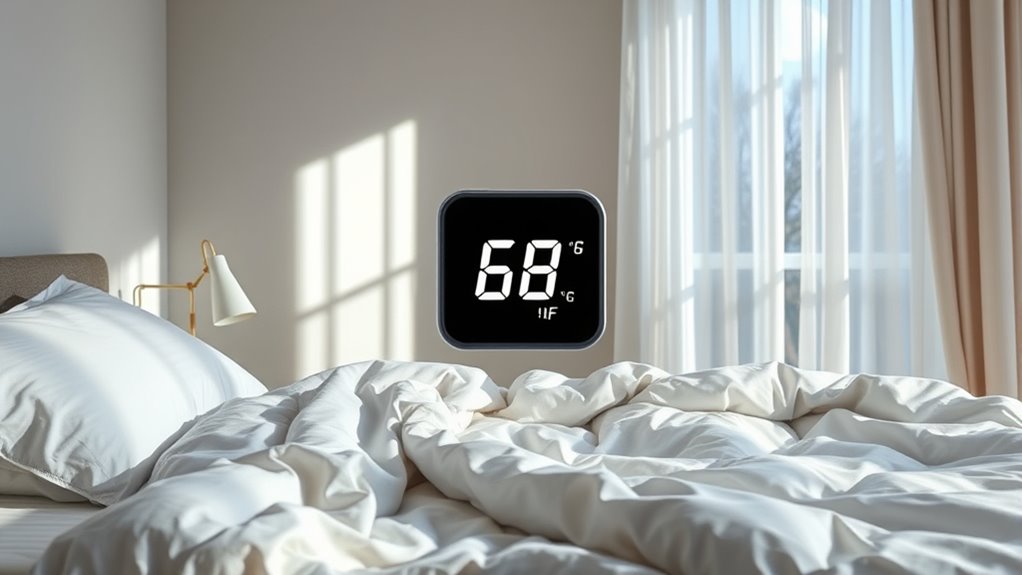
Understanding how your body regulates temperature during rest reveals the intricate connection between internal processes and sleep quality. Your body’s core temperature naturally drops as part of your circadian rhythm, signaling it’s time to sleep. This decline is closely linked to your metabolic rate slowing down, conserving energy and preparing your body for rest. As your internal temperature decreases, it helps deepen your sleep cycles, allowing for restorative REM and non-REM stages. Conversely, if your body stays too warm or too cold, this delicate balance is disrupted, making it harder to fall asleep or stay asleep. Your body’s ability to manage temperature effectively is essential for restful sleep, highlighting the importance of understanding these internal mechanisms for optimizing sleep quality. Additionally, thermoregulation plays a crucial role in maintaining this balance, ensuring your body can adapt to external temperature changes and support healthy sleep patterns. Proper sleep environment conditions, such as a comfortable room temperature, further facilitate this process, promoting better sleep quality. Maintaining your body’s internal temperature regulation can also be influenced by factors like clothing, bedding, and ambient conditions to support optimal sleep. Moreover, the body’s heat dissipation mechanisms, such as sweating or vasodilation, are vital for releasing excess heat and maintaining thermal balance during sleep. A well-regulated sleep temperature enhances sleep efficiency and overall restfulness.
Optimal Room Temperature for Different Age Groups

You need to take into account different room temperatures for infants, toddlers, and the elderly to ensure restful sleep. Young children and seniors have unique thermal needs that can affect their comfort and safety. Let’s explore how adjusting the environment can make a real difference for each age group. Being aware of appropriate sleep temperature ranges can help optimize sleep quality and overall well-being. Additionally, understanding how balanced designs contribute to a comfortable environment can support better rest for these vulnerable groups. Incorporating proper insulation and ventilation can further enhance temperature stability and comfort. Ensuring reliable power backup systems can prevent temperature fluctuations caused by outages, maintaining optimal conditions. Proper piercing care and hygiene routines are also vital in maintaining a safe sleep environment by preventing infections and irritations that could disrupt rest.
Infants and Toddlers
Ensuring the right room temperature is essential for infants and toddlers to sleep safely and comfortably. The nursery temperature should be between 68 and 72°F (20-22°C) to create an ideal sleep environment. Too hot or too cold can disrupt sleep and increase health risks, such as Sudden Infant Death Syndrome (SIDS). You should monitor the room’s temperature regularly with a reliable thermometer and adjust clothing or bedding accordingly. Keep the nursery well-ventilated, avoiding drafts or direct sunlight. Using a fan or heater safely can help maintain a consistent temperature. Remember, infants can’t regulate their body temperature as effectively as older children, so setting a comfortable, stable environment is critical for restful sleep and overall safety. Maintaining an optimal sleep environment is a key aspect of creating a safe and healthy space for your little ones.
Elderly Sleep Needs
As people age, their sleep needs and comfort levels change, making temperature regulation in the bedroom especially important for the elderly. You should aim for a room temperature around 65-70°F to promote restful sleep. Maintaining proper bedroom humidity also helps, as dry air can cause discomfort and disrupt sleep. Adjust your sleepwear choices accordingly; lightweight, breathable fabrics prevent overheating, while layering can keep you warm if needed. Keep in mind that older adults tend to feel colder and may prefer slightly higher temperatures or additional blankets. Regularly monitor the room’s climate to ensure it remains comfortable. Proper temperature and humidity levels support better sleep quality, helping you wake refreshed and reducing sleep disturbances common in later years. Optimal bedroom climate is essential for ensuring restful sleep as one ages. Additionally, using sleep environment controls like heaters or humidifiers can help maintain consistent conditions suited to individual needs. Being aware of age-related thermoregulation changes can further improve sleep comfort and overall health, emphasizing the importance of personalized climate management for better sleep outcomes. Furthermore, understanding how air quality impacts sleep can help optimize the bedroom environment for health and comfort.
Signs That Your Room Is Too Hot or Too Cold

If your skin feels clammy or you’re sweating excessively, your room might be too warm. On the other hand, feeling chilled or shivering suggests it could be too cold. Recognizing these signs helps you adjust your environment for better sleep. Additionally, maintaining an optimal sleep temperature can promote more restful and uninterrupted sleep. Being aware of regional climate differences can also help tailor your room conditions to suit seasonal variations. For example, monitoring crypto pump trends can serve as an analogy for understanding how external factors influence your sleep environment and routines.
Clammy Skin and Sweating
Clammy skin and sweating are common signs that your room’s temperature might be off. When it’s too hot, your body triggers sweat management processes to cool down, leading to persistent sweating and clammy skin. Conversely, if the room is too cold, your body may respond by increasing sweating as a reaction to shivering or stress, which can also cause discomfort. These signs can impair skin hydration, making your skin feel sticky or damp, disrupting your sleep. To improve your sleep environment, aim for a temperature that helps your body regulate heat naturally. Maintaining a comfortable room temperature supports better sweat management and keeps your skin properly hydrated, essential for restful, uninterrupted sleep.
Feeling Chilled or Shivering
Feeling chilled or shivering during sleep often signals that your room’s temperature isn’t ideal. Cold sensations can cause discomfort, making it hard to relax or fall asleep. Shivering discomfort may keep you awake or wake you in the middle of the night, leaving you exhausted. If you notice these signs, your room might be too cold or too hot. Common indicators include:
- Persistent shivering that disrupts rest
- Cold extremities or limbs
- Uncontrollable body tremors
- Restless, interrupted sleep due to discomfort
These symptoms suggest your sleep environment needs adjustment to reach the perfect temperature. Addressing cold sensations promptly can improve your sleep quality and prevent further discomfort. Remember, maintaining an ideal room temperature helps you sleep soundly through the night.
Tips for Adjusting Your Environment for Better Sleep

Creating an ideal sleep environment starts with adjusting your surroundings to promote restful sleep. Focus on temperature regulation by setting your room to a comfortable, cool temperature—around 60-67°F (15-19°C). Use a fan or air conditioner if needed, but avoid drafts that can cause chills. Keep your bedding lightweight and breathable to help maintain a consistent temperature throughout the night. Darken your room with blackout curtains to prevent light from disrupting your sleep cycle, and consider using a white noise machine to block out disturbances. Removing electronic devices from your sleep space also helps create a calm environment. By optimizing your sleep environment, you support better temperature regulation, making it easier to fall asleep and stay asleep through the night.
The Impact of Temperature on Sleep Disorders
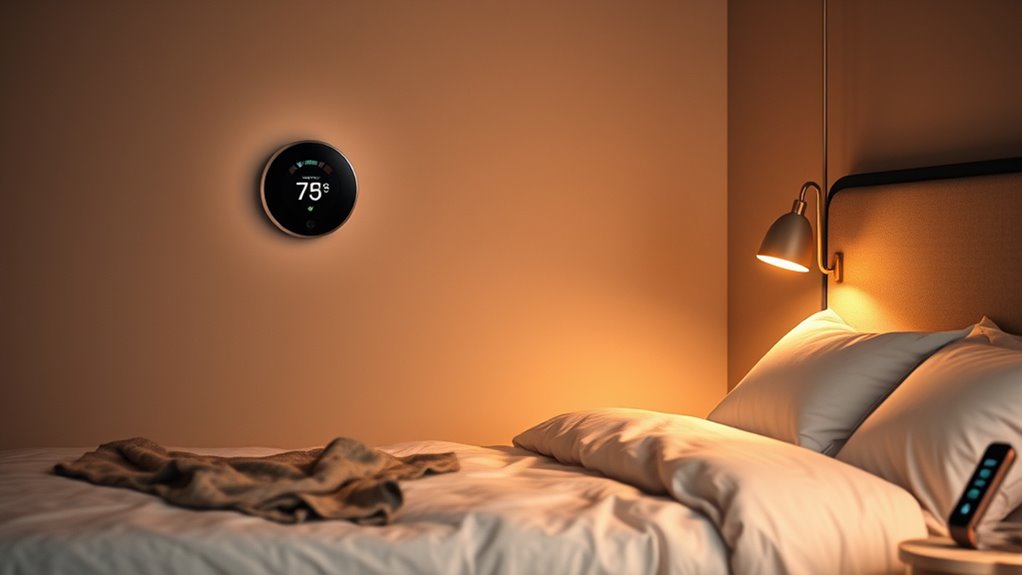
Maintaining the right sleep temperature isn’t just about comfort; it can considerably influence sleep quality, especially for those with sleep disorders. Temperature fluctuations can worsen conditions like insomnia, sleep apnea, or restless leg syndrome, making restful sleep difficult. When your room is too hot or cold, it can trigger discomfort, anxiety, or even breathing issues. Your choice of decorative bedding and sleepwear choices becomes crucial—light, breathable fabrics help regulate your body temperature, reducing disruptions. Consider these emotional impacts:
- Feelings of frustration from restless nights
- Anxiety over worsening symptoms
- Exhaustion from inconsistent sleep patterns
- Frustration from ineffective sleep solutions
Creating a balanced sleep environment helps soothe your body and mind, making it easier to manage sleep disorders. Proper temperature control is a key step toward restorative, uninterrupted sleep.
Using Technology to Maintain the Perfect Sleep Climate
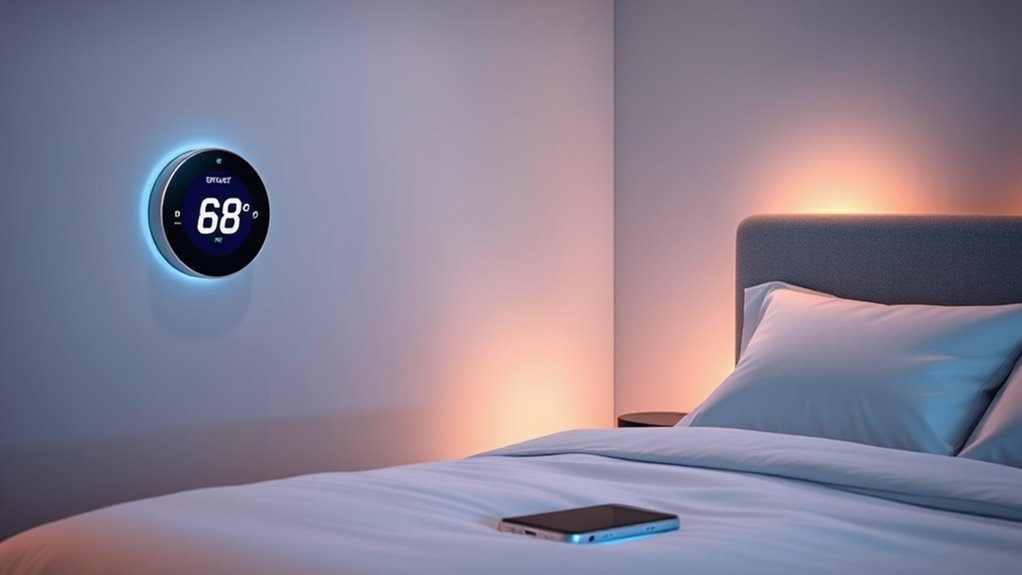
Have you considered how smart technology can help you achieve the ideal sleep environment? Smart thermostats allow you to automatically adjust your room temperature for top-notch comfort, ensuring your sleep space stays consistently cool or warm as needed. Paired with sleep tracking devices, you gain real-time insights into your sleep quality and temperature preferences. These devices monitor your sleep cycles and suggest temperature adjustments to improve rest. Some smart thermostats even learn your habits over time, creating personalized schedules that maximize your sleep climate without manual input. By integrating these technologies, you can maintain a stable, comfortable environment that promotes better sleep and reduces disturbances caused by temperature fluctuations. Using smart tech makes managing your sleep temperature effortless and tailored to your needs.
Common Mistakes That Disrupt Sleep Temperature Balance
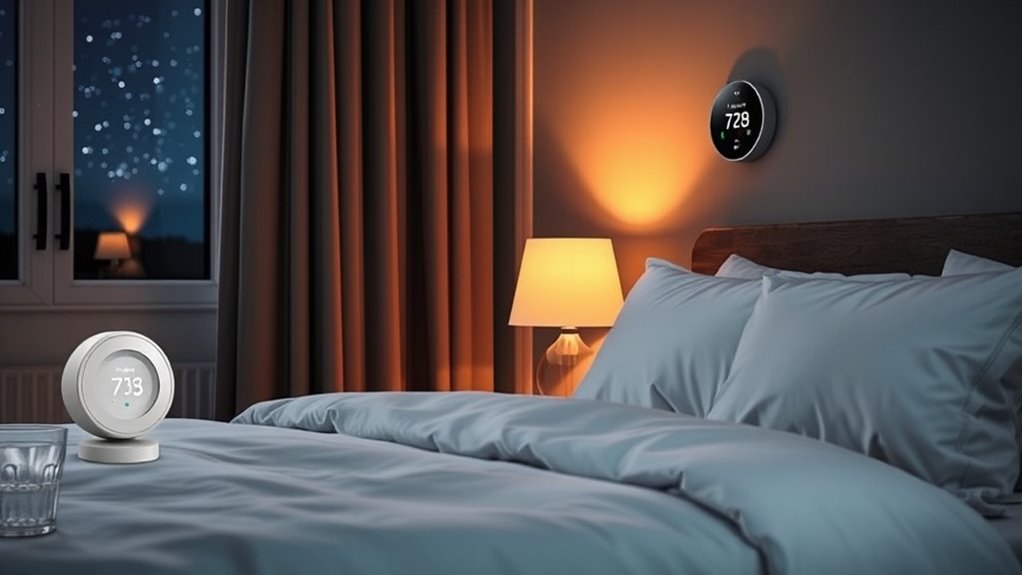
One common mistake that can throw off your sleep temperature balance is neglecting to adjust your environment as seasons change. Poor sleep hygiene often involves ignoring how external factors influence your comfort. Failing to improve bedroom insulation can cause drafts or heat loss, making it harder to maintain a consistent temperature. Additionally, relying on heavy blankets or heating devices without considering room temperature can disrupt your sleep. You might also overlook ventilation, which impacts air quality and temperature regulation. These oversights leave you restless, and your body struggles to find its ideal sleep zone. To avoid this, monitor your environment, insulate properly, and adapt your sleep hygiene practices to seasonal shifts. Small adjustments make a big difference in achieving restful, uninterrupted sleep.
Personalizing Your Sleep Environment for Maximum Rest
Personalizing your sleep environment is essential for achieving the deepest, most restorative rest. Start by adjusting your bedroom decor to create a calming atmosphere—use soothing colors, minimal clutter, and soft lighting. Your sleep position also plays a role; choose a position that supports spinal alignment and reduces strain, making your sleep more comfortable. Experiment with pillows and mattress firmness to suit your needs. Keep your room at a consistent, ideal temperature to promote restful sleep. Incorporate blackout curtains or eye masks to block light, and eliminate noise with earplugs or white noise machines. By customizing these elements, you’ll create a sleep sanctuary tailored specifically to your preferences, helping you fall asleep faster and enjoy more restorative nights.
Frequently Asked Questions
How Does Humidity Influence Ideal Sleep Temperature?
Humidity levels substantially influence your thermal comfort and sleep quality. When humidity is too high, you might feel sticky and uncomfortable, making it harder to fall asleep even if the temperature is ideal. Conversely, low humidity can cause dryness and irritation. Maintaining balanced humidity levels between 40-60% helps regulate your body’s temperature, ensuring you stay comfortable and achieve restful sleep. Adjust your environment accordingly for the best sleep conditions.
Can Seasonal Changes Affect Personal Sleep Temperature Preferences?
Like a chameleon changing colors, your body adapts to seasonal shifts, influencing your sleep temperature preferences. During colder months, you might seek a warmer sleep environment, while in summer, cooler settings beckon. This seasonal adaptation helps regulate your internal clock and comfort. Embracing these natural changes guarantees restful sleep year-round, aligning your environment with your body’s evolving needs and maintaining ideal sleep quality through each season.
What Are the Long-Term Effects of Sleeping in an Unsuitable Temperature?
Sleeping in an unsuitable temperature can impact your long-term health by causing ongoing sleep disruption and reducing thermal comfort. You might experience fatigue, difficulty concentrating, and a weakened immune system over time. Consistently poor sleep quality affects your overall well-being, increasing risks for chronic conditions. To avoid these effects, aim for a comfortable sleep environment that maintains thermal comfort, helping you sleep soundly and protect your health in the long run.
Do Different Sleep Positions Require Different Room Temperatures?
You might find that your sleeping posture influences your preferred room temperature for thermal comfort. For example, if you sleep in a curled-up position, you may feel warmer and prefer a cooler room, while sprawling out might make you feel cooler and want a slightly warmer environment. Adjusting your room temperature based on your sleeping posture can help you achieve ideal thermal comfort and improve your sleep quality.
How Quickly Can Adjusting Room Temperature Improve Sleep Quality?
Adjusting your room temperature can improve your sleep quality within minutes, especially as your body begins to regulate temperature for the sleep cycle. When you set your room to an ideal level, your temperature regulation becomes more efficient, helping you fall asleep faster and enjoy deeper rest. Typically, you’ll notice benefits in about 15-30 minutes, as your body responds to the more comfortable environment and your sleep cycle aligns more smoothly.
Conclusion
Remember, creating a cozy, cool climate can transform your sleep from restless to restful. By balancing body and bedroom temperatures, you boost both relaxation and rejuvenation. Don’t neglect the nuances of nuance—notice signs, tweak temps, and tailor your environment to your needs. Prioritize peace, personalize your space, and pursue perfect sleep. Because when your surroundings are just right, restful nights lead to radiant mornings, making every evening an effortless escape into serenity.