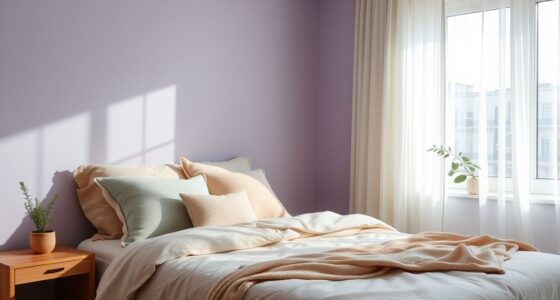
To make your home feel more like a recovery space, personalize your environment with meaningful artwork, mementos, and nature-inspired elements. Use calming colors like soft blues and gentle greens, and focus on soft, diffused lighting to create a soothing atmosphere. Prioritize comfortable, ergonomic furniture and keep the layout simple and clutter-free to promote mental clarity. By intentionally designing your space with these elements, you’ll foster a safe, nurturing environment that supports your healing journey—explore more ways to transform your home.

Get health and wellness essentials delivered free — and shop member deals
- Fast, free delivery on millions of items
- Access to Prime Big Deal Days deals on October 6–7
- Prime Video, Amazon Music and more included
Key Takeaways
- Incorporate personalized decor and meaningful mementos to foster a sense of safety and familiarity.
- Use calming colors and soft lighting to create a relaxing, stress-reducing environment.
- Prioritize comfortable, ergonomic furniture and an uncluttered layout to promote ease and mental clarity.
- Integrate nature-inspired elements like plants to enhance emotional well-being.
- Design the space intentionally for relaxation, resilience, and emotional safety, avoiding overstimulation.
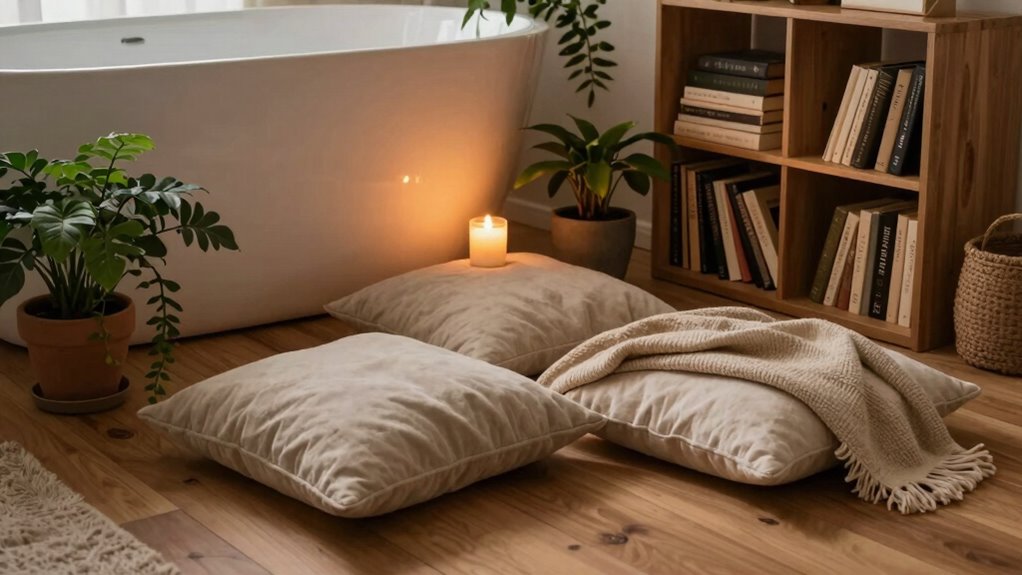
Creating a home that feels like a recovery space involves more than just adding soothing decor; it’s about designing an environment that promotes healing, comfort, and calm. One of the most effective ways to achieve this is through personalized decor. When your space reflects your personality—whether it’s through meaningful artwork, cherished mementos, or favorite textiles—you create a sense of familiarity and safety. These personal touches help ground you during difficult times, making the environment feel less like a sterile recovery zone and more like a sanctuary tailored specifically for your well-being. Incorporate items that evoke positive memories or inspire tranquility, and avoid clutter that can create stress or distraction. Additionally, integrating elements from biodiversity—such as natural plants or nature-inspired artwork—can further enhance feelings of peace and connection to the environment. Including natural elements can also improve air quality and promote relaxation within your space. Incorporating biophilic design principles can deepen this connection and support overall well-being, as it encourages a harmonious relationship with nature.
Personalized decor fosters safety and comfort, transforming your space into a calming sanctuary for healing and well-being.
Another essential element is the use of calming colors. Soft, muted tones like gentle blues, soothing greens, or warm neutrals can markedly influence your mood and reduce anxiety. These colors foster a sense of peace and stability, encouraging relaxation and mindfulness. When choosing decor, opt for paint colors, textiles, and accessories in these calming hues. Avoid bright or overly stimulating shades that might elevate your stress levels or hinder your ability to unwind. The goal is to craft a space that naturally encourages slow breathing and quiet reflection, so you feel more at ease in your surroundings.
Lighting also plays a key role in transforming your home into a recovery space. Soft, diffused lighting, such as warm LED bulbs or natural sunlight, creates an inviting atmosphere. Consider adding dimmer switches or lamps with adjustable brightness so you can control the ambiance according to your needs. Natural light, in particular, has a strong positive effect on mood and circadian rhythms, helping you feel more energized during the day and more relaxed at night. Proper lighting can also support your sleep patterns and overall well-being, which are crucial for recovery. Thoughtful lighting choices can help regulate your body’s internal clock and improve your overall sense of comfort. Creating an environment with appropriate lighting can significantly influence your emotional and physical health, reinforcing your recovery process.
Furniture and layout should prioritize comfort and simplicity. Choose supportive seating, cozy blankets, and ergonomic furniture that invites you to settle in without feeling overwhelmed. Keep the space uncluttered, allowing for easy movement and mental clarity. Minimalism isn’t just about aesthetics; it’s about reducing sensory overload and creating a peaceful environment conducive to healing. Maintaining an organized space also reduces stress and makes it easier to focus on relaxation and recovery.
In the end, designing a recovery space isn’t about perfection; it’s about intentionality. Personalize your decor, select calming colors, and craft an environment that encourages calmness and resilience. When your home feels safe and nurturing, it can become a powerful part of your healing journey.
calming bedroom decor for relaxation
As an affiliate, we earn on qualifying purchases.
As an affiliate, we earn on qualifying purchases.
Frequently Asked Questions
How Can I Personalize My Recovery Space Effectively?
You can personalize your recovery space by adding personal decor that makes you feel safe and comfortable. Choose scent choices like calming essential oils or candles to create a soothing atmosphere. Incorporate items that reflect your personality, such as photos or artwork, and keep your space clutter-free to promote relaxation. These small touches help make your recovery space uniquely yours, encouraging a sense of peace and healing.
What Are Some Affordable Ways to Create a Calming Environment?
Did you know that aromatherapy benefits can markedly reduce stress and promote relaxation? To create a calming environment affordably, incorporate essential oils in a diffuser and use soundproofing techniques like heavy curtains or draft stoppers. These simple steps help block noise and fill your space with soothing scents, transforming your home into a peaceful recovery sanctuary without breaking the bank. You’ll feel more relaxed and centered every day.
How Important Is Lighting in a Recovery-Focused Home?
Lighting is essential in a recovery-focused home because it directly impacts your mood and comfort. You want plenty of natural light during the day to boost your energy and promote a positive atmosphere. In the evenings, use soft mood lighting to create a calming environment that encourages relaxation and rest. Balancing natural light and mood lighting helps you feel more at ease and supported on your recovery journey.
Should My Recovery Space Include Specific Types of Furniture?
Yes, your recovery space should include specific furniture like comfortable seating to promote relaxation and ease stress. Opt for plush chairs or sofas that invite rest. Additionally, choose furniture that helps with noise reduction, such as soft cushions or fabric-covered pieces, to create a peaceful environment. These elements support your comfort and mental well-being, making your space more conducive to recovery and tranquility.
How Can I Maintain Boundaries Between Recovery and Everyday Life?
You can maintain boundaries by establishing clarity around your recovery space, making it clear what areas are for recovery and which are for daily life. Use physical cues like distinct furniture or signage, and practice emotional distancing by mentally separating your recovery time. Regularly reinforce these boundaries with family or housemates, ensuring everyone respects the space. This helps you stay focused on healing while keeping everyday life manageable.
ergonomic furniture for home recovery space
As an affiliate, we earn on qualifying purchases.
As an affiliate, we earn on qualifying purchases.
Conclusion
Imagine walking into a space where soft, calming colors cradle you like a gentle embrace, and cozy corners invite you to rest. When your home feels like a recovery sanctuary, it’s all about creating a peaceful atmosphere—quiet nooks, soothing lighting, and personal touches that nurture your soul. This isn’t just a house; it’s a haven where healing begins with every calming sight and comforting touch, guiding you gently toward renewed strength.
natural indoor plants for emotional well-being
As an affiliate, we earn on qualifying purchases.
As an affiliate, we earn on qualifying purchases.
As an affiliate, we earn on qualifying purchases.
Fall Picks
fall essentials
As an affiliate, we earn on qualifying purchases.