TL;DR
Recent monitoring shows a notable increase in media coverage of menstrual health worldwide, with 29 mentions in a specific window. This surge reflects rising awareness and prioritization of menstrual health issues globally.
Recent media monitoring indicates a significant rise in global coverage of menstrual health issues, with 29 mentions recorded within a specific period, compared to baseline levels. This surge highlights increased media attention and public awareness, making menstrual health a more prominent topic on the international stage.
Media analysis from GDELT shows that mentions of menstrual health have reached 29 within the recent monitoring window, a notable increase from previous periods. This rise in coverage includes discussions in news outlets across multiple regions, emphasizing issues such as access to sanitary products, education, stigma reduction, and health policies. Experts attribute this increase to growing advocacy efforts, social media campaigns, and policy debates that have brought menstrual health into mainstream conversations. While the exact causes of this surge are still being analyzed, the trend indicates a shift toward greater recognition of menstrual health as a critical component of public health and gender equality. It is important to note that this data reflects media mentions and does not directly measure public opinion or policy changes, which are still developing.Impact of Increased Media Attention on Menstrual Health Awareness
The surge in global media coverage of menstrual health underscores a shift toward greater public awareness and advocacy. Increased visibility can influence policy decisions, encourage investment in health services, and reduce stigma. As media plays a key role in shaping public discourse, this trend may accelerate progress toward gender equality and health equity, especially in regions where menstrual health remains a taboo. However, the actual impact on policy and access remains to be seen, and sustained coverage is necessary to translate attention into tangible change.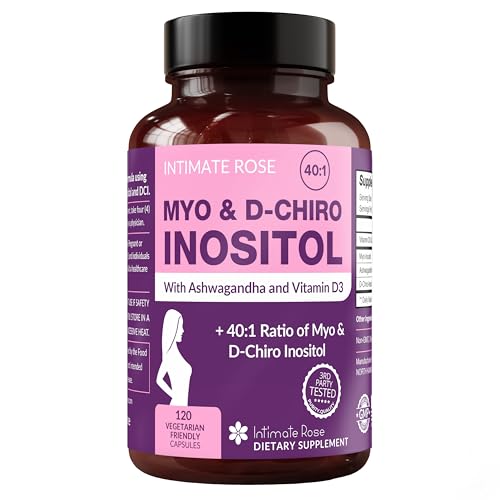
Myo-Inositol & D-Chiro Inositol for Hormone Balance for Women, 40:1 Ratio
- Inositol Ratio: 40:1 Myo-Inositol to D-Chiro Inositol
- Menstrual Support: Includes Vitamin D and Ashwagandha
- Women's Health: Developed by naturopathic doctor for women
As an affiliate, we earn on qualifying purchases.
As an affiliate, we earn on qualifying purchases.
Recent Trends in Menstrual Health Coverage and Advocacy
Over the past few years, menstrual health has gained increasing attention through advocacy campaigns, social media movements, and policy debates. Major initiatives like the Menstrual Equity movement and international organizations’ campaigns have contributed to this rise. The GDELT database records 29 mentions in a recent window, indicating a sharp increase compared to previous periods, where coverage was comparatively limited. This development aligns with broader efforts to destigmatize menstruation, improve access to sanitary products, and integrate menstrual health into public health agendas. Historically, discussions around menstrual health have been marginalized, but recent years have seen a notable shift toward mainstream attention, driven by activism, research, and policy advocacy.
“The increase in media coverage reflects a growing recognition of menstrual health as a fundamental aspect of gender equality and health equity.”
— Dr. Maria Lopez, Public Health Expert
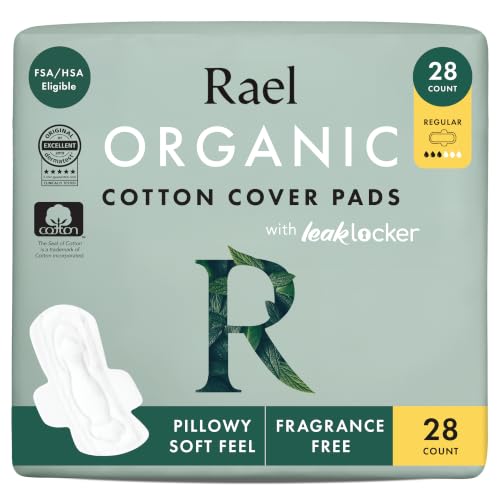
Rael Organic Cotton Cover Sanitary Pads for Women Moderate (Regular, 28 Ct)
- Absorbent Core: Super absorbent for all-day dryness
- Breathable Material: Hypoallergenic, soft, and breathable sheets
- Leak Lock Technology: Channels and side panels prevent leaks
As an affiliate, we earn on qualifying purchases.
As an affiliate, we earn on qualifying purchases.
Unclear Impact on Policy and Public Perception
It is not yet clear whether the recent surge in media mentions will lead to substantive policy changes or shifts in public perception. The increase in coverage may be temporary or part of a broader trend, but the long-term effects remain uncertain as data on policy responses and public attitudes are still emerging.
Ecoblossom Menstrual Cups, Period Cup for Women, Menstrual Disc Alternative
- Natural Design: Includes small and large flexible cups
- Leak-Free Protection: Secure seal lasts up to 12 hours
- Safe Materials: Made from medical-grade, hypoallergenic silicone
As an affiliate, we earn on qualifying purchases.
As an affiliate, we earn on qualifying purchases.
Monitoring Future Media Trends and Policy Developments
Stakeholders will observe whether sustained media coverage translates into concrete policy actions, increased funding for menstrual health programs, or changes in societal attitudes. Researchers and advocacy groups are likely to track media mentions and public discourse to assess the impact. Additionally, policymakers may respond to growing public pressure by integrating menstrual health into health and education policies, especially in regions where stigma persists.

Menstrual Tracker: Educational Menstrual Cycle Book To Learn About Menstruation and To Track Period Symptoms, Mood, Blood Flow, and Energy Level – The Perfect Gift to Welcome A Young Girl To Womanhood
As an affiliate, we earn on qualifying purchases.
As an affiliate, we earn on qualifying purchases.
Key Questions
What does the increase in media coverage mean for menstrual health advocacy?
The rise in media mentions indicates growing awareness and may help reduce stigma, but translating this attention into policy and practical changes requires ongoing effort.
Are all regions experiencing this surge equally?
The data from GDELT shows global mentions, but the distribution across regions varies. Some areas may see more coverage due to active campaigns or policy debates.
Will this media surge lead to policy changes?
It is uncertain at this stage. While increased coverage can influence policymakers, concrete policy changes depend on multiple factors, including political will and public support.
How long might this increased coverage last?
The duration of the surge is unclear. Continued advocacy and media engagement are needed to sustain attention and effect lasting change.
Source: gdelt