
REM Sleep Behavior Disorder causes you to act out your dreams because your body’s muscles don’t stay paralyzed during REM sleep as they should. Instead of remaining still, you might thrash, punch, or kick, often without remembering these actions. This happens because of a malfunction in the brain’s regulation, sometimes linked to neurodegenerative conditions or medications. To understand what causes this and how to manage it, keep exploring further.
Listen free for 30 days with Audible
Thousands of audiobooks and originals — cancel anytime.
As an affiliate, we earn on qualifying purchases.
Key Takeaways
- RBD causes individuals to physically act out vivid dreams due to loss of normal REM muscle paralysis.
- Behaviors include thrashing, punching, or kicking, often without memory of the episodes.
- It results from malfunctioning brain mechanisms that fail to suppress muscle activity during REM sleep.
- Risk factors include neurodegenerative diseases and certain medications or substances that disrupt sleep.
- Diagnosis involves sleep studies, and treatment includes safety measures and medications like clonazepam or melatonin.
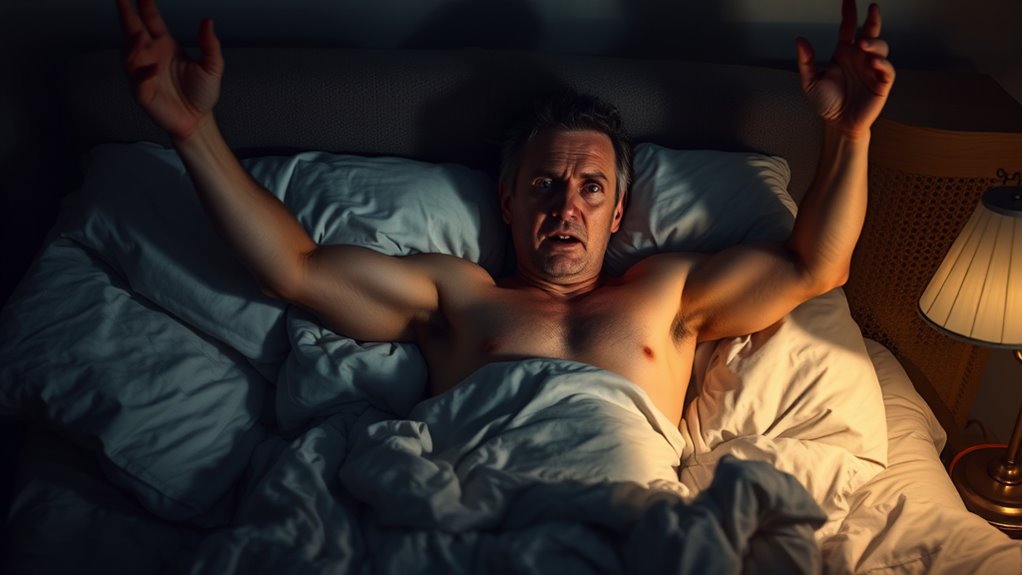
Have you ever wondered what happens when your muscles act out your dreams? For some people, this isn’t just a strange nighttime occurrence—it’s a sign of a sleep disorder called REM sleep behavior disorder (RBD). During typical REM sleep, your muscles are fundamentally turned off, preventing you from physically acting out your dreams. But with RBD, this paralysis doesn’t happen, leading to vivid dream enactment that can sometimes be startling or even dangerous. Instead of staying peacefully in bed, you might thrash, punch, or kick as you respond to your dreams, often without any memory of doing so in the morning.
Acting out dreams during sleep may signal REM sleep behavior disorder, a condition involving loss of muscle paralysis during REM sleep.
Understanding sleep disorder causes is key to recognizing why this happens. RBD is believed to stem from a failure in the brain mechanisms that normally suppress muscle activity during REM sleep. When these mechanisms malfunction, your body doesn’t stay still as it should, allowing movements associated with your dreams to come to life. It’s often linked to neurodegenerative conditions like Parkinson’s disease or multiple system atrophy, but it can also occur independently. Sometimes, medications, particularly those affecting the central nervous system, can contribute to or trigger RBD. Alcohol and certain antidepressants are also known to be culprits, disrupting normal sleep patterns and potentially leading to dream enactment behaviors. Additionally, research suggests that disrupted muscle atonia during REM sleep is a core feature of RBD, emphasizing the importance of proper neural regulation during sleep.
If you’re experiencing these symptoms, it’s important to understand that RBD isn’t just about acting out dreams; it can pose real safety risks. You might inadvertently hurt yourself or your bed partner during episodes. These behaviors tend to occur in the later part of the night, during REM sleep cycles, and can last from a few seconds to several minutes. Often, people with RBD have no recollection of their nighttime activities, which makes it even more essential to seek medical advice if you notice sudden movements or violent actions during sleep. Proper diagnosis usually involves sleep studies where your behaviors are monitored, helping pinpoint the disorder’s cause.
Treatments aim to reduce symptoms and improve safety, often involving medications like clonazepam or melatonin. Addressing underlying sleep disorder causes, such as managing neurodegenerative diseases or adjusting medications, can also markedly help. Lifestyle modifications, like creating a safe sleeping environment free of sharp objects or furniture, are fundamental, especially if you’re at risk of injury. Recognizing the signs of REM sleep behavior disorder and understanding its causes can help you seek the right help and regain restful, safe sleep. Remember, acting out dreams isn’t just bizarre—it can be a sign of a deeper issue that needs attention.
REM sleep behavior disorder safety bed rails
As an affiliate, we earn on qualifying purchases.
As an affiliate, we earn on qualifying purchases.
Frequently Asked Questions
Can RBD Be Cured Completely?
RBD can’t be completely cured, but you can manage it effectively. Medication options like clonazepam or melatonin often help reduce symptoms. You should also follow safety precautions, such as removing dangerous objects and sleeping in a safe environment, to prevent injury. Regular medical follow-up is essential. While you may not eliminate RBD entirely, these strategies can markedly improve your sleep quality and safety.
Is RBD More Common in Men or Women?
You might be surprised to learn that RBD is more common in men than women, highlighting notable sex differences in its prevalence. While some assume it affects both genders equally, research shows men are markedly more affected. This gender prevalence could be due to underlying neurological factors. Recognizing these sex differences helps in understanding risk factors and tailoring treatment options for those diagnosed with RBD.
Are There Specific Triggers for RBD Episodes?
Certain triggers can cause RBD episodes, leading to dream enactment and sleep disturbance. Stress, fatigue, and alcohol consumption often increase the likelihood of acting out dreams. Medications like antidepressants may also contribute. You might notice episodes more frequently during periods of heightened stress or exhaustion. Identifying and managing these triggers can help reduce the severity and frequency of your RBD episodes, improving your overall sleep quality.
How Is RBD Diagnosed Without Sleep Studies?
Diagnosing RBD without sleep studies is like trying to solve a puzzle with missing pieces. You’ll likely start with clinical questionnaires that ask about your sleep behaviors and any injury occurrences. Sometimes, home sleep tests are used to monitor sleep patterns, but they don’t confirm RBD alone. A specialist evaluates your history and symptoms to make a diagnosis, often relying on these tools before recommending formal sleep studies for confirmation.
Can RBD Develop at Any Age?
Yes, RBD can develop at any age, but age-related risk increases as you get older. While it’s more common in older adults, early onset symptoms can appear in your 30s or 40s. If you notice acting out dreams or sudden movements during sleep, it is crucial to seek medical advice. Recognizing early symptoms allows for better management, regardless of your age, and can help prevent potential injuries.
melatonin supplements for sleep disorders
As an affiliate, we earn on qualifying purchases.
As an affiliate, we earn on qualifying purchases.
Conclusion
Think of REM Sleep Behavior Disorder as a silent captain losing control of their ship in stormy waters. When your dreams turn vivid and your actions follow, it’s like the crew takes over, steering you into uncharted territories. But with awareness and proper care, you can regain the helm. Remember, understanding this disorder is like learning to read the stars—guiding you safely through the night toward calmer seas. Your journey to better sleep starts with awareness.
As an affiliate, we earn on qualifying purchases.
As an affiliate, we earn on qualifying purchases.
NFL season / tailgating Picks
team gear
As an affiliate, we earn on qualifying purchases.