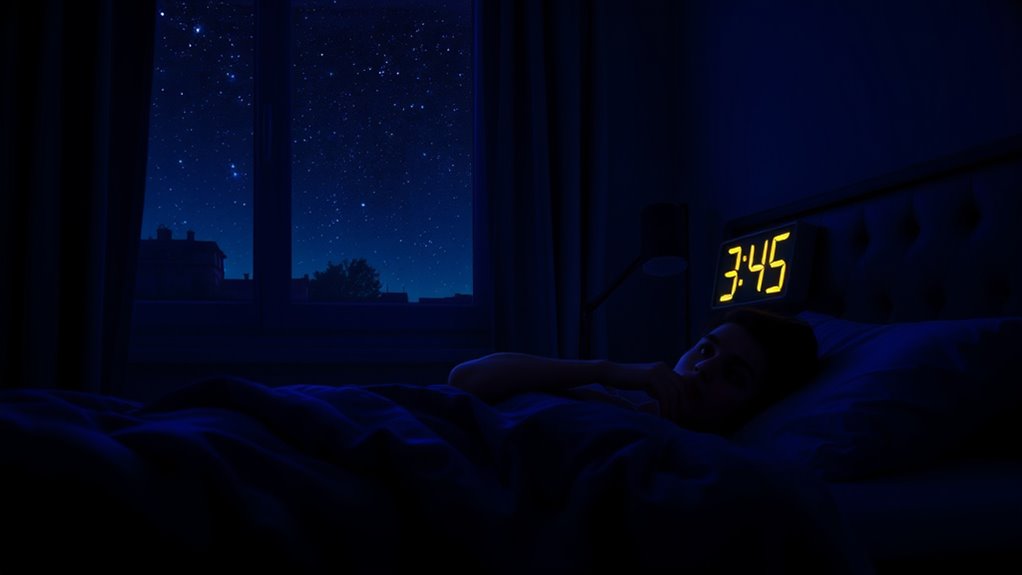

If your body clock shifts later, making it hard to fall asleep at normal hours and wake up refreshed, you might have delayed sleep phase syndrome (DSPS). This condition disrupts your natural sleep-wake cycle, often caused by genetics, lifestyle choices, or environmental factors. Recognizing signs like difficulty falling asleep early and feeling tired during the day can help. Keep going to discover effective strategies to realign your schedule and improve your sleep quality.

Get health and wellness essentials delivered free with Prime
- Fast, free delivery on millions of items
- Prime Video, Amazon Music and more included
- Member-only deals all year
Key Takeaways
- DSPS causes difficulty falling asleep at conventional times due to a delayed internal circadian rhythm.
- Symptoms include late sleep onset, difficulty waking early, and daytime grogginess.
- Lifestyle factors, genetics, and environmental cues influence circadian misalignment in DSPS.
- Managing DSPS involves consistent sleep schedules, light therapy, melatonin, and good sleep hygiene practices.
- Accurate diagnosis often requires sleep diaries, clinical evaluation, and understanding individual sleep patterns.
light therapy lamp for circadian rhythm
As an affiliate, we earn on qualifying purchases.
As an affiliate, we earn on qualifying purchases.
Understanding the Circadian Rhythm and Its Role in Sleep

Your body’s internal clock, known as the circadian rhythm, regulates your sleep-wake cycle over a 24-hour period. This rhythm controls when you feel alert and sleepy, aligning with light and dark cycles. A key player in this process is melatonin production, which is your sleep hormone. As evening approaches and it gets dark, your brain signals your pineal gland to produce more melatonin, making you feel sleepy. Conversely, in the morning, light suppresses melatonin, helping you wake up. When your circadian rhythm is synchronized, sleep occurs naturally at consistent times. However, if this rhythm is disrupted, it can lead to sleep difficulties, like delayed sleep phase syndrome, where melatonin production shifts, delaying your sleep time and making it hard to fall asleep at conventional hours. European cloud innovation offers promising solutions for creating more sustainable and secure cloud environments that support health and well-being. Disruptions to the circadian rhythm can also be influenced by lifestyle factors and environmental cues, which underscores the importance of maintaining healthy sleep habits. Additionally, some electric bike conversion kits are designed to promote active lifestyles, which may positively impact circadian regulation by encouraging outdoor activity and natural light exposure. Recognizing the impact of light exposure on circadian rhythms can help guide lifestyle adjustments for better sleep health. Moreover, integrating smart home technology like automated lighting systems can help simulate natural light patterns, supporting circadian alignment and improving sleep quality.
melatonin supplements for sleep delay
As an affiliate, we earn on qualifying purchases.
As an affiliate, we earn on qualifying purchases.
Recognizing the Signs and Symptoms of DSPS

Have you noticed it’s difficult to fall asleep at a normal bedtime, yet you sleep soundly once you’re finally in bed? This is a common sign of Delayed Sleep Phase Syndrome (DSPS). You might find yourself staying awake into the early morning hours, with your body’s natural melatonin production kicking in much later than usual. This sleep phase delay causes your internal clock to shift, making it hard to wake up early and feel rested. During the day, you may feel tired, groggy, or have trouble concentrating. Recognizing these signs can help you identify DSPS early. If your sleep patterns consistently delay by several hours and don’t align with your daily schedule, it’s time to contemplate that your body clock is out of sync. Understanding sleep-wake regulation can provide further insights into managing this condition. Additionally, disruptions in circadian rhythms often contribute to the difficulty in adjusting sleep schedules associated with DSPS. Being aware of these biological clocks can help you develop strategies to reset your internal timing.
sleep hygiene products for delayed sleep phase syndrome
As an affiliate, we earn on qualifying purchases.
As an affiliate, we earn on qualifying purchases.
Causes and Risk Factors Associated With Delayed Sleep Phase

Your genetics and family history can influence your likelihood of developing Delayed Sleep Phase Syndrome. Your lifestyle choices and evening routines also play a significant role in disrupting your sleep schedule. Additionally, certain medical conditions may increase your risk, making it important to understand these underlying factors. Proper piercing care and hygiene can help prevent complications that might further disrupt sleep patterns. Recognizing sleep cycle disruptions as part of your overall health can aid in early identification and management. Being aware of sleep disorder symptoms can also facilitate timely intervention and treatment. Engaging in aquatic exercise during the day may help regulate your circadian rhythm and improve sleep quality. Understanding sleep regulation mechanisms can provide further insight into managing your sleep health.
Genetic Predispositions and Family History
Genetic factors play a significant role in the development of Delayed Sleep Phase Syndrome (DSPS), making it more common among individuals with a family history of sleep disorders. If your relatives have experienced similar sleep patterns or circadian rhythm issues, you may be at higher risk. Research shows that certain gene mutations influence your internal clock, affecting your sleep-wake cycle. Your family history can reveal inherited traits that delay your sleep onset and make waking up early difficult. While lifestyle choices matter, genetics often set the foundation for DSPS. Understanding your family’s sleep patterns can help you identify your predisposition and seek early intervention. Recognizing the impact of genetic factors empowers you to take proactive steps in managing your sleep health. For example, circadian rhythm can sometimes be linked to underlying health issues that may also affect sleep regulation. Additionally, exploring genetic predispositions can provide further insight into your sleep challenges and guide personalized approaches to treatment.
Lifestyle and Evening Habits
Lifestyle choices and evening habits can considerably influence the development of Delayed Sleep Phase Syndrome. Your late-night snacking can disrupt your sleep-wake cycle, making it harder to fall asleep at a normal time. Additionally, an inconsistent sleep environment—such as exposure to bright screens or noise—can reinforce your body’s tendency to delay sleep. Poor sleep hygiene habits, like irregular bedtimes or excessive screen use before bed, contribute to the problem. Creating a calming sleep environment, avoiding caffeine late in the day, and establishing a consistent bedtime can help reset your internal clock. Be mindful of your evening routines, as these habits can either reinforce or alleviate your body’s delay in falling asleep. Small changes can make a significant difference in syncing your sleep schedule. Understanding how AI ethicist jobs influence technology and policy can also inspire healthier routines and better sleep habits. Establishing a consistent bedtime routine is essential for aligning your body clock and promoting better sleep.
Underlying Medical Conditions
Certain medical conditions can markedly increase the risk of developing Delayed Sleep Phase Syndrome. Sleep disorder comorbidities, such as depression or anxiety, often disrupt your circadian rhythm, making it harder to fall asleep early. Additionally, medication side effects from drugs like antidepressants or stimulants can impair your sleep-wake cycle, pushing your sleep times later. If you have underlying conditions affecting your nervous system or endocrine system, these can also contribute to delayed sleep patterns. Recognizing these medical influences is vital, as they may require specific treatment strategies. Addressing medication side effects and managing sleep disorder comorbidities can help restore your body’s natural sleep rhythm and reduce the severity of DSPS. Understanding circadian rhythm factors The presence of certain medical conditions can alter your sleep regulation mechanisms, further complicating the management of DSPS. Moreover, underlying medical conditions may impact hormonal balance, which plays a significant role in maintaining your sleep-wake cycle.
smart lighting system for sleep regulation
As an affiliate, we earn on qualifying purchases.
As an affiliate, we earn on qualifying purchases.
Diagnosing Delayed Sleep Phase Syndrome
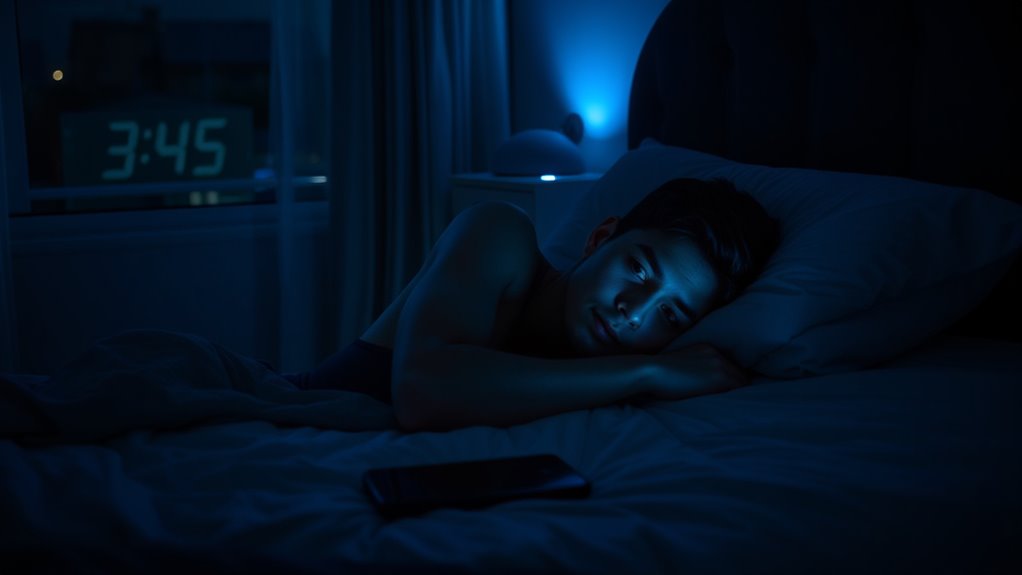
Diagnosing Delayed Sleep Phase Syndrome (DSPS) involves a careful assessment of your sleep patterns and daily habits. You’ll likely keep a sleep diary to track when you fall asleep, wake up, and how rested you feel. Your healthcare provider might recommend sleep studies to observe your natural sleep tendencies. To get an accurate diagnosis, they’ll consider factors like your use of melatonin supplements and your sleep hygiene habits. It’s important to identify if your delayed sleep schedule is consistent and persistent. Keep in mind:
- Your sleep timing remains delayed despite regular routines
- Symptoms persist for at least three months
- Lifestyle factors aren’t causing the delay
- You experience difficulty waking at conventional times
This thorough evaluation helps distinguish DSPS from other sleep disorders and guides appropriate diagnosis. Detecting passive voice can also improve clarity in your medical documentation. Additionally, understanding your circadian rhythm can assist healthcare providers in making a precise diagnosis.
Strategies and Treatments to Realign Your Sleep Schedule

To realign your sleep schedule with your desired times, a combination of behavioral strategies and, in some cases, medical interventions can be effective. Improving your sleep hygiene is essential; this means establishing a consistent sleep routine, limiting screen time before bed, and creating a comfortable sleep environment. Melatonin supplements can also help by signaling to your body that it’s time to sleep, especially if taken at the right time in the evening. Additionally, strategic light exposure—bright light in the morning and avoiding bright screens at night—can shift your internal clock. These approaches work best when combined with patience and consistency. Consulting a healthcare professional can help tailor a treatment plan suited to your specific needs, ensuring a smoother adjustment to a healthier sleep schedule.
Lifestyle Changes and Tips for Managing DSPS

To better manage DSPS, you should focus on establishing a consistent sleep schedule, even on weekends. Adjust your evening routine to wind down earlier and incorporate strategies like morning light exposure to reset your internal clock. Small lifestyle tweaks can make a significant difference in aligning your sleep patterns more naturally.
Consistent Sleep Schedule
Establishing a consistent sleep schedule is essential for managing Delayed Sleep Phase Syndrome, as it helps regulate your internal clock. By sticking to regular sleep and wake times, you support your natural sleep cycle and improve sleep hygiene. Consistency reinforces your body’s expectations, making it easier to fall asleep and wake up refreshed. To strengthen this routine, consider these key points:
- Set a fixed bedtime and wake time, even on weekends
- Avoid napping late in the day to prevent disrupting your sleep cycle
- Limit stimulating activities before bed to prepare your body for sleep
- Keep your sleep environment quiet, dark, and comfortable
Sticking to these habits helps your body adapt, making it easier to reset your internal clock and improve overall sleep quality.
Light Exposure Strategies
Have you considered how light exposure can influence your internal clock? Using light therapy in the morning can help reset your circadian rhythm, making it easier to fall asleep earlier. Aim for bright, natural light soon after waking—this signals your body that it’s daytime. Conversely, minimizing exposure to screens and artificial light in the evening supports proper melatonin timing, enabling you to feel sleepy at a more typical hour. Consistent, strategic light exposure can gradually shift your sleep phase earlier. Remember, the goal is to reinforce your body’s natural cues, so stick to a routine that aligns with natural light patterns. These lifestyle changes are simple yet effective ways to manage DSPS and regain a healthier sleep cycle.
Evening Routine Adjustments
Adjusting your evening routine can considerably improve your ability to fall asleep earlier. Focus on creating a calming sleep environment, free of bright screens and loud noises. Incorporate relaxing evening activities, such as reading or gentle stretching, to signal to your body that it’s time to wind down. Establish consistent bed and wake times to reinforce your internal clock. Avoid stimulating tasks or caffeine late in the day. To support these changes, consider these tips:
- Keep your bedroom cool, dark, and quiet
- Limit screen time at least an hour before bed
- Choose relaxing activities over stressful ones
- Stick to a routine to help train your body for sleep
These adjustments can help reset your body clock and promote healthier sleep patterns.
Frequently Asked Questions
Can DSPS Be Cured Completely or Only Managed?
You can’t usually cure DSPD completely, but you can manage it effectively. Behavioral therapy and good sleep hygiene help reset your body clock and improve sleep patterns. Consistently sticking to a sleep schedule, avoiding screens before bed, and practicing relaxation techniques can make a significant difference. While it may not be entirely cured, these strategies enable you to regain control over your sleep and daily life.
How Does DSPS Affect Mental Health and Daily Functioning?
Your mind becomes a boat caught in a storm, struggling to stay steady. DSPS disrupts your mental health and daily life by throwing circadian regulation off course, leading to mood swings, irritability, and difficulty concentrating. Poor sleep hygiene exacerbates these issues, making mornings harder. You may feel drained and unmotivated, as your internal clock battles against your daily demands, turning ordinary routines into turbulent waters.
Are There Medications Specifically Approved for DSPS Treatment?
Currently, there are no medications specifically approved solely for DSPS treatment. However, some medication options, like melatonin supplements and light therapy, are commonly used as approved treatments to help regulate your sleep schedule. Your doctor might also recommend behavioral strategies alongside these approaches. It’s important to work closely with a healthcare professional to develop a personalized plan that best addresses your delayed sleep phase issues.
What Are the Long-Term Health Risks of Untreated DSPS?
If you leave untreated DSPS, you risk long-term health issues like sleep deprivation, which can weaken your immune system and increase vulnerability to infections. You may also face cardiovascular problems, metabolic disorders like diabetes, and mental health challenges such as depression or anxiety. Over time, disrupted sleep patterns strain your overall health, making it essential to seek treatment and establish a consistent sleep routine to reduce these risks.
Can Children or Teenagers Develop DSPS?
Ever wonder if kids or teens can develop DSPS? Absolutely. Adolescent sleep patterns often shift, making it common for teens to have later sleep and wake times. But in some cases, their teen circadian rhythm becomes delayed, leading to DSPS. This condition disrupts their sleep cycle, causing difficulty falling asleep early and waking up on time. Early recognition helps manage symptoms and supports healthy sleep habits during these vital years.
Conclusion
Taking control of your sleep schedule can seem challenging, but with the right strategies, you can realign your body clock and enjoy better rest. Remember, your sleep health is essential to your overall well-being—so why settle for restless nights when solutions are within reach? By understanding DSPS and making mindful changes, you’re empowered to restore balance and wake up feeling refreshed every day. Isn’t it time you took the first step toward better sleep?
Halloween Picks
halloween
As an affiliate, we earn on qualifying purchases.