

Having fewer electronic inputs in your bedroom can make the space feel calmer and less chaotic. Excess gadgets and outlets create clutter and distractions, making it harder to relax and fall asleep. Simplifying your environment with fewer devices and better storage enhances lighting control and reduces overstimulation. This helps you regain control over your space and promotes better rest. If you want to discover how a minimal setup improves your well-being, keep exploring the benefits.

Get health and wellness essentials delivered free with Prime
- Fast, free delivery on millions of items
- Prime Video, Amazon Music and more included
- Member-only deals all year
Key Takeaways
- Reducing electronic inputs minimizes clutter, creating a calmer and more organized environment conducive to relaxation.
- Fewer gadgets and outlets prevent overstimulation, promoting better sleep quality.
- Simplified lighting controls enhance ambiance and signal readiness for rest.
- Fewer electronic devices decrease maintenance, troubleshooting, and dust accumulation.
- An uncluttered space supports overall well-being by fostering tranquility and reducing distractions.
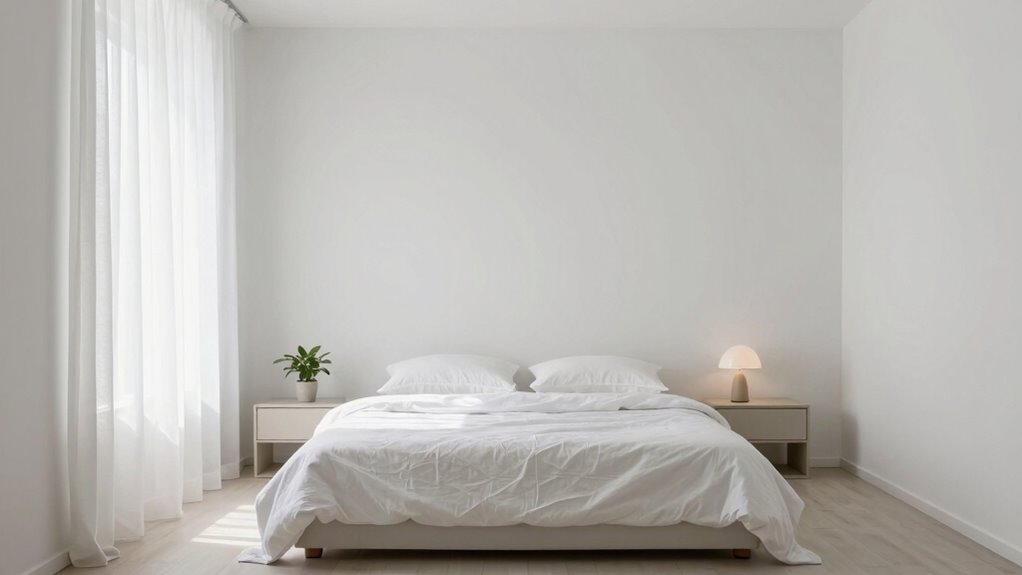
Have you ever considered how the number of electronic inputs in your bedroom can affect your space and sleep quality? It’s easy to assume that more gadgets, outlets, and devices make life more convenient, but in reality, they often clutter your space and create distractions. Too many inputs can lead to a chaotic environment where your room feels crowded and overstimulating, which isn’t ideal for relaxation or restful sleep. Simplifying your electronic setup allows you to regain control over your space and focus on what truly matters: comfort and tranquility.
One of the biggest benefits of reducing inputs is better lighting control. Multiple devices, switches, and outlets can make it difficult to create a calm, inviting atmosphere. When you limit the number of electronic inputs, you can install a centralized lighting system or smart controls that allow you to adjust your lighting with ease. Instead of juggling several switches or remotes, you get the convenience of dimming lights or turning them off altogether with a single command or button. This not only enhances your room’s ambiance but also helps signal to your brain that it’s time to wind down, promoting better sleep.
Simplify your lighting with smart controls to create a calming, sleep-friendly atmosphere.
Storage optimization is another critical reason to reduce electronic inputs. When your room is filled with chargers, power strips, and gadgets, it’s easy for clutter to accumulate. This mess can make your space feel smaller and more chaotic, which hampers relaxation. By minimizing the number of devices and outlets, you free up space for proper storage solutions. Think about hiding cords behind furniture or using sleek, integrated charging stations that keep everything neat and out of sight. Less clutter means a more peaceful environment, making it easier to unwind at the end of the day. Additionally, reducing electronic inputs can help manage electronic waste, supporting a more sustainable lifestyle. Being mindful of your environmental impact encourages responsible consumption and disposal of electronics, aligning with a broader effort to support biodiversity and environmental health.
Moreover, having fewer inputs simplifies your bedroom maintenance. Fewer cords and devices mean fewer tangled wires, less dust accumulation, and less troubleshooting. This streamlined setup encourages better organization and reduces the temptation to keep unnecessary electronics plugged in. Over time, this can lead to a more intentional, calming space designed specifically for rest and rejuvenation.
In the end, trimming down the electronic inputs in your bedroom isn’t just about aesthetics; it’s about creating an environment that promotes relaxation and quality sleep. By focusing on smart lighting control and storage optimization, you can turn your bedroom into a sanctuary free from unnecessary distractions. Less truly is more when it comes to designing a space that nurtures your well-being.
smart lighting control system for bedroom
As an affiliate, we earn on qualifying purchases.
As an affiliate, we earn on qualifying purchases.
Frequently Asked Questions
How Can Reducing Inputs Improve Sleep Quality?
Reducing inputs can considerably improve your sleep quality by promoting sensory reduction and environmental minimalism. When you cut back on noise, light, and electronic devices, your brain isn’t overstimulated, making it easier to fall asleep and stay asleep. Simplifying your bedroom environment creates a calming atmosphere, helping your mind relax. Less clutter and fewer distractions foster a peaceful space, so you wake up feeling more refreshed and ready for the day.
What Are Common Unnecessary Bedroom Gadgets?
Common unnecessary bedroom gadgets include smart alarms and sleep trackers. While these devices promise better sleep insights, they can cause distraction or anxiety, making it harder to rest. You might find that relying on simple, traditional methods like a consistent sleep schedule and blackout curtains improves your sleep more effectively. Removing these gadgets creates a calmer environment, helping you relax and fall asleep naturally without the noise of constant notifications or data obsession.
Does Fewer Technology Devices Increase Relaxation?
Yes, fewer technology devices can boost relaxation. When you cut back on gadgets, you create a calmer, more peaceful space. A smart home with minimal tech allows for easier control without constant notifications, promoting a digital detox. This reduction helps you unwind better, sleep more peacefully, and disconnect from stressors, making your bedroom a true sanctuary. Less tech means more tranquility and a healthier, more restful environment for you.
How to Identify Clutter That Hampers Sleep?
Like Cinderella’s pumpkin turning into a coach, your clutter transforms your bedroom into a noisy stage. To spot clutter that hampers sleep, look for decorative items that create sensory overload or distract you. If a space feels chaotic or visually busy, it’s likely hampering your rest. Remove excess decor, keep surfaces clear, and create a serene environment. Less visual noise promotes relaxation, helping you drift into restful sleep more easily.
Can Simplifying My Bedroom Boost Mental Health?
Yes, simplifying your bedroom can boost your mental health. Embracing minimalist design reduces sensory overload, creating a calming environment that promotes relaxation and better sleep. When your space is clutter-free, your mind feels clearer and less stressed. By removing unnecessary items and focusing on essentials, you foster a peaceful atmosphere that encourages mental clarity and emotional well-being, helping you start each day feeling refreshed and centered.
minimalist charging station for bedroom
As an affiliate, we earn on qualifying purchases.
As an affiliate, we earn on qualifying purchases.
Conclusion
Imagine slipping into a serene bedroom where the soft glow of a single lamp dances gently on the walls, and only the gentle hum of your breath fills the quiet. When you cut back on inputs—fewer devices, fewer distractions—you create a haven for restful sleep and peaceful moments. Less clutter, less noise, more calm. Sometimes, the simplest setup offers the deepest comfort, turning your bedroom into a true retreat from the chaos outside.
clutter-free bedroom storage solutions
As an affiliate, we earn on qualifying purchases.
As an affiliate, we earn on qualifying purchases.
As an affiliate, we earn on qualifying purchases.
Cold & flu season Picks
humidifiers
As an affiliate, we earn on qualifying purchases.