

Thinking about sleep as an ecosystem means viewing it as a living, interconnected system where everything influences your rest. Your environment, like light and noise, impacts your sleep cycles, while biological factors like hormones work in harmony to keep your sleep healthy. Disruptions in one part can weaken the whole system, making your sleep less restorative. By nurturing this ecosystem—adjusting habits and environment—you support better dreams and overall well-being. Keep exploring to understand how all these pieces work together.
Key Takeaways
- Viewing sleep as an ecosystem highlights the interconnectedness of biological, environmental, and behavioral factors maintaining sleep health.
- It emphasizes the importance of nurturing and protecting sleep cycles, especially dream cycles, for restorative sleep.
- External influences like light, noise, and temperature shape the overall quality and stability of the sleep environment.
- Maintaining internal biological rhythms, such as melatonin and cortisol levels, is crucial for a balanced sleep ecosystem.
- Small habit changes and environmental adjustments can enhance the resilience and functionality of the sleep ecosystem.
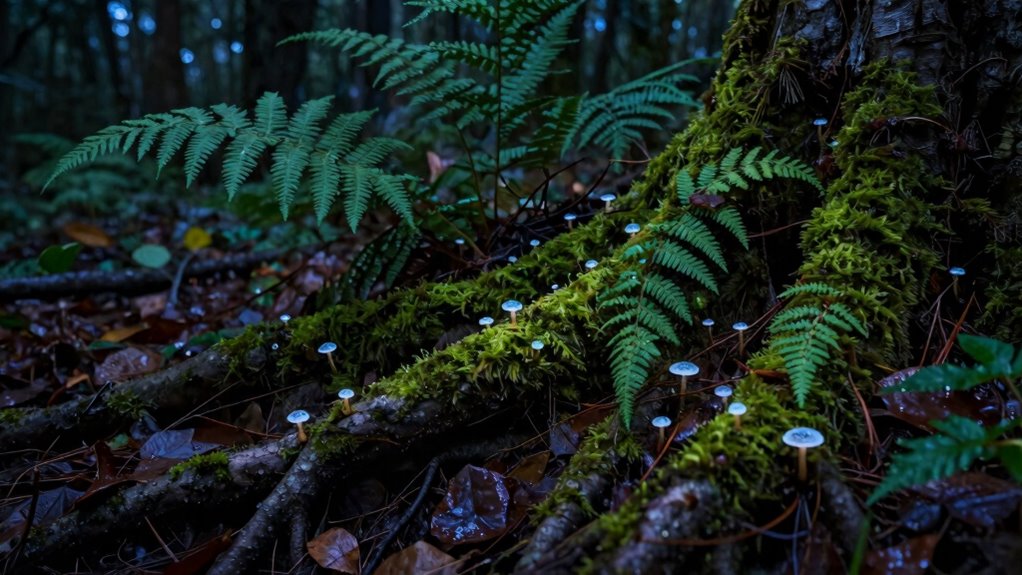
Have you ever considered that sleep isn’t just a passive state but a complex, dynamic ecosystem within your body? When you drift off, your body and mind engage in intricate processes that resemble a thriving, interconnected environment. Central to this system are dream cycles, which aren’t just random images or stories but crucial components that reflect and influence your overall sleep health. During different stages, your brain shifts through various dream cycles—some deep and restorative, others more light and fleeting. These cycles are affected by countless factors, including environmental influences that shape the quality of your sleep ecosystem. Light exposure, temperature, noise levels, and even your sleep environment’s comfort all play roles in how smoothly this ecosystem functions.
Your brain doesn’t simply shut down when you sleep; instead, it continually processes and reorganizes information, maintaining a delicate balance. Dream cycles, particularly during REM sleep, serve as a sort of mental cleanup crew, helping consolidate memories and clear emotional clutter. If your environment is disruptive—say, too much light, inconsistent temperature, or background noise—you throw off this delicate balance. These environmental influences can shorten or fragment your dream cycles, leading to less restorative sleep and a weakened ecosystem. Over time, this imbalance affects your mood, cognitive function, and overall health. Understanding the role of dream cycles in sleep health highlights how interconnected and sensitive the sleep ecosystem truly is. Additionally, research shows that disruptions to sleep architecture can significantly impact your overall health, emphasizing the importance of maintaining a stable sleep environment. Creating a conducive sleep environment supports the natural regulation of hormones that are essential for a balanced sleep ecosystem. An environment that promotes consistent sleep patterns can also help maintain the internal biological rhythms that keep your sleep cycle functioning optimally. Recognizing the importance of sleep as a biological process underscores how vital it is to nurture and protect this intricate system.
Disruptions like noise or light fragment dream cycles, harming sleep quality and overall well-being.
In this ecosystem, your body’s internal systems also play a crucial role. Hormones like melatonin and cortisol fluctuate in response to environmental cues, guiding your sleep-wake rhythms. When these cues are misaligned—perhaps due to irregular sleep schedules or exposure to screens late at night—they interfere with your sleep ecosystem’s natural rhythms. It’s like disturbing the natural flow of a delicate biome, where each element depends on the others to keep the whole system thriving. The more you understand that sleep is an ecosystem influenced by external and internal factors, the better you can foster conditions that support healthy dream cycles and a balanced environment.
Thinking of sleep as an ecosystem emphasizes its complexity and interconnectedness. It encourages you to see your sleep environment and habits as part of a broader system that needs nurturing. Small changes—like reducing noise, controlling light, or establishing consistent sleep routines—help preserve this ecosystem’s health. Ultimately, recognizing this interconnectedness motivates you to create a sleep environment that supports your body’s natural rhythms, allowing your dream cycles to flourish and your sleep to be truly restorative.

MyHalos® Sleep Mask for Men and Women, 3D Blackout Eye Masks for Sleep
- Complete Blackout Design: Blocks 100% light with contoured shape
- Zero Eye Pressure: Prevents eyelid and lash contact
- Ideal for Side Sleepers: Contours fit all face shapes comfortably
As an affiliate, we earn on qualifying purchases.
As an affiliate, we earn on qualifying purchases.
Frequently Asked Questions
How Does Sleep Affect Overall Mental Health?
Sleep profoundly impacts your mental health by supporting dream regulation and mood stabilization. When you get enough quality sleep, your brain processes emotions and memories effectively, reducing stress and anxiety. Poor sleep disrupts dream regulation, leading to emotional imbalances and increased risk of depression. Prioritizing restful sleep helps maintain mental clarity, emotional resilience, and overall well-being, making it essential for a healthy mind and balanced mood.
Can Diet Influence Sleep Ecosystem Balance?
Ever wonder how your diet influences your sleep ecosystem? Yes, it does. Your gut microbiota plays an essential role, and nutrient impact is significant. When you eat balanced, nutrient-rich foods, you support healthy gut bacteria, which in turn promotes better sleep. Conversely, poor diet choices can disrupt this balance. So, by choosing the right foods, you help maintain a harmonious sleep ecosystem, leading to improved rest and overall health.
What Role Do Environmental Factors Play in Sleep?
Environmental factors greatly influence your sleep by affecting your circadian rhythms through cues like light, temperature, and noise. When your environment aligns with natural cues—such as dimming lights at night and keeping your room cool—you signal to your body that it’s time to sleep. Disruptions to these cues, like bright screens or loud noises, can throw off your rhythms, making it harder to fall asleep and stay rested.
How Do Different Ages Impact Sleep Ecosystem Dynamics?
As you age, sleep ecosystems shift like seasons—what once felt restorative may become fragmented. During infancy, rapid development demands more sleep, while adolescence faces changing circadian rhythms, often leading to irregular sleep patterns. Adults experience deeper, more consolidated sleep, but aging brings lighter, fragmented rest. Developmental stages shape your body’s needs, making sleep an adaptable ecosystem that evolves with your age, constantly adjusting to your changing biological landscape.
Are There Specific Microorganisms Involved in Sleep Quality?
Yes, specific microorganisms influence sleep quality through microbial diversity. Your gut bacteria interact with your brain via the gut-brain axis, affecting sleep patterns. Beneficial microbes like Lactobacillus and Bifidobacterium can promote better sleep by reducing stress and inflammation. Maintaining a diverse microbiome supports this connection, helping regulate sleep cycles. So, nurturing your gut health with probiotics, fiber, and a balanced diet can positively impact your sleep quality.

Magicteam Sound White Noise Machine with 20 Non Looping Natural Soothing Sounds and Memory Function 32 Levels of Volume Powered by AC or USB and Sleep Sound Timer Therapy for Baby Kids Adults
- 20 Non-Looping Soothing Sounds: Includes white, brown, pink, blue noise, and nature sounds
- Adjustable Volume & Timer: 32 volume levels and multiple timer options
- Portable & Compact Design: Small size for home, office, or travel use
As an affiliate, we earn on qualifying purchases.
As an affiliate, we earn on qualifying purchases.
Conclusion
Think of your sleep as a delicate forest, where every element—from your dreams to your rest—plays a essential role. When you nurture this ecosystem with mindful habits, you cultivate a sanctuary of renewal and vitality. Ignoring its needs is like neglecting the roots that sustain the trees—eventually, everything weakens. So, tend your sleep forest gently, and watch as it blossoms into a sanctuary where renewal and peace grow wild and free.
temperature control sleep system
As an affiliate, we earn on qualifying purchases.
As an affiliate, we earn on qualifying purchases.
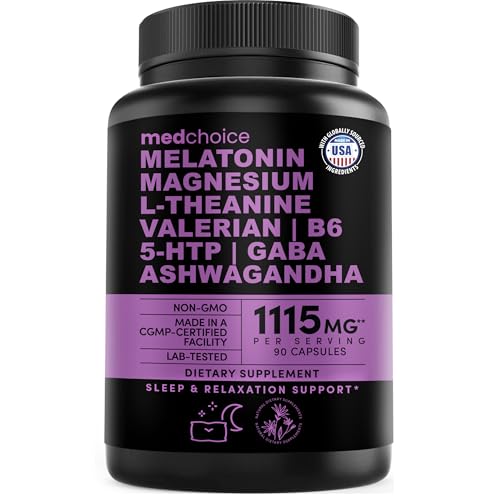
MEDCHOICE 12-in-1 Melatonin 5mg Sleep Capsules with Magnesium, 90ct
- Improved Non-Habit Forming Formula: Supports restful sleep naturally
- Powerful Ingredient Blend: Includes melatonin, magnesium, ashwagandha, and more
- Calm and Relaxation Support: L-Theanine and magnesium promote relaxation
As an affiliate, we earn on qualifying purchases.
As an affiliate, we earn on qualifying purchases.