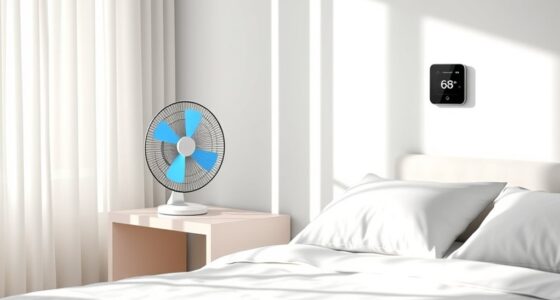

One of the most common recovery mistakes you make at night is neglecting your sleep environment, which disrupts your sleep cycles. Bright lights, noise, or uncomfortable settings prevent deep, restorative rest. Using electronics before bed or inconsistent routines can also interfere with your body’s ability to repair and rejuvenate. Small changes in your environment and habits can make a big difference. Keep going, and you’ll discover more ways to improve your nighttime recovery.

Get health and wellness essentials delivered free with Prime
- Fast, free delivery on millions of items
- Prime Video, Amazon Music and more included
- Member-only deals all year
Key Takeaways
- Using electronic devices before bed, exposing blue light that hampers melatonin production.
- Inconsistent sleep schedules that disrupt the body’s internal clock.
- Poor sleep environment, such as noise, light, or uncomfortable bedding.
- Consuming caffeine, alcohol, or heavy meals close to bedtime, impairing sleep quality.
- Neglecting a calming pre-sleep routine, leading to difficulty relaxing and falling asleep.

Many people overlook the importance of proper recovery during the night, often making mistakes that can hinder their progress and affect overall health. One of the most common errors is neglecting the quality of your sleep environment. If your bedroom isn’t conducive to restful sleep, your body won’t get the chance to repair and regenerate effectively. Factors like a noisy, bright, or uncomfortable room can disrupt your sleep cycles, leaving you tired and less capable of recovery. You might not realize how much your sleep environment influences your nighttime habits, which are vital for restoring energy and promoting overall wellness. For example, using electronics right before bed or keeping your phone nearby can lead to exposure to blue light, which hampers melatonin production and delays falling asleep. If your room isn’t dark enough or your mattress is uncomfortable, you may toss and turn instead of experiencing deep, restorative sleep. These issues often go unnoticed but profoundly impact your recovery process. Additionally, understanding the significance of sleep phases can help you optimize your sleep quality and recovery, especially since different stages are crucial for various aspects of repair and rejuvenation. A good sleep environment also minimizes disruptions, allowing your body to progress smoothly through these critical phases. Creating a tranquil sleep space can also lower nighttime stress levels, further supporting your recovery.
Your nighttime habits also play an essential role in how well you recover. Many people underestimate the power of a consistent sleep schedule, often staying up late on weekends or waking up at different times each day. This inconsistency throws off your internal clock, making it harder for your body to enter and sustain the deep sleep stages necessary for physical repair and mental rejuvenation. Additionally, habits like consuming caffeine or heavy meals close to bedtime can interfere with falling asleep easily and staying asleep throughout the night. Even alcohol, which some believe helps you relax, actually fragments sleep and prevents you from reaching the most restorative stages. You might also neglect relaxing routines that prepare your mind and body for rest, such as reading, gentle stretching, or meditation. Without these calming activities, your mind remains alert and restless, further impairing your ability to recover overnight. Moreover, sleep hygiene plays a vital role in establishing habits that promote quality sleep and full recovery. Developing consistent bedtime routines can significantly improve your sleep quality and overall recovery process. Recognizing the importance of sleep environment can make a noticeable difference in how quickly you fall asleep and stay asleep through the night.
People often overlook the cumulative impact of their nighttime habits and sleep environment. Small adjustments, like investing in blackout curtains, keeping a consistent sleep schedule, and establishing a calming pre-sleep routine, can make a considerable difference. You need to recognize that recovery isn’t just about the hours you spend in bed—it’s about the quality of those hours. Creating a sleep environment that promotes comfort and tranquility, along with adopting healthy nighttime habits, guarantees your body can fully repair and recharge. When you do this, you maximize your chances of waking up refreshed, energized, and ready to face the day, making nighttime your most valuable period of recovery.
blue light blocking glasses for sleep
As an affiliate, we earn on qualifying purchases.
As an affiliate, we earn on qualifying purchases.
Frequently Asked Questions
How Do Recovery Mistakes Affect Long-Term Health?
Recovery mistakes, like poor sleep hygiene and neglecting stress management, can harm your long-term health by disrupting your sleep cycle and increasing chronic stress. This can lead to weakened immune function, weight gain, and mental health issues over time. When you prioritize good sleep habits and manage stress effectively, you support your body’s ability to recover and maintain overall well-being, reducing the risk of serious health problems later on.
Are Certain Recovery Mistakes More Common Among Specific Age Groups?
Yes, certain recovery mistakes are more common among specific age groups due to age-specific habits and recovery patterns. Younger individuals might overlook adequate sleep or stretching, while older adults may neglect proper hydration or avoid gentle exercises. These habits influence recovery efficiency, leading to longer-lasting fatigue or injury risk. Recognizing age-related differences helps you adapt your recovery routine, ensuring better health outcomes and preventing mistakes that could hinder your progress.
Can Recovery Errors Impact Mental Health Overnight?
Ironically, neglecting proper recovery can silently harm your mental health overnight. Poor sleep hygiene and inadequate stress management can increase anxiety, depression, and cognitive fog by morning. When you overlook these aspects at night, you’re actually sabotaging your mental well-being, often without realizing it. Prioritize consistent sleep routines and stress reduction techniques to protect your mental health, especially during those vital overnight hours.
What Are Quick Fixes to Prevent Nighttime Recovery Mistakes?
To prevent nighttime recovery mistakes, improve your sleep environment by keeping your room cool, dark, and quiet. Use relaxation techniques like deep breathing or gentle stretches before bed to calm your mind and body. Avoid screens and caffeine close to bedtime. These quick fixes help you fall asleep faster and enhance recovery, reducing mental health impacts and ensuring a restful night. Consistency is key for long-term benefits.
Do Recovery Mistakes Vary Between Men and Women?
Think of your body as a finely tuned engine, where gender differences act as unique fuel types. Men and women experience hormonal influences differently, affecting their recovery mistakes at night. Women might be more prone to sleep disruptions from hormonal shifts, while men may face other challenges. Recognizing these differences helps you tailor your nighttime habits, reducing mistakes and optimizing recovery for your specific needs.
As an affiliate, we earn on qualifying purchases.
Conclusion
If you ignore your nighttime recovery routine, you risk setbacks that could slow your progress. For instance, imagine you skip stretching after a late workout, leading to stiffness and soreness the next day. By establishing a consistent evening routine—like proper stretching, hydration, and sleep—you support your body’s repair process. Don’t let a small mistake derail your hard work; prioritize your recovery each night to see better results and avoid unnecessary setbacks.
memory foam mattress for deep sleep
As an affiliate, we earn on qualifying purchases.
As an affiliate, we earn on qualifying purchases.
As an affiliate, we earn on qualifying purchases.
Columbus Day / Indigenous Peoples' Day Picks
long weekend sales
As an affiliate, we earn on qualifying purchases.