
Creating a better recovery routine helps reduce nighttime anxiety by promoting relaxation and signaling to your brain that it’s time to unwind. Incorporate calming practices like deep breathing, progressive muscle relaxation, or mindfulness meditation to ease tension. Keep your sleep environment cool, dark, and quiet, and stick to a consistent pre-sleep routine to strengthen your sleep signals. By making these changes, you’ll find it easier to relax and drift into restful sleep. Keep exploring for more effective ways to improve your sleep routine.
Key Takeaways
- A structured recovery routine promotes relaxation, reducing stress and calming the mind before bedtime.
- Consistent practices reinforce sleep signals, easing the transition into restful sleep and decreasing nighttime anxiety.
- Incorporating relaxation techniques like deep breathing and mindfulness helps lower heart rate and tension.
- A calm, distraction-free environment minimizes external triggers that contribute to anxiety.
- Routine habits strengthen sleep hygiene, supporting better sleep quality and emotional resilience at night.
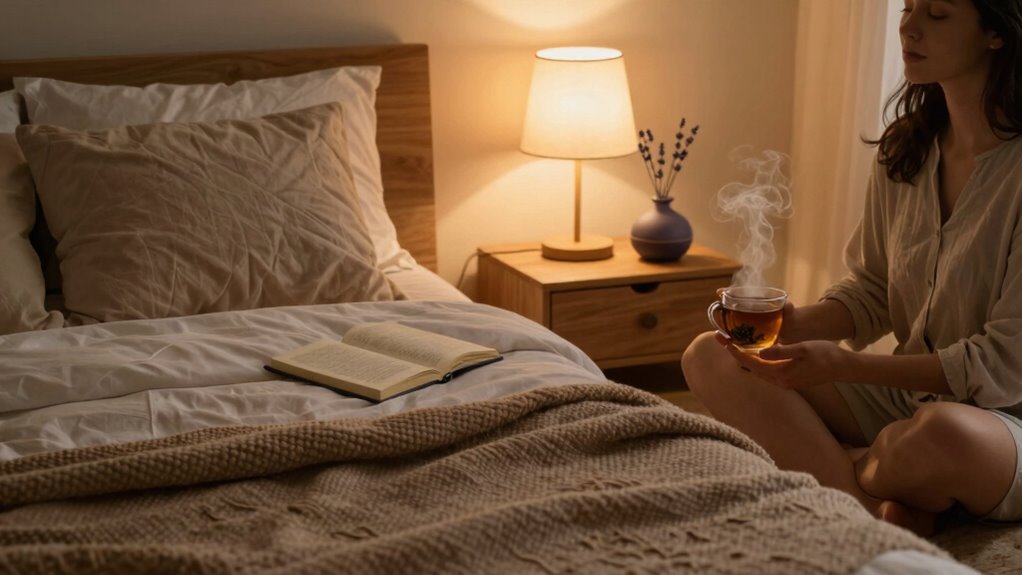
Nighttime anxiety can make falling asleep feel like an uphill battle, but establishing a better recovery routine can considerably ease this struggle. One of the first steps you can take is to optimize your sleep environment. Your bedroom should be a sanctuary designed for rest. Keep the room cool, dark, and quiet, and invest in comfortable bedding. Remove electronic devices that emit blue light, which can interfere with your melatonin production. Using blackout curtains and a white noise machine can help create a calm, distraction-free space that signals to your brain it’s time to wind down. When your environment is conducive to sleep, your mind feels more at ease, making it easier to shift into rest without the added stress of external disruptions. Ensuring your sleep environment is comfortable and free from distractions supports your body’s natural sleep signals and can reduce nighttime anxiety.
In addition to a peaceful sleep environment, incorporating relaxation techniques into your nightly routine can substantially reduce anxiety. Techniques like deep breathing exercises, progressive muscle relaxation, or mindfulness meditation help calm your nervous system. For instance, taking slow, deep breaths can lower your heart rate and ease tension, making it easier to drift off. Progressive muscle relaxation involves tensing and then relaxing each muscle group, which relieves physical stress and promotes a sense of calm. Mindfulness meditation encourages you to focus on the present moment, helping to quiet racing thoughts that often fuel nighttime anxiety. Consistently practicing these techniques before bed trains your mind and body to associate certain actions with relaxation, creating a mental cue that it’s time to sleep. Establishing these calming rituals can also help condition your body to recognize when it’s time to rest, supporting overall sleep health. Additionally, understanding the importance of sleep hygiene can further enhance your ability to reduce nighttime anxiety and improve sleep quality. Developing a consistent pre-sleep routine can help your body anticipate and prepare for sleep, making it easier to transition into rest. Incorporating relaxation practices into your nightly habits can further strengthen this process by reinforcing the signals for rest and relaxation.
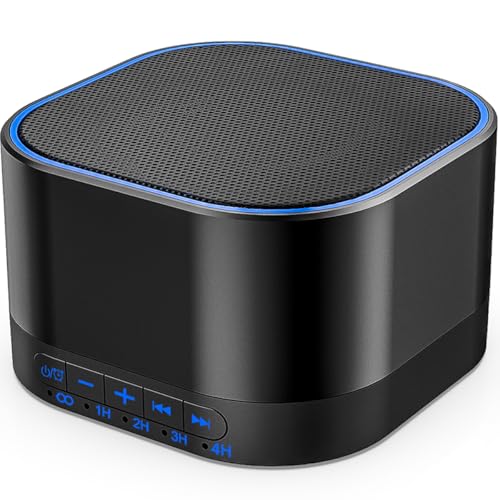
Magicteam Sound White Noise Machine with 20 Non Looping Natural Soothing Sounds and Memory Function 32 Levels of Volume Powered by AC or USB and Sleep Sound Timer Therapy for Baby Kids Adults
- 20 Non-Looping Soothing Sounds: Includes white, brown, pink, blue noise, and nature sounds
- Adjustable Volume & Timer: 32 volume levels and multiple timer options
- Portable & Compact Design: Small size for home, office, or travel use
As an affiliate, we earn on qualifying purchases.
As an affiliate, we earn on qualifying purchases.
Frequently Asked Questions
Can Recovery Routines Completely Eliminate Nighttime Anxiety?
Recovery routines can’t completely eliminate nighttime anxiety, but they notably improve sleep and reduce stress. By incorporating relaxation techniques like deep breathing or meditation, you create a calming environment that helps your mind unwind. Consistent sleep improvement habits, such as avoiding screens before bed and sticking to a routine, support better rest. Over time, these practices lessen anxiety’s impact, making it easier to fall asleep and stay asleep throughout the night.
How Long Does It Take to See Results From a New Routine?
Like planting a seed, your new routine needs time to blossom. Usually, you’ll notice sleep improvement and calmer nights within two to four weeks, but it varies. Consistently practicing relaxation techniques and sticking to your routine accelerates progress. Be patient and gentle with yourself—positive change is a journey, not a sprint. With dedication, you’ll find your nights becoming more peaceful, and anxiety fading into the background.
Are There Any Risks Associated With Certain Recovery Practices?
Yes, some recovery practices, especially certain alternative therapies and holistic approaches, can carry risks if not properly guided. You should research thoroughly and consult healthcare professionals before trying new methods like herbal supplements or energy healing. Keep in mind that individual responses vary, and some practices might interfere with medications or underlying conditions. Always prioritize safety and personalized guidance to minimize potential risks.
Can Recovery Routines Be Personalized for Different Anxiety Types?
Think of recovery routines as tailoring a suit—each one fits differently depending on your body. You can personalize strategies with anxiety-specific techniques, ensuring they match your unique needs. Whether your anxiety stems from racing thoughts or physical tension, adapting your routine makes it more effective. By customizing your approach, you create a calming armor that helps you relax and sleep better, no matter your anxiety type.
How Do Lifestyle Changes Complement Recovery Routines?
Lifestyle changes, like improving sleep hygiene and stress management, perfectly complement your recovery routines. By establishing a consistent sleep schedule, avoiding screens before bed, and practicing relaxation techniques, you set a solid foundation for better sleep. Managing stress through mindfulness or exercise reduces anxiety’s impact at night. These changes reinforce your recovery efforts, making it easier to relax, fall asleep, and wake up refreshed, ultimately aiding your nighttime anxiety relief.
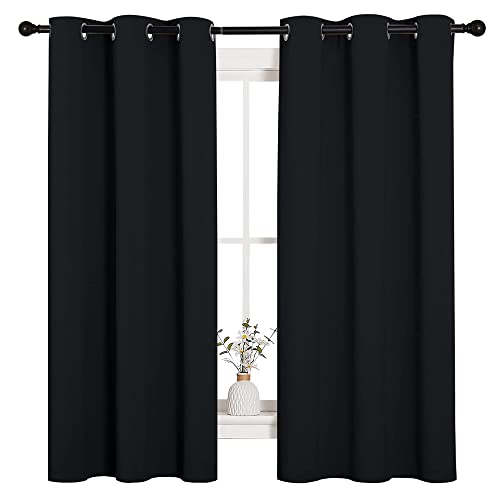
NICETOWN Halloween Pitch Black Solid Thermal Insulated Grommet Blackout Curtains/Drapes for Bedroom Window (2 Panels, 42 inches Wide by 63 inches Long, Black)
- Set Includes: 2 blackout curtains, 42×63 inches each
- Grommet Design: 6 grommets per panel for easy hanging
- Light Blocking: Blocks 85%-99% of light and UV rays
As an affiliate, we earn on qualifying purchases.
As an affiliate, we earn on qualifying purchases.
Conclusion
A stronger, soothing recovery routine can considerably diminish nighttime anxiety, allowing you to drift into deep, restful sleep. By building calm, consistent rituals, you create a comforting cycle that calms your mind and relaxes your body. Embrace these simple steps to soothe stress, silence worries, and surrender to serenity. Start small, stay steady, and soon you’ll find peace in your evening, paving the way for peaceful, prosperous nights and brighter, balanced days ahead.
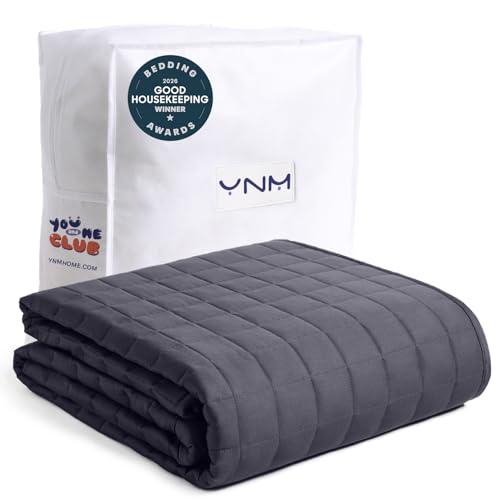
YnM 15lbs Weighted Blanket for Adults, Heavy Bed Throw Blanket with Cooling Glass Beads for All Season Use, Ideal for ~140lbs (48×72 Inches, Twin/Full, Dark Grey)
- Small 2×2 Inch Compartments: Secure duvet cover with 16 loops
- 7-Layer Adaptive Design: Contours to body for comfort and temperature regulation
- Cooling Glass Beads: Enhanced temperature control for hot sleepers
As an affiliate, we earn on qualifying purchases.
As an affiliate, we earn on qualifying purchases.

A Guided Meditation For Healthful Sleep: Music & Visualization for Insomnia Relief and Deep Relaxation
As an affiliate, we earn on qualifying purchases.
As an affiliate, we earn on qualifying purchases.