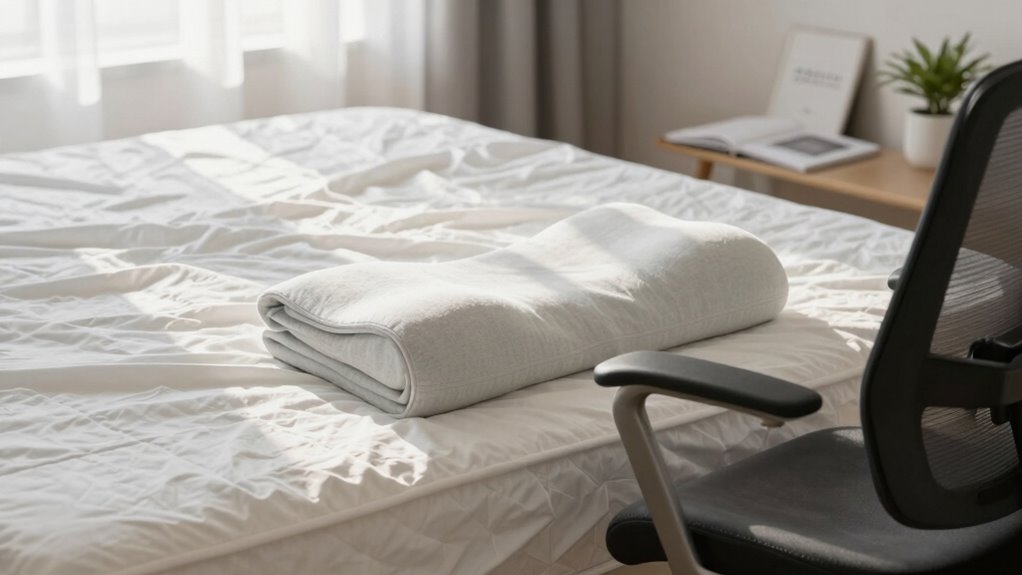

Back pain recovery isn’t just about choosing the right mattress, as your sleep environment plays a crucial role. Your posture during daily activities, like sitting and moving around, also impacts healing. A holistic approach that includes proper movement, stretching, and lifestyle adjustments is essential. Ignoring these aspects can slow progress or cause setbacks. If you want to know how to support your recovery fully, keep exploring the key factors that influence back health.

Get health and wellness essentials delivered free with Prime
- Fast, free delivery on millions of items
- Prime Video, Amazon Music and more included
- Member-only deals all year
Key Takeaways
- Optimal recovery requires a supportive sleep environment, but it is only one part of overall healing.
- Poor posture during daily activities can worsen back pain, regardless of mattress comfort.
- Incorporating proper movement, stretching, and strengthening exercises is essential for sustained recovery.
- Understanding spinal biomechanics and consulting healthcare professionals provide personalized strategies beyond just the mattress.
- A holistic approach addressing sleep, posture, activity, and lifestyle ensures more effective and lasting back pain relief.

Are you wondering how to effectively recover from back pain? Many people assume that a better mattress alone will solve their discomfort, but the truth is, back pain recovery is rarely just about the mattress. Your sleep environment plays an essential role, but it’s only one piece of the puzzle. A proper sleep setup involves more than just the bed; it includes your entire sleep environment, which should promote spinal health. Ensuring your room is dark, quiet, and cool can improve sleep quality, helping your body heal. However, even the best sleep environment won’t fully resolve back pain if other factors aren’t addressed.
One of the most overlooked elements in back pain recovery is your posture during daily activities, especially when sitting. Many people underestimate how much time they spend seated during work or leisure, and poor posture can exacerbate back problems. This is where ergonomic chairs come into play. Investing in an ergonomic chair isn’t just about comfort—it’s about supporting your spine properly during extended periods of sitting. These chairs are designed to keep your back aligned, reducing strain on your lumbar region and preventing further injury. When you sit in an ergonomic chair, you promote better posture, which lessens the load on your spine and muscles, aiding your recovery process.
Proper ergonomic chairs support spinal alignment and reduce strain during long periods of sitting, aiding back pain recovery.
Recovery isn’t solely about what you do at night or how you sit during the day; it’s about creating a holistic approach. While a good sleep environment and ergonomic chairs are essential, they are just parts of a broader strategy that includes proper movement, stretching, and strengthening exercises. Staying active with gentle movements helps keep your muscles flexible and prevents stiffness, which can hinder healing. It’s equally important to listen to your body and avoid activities that cause pain or discomfort, as pushing through pain can set back your progress. Incorporating proper movement techniques can further support your recovery by reducing stress on your spine. Regularly practicing posture awareness can also significantly improve your back health and prevent future issues. Additionally, understanding spinal biomechanics can help you identify habits that may contribute to back problems and address them effectively. Incorporating mindful movement practices can enhance your body’s awareness and reduce the risk of strain.
In addition, consulting healthcare professionals for personalized advice can make a significant difference. They might recommend physical therapy, specific stretches, or modifications to your daily routine. The goal is to reduce strain on your back from multiple angles—improving your sleep environment, maintaining proper posture with ergonomic seating, and staying active. Remember, back pain recovery isn’t a quick fix; it’s a process that requires attention to all aspects of your lifestyle. Focusing solely on a new mattress ignores other critical factors that influence your healing, so take a holistic approach to support your back every step of the way.
Products Worth Considering
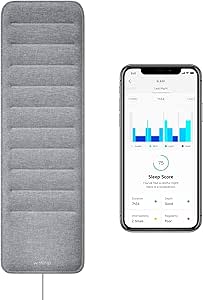
Withings Sleep Under-Mattress Sleep Tracking Pad

BowFlex Results Series SelectTech 552 Adjustable Dumbbell

Withings Body Scan Smart Scale with Segmental Body Composition and ECG, Black
As an affiliate, we earn on qualifying purchases.
Frequently Asked Questions
Can Specific Mattress Types Worsen Back Pain Over Time?
Yes, certain mattress types like overly soft or very firm memory foam mattresses can worsen back pain over time. If a mattress doesn’t provide proper support or aligns poorly with your mattress firmness preferences, it can strain your spine and muscles. Memory foam mattresses that are too plush or too firm might not maintain natural spinal curves, leading to discomfort and prolonged pain. Choosing a supportive, balanced mattress is key to relief.
How Long Does It Typically Take to See Recovery Results?
Recovery time varies based on your sleep posture, mattress durability, and overall health, but you might start noticing improvements within a few weeks. Maintaining good sleep posture and choosing a durable mattress can speed up your healing process. Consistency is key—stick with your new routine and give your body time to adapt. Typically, it takes about 4 to 8 weeks to see significant back pain relief.
Are There Any Exercises Recommended During Back Pain Recovery?
You should absolutely do gentle exercises like core strengthening and posture correction during back pain recovery. Think of these exercises as your superhero tools, fighting off pain and strengthening your back’s defenses. Focus on controlled movements and avoid anything too intense. Incorporating these into your daily routine helps rebuild strength and realigns your posture, making recovery faster and more effective—like giving your back a much-needed, superhero-powered boost!
Does Stress Affect Back Pain Recovery Process?
Stress definitely affects your back pain recovery process. When you’re stressed, it can increase muscle tension and worsen pain, making healing harder. Managing stress through relaxation techniques and prioritizing emotional well-being helps reduce this tension, promoting better recovery. Incorporating stress management strategies into your routine supports your body’s healing process, ensuring you recover more effectively and prevent future setbacks. Your emotional health plays a vital role in back pain recovery.
When Should I See a Specialist for Persistent Back Pain?
If your back pain persists beyond six weeks, you should see a specialist. Studies show that about 20% of acute pain cases develop into chronic pain if untreated. When pain affects your daily activities or doesn’t improve with initial treatments, exploring treatment options with a specialist becomes essential. Early intervention can prevent long-term issues, ensuring you get targeted care tailored to your specific condition, rather than settling for generalized solutions.
Conclusion
Remember, back pain recovery isn’t just about choosing the right mattress—you’re more than your bed. Studies show that only 10% of chronic back pain cases are solely due to mattress quality; most involve posture, activity, and overall health. So, focus on an all-encompassing approach: stay active, practice good ergonomics, and seek professional advice. With the right habits, you’ll find relief faster and keep your back stronger for the long haul.