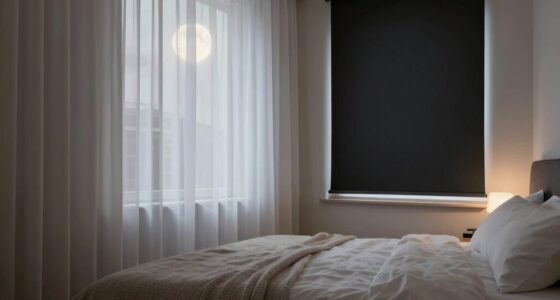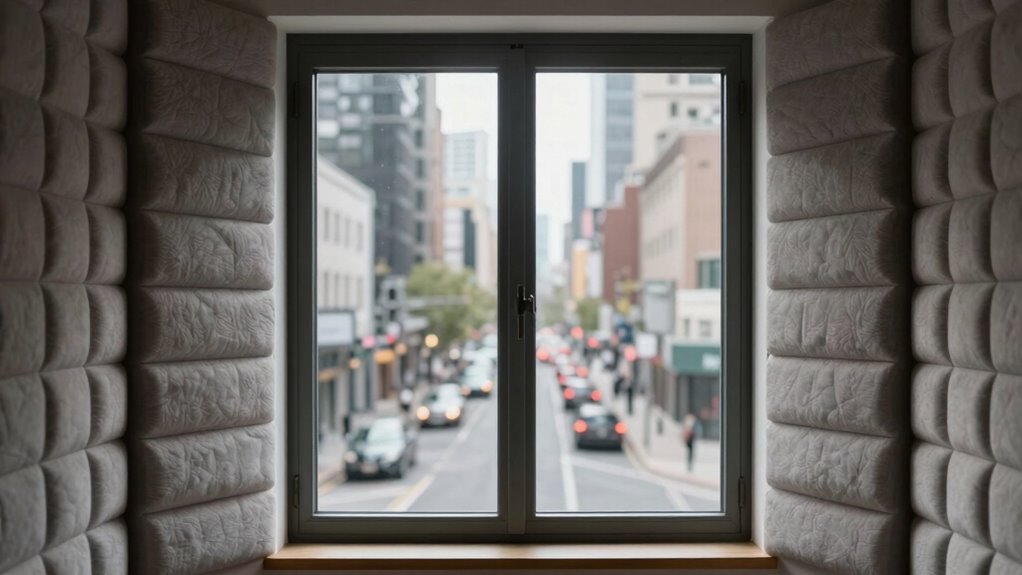

Soundproofing helps you block out noise from neighbors and traffic, making your apartment much calmer and more private. It reduces sounds bouncing inside and prevents external noise from disturbing your peace. By adding materials like acoustic panels, sealing windows, and using rugs or curtains, you can create a quieter space. The more you explore these options, the better you’ll understand how to make your home truly peaceful and noise-free.

Get health and wellness essentials delivered free with Prime
- Fast, free delivery on millions of items
- Prime Video, Amazon Music and more included
- Member-only deals all year
Key Takeaways
- Soundproofing reduces external traffic noise, creating a quieter living environment.
- It minimizes sound transmission between apartments, enhancing privacy and comfort.
- Acoustic treatments absorb and block noise, preventing echoes and loud sounds from nearby streets.
- Upgrading windows and sealing gaps significantly decreases outside noise infiltration.
- Combining multiple measures ensures effective, long-lasting noise reduction for indoor tranquility.
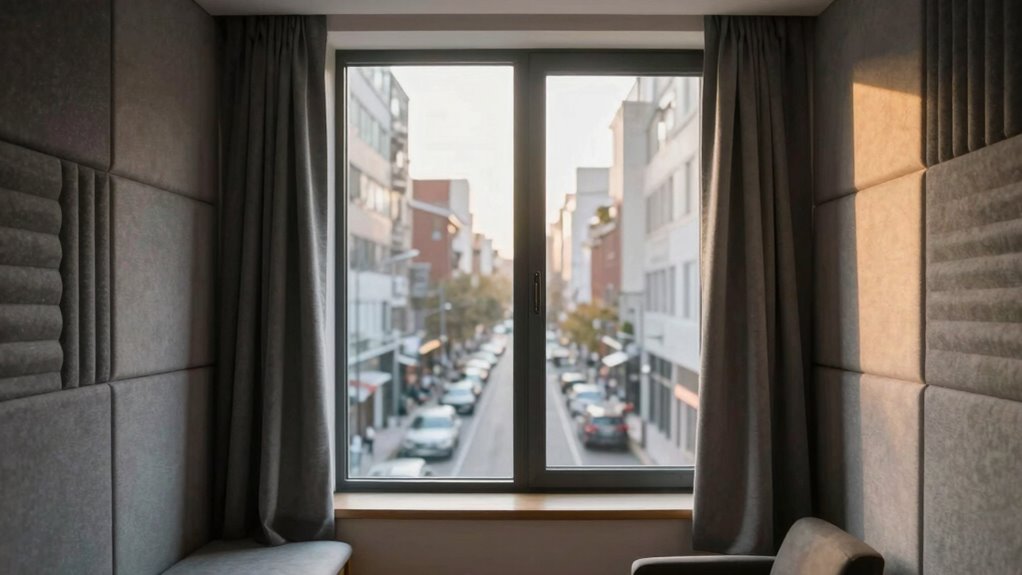
Living in an apartment often means dealing with noise from neighbors or nearby sources, which can disrupt your peace and focus. Fortunately, soundproofing can markedly reduce the impact of these disturbances. One of the most effective ways to manage noise is by installing acoustic panels. These panels absorb sound waves, preventing echoes and muffling loud sounds from adjacent units or the street. When strategically placed on walls or ceilings, acoustic panels help create a quieter environment, making it easier for you to relax, work, or sleep without constant interruptions. They’re especially useful if your apartment has thin walls or floors that transmit noise easily.
Another vital aspect of soundproofing is window sealing. Windows are often the weakest point for sound transmission, especially in noisy urban areas. By sealing gaps around your windows with weatherstripping or acoustic sealant, you block out a considerable amount of external noise, such as traffic or sirens. This simple step can make a noticeable difference in your daily comfort. For even better results, consider installing double-pane or laminated glass windows, which provide a much higher level of sound insulation than single-pane options. These upgrades help to keep the din of traffic outside from infiltrating your living space, giving you a calmer environment to unwind.
Beyond acoustic panels and window sealing, you might also look into adding rugs, heavy curtains, or wall hangings. These items help absorb sound within your apartment, reducing echoes and minimizing noise bouncing around your space. Combining these interior solutions with exterior measures like window sealing creates a layered defense against noise pollution. Keep in mind that the goal is to create a barrier that prevents sound from entering and exiting your apartment, so addressing multiple points of vulnerability will yield the best results. Additionally, understanding the soundproofing materials available can help you choose the most effective solutions for your specific needs. Using the right soundproofing techniques can significantly enhance your overall comfort and privacy. Incorporating proper installation methods ensures these solutions perform optimally over time. Exploring soundproofing innovations can also introduce new ways to improve your space’s acoustic comfort efficiently.
acoustic wall panels for soundproofing
As an affiliate, we earn on qualifying purchases.
As an affiliate, we earn on qualifying purchases.
Frequently Asked Questions
How Much Does Professional Soundproofing Typically Cost?
Professional soundproofing typically costs between $1,000 and $10,000, depending on the scope of your project and the materials used. You’ll see improvements in interior acoustics, making your space quieter and more comfortable. Skilled installers use effective noise reduction techniques like adding insulation, sealing gaps, and installing acoustic panels. While it’s an investment, professional soundproofing considerably reduces external noise, creating a more peaceful environment tailored to your needs.
Can DIY Soundproofing Be as Effective as Professional Installation?
Think of DIY soundproofing as building a paper fortress — it can block some noise, but might not stand up to a storm like professional installation. While DIY techniques can reduce noise, they often lack the precision and materials used by pros. For the best results, investing in professional installation guarantees a sturdy, effective barrier, turning your apartment into a quiet haven amid the chaos outside.
How Long Does Soundproofing Last Before Needing Replacement?
Soundproofing materials typically last between 10 to 20 years, depending on their durability and maintenance. You should regularly inspect your installations for wear, damage, or deterioration. Proper upkeep, like cleaning and resealing, can extend their lifespan. Over time, materials may lose effectiveness due to material fatigue or environmental factors, so replacing or upgrading components guarantees continued noise reduction. Staying attentive to these factors keeps your soundproofing effective longer.
Are There Any Legal Restrictions on Soundproofing Modifications?
Yes, there are legal regulations and modification restrictions when you install soundproofing in your apartment. You must check local building codes and lease agreements to guarantee your modifications comply. Some restrictions limit structural changes or require landlord approval. Failing to follow these rules could lead to fines or eviction. Always research and get necessary permissions before adding soundproofing, so you stay within legal boundaries and avoid potential disputes.
Does Soundproofing Affect Apartment Ventilation or Airflow?
Think of soundproofing like a castle’s moat—protective but potentially limiting. It can affect ventilation impact and airflow considerations if you seal gaps or add dense materials. Proper installation minimizes these issues, ensuring airflow isn’t drastically reduced. To maintain good ventilation, consider venting options or mechanical systems. With careful planning, you can enjoy quieter space without sacrificing fresh air or comfort in your apartment.
As an affiliate, we earn on qualifying purchases.
Conclusion
Soundproofing acts like a gentle shield, wrapping your apartment in a quiet embrace amid the chaos outside. It turns the relentless roar of traffic into a distant hum, allowing peace to settle over your space like a calming tide. With each barrier you install, you compose a symphony of serenity that blocks out noise and lets your sanctuary breathe. Embrace these efforts, and watch your home transform into a tranquil haven, a peaceful oasis amid the noisy storm.
soundproof curtains for apartments
As an affiliate, we earn on qualifying purchases.
As an affiliate, we earn on qualifying purchases.
As an affiliate, we earn on qualifying purchases.
Halloween Picks
halloween
As an affiliate, we earn on qualifying purchases.