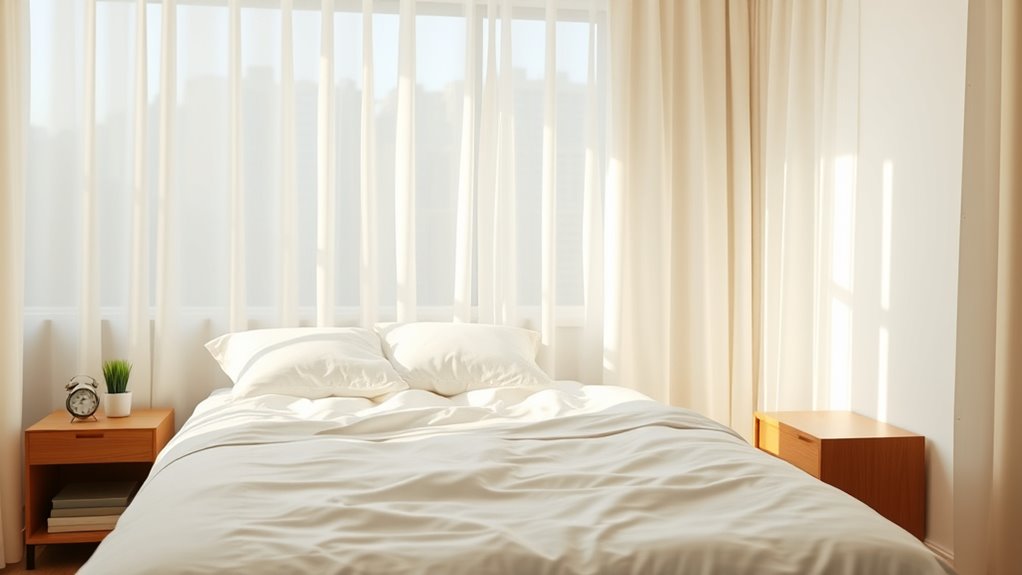

Banning gadgets from your bedroom can really improve your sleep quality by reducing blue light exposure and minimizing distractions. When you avoid screens, your melatonin levels increase, making it easier to fall asleep and stay asleep longer. Plus, a gadget-free space helps you wind down peacefully without constant notifications or alerts interrupting your rest. If you want to find out more ways to create a better sleep environment, there’s plenty to discover here.

Get health and wellness essentials delivered free — and shop member deals
- Fast, free delivery on millions of items
- Access to Prime Big Deal Days deals on October 6–7
- Prime Video, Amazon Music and more included
Key Takeaways
- Banning gadgets reduces blue light exposure, supporting melatonin production and easier sleep onset.
- Eliminating devices minimizes distractions, leading to fewer wake-ups and more restful sleep cycles.
- A tech-free bedroom creates a calming environment that promotes relaxation and better sleep quality.
- Removing gadgets prevents notifications and alerts from disrupting sleep or causing fragmented rest.
- Overall, banning gadgets fosters healthier sleep habits and improves daily energy and alertness.
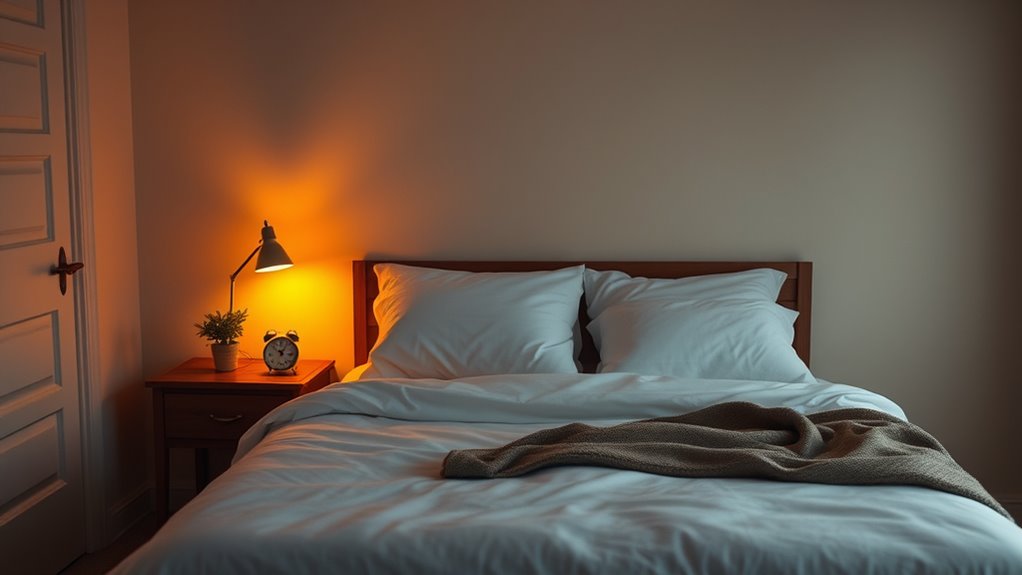
Have you ever considered how your bedroom’s technology might be affecting your sleep quality? Many of us rely on gadgets like smartphones, tablets, and even smart devices that, while convenient, can interfere with restful sleep. One way to improve your sleep environment is by removing or limiting these devices. But if you’re hesitant to completely ditch your tech, there are smarter ways to integrate it without compromising your rest. For example, a smart alarm can wake you gently, using gradually increasing sounds or light, instead of a jarring alarm clock. This type of alarm works by syncing with your sleep cycle, waking you at the ideal moment, which can leave you feeling more refreshed and less groggy. It’s a simple way to upgrade your sleep routine without abandoning technology altogether.
Ambient lighting is another tech feature that, when used thoughtfully, can enhance your sleep environment. Instead of harsh overhead lights, consider installing dimmable lamps or smart lighting that adjusts automatically in the evening. These lights can mimic natural sunset colors, signaling to your body that it’s time to wind down. Some smart lighting systems even allow you to set schedules or control brightness and color remotely, helping create a calming atmosphere before bed. This reduces exposure to blue light from screens—known to suppress melatonin production—and promotes a natural transition to sleep. Using ambient lighting effectively can make your bedroom a more inviting, peaceful space, encouraging you to relax and disconnect from stimulating electronics.
Using smart lighting to mimic sunset signals your body to wind down naturally.
While it might seem tempting to keep your gadgets within arm’s reach, especially for convenience, doing so can lead to disrupted sleep. Notifications, emails, or social media alerts can wake you or make it harder to fall asleep. Instead, consider establishing a tech curfew an hour before bed. During this time, turn off or put away devices, and rely on your smart alarm or ambient lighting to help ease into sleep. This not only minimizes distractions but also helps reset your circadian rhythm, making it easier to fall asleep naturally. If you do keep a device in your room, use features like “night mode,” which reduces blue light exposure, or set it to silent to avoid interruptions. Additionally, some sleep-enhancing gadgets are designed specifically to support restful nights without disrupting your environment.
Ultimately, creating a tech-free or tech-minimized bedroom doesn’t mean sacrificing all the conveniences of modern devices. Instead, it’s about making intentional choices—using smart alarms and ambient lighting to support your sleep, rather than hinder it. Small adjustments like these can considerably improve your sleep quality, leaving you more energized and ready for the day ahead. By reimagining your bedroom as a sanctuary free from unnecessary tech distractions, you give yourself the best chance at truly restful nights.
smart alarm clock with sunrise simulation
As an affiliate, we earn on qualifying purchases.
As an affiliate, we earn on qualifying purchases.
Frequently Asked Questions
How Long Should a Bedroom Be Free of Gadgets Before Seeing Benefits?
You should aim to keep your bedroom gadget-free for at least one to two weeks to notice improvements in your sleep environment. During this time, your bedroom lighting becomes more conducive to rest, and your mind relaxes without digital distractions. Consistently avoiding screens helps reset your sleep patterns, making it easier to fall asleep and wake refreshed. Give it a couple of weeks, and you’ll likely see the benefits.
Can Banning Gadgets Improve Sleep Quality for Teenagers?
Banning gadgets can markedly improve your teenager’s sleep quality, like clearing fog from a mirror. Reducing screen time before bed helps establish better sleep hygiene, making it easier to fall asleep and enjoy restful nights. When gadgets are out of reach, your teen’s melatonin production boosts, leading to deeper sleep. Encourage a gadget-free zone to help them develop healthier habits and wake up refreshed and ready for the day.
Are There Specific Gadgets That Are More Disruptive to Sleep?
Certain gadgets are more disruptive to your sleep, especially those emitting blue light from screens like smartphones and tablets. Blue light suppresses melatonin, making it harder to fall asleep. Social media apps tend to keep you engaged and alert late into the night, further disturbing your sleep cycle. To improve your sleep, try limiting screen time before bed and avoid devices that emit blue light, especially social media use.
What Are Effective Ways to Enforce a Tech-Free Bedroom?
To enforce a tech-free bedroom, establish consistent bedtime routines that encourage winding down without devices. Use parental enforcement by setting clear rules and boundaries, like charging gadgets outside the bedroom. Make it a habit to remind your kids about the importance of sleep and stick to the rules consistently. You can also create tech-free zones and involve your kids in setting the guidelines, making them more likely to follow and respect the rules.
Does Removing Gadgets Help With Anxiety and Stress Related to Sleep?
Do you wonder if removing gadgets eases your tech-related anxiety and sleep stress? It can. When you ditch screens, you’re less exposed to blue light and notifications that trigger your mind, reducing overall anxiety. Without the constant digital pull, your body relaxes more naturally, making it easier to unwind and fall asleep. So, yes—eliminating gadgets can markedly lower your sleep stress and help you rest better.
dimmable ambient bedroom lighting
As an affiliate, we earn on qualifying purchases.
As an affiliate, we earn on qualifying purchases.
Conclusion
Ditching gadgets before bed can truly improve your sleep quality. Studies show that people who keep devices out of their bedrooms sleep an average of 20% longer and experience fewer interruptions. Imagine waking up feeling more refreshed and energized each morning. By banning screens from your bedroom, you’re not just creating a peaceful space—you’re investing in better overall health. So, why not give it a try? Your better night’s sleep could be just a gadget-free night away.
blue light blocking glasses for sleep
As an affiliate, we earn on qualifying purchases.
As an affiliate, we earn on qualifying purchases.
smart lighting system for bedroom
As an affiliate, we earn on qualifying purchases.
As an affiliate, we earn on qualifying purchases.
Fall Picks
fall essentials
As an affiliate, we earn on qualifying purchases.