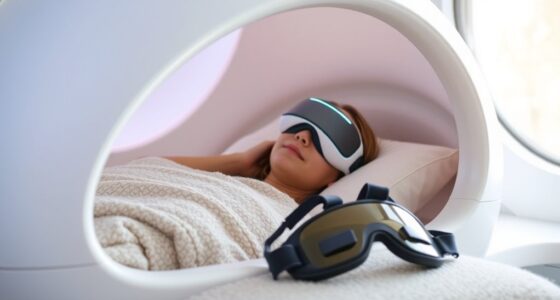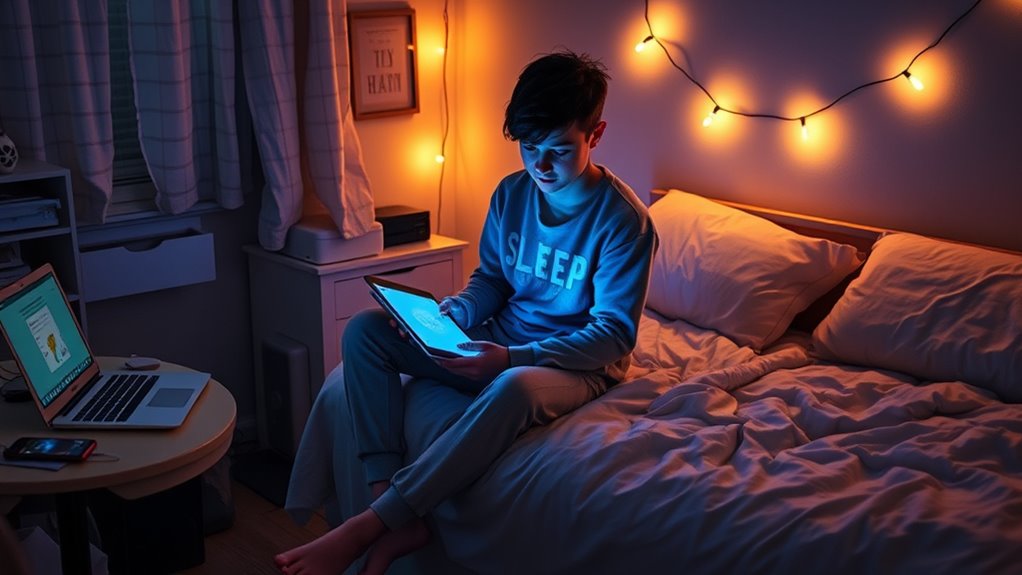
To help your teen sleep better, set digital boundaries like screen curfews and use blue light filters or night mode on their devices in the evening. Encourage tech-free activities and create a calming bedroom environment. Consider sleep-tracking apps or devices to monitor patterns and make adjustments. Incorporate relaxing routines with mindfulness apps or calming sounds. If you want practical tips and tools that work, keep exploring how technology can support healthy sleep habits.
Key Takeaways
- Establish screen curfews and enable night mode to reduce blue light exposure and promote melatonin production.
- Use sleep-tracking devices and apps to monitor sleep patterns and identify areas for improvement.
- Create a calming bedroom environment by removing electronics and incorporating relaxing decor and lighting.
- Encourage offline bedtime routines like reading or calming visuals to wind down naturally.
- Incorporate guided relaxation, mindfulness, and sleep-promoting sounds to help teens relax and improve sleep quality.
As an affiliate, we earn on qualifying purchases.
Understanding the Impact of Technology on Teen Sleep

Technology has become a major factor disrupting teen sleep patterns. Tech addiction leads many teens to stay glued to their devices late into the night, often sacrificing sleep for social media, gaming, or streaming. This constant engagement causes sleep disruption, as the blue light emitted by screens suppresses melatonin, the hormone that signals it’s time to sleep. Blue light exposure can significantly delay sleep onset and reduce overall sleep quality. The impact of light on melatonin production underscores the importance of managing screen time before bed. As a result, teens struggle to fall asleep quickly and experience poorer sleep quality overall. The temptation to check notifications or scroll through feeds keeps their minds active when they should be winding down. This cycle of tech addiction and sleep disruption creates a negative feedback loop, leaving teens tired, less focused, and more irritable during the day. Recognizing this impact is key to helping your teen establish healthier tech habits. Additionally, understanding the Free Floating nature of tech’s influence can help parents develop more effective boundaries and routines. Recognizing the disruptive effects of technology on sleep can motivate teens to adopt better habits and limit late-night screen time. Being aware of digital dependency can further support efforts to establish healthier sleep routines.
blue light filter glasses for teens
As an affiliate, we earn on qualifying purchases.
As an affiliate, we earn on qualifying purchases.
Choosing the Right Sleep-Tracking Apps and Devices
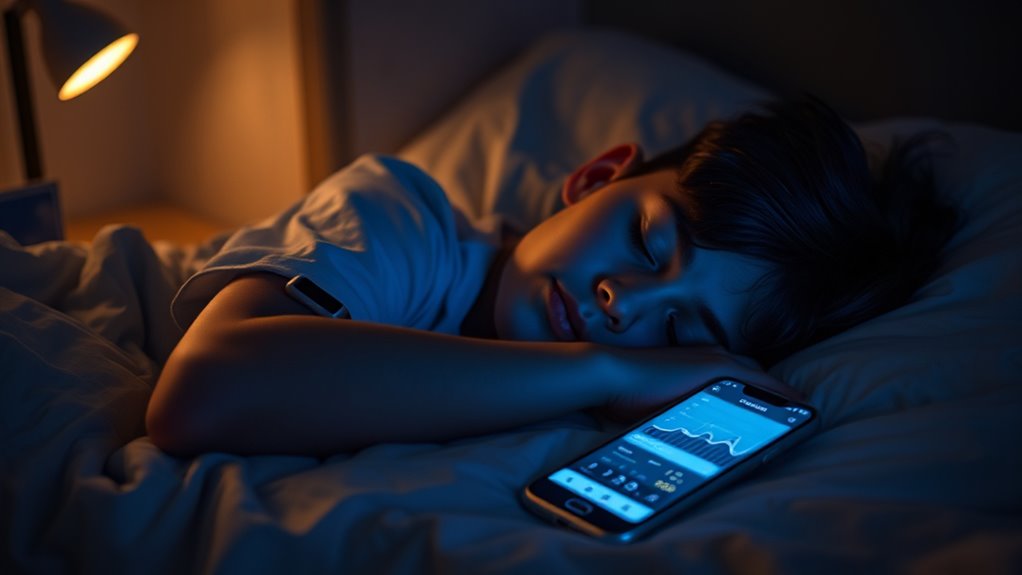
When choosing sleep-tracking apps and devices, you need to consider if they work well with your existing gadgets. Accuracy and reliability are key to getting useful insights, so look for options with good reviews. Also, pick an app or device that’s simple to use and has an intuitive interface so you won’t get frustrated. Incorporating evidence‑informed guidance can help you select tools that truly support healthier sleep habits.
Compatibility With Devices
Choosing the right sleep-tracking apps and devices depends on ensuring they are compatible with your smartphone or wearable. You want seamless device synchronization so your teen’s sleep data updates automatically without hassle. Also, consider battery life; a device with poor battery longevity can interrupt tracking or require frequent charging, which might discourage consistent use. Check if the app supports your teen’s device operating system and whether the wearable is compatible with their phone. Compatibility issues can lead to frustration and inaccurate data. To help, review device specifications carefully before purchasing. Here’s a quick comparison:
| Feature | Smartphone Compatibility | Wearable Compatibility | Battery Life |
|---|---|---|---|
| Device Synchronization | Supports Android & iOS | Syncs via Bluetooth | Lasts 1-2 days |
| App Support | Compatible with major apps | Works with popular wearables | 8-12 hours |
| Operating System | Android, iOS | Android, iOS | Varies by device |
Additionally, choosing a device with a reliable data accuracy ensures your teen’s sleep patterns are tracked correctly. Ensuring device compatibility is essential to prevent synchronization issues that can compromise data quality. Being aware of software updates can also help maintain compatibility over time and improve overall functionality. Regularly updating the device firmware can help address bugs and enhance performance consistency, making the sleep tracking more dependable. Staying informed about software compatibility can prevent potential disruptions as technology evolves.
Accuracy and Reliability
Ensuring that sleep-tracking apps and devices provide accurate and reliable data is essential for understanding your teen’s sleep patterns. Accurate device readings help you assess sleep quality and identify issues like restless nights or insufficient rest. Look for devices with proven device accuracy through independent studies or reviews, as this guarantees the data you rely on is trustworthy. Keep in mind that no device is perfect, so consider using them alongside other indicators, like mood or daytime alertness. Avoid gadgets with overly complicated features that may compromise accuracy. By choosing a sleep tracker known for its reliability, you’ll gain a clearer picture of your teen’s sleep habits and can make informed decisions to improve their sleep quality.
User Interface and Ease
Since ease of use plays a crucial role in consistently tracking your teen’s sleep, selecting a device or app with an intuitive interface can make all the difference. A user interface that’s simple and straightforward ensures your teen won’t struggle to navigate or become frustrated. Look for apps with clear icons, easy-to-understand menus, and minimal setup steps. Ease of use encourages consistent tracking, which is essential for accurate sleep insights. Devices with a cluttered or complicated interface can discourage regular use and reduce the app’s effectiveness. Prioritize tools that are user-friendly and require minimal effort to operate. When the user interface is intuitive, your teen is more likely to stay engaged, making sleep tracking a seamless part of their routine.
As an affiliate, we earn on qualifying purchases.
Setting Digital Boundaries Before Bedtime

Setting digital boundaries before bed can make a big difference in your teen’s sleep quality. Try establishing screen curfews, turning on night mode settings, and encouraging offline activities instead. These simple changes help reduce blue light exposure and create a calming bedtime routine. Incorporating sleep-promoting technology can further support your teen’s overall well-being. Additionally, understanding how firewood mastery relates to creating a cozy, distraction-free environment can help reinforce healthy routines. Developing a home environment that minimizes distractions and promotes relaxation can significantly improve sleep quality.
Establish Screen Curfews
To help teens wind down and improve their sleep quality, establishing a screen curfew is essential. You can create clear boundaries that promote better sleep habits. Consider these steps:
- Set a consistent time each evening when screens turn off.
- Enforce screen free evenings to help your teen relax without digital distractions.
- Designate specific areas as tech free zones, like bedrooms or the dining room.
- Communicate the importance of these boundaries for better rest and overall health.
Use Night Mode Settings
Using night mode settings on devices can markedly reduce blue light exposure, which interferes with the production of the sleep hormone melatonin. When your teen activates night mode, their screens emit warmer, less disruptive light, helping preserve sleep quality. This simple adjustment makes a noticeable difference in signaling to the brain that it’s time to wind down. Encourage your teen to turn on night mode at least an hour before bed to minimize blue light’s impact. Not only does this support melatonin production, but it also helps create a digital boundary that promotes healthier sleep habits. Consistently using night mode can make it easier for your teen to fall asleep faster and enjoy more restorative sleep, leading to better overall sleep quality.
Encourage Offline Activities
Encouraging your teen to engage in offline activities before bed helps create clear boundaries between screen time and sleep time. This reduces exposure to stimulating content on social media or intense video gaming, which can interfere with falling asleep. To help, consider these strategies:
- Set a digital curfew an hour before bedtime, encouraging your teen to disconnect from social media and gaming.
- Promote relaxing activities like reading, drawing, or listening to calming music.
- Establish a tech-free zone in the bedroom to avoid temptation.
- Encourage hobbies that don’t involve screens, helping your teen wind down naturally.
- Incorporating creative storytelling into bedtime routines can foster imagination and relaxation, making it easier for your teen to transition to sleep.
- Additionally, creating an environment with proper ventilation can improve sleep quality and help your teen feel more comfortable as they prepare for rest.
- Ensuring a comfortable sleep environment can also promote better rest and ease the transition from wakefulness to sleep.
- Research suggests that sound healing frequencies can also be beneficial in helping your teen relax before sleep.
As an affiliate, we earn on qualifying purchases.
Using Blue Light Filters and Night Mode Features

Blue light emitted from screens can interfere with your sleep by suppressing melatonin, the hormone that helps you feel sleepy. To combat this, encourage your teen to use blue light filters or enable night mode features on their devices. These tools reduce blue light exposure during evening hours, making it easier to wind down. Activating night mode shifts screen colors to warmer tones, which are less disruptive to melatonin production. Here’s how different devices handle this:
| Device Type | Blue Light Filter | Night Mode Availability | Activation Tips |
|---|---|---|---|
| Smartphones | Yes | Yes | Settings > Display > Night Mode |
| Tablets | Yes | Yes | Settings > Display > Night Mode |
| Computers (Windows) | Yes | Yes | Settings > Display > Night Light |
| Macs | Yes | Yes | System Preferences > Displays > Night Shift |
Creating a Tech-Free Bedroom Environment
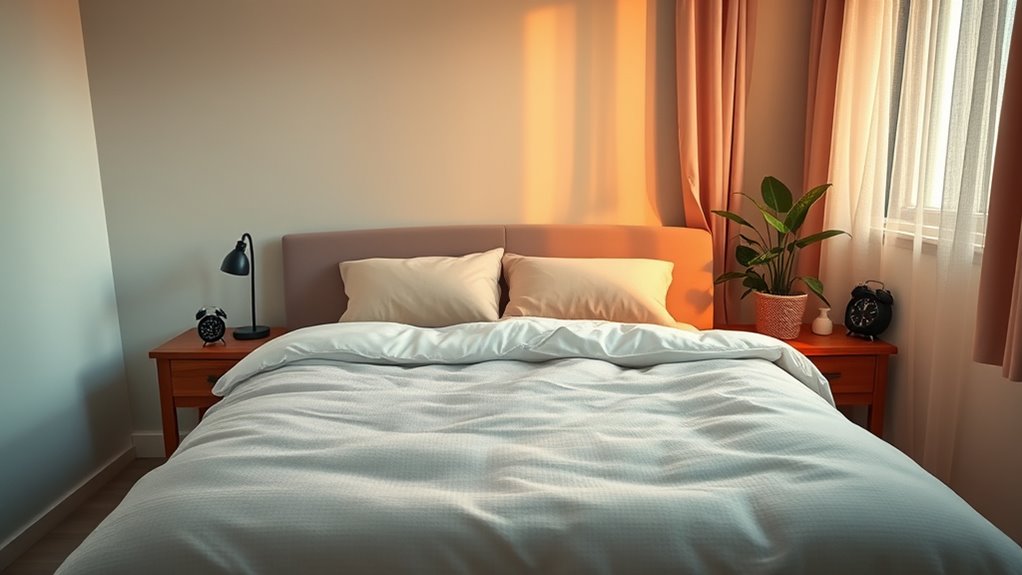
Reducing blue light exposure in the evening helps your teen relax and prepares their body for sleep, but creating a tech-free bedroom environment takes this a step further. Start by decluttering the space with calming bedroom decor like soft lighting and neutral colors that promote relaxation. Encourage your teen to choose comfortable clothing choices that are loose and breathable to avoid discomfort. To make the room truly tech-free:
- Remove electronic devices like phones, tablets, and gaming consoles.
- Replace screens with books or calming visuals.
- Use a dedicated space for sleep-only activities.
- Install blackout curtains to block outside light, enhancing the peaceful atmosphere.
- Incorporate sleep-friendly design principles to optimize the environment for restful sleep. Additionally, integrating sleep-inducing colors into the decor can further promote relaxation. Employing sleep environment optimization strategies can help create a space that naturally encourages better sleep habits. Incorporating evidence-based sleep hygiene practices can significantly improve your teen’s ability to unwind and fall asleep naturally.
Establishing Consistent Sleep Routines With Tech Support

Establishing a consistent sleep routine can be substantially supported by leveraging technology wisely. You can help your teen improve their sleep hygiene by using apps that set reminders for bedtime and wake time, encouraging them to stick to regular schedules. Smart alarms gently wake them during light sleep phases, making mornings less groggy. Setting device curfews through parental controls ensures screens are turned off at designated times, reinforcing bedtime routines. Many apps also offer visual cues or notifications to signal when it’s time to wind down. By integrating these tools, you help your teen develop habits that promote better sleep, making it easier to fall asleep and wake up refreshed. Consistency, reinforced with tech support, is key to establishing healthy sleep routines.
Encouraging Relaxation and Mindfulness Through Apps

While technology can sometimes interfere with sleep, certain apps are designed to promote relaxation and mindfulness, helping teens wind down effectively. These apps offer various ways to incorporate mindfulness exercises and relaxation techniques into their bedtime routine. To maximize benefits, try:
- Guided meditation sessions focused on calming the mind.
- Breathing exercises that reduce stress and slow your heart rate.
- Sleep stories or calming sounds to create a peaceful environment.
- Mindfulness prompts encouraging present-moment awareness before bed.
Using these tools, your teen can develop healthy relaxation habits, easing anxiety and preparing their body for restful sleep. Incorporating mindfulness exercises through apps provides a simple, accessible way to promote a tranquil passage from wakefulness to sleep.
Monitoring Progress and Adjusting Strategies

Tracking your teen’s progress with relaxation techniques helps identify what works best and highlights areas needing improvement. By analyzing data from sleep trackers or journals, you can see patterns in sleep duration and quality. Use this data analysis to evaluate if your teen is meeting their sleep goals or if adjustments are necessary. If progress stalls or goals aren’t being met, consider modifying strategies—perhaps changing relaxation routines or limiting screen time earlier. Regularly reviewing this information allows you to make informed goal adjustments, ensuring the approach remains effective. Remember, flexibility is key; what works at first might need tweaking over time. Consistent monitoring and data-driven modifications help your teen develop sustainable sleep habits and improve overall sleep quality.
Frequently Asked Questions
How Can Parents Effectively Enforce Tech Boundaries Without Causing Conflict?
You can effectively enforce tech boundaries by setting clear, consistent rules and explaining the reasons behind them. Foster open communication by listening to your teen’s perspective and involving them in creating boundaries. This approach helps reduce conflict and encourages cooperation. Remember, consistency and understanding are key. When your teen feels heard and involved, they’re more likely to respect the boundaries you set, leading to healthier tech habits and better sleep.
Are There Specific Sleep-Tracking Devices Recommended for Teenagers?
You can consider wearable devices for sleep monitoring, which are popular among teens. Brands like Fitbit, Garmin, and Whoop offer sleep tracking features that monitor sleep patterns and provide insights. These devices are comfortable and easy to use, helping your teen understand their sleep habits. By choosing a reliable sleep-tracking wearable, you encourage healthier sleep routines while minimizing conflicts over tech use at night.
What Are Some Non-Tech Activities to Promote Better Sleep Habits?
You can promote better sleep habits by encouraging your teen to engage in relaxing routines like reading, taking a warm bath, or practicing mindful breathing before bed. These activities help calm the mind and body, making it easier to fall asleep. Establishing a consistent bedtime and creating a peaceful environment also support healthy sleep patterns. Avoid screens during this time to further enhance their ability to relax and unwind naturally.
How Do Sleep Apps Address Privacy Concerns for Teens?
Think of sleep apps as guardians of your teen’s dreams, aiming to protect their privacy like a fortress. They address teen data privacy by using encryption and transparent policies. However, app permission concerns remain—it’s vital to review what access these apps request. Encourage your teen to choose trusted apps that prioritize privacy, so their sleep journey stays secure and worry-free, letting peaceful nights become a reality.
Can Sleep Tracking Interfere With a Teen’s Sleep Quality?
Sleep tracking can sometimes cause sleep disruption if your teen becomes anxious about their data or constantly checks their stats. Additionally, data accuracy varies across devices, which might lead to false alarms or unnecessary worry. Encourage your teen to use sleep trackers as a helpful guide rather than a strict measure, so they don’t become overly focused on numbers and can sleep more peacefully.
Conclusion
By implementing these tech tools and tips, you can help your teen develop healthier sleep habits. For example, a parent who introduced a nightly tech cutoff and used a blue light filter noticed their teen falling asleep 20 minutes earlier and feeling more refreshed. Remember, consistency is key. With patience and the right strategies, you can support your teen in overcoming sleep struggles and enjoying more restorative rest every night.