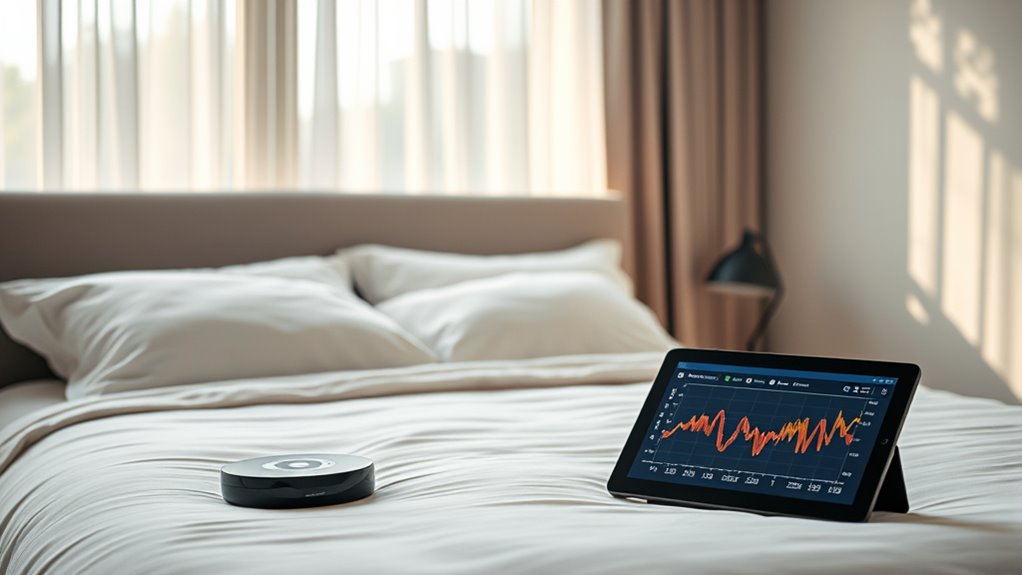

Oversleeping can be a sign of underlying health issues or disrupted sleep patterns, often leaving you groggy and affecting your daily life. Sleep tech devices help you track your sleep duration, patterns, and quality, revealing if you’re consistently getting too much rest. By analyzing this data, you can identify potential problems early. Keep exploring to discover how you can use this info to improve your sleep habits and overall health.
Open a free Amazon Business account
Business pricing, bulk buying and tax-exempt orders.
As an affiliate, we earn on qualifying purchases.
Key Takeaways
- Oversleeping beyond 9-10 hours regularly can cause grogginess, health issues, and disrupt daily routines.
- Sleep tech devices monitor sleep duration, quality, and patterns to identify abnormal oversleeping trends.
- Tracking sleep stages and awakenings helps determine if excessive sleep impacts REM quality and overall restfulness.
- Data from sleep sensors can reveal irregular sleep times and disruptions linked to underlying health conditions.
- Professional analysis of sleep data assists in diagnosing causes of oversleeping and guiding appropriate treatment.
As an affiliate, we earn on qualifying purchases.
What Are the Signs of Oversleeping?
If you find yourself regularly sleeping more than the recommended hours, you might notice some clear signs of oversleeping. One common indicator is disrupted sleep patterns, where your sleep becomes inconsistent or feels heavier. You may wake up feeling groggy or unrefreshed, despite getting plenty of sleep. Daytime fatigue is another key sign—you might struggle to stay alert, experience frequent drowsiness, or find yourself needing naps to get through the day. Oversleeping can also affect your mood, leaving you irritable or sluggish. Additionally, you might notice that oversleeping interferes with your daily routines or causes headaches. Recognizing these signs can help you identify if your sleep habits are out of balance and if you need to adjust your sleep schedule. Using sleep tracking technology can provide helpful insights into your sleep patterns and help identify potential issues early. Moreover, understanding the contrast ratio in your environment can influence your sleep quality by reducing light disturbances. Adjusting your sleep environment to minimize light and noise can significantly improve your rest and prevent oversleeping. Paying attention to environmental factors like light and sound levels is essential for maintaining a healthy sleep cycle.
As an affiliate, we earn on qualifying purchases.
How Much Sleep Is Too Much?

You might wonder how much sleep is actually too much, especially if you notice you’re sleeping longer than usual. Recognizing patterns of oversleeping can help you understand if it’s a sign of underlying issues. Keep in mind, consistently oversleeping can increase health risks, so it’s important to find the right balance. Additionally, understanding sleep duration guidelines can assist in determining whether your sleep habits align with recommended healthy ranges. Being aware of individual sleep needs can further clarify whether your current sleep pattern is appropriate for your personal health. Monitoring your sleep patterns with sleep tech can provide valuable insights into your sleep quality and duration. Some advanced sleep devices track sleep quality metrics, helping you identify if oversleeping is affecting your overall well-being.
Recognizing Oversleep Patterns
Determining how much sleep is too much can be challenging, as individual needs vary. Recognizing oversleep patterns requires careful attention to your sleep tracking data. Look for signs such as consistently sleeping beyond 9-10 hours, feeling sluggish upon waking, or experiencing difficulty staying alert during the day. These indicators can signal that your body might be oversleeping. Monitoring your sleep habits helps identify if your sleep duration is excessive and whether it impacts your daily functioning. By analyzing your sleep tracking records, you can spot trends and patterns that point toward oversleeping. Being aware of these signs allows you to adjust your sleep schedule proactively, promoting healthier sleep habits and better overall well-being.
- Consistent long sleep durations
- Morning grogginess
- Daytime fatigue
- Irregular sleep times
- Difficulty waking up naturally
Risks of Excess Sleep
Sleeping too much can pose significant health risks, even if it might seem like a harmless way to catch up on rest. Excess sleep can disrupt your sleep cycle, leading to grogginess and difficulty waking. It may also increase the risk of health issues like depression, diabetes, and heart disease. Poorly timed or prolonged sleep can interfere with dream analysis, causing fragmented sleep and reducing restorative REM sleep. Over time, this can impact your mental clarity and emotional well-being. Recognizing these risks is vital, especially if you notice yourself sleeping beyond the recommended hours regularly. Sleep tracking devices can help you monitor your sleep patterns, ensuring you get enough rest without crossing into excess. Staying mindful of your sleep habits supports overall health and well-being, much like having a reliable backup power system ensures your home remains safe during outages.
As an affiliate, we earn on qualifying purchases.
The Health Impacts of Sleeping Excessively
Excessive sleep can have serious health consequences, often outweighing the benefits of rest. When you oversleep regularly, it can disrupt your sleep hygiene and contribute to issues like fatigue, mood swings, and cognitive decline. Over time, it may increase your risk for chronic conditions such as heart disease and diabetes. Additionally, sleeping too much can be a sign of underlying health problems or sleep deprivation that’s not properly addressed. Poor sleep habits and inconsistent schedules exacerbate these risks. Being mindful of your sleep patterns and ensuring quality rest is essential to avoid these negative impacts. Proper sleep hygiene, combined with moderation, helps maintain your overall health and well-being. Regularly monitoring your sleep patterns with sleep tracking devices or sleep tech can help identify if you’re getting too much sleep and address any underlying issues. Incorporating personalized sleep data can further optimize your sleep habits and improve your health outcomes.
As an affiliate, we earn on qualifying purchases.
How Sleep Devices Measure Your Rest
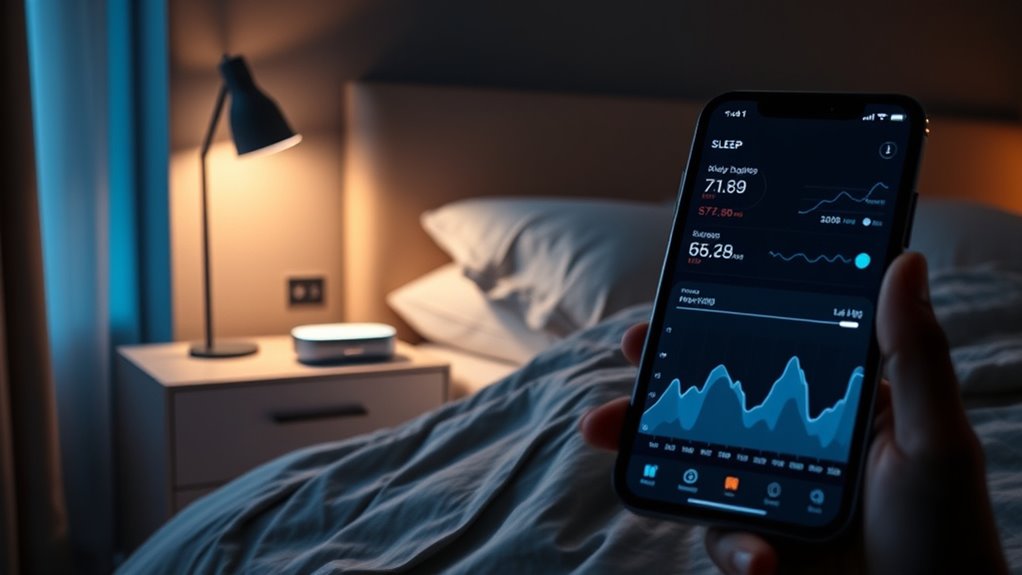
Sleep devices use a variety of sensors and technologies to track your rest accurately. They monitor movements, heart rate, and sometimes even blood oxygen levels to assess your sleep quality. Accelerometers detect your body’s motion to determine when you’re asleep or awake, while heart rate monitors provide insights into sleep stages. Some devices incorporate acoustic sensors to listen for breathing patterns or snoring. The goal is to gather precise sleep tracking data, so you get a clear picture of your sleep patterns. Device accuracy varies depending on the technology used and how well you wear or place the device. High-quality sleep trackers can offer reliable insights, helping you understand whether you’re getting too much or too little rest. Sensor technology plays a crucial role in ensuring these devices provide accurate and meaningful sleep data. Additionally, data analysis algorithms process this information to give you understandable feedback on your sleep quality. Advances in biometric sensors continue to improve the precision of sleep measurements, making these devices more effective for users seeking to optimize their rest. Improved sensor calibration also enhances the accuracy of sleep data, leading to more trustworthy results. Regular updates to software algorithms further refine the interpretation of sleep patterns, increasing overall reliability.
Interpreting Your Sleep Data
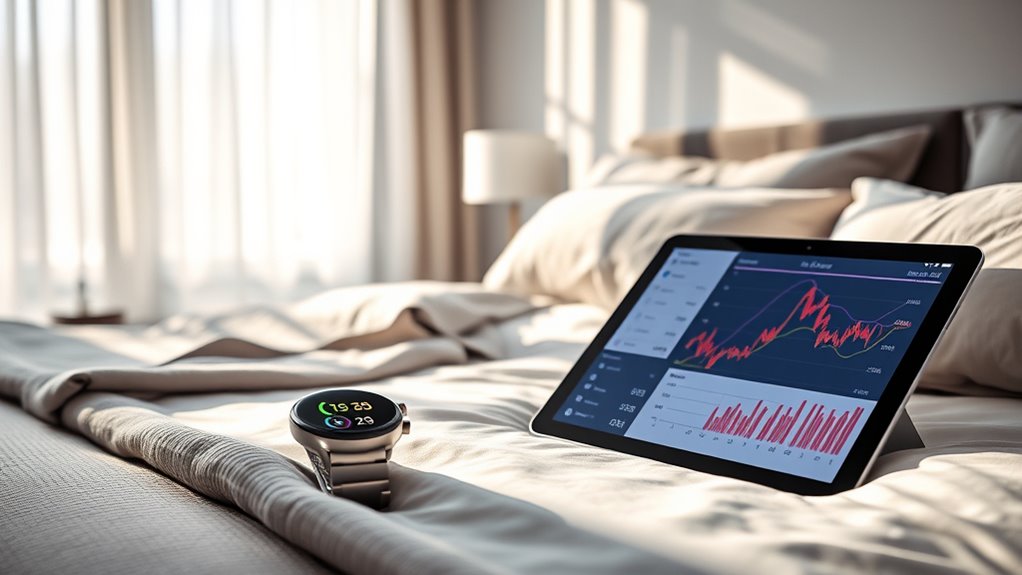
To make sense of the data your sleep device collects, you need to understand what the numbers and patterns mean. Focus on key indicators like sleep quality and sleep consistency to evaluate your rest. Variations in sleep quality could suggest fragmented sleep or frequent awakenings, while inconsistencies in sleep timing may point to irregular sleep habits. Look for trends over several nights rather than isolated data points.
Understanding sleep patterns helps identify irregular habits and improve rest over time.
- Sleep duration versus sleep quality assessments
- Variations in sleep onset and wake times
- Patterns of deep, light, and REM sleep stages
- Frequency of awakenings throughout the night
- Overall consistency in sleep and wake times
Causes of Excessive Sleep
Excessive sleep can stem from various factors, including sleep disorders, lifestyle choices, or medication use. You might find that certain health conditions or habits are contributing to your oversleeping. Understanding these causes helps you take control and address the root issues effectively. Additionally, sleep tech devices can assist in monitoring your sleep patterns to identify underlying issues. These tools can provide valuable data on your sleep duration and quality, helping you recognize abnormal patterns and potential sleep disturbances. Properly analyzing this data can also reveal patterns related to sleep environment that might influence your sleep quality and duration. Recognizing the influence of sleep environment factors can be crucial for improving overall sleep health.
Sleep Disorders and Conditions
Many sleep disorders and underlying conditions can lead to oversleeping, disrupting your natural sleep patterns. Conditions like sleep apnea and narcolepsy directly interfere with your sleep quality and regulation, causing you to sleep longer than necessary. Sleep apnea causes frequent breathing interruptions, often leading to fragmented sleep and increased sleep need. Narcolepsy, on the other hand, triggers sudden, uncontrollable sleep episodes during the day and can also extend nighttime sleep. Other contributing factors include restless leg syndrome, hypersomnia, and certain neurological conditions that affect sleep-wake cycles. Recognizing these disorders is essential, as they can markedly impact your health and daily functioning. Proper diagnosis and treatment can help restore a healthy sleep balance and prevent oversleeping caused by underlying health issues.
Lifestyle and Daily Habits
Lifestyle and daily habits considerably influence how much you sleep, often leading to oversleeping when routines are irregular or unhealthy. Poor sleep hygiene, like inconsistent bedtimes and screen exposure before sleep, disrupt your natural rhythm. Additionally, excessive daytime napping can make you feel less tired at night, causing longer sleep durations. To understand these factors better, consider this table:
| Habit | Effect on Sleep |
|---|---|
| Irregular sleep schedule | Disrupts circadian rhythm |
| Excessive daytime napping | Reduces sleep pressure at night |
Medication and Substance Use
Medications and substances can considerably contribute to oversleeping by affecting your brain’s chemistry and sleep regulation. Their medication effects and substance influence may cause your sleep-wake cycle to become disrupted, leading to excessive sleep durations. Certain drugs, like antidepressants or antihistamines, can increase sleepiness, while others may alter sleep patterns unpredictably. Substance use such as alcohol or sedatives can deepen sleep or prolong it, making it harder to wake up refreshed. Understanding these impacts helps you recognize the role of medication effects in oversleeping. Consider these factors:
- Sedative properties of specific medications
- Alcohol’s influence on sleep depth
- Stimulant withdrawal leading to prolonged sleep
- Prescription drugs that induce drowsiness
- Substance influence on circadian rhythms
Awareness can guide adjustments for healthier sleep habits.
Adjusting Your Sleep Habits With Tech Insights
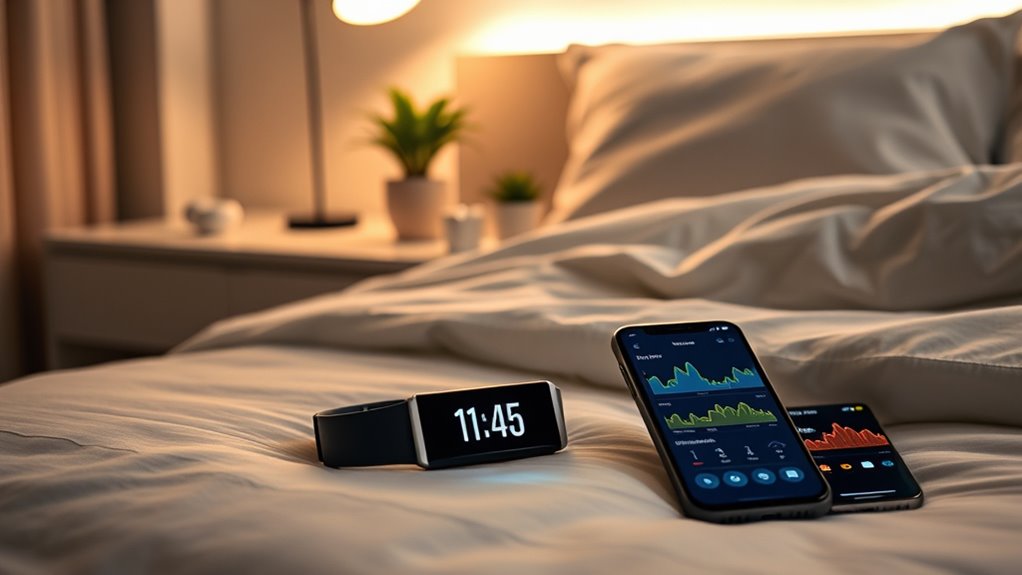
Fortunately, technology offers practical tools to help you adjust your sleep habits and avoid oversleeping. Sleep tracking devices and apps provide insights into your sleep patterns, helping you identify disruptions and optimize your sleep hygiene. By analyzing data on when you fall asleep and wake up, you can fine-tune your bedtime routines to promote more consistent sleep. These tools often suggest ideal sleep and wake times, encouraging you to stick to a regular schedule. Additionally, some apps offer gentle alarms that wake you during light sleep, making waking up easier and reducing the temptation to oversleep. Incorporating these tech insights into your nightly routine helps you develop healthier sleep habits, ensuring you wake feeling refreshed without oversleeping.
When to Seek Professional Advice
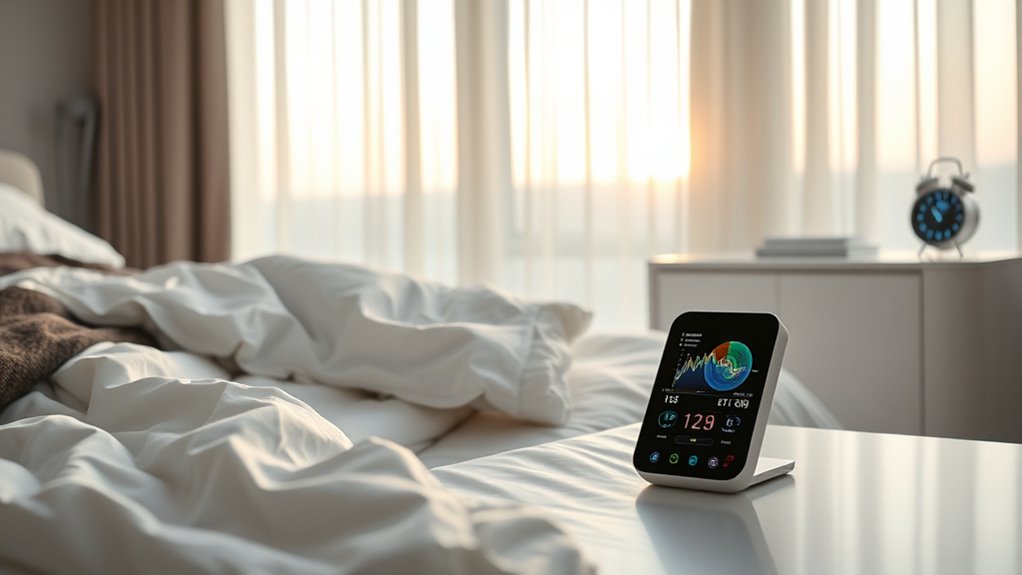
While using technology to improve your sleep habits can be highly effective, there are times when professional guidance becomes necessary. If you notice persistent oversleeping that disrupts your daily routine or affects your mental health, it’s time to seek help. Poor sleep hygiene or underlying issues like depression or anxiety might be the cause. Consider consulting a healthcare professional if you experience:
When oversleeping disrupts your daily life or well-being, seek professional help to identify underlying issues.
- Ongoing fatigue despite adequate sleep duration
- Significant mood changes or mental health concerns
- Sleep patterns that interfere with your daily functioning
- Symptoms of sleep disorders like sleep apnea or hypersomnia
- Lack of improvement after adjusting sleep habits with tech insights
Addressing these issues early can prevent more serious health problems and improve your overall well-being. A specialist can help identify root causes and develop a tailored treatment plan.
Frequently Asked Questions
Can Sleep Tracking Devices Detect Underlying Sleep Disorders?
Yes, sleep tracking devices can detect underlying sleep disorders by analyzing your sleep cycle and rest quality. They monitor patterns like irregularities in breathing, frequent awakenings, or prolonged periods of deep sleep, which could indicate issues like sleep apnea or insomnia. By providing detailed insights, these devices help you identify potential problems early, encouraging you to seek professional advice for better sleep health.
How Accurate Are Consumer Sleep Tech Devices in Measuring Oversleeping?
Sleep tech devices are fairly accurate in measuring oversleeping if they’re well-calibrated and you use them consistently. They track sleep quality, duration, and patterns, helping you identify if you’re oversleeping. However, their precision can vary based on device calibration and technology. To get the best insights, make sure your device is properly calibrated, worn correctly, and used regularly. This way, you can better understand your sleep habits and improve your overall sleep quality.
Are There Specific Sleep Patterns Indicating Health Risks?
Certain sleep patterns can signal health risks, especially if your sleep quality is poor or your circadian rhythms are disrupted. If you consistently sleep too long or wake feeling unrefreshed, it may indicate underlying issues. Sleep tech devices can help identify these patterns by tracking your sleep cycle and quality, alerting you to irregularities. Addressing these concerns early can improve your overall health and well-being.
Can Oversleeping Be a Sign of Mental Health Issues?
Oversleeping can indeed signal mental health issues. Studies show that excessive sleep is linked to depression and anxiety. When your sleep patterns become irregular or you find yourself sleeping much longer than usual, it may be a sign your mental health needs attention. Monitoring your sleep with tech can help identify these patterns early, allowing you to seek help and improve overall well-being.
What Lifestyle Changes Can Help Regulate Excessive Sleep?
To regulate excessive sleep, focus on improving your sleep hygiene by establishing consistent bedtimes and wake times. Avoid caffeine and screens before bed, and create a relaxing bedtime routine. During the day, stay active to boost your alertness and prevent oversleeping. Using sleep tech can help monitor your sleep patterns, ensuring you get enough rest without oversleeping, which supports better daytime alertness and overall health.
Conclusion
If you think you might be oversleeping, using sleep tech can help you see the real picture. Think of your sleep data as a map—showing whether you’re getting the right rest or just enough to feel sluggish. By paying attention to these insights, you can adjust your habits and boost your health. Remember, just like too much of anything, oversleeping can have downsides—so stay informed and seek professional advice if needed.
Flea & tick season Picks
flea and tick prevention
As an affiliate, we earn on qualifying purchases.