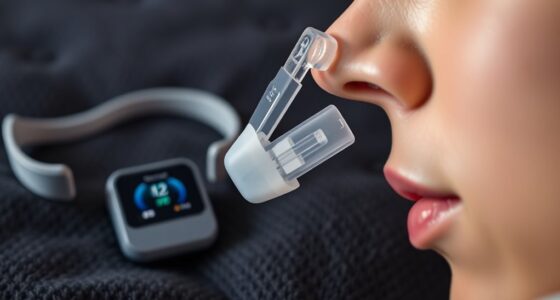
High-tech nap pods and sleep masks can improve short rest periods by creating a comfortable, controlled environment that reduces light and noise, helping you relax quickly. While they boost alertness and mood during naps, they can’t replace the deep, restorative benefits of overnight sleep. Combining these gadgets with good sleep habits enhances your overall rest. To learn how these tools fit into your sleep routine, keep exploring the options available.
Key Takeaways
- High-tech nap pods and masks optimize environment conditions for short naps, enhancing alertness and reducing fatigue.
- They can improve nap quality by promoting deeper stages of rest, similar to overnight sleep benefits.
- While effective for daytime rest, high-tech devices cannot replace the full restorative benefits of overnight sleep.
- Combining high-tech nap tools with good sleep habits maximizes overall rest and cognitive performance.
- Sleep technology aids in monitoring and improving nap quality but still relies on proper sleep hygiene practices.

SEDETA Farmhouse L Shaped Electric Standing Desk, 63" x 67" Height Adjustable Home Office Executive Desk with Drawers and Shelves, Standing Computer Desks with Power Outlet for Home Office, White
【Adjustable Height Standing Desk】Featuring a sleek LED display, this adjustable l shaped standing desk offers 3 customizable height...
As an affiliate, we earn on qualifying purchases.
The Science Behind Rest: Why Sleep Matters
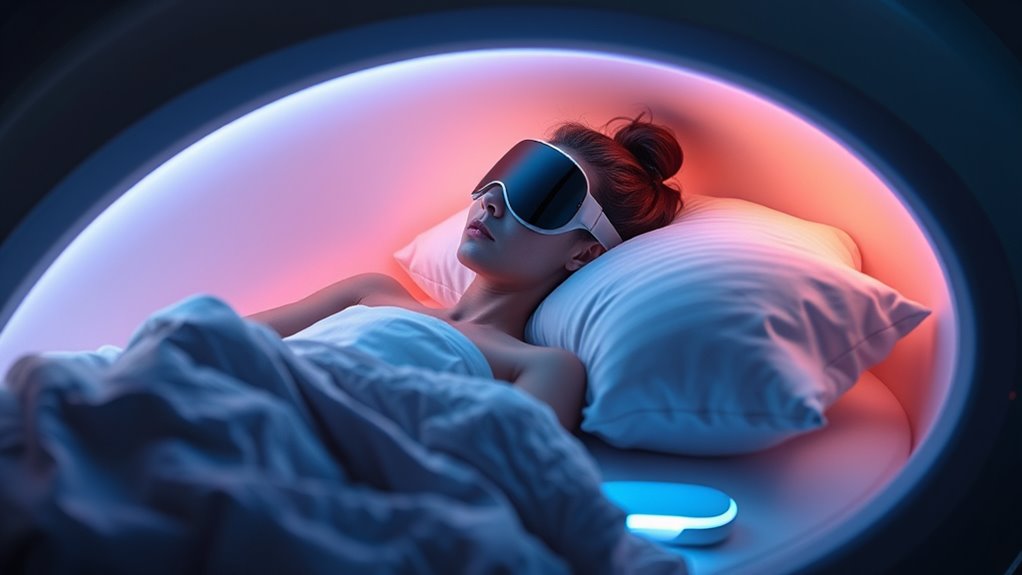
Sleep is essential because it allows your body and brain to recover, process information, and maintain overall health. Good sleep hygiene helps you achieve restful, uninterrupted sleep, which is crucial for these processes. When you sleep well, you’re more likely to remember your dreams, known as dream recall, which can offer insights into your subconscious. Sleep quality influences how deeply you rest and how effectively your brain consolidates memories. Poor sleep hygiene, like irregular schedules or screen time before bed, can disrupt this process. Prioritizing consistent sleep routines and creating a relaxing environment enhances your sleep quality. Additionally, establishing simple sleep routines can make a significant difference in improving overall sleep quality. Incorporating technology-assisted sleep tools such as high-tech nap pods or sleep masks can further optimize your rest and recovery. Understanding sleep cycles can also help you time your naps and sleep periods for maximum restorative benefits. Being aware of sleep cycle timing allows you to plan naps that avoid waking during deep sleep stages, making them more refreshing.

MERACH Sculls Rowing Machines for Home, Magnetic Rowing Machine with 16-Level, Simulate Real Row, Ultra-Quiet Rower, MERACH App and 1000+ Champion Coaching Course & Games
Sculls-Style Rowing: Simulates real rowing with 120° outward arm motion for full chest expansion. Trains back, arms, and...
As an affiliate, we earn on qualifying purchases.
Benefits of Short Naps for Productivity and Alertness
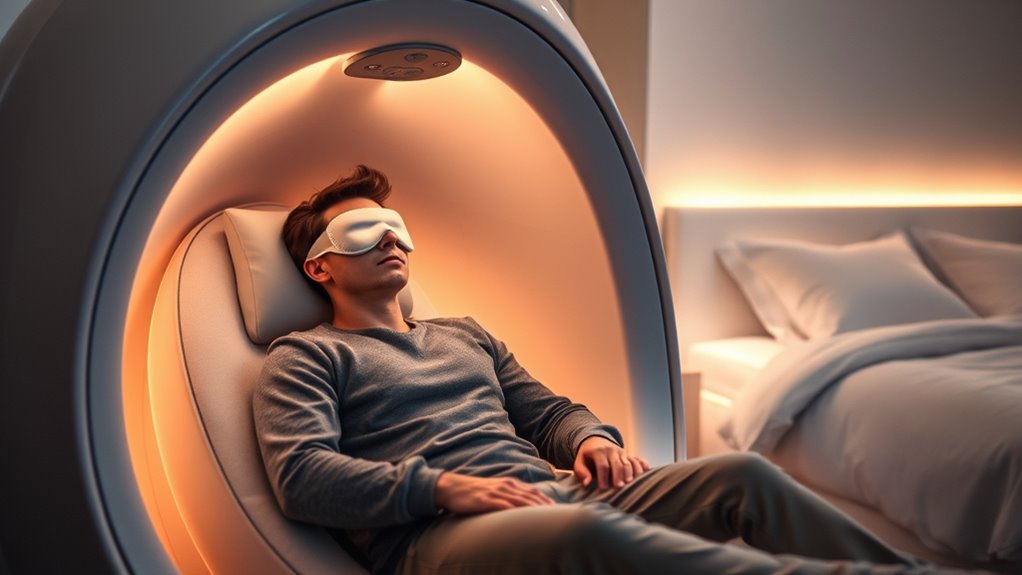
Taking a short nap can substantially boost your cognitive function, helping you think more clearly and solve problems faster. It also lifts your mood and sharpens your focus, making it easier to stay productive throughout the day. Even just a quick rest can leave you feeling more alert and motivated. Incorporating power nap techniques can further enhance these benefits and optimize your rest periods. Additionally, understanding the benefits of free floating rest can help you maximize recovery without the need for structured sleep schedules. Exploring sleep science can provide even deeper insights into how short rest periods support overall health and performance. Recognizing the importance of energy-efficient cloud solutions can inspire innovative approaches to maintaining productivity and well-being in digital work environments. Furthermore, leveraging advanced sleep technology like high-tech nap pods or masks can optimize your rest quality and effectiveness.
Boosts Cognitive Function
Short naps have been shown to markedly boost your cognitive function, helping you stay alert and sharp throughout the day. During a brief rest, your brain engages in dream enhancement, which can improve creative thinking and problem-solving skills. Napping also supports memory consolidation, allowing you to better retain information learned earlier. Even a 20-minute nap can refresh your mental clarity and boost your focus for upcoming tasks. This quick rest period helps clear mental fog, enabling you to approach work with greater efficiency. By integrating short naps into your routine, you actively support your brain’s ability to process and store new information, leading to sharper thinking and improved productivity. Additionally, incorporating sleep technology like high-quality masks or advanced nap pods can optimize these benefits by creating a more restful environment. Proper sleep environment setup, including temperature and lighting, can further enhance your ability to experience restorative naps. Creating an environment with optimal ambient conditions can help maximize the restorative effects of your naps. Ultimately, a well-timed nap can strengthen your overall cognitive resilience.
Enhances Mood and Focus
Since your mood and focus can fluctuate throughout the day, a brief nap can provide an immediate boost in both areas. Short naps help you feel more alert and improve your mood, making it easier to tackle tasks. When you wake up, you’ll notice a clearer mind and a positive outlook. Incorporating restorative sleep techniques like power naps can even help in maintaining optimal performance during demanding activities. Additionally, using high-tech sleep aids such as nap pods or sleep masks can enhance the quality and restorative benefits of your short rest periods. Modern connected sleep technology can monitor and optimize your nap quality, ensuring you gain the most restorative benefits from your brief rest. Proper sleep environment adjustments, like controlling light and noise, further improve your nap effectiveness. Integrating smart home automation can also help create ideal conditions for restorative naps by adjusting lighting and ambient noise levels automatically.
Merach Rowing Machine, Magnetic Rower Machine for Home, 16 Levels of Quiet Resistance, Dual Slide Rail with Max 350lb Weight Capacity, App Compatible with LCD Monitor, Q1S
MERACH APP: Our App offers various courses and programmed exercises for you, Taking the courses can bring your...
As an affiliate, we earn on qualifying purchases.
The Rise of High-Tech Sleep Devices: An Overview
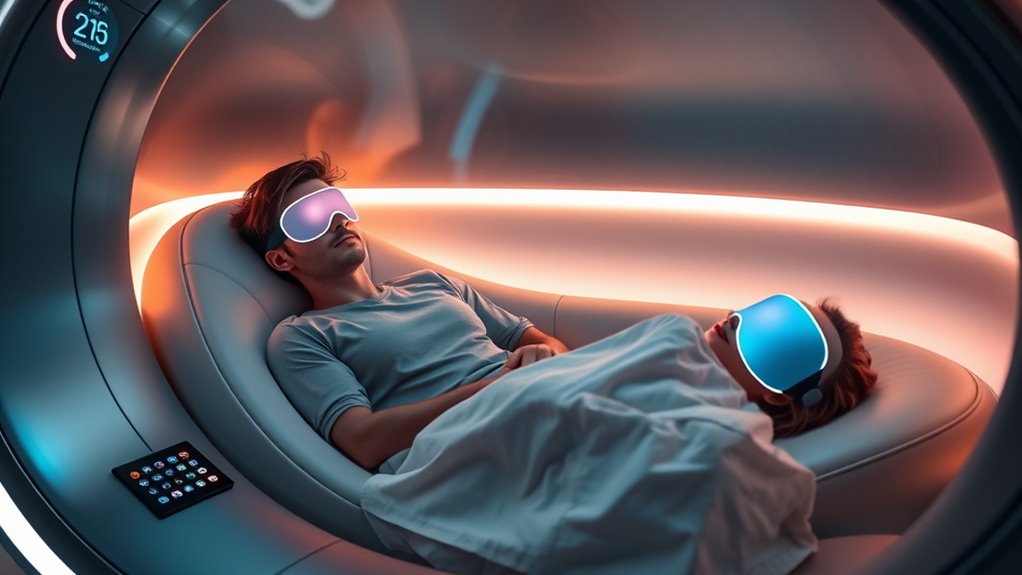
Technology is transforming how you approach sleep, with new devices offering personalized insights and solutions. The popularity of sleep gadgets continues to grow as more people seek better rest and recovery. These advancements make it easier to monitor and improve your sleep habits effectively. Additionally, truck bed accessories are increasingly incorporating sleep technology features to enhance comfort and convenience during rest periods. Innovations in air purification technology are also being integrated into sleep devices to create a healthier sleeping environment, making it easier to achieve restorative sleep through advanced monitoring. Incorporating smart sleep technology can further optimize your sleep quality by seamlessly adapting to your unique needs, utilizing personalized data insights to tailor sleep environments precisely.
Technological Advancements in Sleep
Advancements in sleep technology have revolutionized how we monitor and improve sleep quality. Today, you can access devices that track sleep patterns, helping combat sleep deprivation and identify issues early. These innovations also enable dream analysis, giving insights into your subconscious. Here are three key developments:
- Wearable sleep trackers that monitor heart rate, movement, and sleep stages.
- Smart masks and nap pods designed to optimize rest and reduce fatigue.
- Apps and sensors that analyze sleep quality to suggest personalized improvements.
- Luggage & Bags and travel accessories are increasingly incorporating sleep tech features, making it easier to rest on the go.
With these tools, you gain a clearer understanding of your sleep cycles and the impact of sleep deprivation on your health. High-tech devices are transforming sleep from a passive activity into an active, data-driven process, empowering you to optimize rest and recovery.
Popularity of Sleep Gadgets
The surge in popularity of sleep gadgets reflects a growing desire to take control of your rest. These devices aim to improve sleep hygiene by tracking your sleep patterns and offering personalized insights. High-tech nap pods and sleep masks now feature advanced sensors that monitor variables like brain activity, heart rate, and environmental conditions. Many gadgets also incorporate dream analysis, helping you understand and potentially influence your dreams for better relaxation and mental clarity. As more people seek effective ways to enhance both quality and duration of sleep, these gadgets provide practical tools to optimize rest. Whether you’re aiming to improve daytime alertness or explore your subconscious, the rise of sleep technology puts powerful options directly in your hands.

YPOO Rowing Machine for Home, 350 LB Capacity, 16-Level Silent Resistance, Magnetic Rowing Machines for Home Foldable, Full-Body Workout Compact Rowing Machine for Cardio & Strength with APP Support
【Power & Silent Magnetic Resistance】Enjoy powerful and quiet workouts with the YPOO Magnetic Rowing Machine. Featuring 99 lbs...
As an affiliate, we earn on qualifying purchases.
How Sleep Pods and Masks Aim to Enhance Rest Quality

Sleep pods and masks are designed to improve the quality of rest by creating a more comfortable and controlled environment. They help you maintain proper sleep hygiene by reducing disruptions and promoting consistent rest routines. These devices also support your circadian rhythms, making it easier to fall asleep and wake up refreshed.
Here are ways they achieve this:
- Light Blocking: Masks eliminate ambient light, signaling your body it’s time to rest.
- Temperature Control: Sleep pods often regulate temperature for ideal comfort.
- Sound Dampening: Many incorporate noise reduction to minimize disturbances.
Together, these features help you relax faster and enjoy deeper, more restorative sleep, ultimately enhancing your overall sleep quality.
Comparing Short Naps in Specialized Environments to Overnight Sleep
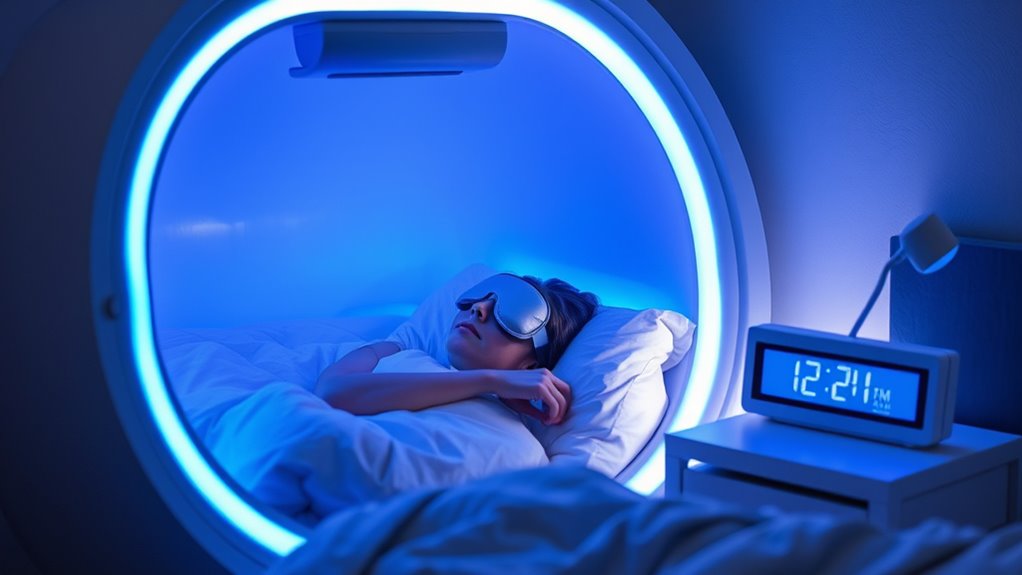
Short naps in specialized environments can offer rapid refreshment, but they often differ markedly from a full night’s sleep. Power napping in controlled settings can boost alertness, yet it rarely provides the deep, restorative sleep of overnight rest. The key lies in sleep hygiene—creating ideal conditions for quality naps. To compare, consider this table:
| Aspect | Short Naps in Specialized Environments | Overnight Sleep |
|---|---|---|
| Duration | 10-30 minutes | 7-9 hours |
| Sleep Cycles | Limited, often stage 1-2 | Full cycles, including REM |
| Recovery Power | Immediate alertness boost | Long-term restoration |
| Environment Control | Often optimized for power napping | Varies, less controlled |
While tech-enhanced environments improve power napping, they can’t fully replace the depth of overnight sleep.
Potential Drawbacks and Limitations of Sleep Technology

Sleep technology can sometimes fail due to technical malfunctions, disrupting your rest. It also often comes with high costs that may make it inaccessible for many people. These limitations highlight the importance of considering practicality alongside potential benefits.
Technical Malfunctions Risks
While sleep technology offers many benefits, technical malfunctions can pose significant risks. Sensor malfunctions may cause inaccurate readings, leading to improper feedback or adjustments. Connectivity issues can interrupt data transfer, making devices unreliable. You might find yourself frustrated if your sleep mask or nap pod suddenly stops syncing or responding.
- Sensor malfunctions could give false data, affecting your sleep quality insights.
- Connectivity issues may disable remote controls or app integration, limiting functionality.
- Power failures or software glitches can cause devices to shut down unexpectedly, disrupting your rest.
These malfunctions can undermine the safety and effectiveness of high-tech sleep aids. Being aware of these risks helps you prepare for potential technical hiccups, ensuring your sleep environment remains as comfortable and reliable as possible.
Cost and Accessibility
Although sleep technology offers innovative solutions for improving rest, its high costs and limited accessibility can be significant barriers for many users. Devices like high-tech nap pods or masks often come with hefty price tags, making them unreachable for those with sleep deprivation or sleep disorders on a budget. Additionally, availability is limited in many areas, especially rural or underserved communities. This creates a gap where only a few can benefit from these advancements. The table below highlights some key challenges:
| Challenge | Impact | Potential Solutions |
|---|---|---|
| Cost of Devices | Limits access for many users | Insurance coverage, subsidies |
| Limited Availability | Geographic restrictions | Mobile units, online access |
| Maintenance & Upkeep | Ongoing expenses, tech failures | Affordable support plans |
These barriers restrict many from experiencing the full benefits of sleep technology.
Psychological and Physiological Effects of Napping vs. Sleeping Overnight
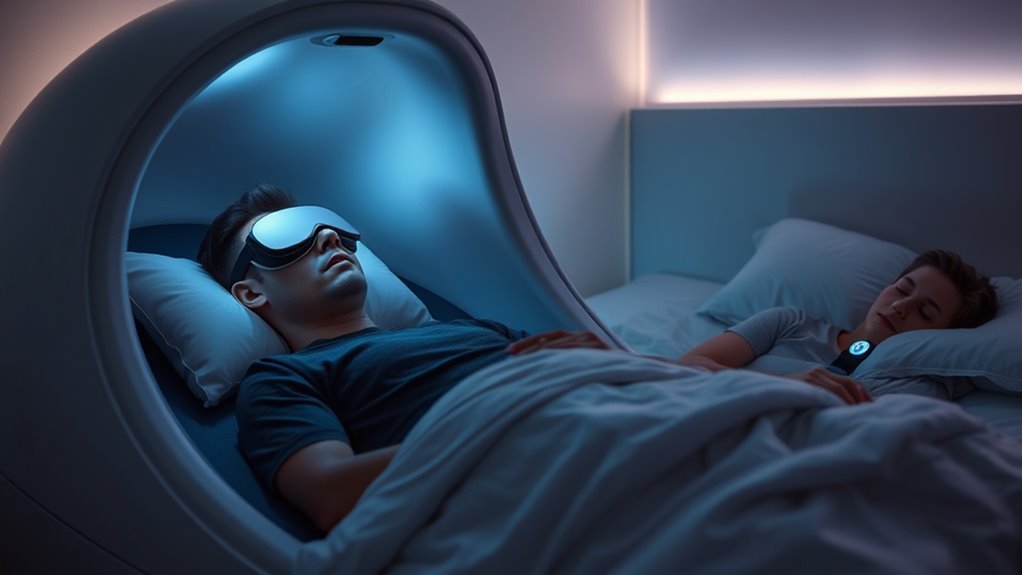
Napping and overnight sleep each produce distinct psychological and physiological effects that can influence your overall well-being. Short naps often result in lighter sleep, which may limit dream recall but reduce sleep inertia, helping you feel refreshed quickly. In contrast, overnight sleep allows for deeper, more restorative stages, enhancing dream recall and memory consolidation.
Consider these key differences:
- Napping minimizes sleep inertia, so you wake up feeling more alert.
- Overnight sleep promotes better emotional regulation and mental clarity.
- Longer sleep cycles enhance dream recall, supporting psychological processing.
Your choice impacts your alertness, mood, and cognitive function. Understanding these effects helps you optimize your sleep routine for better health and productivity.
Cost and Accessibility of High-Tech Sleep Solutions

Advances in sleep technology have introduced a range of high-tech solutions designed to improve sleep quality, but their cost and accessibility can vary widely. Affordable options, like basic sleep masks or apps, make it easier for many to access better sleep support without breaking the bank. However, more advanced devices such as high-tech nap pods or sophisticated sleep trackers often come with hefty price tags, limiting user accessibility. If you’re interested in these innovations, you might find that initial investment is significant, and availability may be restricted to certain clinics or premium locations. While these solutions can offer benefits, it’s crucial to weigh their costs against their practicality in your daily life, ensuring you choose options that fit your budget and accessibility needs.
Real-World Effectiveness: What Do Studies and Users Say?
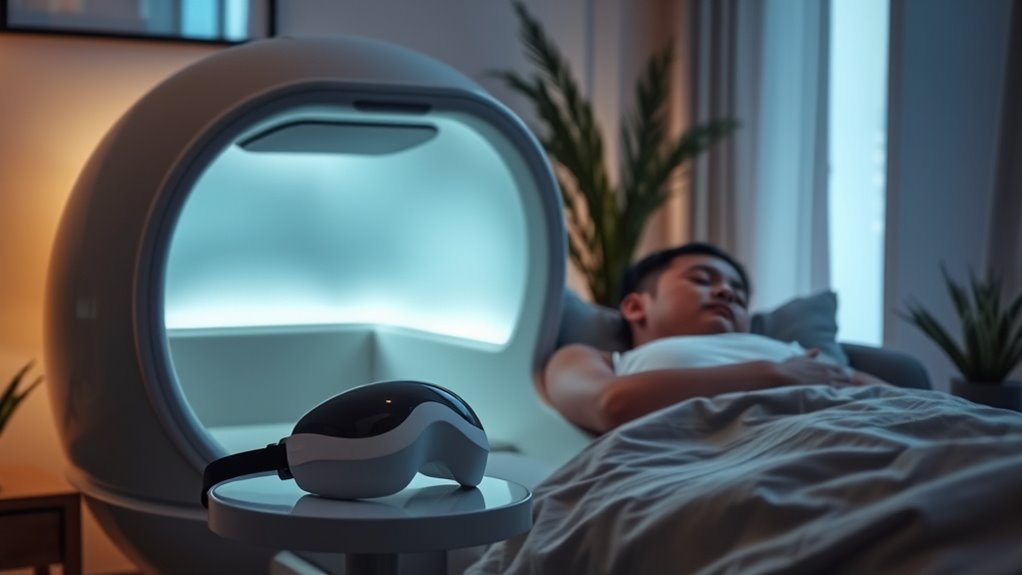
Studies and user experiences reveal that both napping and overnight sleep can substantially impact daytime alertness and overall well-being. Many users report improved sleep quality when using high-tech solutions like nap pods or sleep masks, leading to higher satisfaction. Research shows that:
High-tech sleep solutions improve rest, alertness, and overall well-being.
- Short naps with sleep technology can boost alertness without disrupting nighttime sleep.
- Users often prefer devices that enhance sleep quality and comfort, increasing satisfaction.
- Consistent use of high-tech sleep aids correlates with better overall sleep patterns and mood.
While individual results vary, these studies suggest that technology can effectively support better rest, making you feel more refreshed and alert during the day. Your experience depends on how well these solutions fit your personal sleep needs.
Making the Most of Your Rest: Combining Technology With Good Sleep Habits
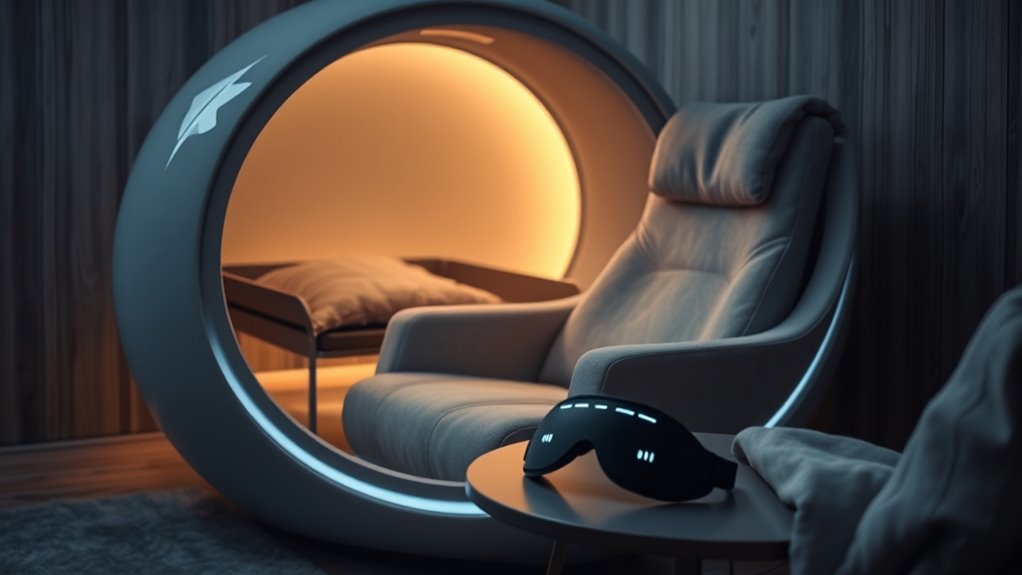
To maximize the benefits of your rest, combining technology with good sleep habits is essential. Focus on maintaining solid sleep hygiene by setting a consistent sleep schedule, creating a cool, dark bedroom, and avoiding screens before bed. Using devices like sleep trackers can help monitor your sleep quality and identify patterns. High-tech tools such as nap pods or sleep masks can enhance your rest, but they work best when paired with good habits. Dream analysis apps can provide insights into your sleep cycles and emotional well-being, helping you understand your rest better. Remember, technology should complement, not replace, foundational practices like limiting caffeine and establishing relaxing bedtime routines. Together, these strategies optimize your sleep quality and overall health.
Frequently Asked Questions
Can High-Tech Sleep Devices Replace Traditional Sleep Environments?
High-tech sleep devices can’t fully replace traditional sleep environments, but they can improve your sleep quality. Wearable technology tracks your sleep patterns, helping you optimize your sleep environment for better rest. While these devices provide valuable insights, creating a comfortable, dark, and quiet space remains essential. You can use high-tech tools to supplement your environment, but they shouldn’t replace fundamental sleep habits or a proper sleep setting.
Do Naps Interfere With Nighttime Sleep Quality?
Naps can interfere with your nighttime sleep quality if they disrupt your sleep cycle or lead to increased daytime fatigue. If you nap too long or late in the day, you might find it harder to fall asleep at night. To avoid this, keep naps brief—around 20-30 minutes—and schedule them earlier. This way, you can enjoy the benefits of rest without compromising your nighttime sleep.
Are Sleep Masks and Pods Suitable for All Sleep Disorders?
Sleep masks and pods aren’t suitable for everyone, especially if you have severe sleep disorders. They can improve sleep hygiene and create a better sleep environment, but people with conditions like sleep apnea or restless leg syndrome need medical advice first. These tools might be a game-changer for some, but for others, they can do more harm than good. Always consult a healthcare professional to guarantee safety.
How Long Should a High-Tech Nap Ideally Last?
You should aim for a nap lasting about 20 to 30 minutes for ideal duration and benefits. This duration helps prevent sleep inertia while maximizing alertness and recovery. To optimize your nap timing, try to schedule it during mid-afternoon when your energy dips naturally. Short naps give you quick refreshment without disrupting your overnight sleep, making high-tech nap pods or masks especially effective for precise duration and timing.
What Are the Long-Term Health Impacts of Using Sleep Technology Regularly?
Using sleep technology regularly can improve your sleep hygiene by promoting better rest, but it may also increase technology dependency. Long-term, you might find it harder to sleep naturally without devices, potentially disrupting your sleep patterns. To avoid this, balance tech use with good sleep habits, ensuring your reliance doesn’t undermine your ability to sleep independently. Moderation helps you enjoy benefits without compromising your natural sleep cycle.
Conclusion
Think of your sleep as tending a garden; each nap or night’s rest waters your mind’s soil. High-tech devices are like specialized tools that help you nurture your plants more efficiently. Whether you choose a quick nap with a mask or a full night’s sleep in a pod, remember they’re both indispensable for healthy growth. Use these tools wisely, and watch your mental garden flourish with vitality and clarity.