To improve your sleep, you can support your natural melatonin with habits like maintaining a consistent schedule, reducing screen time before bed, and creating a dark environment. Supplements can help if used correctly, but they should be taken at the right dose and time to avoid side effects. Tech devices like sleep trackers and light therapy can also reinforce your body’s natural rhythms. To understand which method suits you best, explore these options further.

Get health and wellness essentials delivered free with Prime
- Fast, free delivery on millions of items
- Prime Video, Amazon Music and more included
- Member-only deals all year
Key Takeaways
- Melatonin regulates sleep by signaling the body’s circadian rhythm, influenced naturally by darkness and light exposure.
- Supplements can help realign sleep patterns but should be used cautiously with proper timing and dosage.
- Tech solutions like light therapy and sleep trackers support natural melatonin production and improve sleep quality over time.
- Combining natural habits, environmental adjustments, supplements, and technology offers a comprehensive approach to sleep health.
- Consulting healthcare professionals ensures safe, effective use of supplements and tech tools tailored to individual needs.
As an affiliate, we earn on qualifying purchases.
What Is Melatonin and How Does It Affect Sleep?
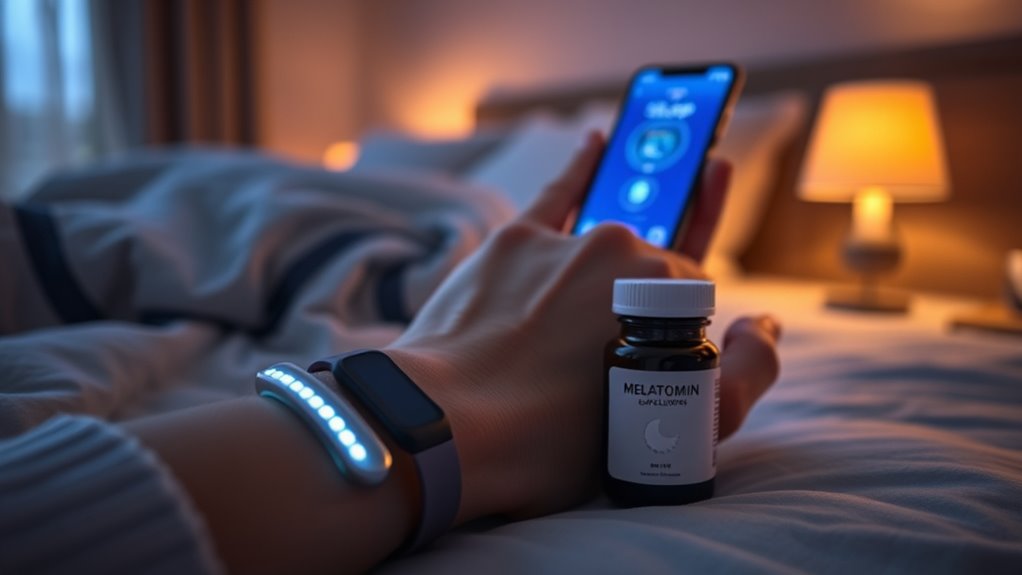
Melatonin is a hormone your body naturally produces to regulate your sleep-wake cycle. It plays a vital role in maintaining your circadian rhythm, the internal clock that tells you when to sleep and wake. Your pineal gland, a small gland located deep in your brain, is responsible for secreting melatonin. When it gets dark outside, your pineal gland increases melatonin production, signaling to your body that it’s time to sleep. Conversely, when exposed to light, melatonin levels decrease, helping you wake up and feel alert. This natural cycle keeps your sleep patterns consistent and restorative. Recognizing how melatonin influences your circadian rhythm can help you better manage your sleep habits and recognize the importance of this hormone in overall health. Additionally, recognizing the circadian rhythm can help you optimize your exposure to light and dark for better sleep regulation. Recent advances in AI-driven solutions are also exploring ways to support healthy sleep patterns through innovative technologies. Understanding the melatonin cycle can also inform lifestyle choices that promote better sleep quality. For example, maintaining a consistent sleep schedule reinforces your body’s natural melatonin production and supports overall well-being, and understanding these biological mechanisms can aid in addressing sleep disorders effectively.
As an affiliate, we earn on qualifying purchases.
Natural Ways to Boost Melatonin Production
Since your body’s melatonin production naturally rises in response to darkness, you can support this process through simple lifestyle choices. Maintaining a consistent sleep schedule helps align your circadian rhythm, encouraging the natural release of melatonin. Reducing exposure to blue light from screens at least an hour before bed allows your hormonal balance to favor melatonin production. Creating a dark, quiet environment in your bedroom further signals your body that it’s time to wind down. Regular outdoor activity during daylight hours also reinforces your circadian rhythm, promoting healthy melatonin levels. Incorporating lighting, guiding, power, and dew‑control methods in your home can further support your body’s natural melatonin production. Using light‑blocking curtains or sleep masks can enhance darkness and optimize melatonin synthesis. Implementing ambient lighting adjustments can help regulate your body’s hormonal responses, ensuring better sleep quality. Additionally, understanding how natural light cues influence your biological clock can empower you to optimize your environment for better sleep. By prioritizing these habits, you enhance your body’s ability to produce melatonin naturally, improving sleep quality without relying on external aids. This approach nurtures your overall hormonal balance and supports restful, restorative sleep.
As an affiliate, we earn on qualifying purchases.
The Role of Supplements in Enhancing Sleep Quality
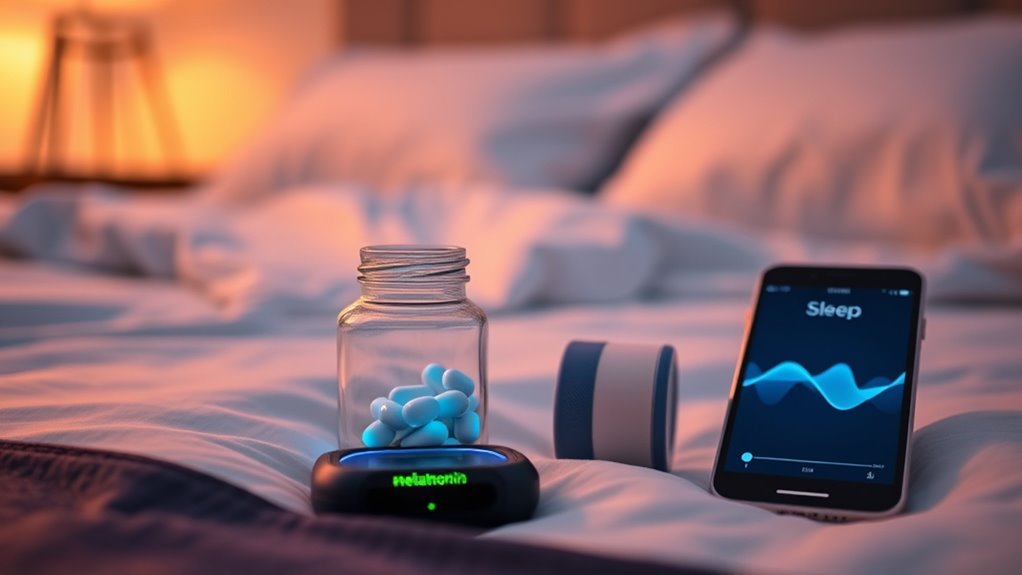
Supplements can help improve your sleep, but it’s important to follow proper dosage guidelines to avoid side effects. You should also pay attention to the best timing for taking melatonin to maximize its benefits. Understanding these key points will help you use supplements safely and effectively. Additionally, exploring appropriate styling products can support your overall sleep hygiene by ensuring comfort and reducing disturbances during rest. Using sleep-friendly routines can further enhance your sleep quality by establishing consistent habits that promote relaxation and restfulness, especially considering the science behind at‑home beauty tech devices that can complement your sleep environment. Incorporating sleep environment optimization can also create a more conducive space for restful sleep.
Melatonin Dosage Guidelines
Determining the right melatonin dosage is essential for effectively improving sleep quality without causing side effects. Since melatonin regulation varies from person to person, starting with a low dose—typically 0.5 to 1 milligram—is recommended. It’s important to maintain dosage consistency to gauge how your body responds. Higher doses, such as 3 to 5 milligrams, aren’t necessarily more effective and may increase the risk of side effects. Always follow your healthcare provider’s guidance and avoid self-adjusting doses without consultation. Keep track of your sleep patterns and any changes you experience. Proper dosage ensures you get the benefits of melatonin without disrupting your natural sleep cycle or causing unnecessary issues. Additionally, understanding yarn for scarves can be a helpful metaphor for balancing dose and effectiveness, emphasizing the importance of starting small and gradually adjusting as needed. Recognizing home theatre projectors can also provide insight into creating an ideal sleep environment, such as controlling light exposure for better melatonin regulation. Adjusting your sleep environment with light control devices can further optimize melatonin’s benefits. Being mindful of factors like light exposure and environment can significantly influence how well melatonin works for you, especially when combined with other sleep hygiene practices.
Potential Side Effects
Have you ever wondered if taking melatonin or other sleep supplements might cause side effects? While generally safe in short-term use, they can sometimes lead to issues like dizziness, headaches, or daytime grogginess. More importantly, supplements may interact with medications, causing drug interactions that affect your health. Long-term safety remains uncertain, as studies haven’t fully explored extended use. Here’s a quick overview:
| Side Effect | Potential Cause | Advice |
|---|---|---|
| Dizziness | Excessive dosage | Start with lowest dose |
| Headaches | Sensitivity or drug interactions | Consult your doctor |
| Daytime Grogginess | Overuse or timing issues | Use as directed |
| Drug Interactions | Combining with other medications | Always check with a healthcare provider |
| Long-term Safety | Lack of extended studies | Proceed cautiously |
Additionally, understanding the role of supplements in enhancing sleep quality can help you make informed choices and avoid unnecessary risks. Being aware of potential side effects and their causes can guide you in using these products safely and effectively. It is also important to consider individual sensitivity to supplements, which can vary widely among users. Recognizing how different factors influence supplement reactions can further support safe usage and improve sleep outcomes. Incorporating evidence-based insights can empower you to choose safe and effective sleep strategies.
Timing for Best Use
Timing plays a crucial role in maximizing the effectiveness of melatonin and other sleep supplements. To support your circadian rhythm, take supplements about 30 to 60 minutes before your desired sleep time. Your sleep environment matters too—dim the lights and reduce screen time to signal your body it’s time to wind down. Consistency is key; taking melatonin at the same time each night helps reinforce your natural sleep-wake cycle. Avoid taking supplements too early or late, as this can disrupt your circadian rhythm and impair sleep quality. By aligning supplement use with your natural body clock and creating a calming sleep environment, you enhance the chances of falling asleep faster and enjoying restorative sleep.
As an affiliate, we earn on qualifying purchases.
Technological Devices Designed to Improve Sleep

Technological devices like sleep trackers and monitors help you understand your sleep patterns more clearly. Light therapy devices can adjust your exposure to natural and artificial light to promote better sleep. These tools give you practical ways to optimize your sleep environment and habits.
Sleep Trackers and Monitors
Ever wondered how modern sleep trackers can help you understand and improve your sleep patterns? These devices analyze various aspects of your sleep, giving you insights like:
- Your sleep environment, including room temperature and noise levels, to optimize rest conditions.
- Sleep stages, helping you identify light, deep, and REM sleep for better overall quality.
- Dream analysis, offering clues about your subconscious and emotional health.
Light Therapy Devices
Light therapy devices are innovative tools designed to regulate your circadian rhythms and promote better sleep. By providing controlled light exposure, they help reset your internal clock, especially if your sleep schedule is disrupted or you experience seasonal changes. These devices emit bright light that mimics natural sunlight, signaling your brain to adjust the production of melatonin accordingly. When used correctly, light therapy can improve alertness during the day and enhance sleep quality at night. It’s especially effective for conditions like delayed sleep phase syndrome or jet lag. You simply sit near the device during specific times, allowing the light to influence your circadian rhythms positively. This tech alternative offers a drug-free, non-invasive way to optimize your sleep-wake cycle through strategic light exposure.
Comparing the Effectiveness of Supplements and Tech Solutions

When it comes to improving sleep, both supplements and tech solutions offer viable options, but their effectiveness can vary depending on individual needs. Supplements like melatonin can help realign your circadian rhythm, especially if disrupted by shift work or jet lag. Tech solutions, such as light therapy devices, work by influencing your natural sleep cues and reinforcing good sleep hygiene. Consider these options:
- Melatonin supplements can quickly signal your body to prepare for sleep, but may not address underlying habits.
- Light therapy devices help reset your circadian rhythm gradually, promoting longer-term sleep regulation.
- Combining both approaches can optimize sleep quality when tailored to your specific sleep challenges.
Ultimately, your choice depends on your sleep patterns and lifestyle, making personalized strategies most effective.
Potential Risks and Side Effects of Melatonin Supplements
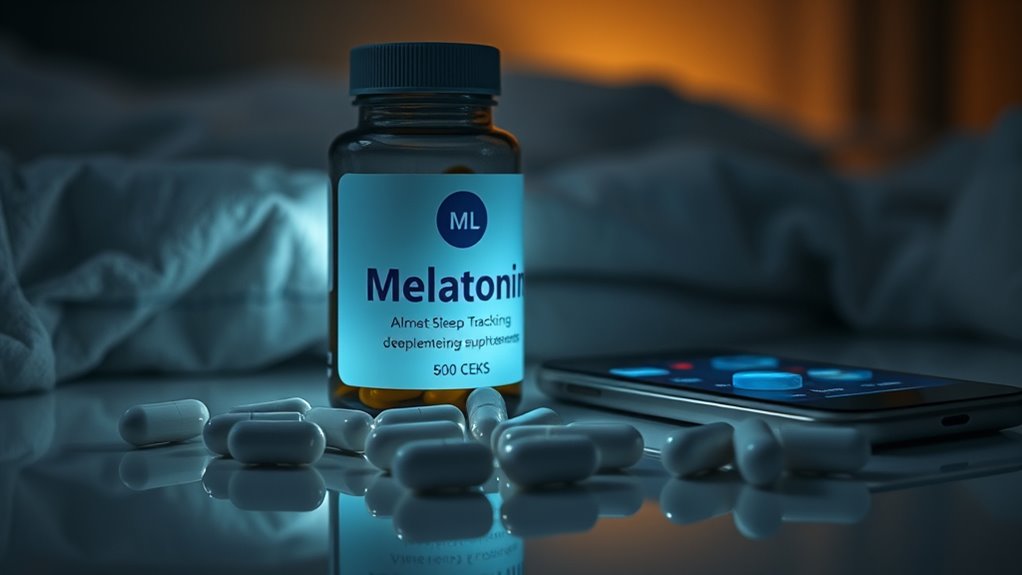
While melatonin supplements are generally considered safe for short-term use, they can still cause potential risks and side effects that you should be aware of. Some people experience dizziness, headaches, or nausea after taking melatonin. There’s also limited information on long-term safety, so ongoing use might carry unseen risks. Dependency concerns are minimal but possible if you rely on supplements regularly, making it harder to sleep naturally without them. Additionally, melatonin can interact with certain medications, such as blood thinners or immune suppressants. If you’re considering long-term use, consult with a healthcare professional to weigh benefits against potential risks. Staying informed helps you make safer choices and avoid unintended side effects.
Making an Informed Choice: Which Approach Is Right for You?
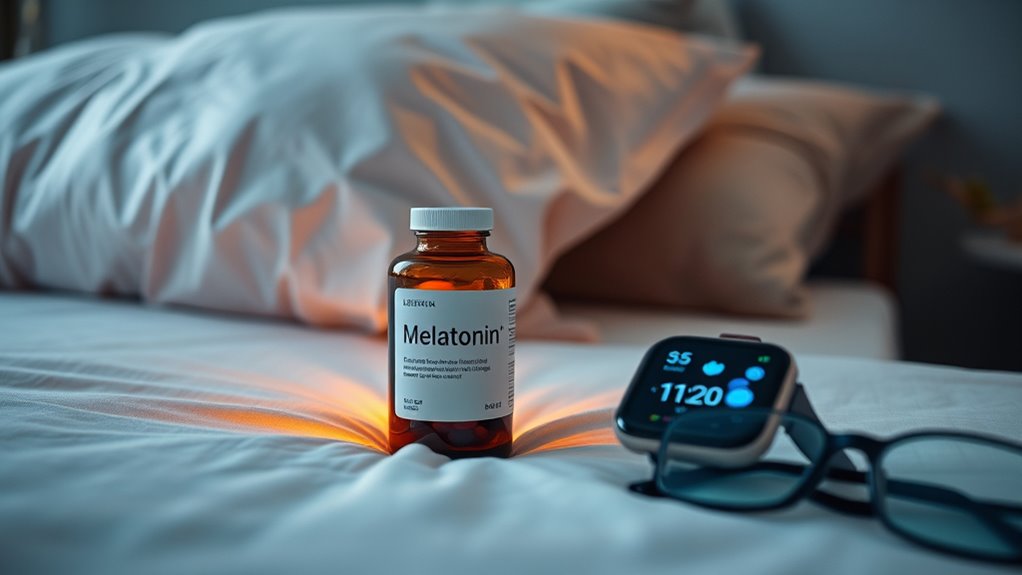
Choosing the right approach to improve your sleep involves weighing the benefits and risks of various options, including melatonin supplements and natural strategies. Cultural perceptions often influence your choices, shaping how you view supplements versus alternative therapies. To make an informed decision, consider these factors:
Weigh benefits, risks, and cultural views to choose the best sleep improvement strategy for you.
- Effectiveness: Some find melatonin supplements quick but temporary, while natural strategies like meditation offer longer-term benefits.
- Risks: Supplements may carry side effects or interactions, unlike many alternative therapies that focus on lifestyle changes.
- Personal Preference: Your comfort with technology-based solutions or cultural acceptance of herbal remedies impacts your choice.
Balancing these factors helps you choose an approach aligned with your values, health needs, and lifestyle for better sleep quality.
Frequently Asked Questions
Are There Any Long-Term Health Effects of Melatonin Supplements?
Long-term use of melatonin supplements may affect your hormonal balance and liver metabolism. While generally safe for short-term use, prolonged intake could interfere with your body’s natural hormone production, leading to potential disruptions. Additionally, your liver works to metabolize melatonin, so extended use might strain this process or cause unknown metabolic effects. It’s best to consult a healthcare professional before using melatonin long-term to avoid possible risks.
Can Technology Completely Replace Natural Sleep Regulation?
Imagine a lighthouse guiding ships safely home; tech can illuminate your sleep path, but it can’t replace your innate circadian rhythm. While gadgets and apps assist with sleep hygiene, they can’t fully replicate the body’s natural sleep regulation. You still need to listen to your body’s signals and maintain consistent habits, because technology complements but doesn’t replace the complex, beautiful process of natural sleep regulation.
How Do Individual Differences Impact Melatonin Supplement Effectiveness?
Your effectiveness of melatonin supplements depends on individual differences shaped by genetic factors and lifestyle influences. Some people naturally produce less melatonin or metabolize it faster, making supplements more beneficial for them. Conversely, others may not see much effect if their sleep issues stem from lifestyle factors like stress or poor sleep habits. Knowing your unique genetic makeup and lifestyle helps determine if melatonin supplements will work best for you.
Are There Specific Age Groups That Benefit More From Supplements or Tech?
You’ll find that age-specific benefits vary, with children and teens often needing careful guidance on melatonin supplements due to their developing systems. Older adults may benefit more from supplements because of natural declines in melatonin production. Generational differences influence tech use, too; younger generations tend to prefer tech alternatives like sleep trackers, while older individuals might lean toward supplements. Consider your age and needs for tailored, effective sleep solutions.
What Are the Legal Regulations Surrounding Melatonin Supplements Worldwide?
You should know that regulatory standards for melatonin supplements vary worldwide, affecting their safety and quality assurance. In some countries, like the US, they’re sold over-the-counter with fewer restrictions, while others, like Japan, impose stricter controls. Always check local laws and choose brands that follow good manufacturing practices to guarantee quality. Staying informed helps you make safe, effective choices when considering melatonin supplements.
Conclusion
Ultimately, whether you choose supplements or tech solutions, imagine yourself drifting into a peaceful, starry night sky—each option guiding you closer to restful sleep. Feel the gentle whisper of melatonin or the soft glow of a sleep tracker helping you find balance. Trust your instincts and experiment with what feels right. With patience, you’ll discover the path that eases you into tranquil, rejuvenating nights, leaving you refreshed and ready to face each new day.
Cold & flu season Picks
humidifiers
As an affiliate, we earn on qualifying purchases.