

TL;DR
Media coverage of men’s health has increased dramatically worldwide, with mentions rising 16 times in recent weeks. This surge reflects growing public and media interest, though the reasons behind it are still developing. For more insights into health industry trends, visit Wellgistics Health’s coverage.
Media outlets worldwide are increasingly covering men’s health topics, with mentions rising by a factor of 16 in recent weeks, according to the GDELT database. This surge underscores a growing focus on men’s health issues, which may influence public awareness and policy discussions.
The GDELT database reports that there have been 33 mentions of men’s health within a specific recent window, compared to a baseline of 2 mentions. This represents a 16-fold increase in coverage, making it one of the most significant surges in recent media activity on the topic.
Experts suggest that this increase may be linked to broader efforts to address men’s health concerns, such as mental health, cardiovascular issues, and awareness campaigns. You can learn more about related health initiatives at Health Canada’s recent efforts. While the exact drivers of this coverage spike are still being analyzed, it indicates a shift toward more open discussions about men’s health challenges.
Implications of the Media Surge on Men’s Health Awareness
This surge in media coverage could lead to increased public awareness of men’s health issues, potentially encouraging more men to seek medical help and engage in health-promoting behaviors. It may also influence policymakers to prioritize men’s health initiatives, addressing longstanding disparities in healthcare access and outcomes.
However, the impact of this coverage on actual health behaviors remains to be seen, and experts caution that increased media attention does not automatically translate into improved health outcomes.
As an affiliate, we earn on qualifying purchases.
Recent Trends in Men’s Health Media Coverage
Over the past year, there has been a gradual increase in discussions around men’s health, driven by high-profile campaigns and celebrity endorsements. The recent spike, however, is unprecedented in scale, with media mentions jumping significantly within a short period.
Previous efforts to raise awareness focused on specific issues like prostate cancer and mental health, but the current surge suggests a broader, more comprehensive focus on men’s health as a whole. The GDELT data indicates that this is a global phenomenon, with coverage increasing across multiple regions and media outlets.
“The recent surge in media coverage of men’s health is a positive sign that these issues are gaining the attention they deserve. It can help break down stigmas and encourage more men to seek care.”
— Dr. Susan Lee, Public Health Expert
As an affiliate, we earn on qualifying purchases.
Unclear Drivers Behind the Media Coverage Spike
While the data confirms a sharp increase in mentions, it is not yet clear what specific events or campaigns triggered this surge. Researchers are investigating whether recent policy debates, celebrity advocacy, or health crises contributed to the spike.
It remains uncertain whether this trend will sustain or translate into tangible health improvements for men worldwide.
cardiovascular health monitors for men
As an affiliate, we earn on qualifying purchases.
As an affiliate, we earn on qualifying purchases.
Monitoring Media Trends and Public Impact
Experts will continue analyzing media data to identify the key drivers of this coverage increase. Public health organizations are expected to leverage this momentum to promote targeted campaigns.
Further research will assess whether the heightened media attention results in increased healthcare engagement among men and improved health outcomes.
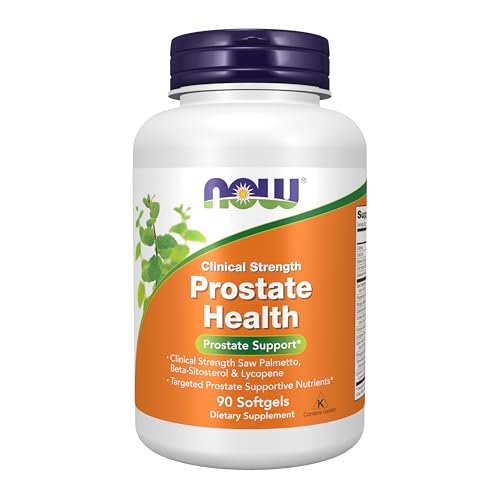
NOW Supplements, Prostate Health, Clinical Strength Saw Palmetto, Beta-Sitosterol & Lycopene, 90 Softgels
- Targeted Prostate Support: Supports healthy prostate gland
- Clinically Effective Ingredients: Contains strong saw palmetto, beta-sitosterol, lycopene
- Certified Quality: Gluten-free, dairy-free, egg-free, Halal, Kosher
As an affiliate, we earn on qualifying purchases.
As an affiliate, we earn on qualifying purchases.
Key Questions
What caused the recent surge in men’s health coverage?
The exact cause is still under investigation, but possible factors include recent campaigns, celebrity endorsements, or emerging health concerns gaining media attention.
Will this increased coverage lead to better health outcomes for men?
It is too early to determine. Increased awareness can encourage positive behaviors, but sustained efforts and policy changes are needed for tangible health improvements.
Is this trend seen globally or limited to specific regions?
The data indicates a global trend, with increased mentions across multiple regions, suggesting widespread media engagement on men’s health issues.
How reliable is the data from GDELT?
GDELT provides comprehensive media monitoring, but like all data sources, it has limitations. The recent spike is well-supported by the data but requires further contextual analysis.
What are the key issues in men’s health currently gaining attention?
Common issues include mental health, cardiovascular disease, prostate health, and awareness campaigns aimed at reducing stigma and encouraging early diagnosis.
Source: gdelt