
TL;DR
A yoga teacher reveals she has stopped primarily using the cue ‘do what feels good’ during classes. She found that relying on this phrase can lead to less effective practice and hinder student progress. Instead, she now emphasizes specific guidance to support autonomy and growth.
A yoga teacher has announced she no longer leads her classes with the popular cue ‘do what feels good,’ citing concerns about its impact on student progress and her own teaching habits. This shift aims to balance autonomy with effective instruction, highlighting a broader conversation in the yoga community about cueing practices.
The instructor, who has been teaching for several years, explained that she initially used the phrase to promote inclusivity and allow students to listen to their bodies. However, she realized that over-reliance on the cue led some students, including herself, to avoid challenging poses or strengthening exercises necessary for their progress. She acknowledged that the phrase can be supportive but warned it can also become vague or a substitute for clear, intentional teaching.
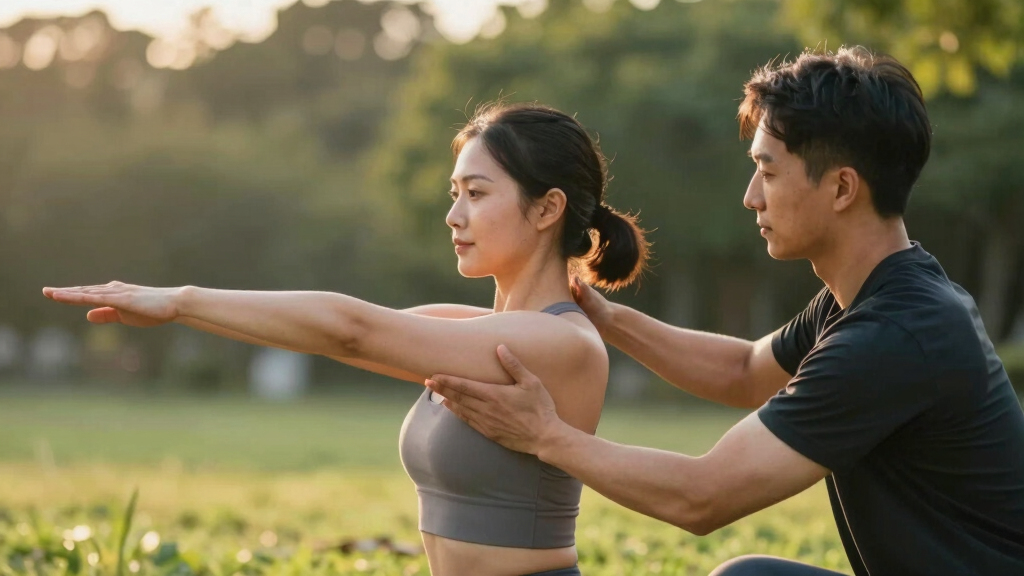
She described how her approach has evolved: she now offers specific options for poses, walks around to observe students, and practices sequences thoroughly before class. This allows her to cue more intentionally and support students in finding safe, effective variations. She emphasizes that providing guidance does not diminish autonomy but rather enhances it by helping students understand their choices.
Why It Matters
This change in teaching approach underscores a key issue in yoga instruction: balancing accessibility with effective guidance. It highlights the importance of precise cueing to ensure students receive the necessary instruction for safe and meaningful practice. For practitioners, it raises awareness about how language shapes their experience and progress in yoga.

Asana Moon Premium Yoga Cards – Deck with Over 120 Yoga Poses – Yoga Sequencing Deck with Yoga Cues and Sanskrit Names for Beginners and Teachers – Unique Yoga Gift for Women or Any Yoga Lover
Comprehensive Yoga Deck; 108 yoga sequence cards with over 120 yoga poses and 12 sequences; Yoga for beginners,…
As an affiliate, we earn on qualifying purchases.
As an affiliate, we earn on qualifying purchases.
Background
The phrase ‘do what feels good’ has become prevalent in yoga spaces over recent years, often used to foster inclusivity and reduce intimidation. However, some teachers and students have expressed concerns that it can lead to complacency or avoidance of challenging work. This development reflects ongoing debates within the yoga community about how best to support diverse bodies and abilities while maintaining effective teaching standards.
“I realized that over-reliance on ‘do what feels good’ could be a way of giving students permission to do less than they need, or avoid the work that supports their growth.”
— the instructor
“Clear, specific cues can empower students to explore safely and deepen their practice.”
— another yoga teacher

Vive Yoga Poster – Poses for Beginners and Experts – Mat Exercise Home Gym Workout Accessories Set- Double Sided Laminated Flow Chart Accessory – Instructional Guided Routine – for Women, Men
REAP THE BENEFITS OF PRACTICING YOGA: Build a simple, consistent routine at home with a clear visual guide…
As an affiliate, we earn on qualifying purchases.
As an affiliate, we earn on qualifying purchases.
What Remains Unclear
It is not yet clear how widespread this change is among other yoga teachers or how students will respond long-term. The impact on class engagement and progress remains to be studied further.

The Yoga Of Jesus – Understanding the Hidden Teachings of the Gospels (Self-Realization Fellowship)
As an affiliate, we earn on qualifying purchases.
As an affiliate, we earn on qualifying purchases.
What’s Next
The instructor plans to continue refining her cueing practice, incorporating more specific instructions and observing student responses. She may share her approach more broadly through workshops or articles to encourage dialogue within the yoga community.

Palace Learning Yoga Pose Exercise Cards – Yoga Positions and Workout Fitness Cards with Over 50 Poses – 2.5" x 3.5"
As an affiliate, we earn on qualifying purchases.
As an affiliate, we earn on qualifying purchases.
Key Questions
Why did the instructor stop using the cue ‘do what feels good’?
She found that overusing it could lead students to avoid challenging poses or strengthening exercises, which are essential for progress and safety. She wanted to provide clearer guidance to support growth.
Does this mean the instructor no longer values autonomy in yoga practice?
No, she emphasizes that providing specific options and instructions can actually enhance autonomy by helping students understand their choices and move more confidently.
Will this change affect how other teachers cue in their classes?
It is uncertain. The instructor’s experience may inspire others to reflect on their cueing strategies, but practices vary widely across the yoga community.
How can students benefit from more specific cues?
They can develop better body awareness, make safer adjustments, and deepen their practice by understanding what variations are available and appropriate for their bodies.
Is ‘do what feels good’ an inherently problematic cue?
Not necessarily. It can be supportive when used thoughtfully, but over-reliance or vague use may limit progress or lead to complacency, as the instructor’s experience illustrates.