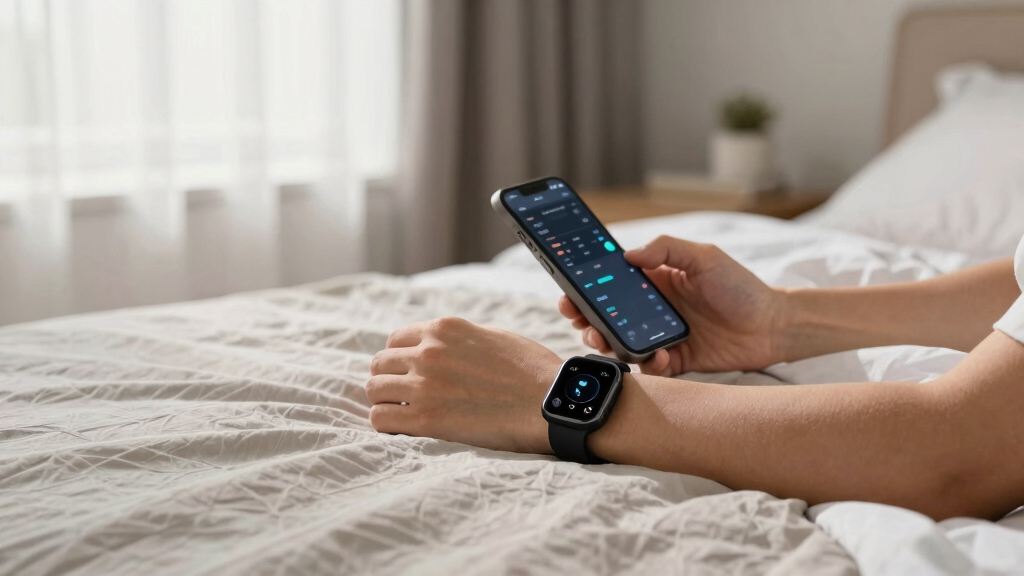
Finding the best sleep tracking device can be overwhelming with so many options claiming to monitor your sleep quality. The Fitbit Inspire 3 stands out as the overall pick for its balanced features and user-friendly interface. For more advanced insights, the Withings Sleep offers detailed sleep cycle analysis, while the Garmin Index Sleep Monitor provides in-depth sleep metrics for dedicated sleepers. However, tradeoffs include device compatibility, ease of use, and price. Continue reading for a detailed breakdown of each option and what makes them suitable for different needs.
Open a free Amazon Business account
Business pricing, bulk buying and tax-exempt orders.
Create a free accountAs an affiliate, we earn on qualifying purchases.
Key Takeaways
- Accuracy of sleep stage detection varies widely, with dedicated sleep monitors generally providing more detailed insights than smartwatches or fitness trackers.
- Ease of use and setup can significantly impact your experience; simpler devices like the Fitbit Inspire 3 appeal to beginners.
- Advanced health metrics like heart rate variability and stress management are more common in premium models like the Fitbit Sense 2 and Garmin Index.
- Price often correlates with feature depth; budget-friendly options still offer solid sleep tracking but may lack detailed analytics.
- Compatibility with other health apps and ecosystems can influence long-term satisfaction and integration into your wellness routine.
| Fitbit Inspire 3 Health & Fitness Tracker with Stress Management and Sleep Tracking |  | Best Overall Sleep Tracker for Versatility and Holistic Monitoring | Compatibility: Apple iOS 16.4+ / Android 11.0+ | Features: 24/7 heart rate, stress management, sleep tracking, exercise modes | Includes: 3-month Google Health Premium membership | VIEW LATEST PRICE | See Our Full Breakdown |
| Withings Sleep – Under Mattress Sleep Tracking Pad with Sleep Cycle Analysis |  | Best Non-Intrusive Sleep Monitoring for Sleep Cycle & Snoring Detection | Type: Sleep Tracking Pad | Sensor Technology: Pneumatic sensor | Features: Snoring detection, sleep cycle analysis, heart rate | VIEW LATEST PRICE | See Our Full Breakdown |
| Withings ScanWatch 2 – Hybrid Smartwatch with Heart Rate Monitoring and Fitness Tracking |  | Best Hybrid Watch for Long-Lasting, Discreet Sleep & Health Monitoring | Battery Life: 35 days | Health Monitoring: ECG, heart rate, AFib detection | Sleep Tracking: Sleep stages, breathing | VIEW LATEST PRICE | See Our Full Breakdown |
| Fitbit Sense 2 Advanced Health and Fitness Smartwatch with Stress and Sleep Tools |  | Best Premium Smartwatch with Advanced Sleep & Stress Management | Model: Sense 2 | Battery Life: 6+ days | Water Resistance: 50 meters | VIEW LATEST PRICE | See Our Full Breakdown |
| Garmin Index Sleep Monitor |  | Best Sleep Band for Detailed Sleep & HRV Data with Long Battery Life | Physical Size: Sleep Band S-M: 12.8″ x 2.5″ | Battery Life: Up to 7 nights | Sensor Type: Optical, Pulse Ox | VIEW LATEST PRICE | See Our Full Breakdown |
| Fitbit Charge 6 Fitness Tracker with Google Apps – Obsidian/Black, Small & Large Bands Included |  | Best Overall Sleep Tracking Device | Operating System: Android Wear 1.0 | Features: Activity Tracker, Multisport Tracker, GPS, ECG, Contactless Payments, Sleep Monitor | GPS: Enabled | VIEW LATEST PRICE | See Our Full Breakdown |
| WHOOP 5.0/MG Activity Tracker with 12-Month Membership |  | Best for Deep Performance and Recovery Insights | Battery Life: 14+ days | Membership Duration: 12 months included | Waterproof: Yes | VIEW LATEST PRICE | See Our Full Breakdown |
| Fitbit Versa 4 Fitness Smartwatch with Daily Readiness and Premium Membership |  | Best Versatile Smartwatch with Sleep Tracking | Operating temperature: -14° to 113°F | Radio transceiver: Bluetooth 5.0 | Maximum operating altitude: 28,000 feet (8,534 m) | VIEW LATEST PRICE | See Our Full Breakdown |
| sleep tracking device | Battery Life | Features |
|---|---|---|
| Fitbit Inspire 3 Health & Fitn | — | 24/7 heart rate, stress management, sleep tracking, exercise modes |
| Withings Sleep | — | Snoring detection, sleep cycle analysis, heart rate |
| Withings ScanWatch 2 | 35 days | — |
| Fitbit Sense 2 Advanced Health | 6+ days | — |
| Garmin Index Sleep Monitor | Up to 7 nights | — |
| Fitbit Charge 6 Fitness Tracke | — | Activity Tracker, Multisport Tracker, GPS, ECG, Contactless Payments, Sleep Monitor |
| WHOOP 5.0/MG Activity Tracker | 14+ days | Heart rate monitoring, sleep tracking, strain and recovery insights, menstrual cycle tracking, personalized coaching |
| Fitbit Versa 4 Fitness Smartwa | 6+ days | — |
More Details on Our Top Picks
Fitbit Inspire 3 Health & Fitness Tracker with Stress Management and Sleep Tracking
The Fitbit Inspire 3 stands out as the best overall choice thanks to its comprehensive health features, including sleep tracking, stress management, and heart rate monitoring, all integrated into a user-friendly device. Unlike the Garmin Index Sleep Monitor, which excels in sleep stage detail but lacks activity tracking, the Inspire 3 offers a balanced mix of health metrics suitable for everyday wellness. Its automatic exercise detection and mindfulness sessions enhance overall sleep quality by addressing stress and activity levels. The main tradeoff is that it requires a compatible smartphone and doesn’t include built-in GPS, which might limit outdoor activity tracking for some users. Still, its all-in-one approach makes it a versatile option for those seeking an integrated health companion without needing a separate device.
Pros:- Handles multiple health metrics including stress, heart rate, and sleep
- Supports mindfulness and stress reduction features
- Automatic exercise detection for better activity insight
- Compatible with both iOS and Android devices
Cons:- Limited to compatible smartphones; no standalone display
- Battery life details are not specified, possibly requiring frequent charging
Best for: Individuals seeking a well-rounded, easy-to-use sleep tracker with health monitoring features integrated into daily activity tracking
Not ideal for: Users who require detailed sleep cycle analysis or advanced biometric sleep data, which this device doesn’t deeply provide
- Compatibility:Apple iOS 16.4+ / Android 11.0+
- Features:24/7 heart rate, stress management, sleep tracking, exercise modes
- Includes:3-month Google Health Premium membership
Our verdict“This device makes the most sense for users who want a versatile fitness tracker that also offers solid sleep insights without extra complexity.”
Withings Sleep – Under Mattress Sleep Tracking Pad with Sleep Cycle Analysis
The Withings Sleep pad offers a hassle-free, non-intrusive way to monitor sleep by slipping under your mattress, providing detailed sleep cycle analysis, snoring detection, and heart rate data. Compared to the Garmin Index Sleep Monitor, which tracks sleep stages and HRV but requires a wearable band, the Withings Sleep’s under-mattress design appeals to those who dislike wearing devices overnight. However, its placement under the mattress can be incompatible with certain bed types and may face connectivity issues, especially if the app connection is unstable. Its focus is solely on sleep, so users seeking broader health metrics will need additional devices, but for sleep-specific insights, it’s highly accurate and unobtrusive.
Pros:- Accurately detects sleep stages and snoring
- Provides detailed sleep cycle and heart rate data
- Non-intrusive, no need to wear anything
Cons:- Placement requirements may not suit all bed types
- Limited to sleep monitoring, no activity or other health metrics
- Potential connectivity issues can affect data consistency
Best for: People who want a zero-wear sleep tracker that provides detailed sleep cycle insights and snoring detection
Not ideal for: Users needing integrated health metrics beyond sleep, or with beds incompatible with under-mattress sensors
- Type:Sleep Tracking Pad
- Sensor Technology:Pneumatic sensor
- Features:Snoring detection, sleep cycle analysis, heart rate
Our verdict“Ideal for sleepers who prioritize passive, detailed sleep analysis without wearing a device overnight.”
Withings ScanWatch 2 – Hybrid Smartwatch with Heart Rate Monitoring and Fitness Tracking
The Withings ScanWatch 2 combines classic analog aesthetics with advanced health tracking, including sleep stages, ECG, and fitness metrics, offering a stylish solution with up to 35 days of battery life. Compared to dedicated sleep trackers like the Fitbit Inspire 3, this hybrid watch excels in battery longevity and overall style, but it doesn’t feature a fully digital display or smartwatch functionalities like app notifications. It’s better suited for those who want continuous health insights from a traditional-looking device rather than a full digital smartwatch experience. Its reliance on the Withings app and limited smartwatch features mean it’s more of a health companion than a multi-functional device.
Pros:- Exceptional battery life of up to 35 days
- Elegant, durable design with stainless steel and sapphire glass
- Comprehensive health tracking including ECG and sleep stages
Cons:- Requires the Withings app for full functionality
- Limited smartwatch features, no full digital display
- Less suitable for users wanting extensive app integrations
Best for: Users who prefer a stylish, long-lasting device that provides essential sleep and health data without the bulk of a full digital smartwatch
Not ideal for: Tech enthusiasts seeking a fully digital, feature-rich smartwatch with customizable apps and notifications
- Battery Life:35 days
- Health Monitoring:ECG, heart rate, AFib detection
- Sleep Tracking:Sleep stages, breathing
- Compatibility:Android and iOS
Our verdict“This pick is best for style-conscious users who want detailed sleep and health data with minimal maintenance.”
Fitbit Sense 2 Advanced Health and Fitness Smartwatch with Stress and Sleep Tools
The Fitbit Sense 2 offers an advanced approach to sleep tracking, integrating ECG, SpO2, and stress management alongside fitness features, making it ideal for users who want a comprehensive health device. Compared to the Withings ScanWatch 2, the Sense 2 provides a more digital experience with built-in GPS and a variety of smartwatch features, but it demands more frequent charging—over six days of battery life—and may be less comfortable for some users during all-day wear. Its broad health suite suits those who want not just sleep data but a complete health overview, though some features depend on smartphone compatibility. This device balances detailed sleep insights with extensive health tracking, but regular charging can be a hassle for busy users.
Pros:- Extensive health tracking including ECG, SpO2, and stress levels
- Built-in GPS for outdoor activities
- Customizable notifications and all-day wear comfort
Cons:- Battery life is limited, requiring more frequent charging
- Some features depend on smartphone compatibility
- Wrist size limitations for smaller users
Best for: Health-conscious users who want a fully featured smartwatch with detailed sleep and stress management tools
Not ideal for: Individuals seeking a minimal, long-lasting sleep tracker or those who dislike frequent charging
- Model:Sense 2
- Battery Life:6+ days
- Water Resistance:50 meters
- Membership Included:3-month Google Health Premium
Our verdict“This device is perfect for users wanting a high-tech, all-in-one health tracker with sleep and stress insights in a sleek package.”
Garmin Index Sleep Monitor
The Garmin Index Sleep Monitor offers detailed sleep analysis with metrics like sleep stages, HRV, and breathing variations, making it a solid choice for sleep enthusiasts. Compared to the Fitbit Inspire 3, which provides a broad health overview, the Garmin device focuses deeply on sleep quality, including advanced features like breathing variations and women’s health tracking. Its lightweight, upper-arm band design makes it comfortable to wear for up to seven nights, and data syncs seamlessly with Garmin Connect for in-depth insights. However, it isn’t a medical device and provides estimations rather than definitive diagnoses. Its specialized focus on sleep makes it less suitable for users seeking a holistic health tracker but ideal for those prioritizing sleep accuracy and detailed biometric data.
Pros:- Provides detailed sleep stages and HRV analysis
- Long battery life of up to 7 nights
- Lightweight and comfortable for overnight wear
- Seamless data integration with Garmin Connect
Cons:- Not a medical device; data is estimated
- Advanced women’s health features are not for medical use
- Breathing variation feature depends on Pulse Ox availability
Best for: Sleep-focused users who want in-depth biometric data and long-lasting, comfortable wear
Not ideal for: People seeking a multi-purpose fitness tracker or a device with extensive smartwatch features
- Physical Size:Sleep Band S-M: 12.8″ x 2.5″
- Battery Life:Up to 7 nights
- Sensor Type:Optical, Pulse Ox
- Material:Nylon
Our verdict“Best suited for users seeking in-depth sleep biometric data and long-term sleep trend monitoring without extra bulk.”
Fitbit Charge 6 Fitness Tracker with Google Apps – Obsidian/Black, Small & Large Bands Included
The Fitbit Charge 6 stands out for its comprehensive health monitoring, including advanced sleep tracking that goes beyond basic sleep duration to analyze sleep stages and quality. Compared to the Fitbit Versa 4, it offers a more focused experience for those primarily interested in sleep and health metrics, though it lacks the smartwatch features that Versa provides. Its water resistance up to 50 meters and built-in GPS make it suitable for active users who want to track sleep after workouts or outdoor activities. The inclusion of Google apps and a 3-month Google Health Premium trial enhances personalization, but the need for a subscription to access full insights is a drawback. The interface may seem complex for beginners, and battery life details are not specified, which could impact daily use. Overall, this device is ideal for users prioritizing detailed sleep and health data over smartwatch capabilities.
Pros:- Tracks detailed sleep stages and quality metrics
- Includes built-in GPS and Google Maps for outdoor activities
- Water resistant up to 50 meters and supports contactless payments
- Offers integrated Google apps and a 3-month premium trial
Cons:- Premium features require a separate subscription after trial
- Interface may be complex for new users
- Battery life details remain unclear
Best for: Fitness enthusiasts who want detailed sleep and health metrics without extra smartwatch features
Not ideal for: Users seeking a full-featured smartwatch with extensive notifications and apps
- Operating System:Android Wear 1.0
- Features:Activity Tracker, Multisport Tracker, GPS, ECG, Contactless Payments, Sleep Monitor
- GPS:Enabled
- Band Material:Silicone
- Case Material:Stainless Steel or Metal
- Water Resistance Level:Water Resistant
Our verdict“This is the best choice for those who want a dedicated, detailed sleep tracker integrated with comprehensive health monitoring.”
WHOOP 5.0/MG Activity Tracker with 12-Month Membership
The WHOOP 5.0 excels at providing detailed sleep analysis, recovery metrics, and personalized coaching, making it ideal for athletes or highly active individuals who want to optimize performance. Unlike the Fitbit Versa 4, which balances fitness and lifestyle features, WHOOP omits a screen and notifications, focusing entirely on health data through app integrations. Its long 14+ day battery life and waterproof design support continuous wear, even during sleep and training. While it offers extensive insights into sleep stages, strain, and recovery, the device’s lack of a display means users must rely on their phone for feedback, which can be inconvenient. The subscription model covers the full range of features, adding ongoing costs for users. This pick is best for dedicated fitness followers who prioritize data-driven health optimization over smartwatch functionalities.
Pros:- Over 14 days of battery life for continuous wear
- Provides personalized coaching based on sleep and recovery data
- Waterproof and discreet, suitable for sleep and training
- Seamless app integration with major health platforms
Cons:- No onboard display or notifications, reducing immediacy
- Requires a subscription for full access to features
- Limited to health and fitness tracking, no smartwatch functions
Best for: Performance-focused individuals who want in-depth sleep, recovery, and health analytics
Not ideal for: Casual users seeking a smartwatch with notifications or casual sleep tracking
- Battery Life:14+ days
- Membership Duration:12 months included
- Waterproof:Yes
- Includes:WHOOP 5.0 device, SuperKnit band, Wireless PowerPack
- Compatibility:Apple Health, Google Health Connect, Strava, TrainingPeaks
- Features:Heart rate monitoring, sleep tracking, strain and recovery insights, menstrual cycle tracking, personalized coaching
Our verdict“This device offers the most detailed sleep and recovery insights for athletes and dedicated fitness fans willing to pay ongoing subscription fees.”
Fitbit Versa 4 Fitness Smartwatch with Daily Readiness and Premium Membership
The Fitbit Versa 4 balances comprehensive fitness features with solid sleep tracking capabilities, making it a strong all-rounder. Its built-in GPS and over 40 exercise modes appeal to active users who want convenience and versatility, but compared to the Fitbit Charge 6, it offers less detailed sleep stage analysis, focusing more on overall sleep duration and quality. The 6+ day battery life and inclusion of a 3-month Google Health Premium trial make it suitable for everyday health monitoring. However, its water resistance, rated at 50 meters, supports swimming but may not satisfy users needing deep water activity tracking. Some advanced features require app or subscription activation, which can complicate setup. Overall, this device suits users seeking a smartwatch that integrates sleep tracking with broader health and fitness insights.
Pros:- Built-in GPS and support for numerous exercise modes
- Long battery life of over 6 days
- Includes a free 3-month Fitbit Premium membership
- Good balance of fitness and sleep tracking features
Cons:- Requires compatible iOS or Android devices for full functionality
- Some features need app or subscription activation
- Limited water resistance for deep water activities
Best for: General fitness and wellness seekers who want a smartwatch with reliable sleep tracking and long battery life
Not ideal for: Serious athletes or those seeking highly detailed sleep stage analysis
- Operating temperature:-14° to 113°F
- Radio transceiver:Bluetooth 5.0
- Maximum operating altitude:28,000 feet (8,534 m)
- Water resistance:50 meters
- Battery life:6+ days
- Includes:3-month Google Health Premium Membership
Our verdict“This smartwatch is ideal for users who want a versatile device with reliable sleep tracking and extended battery life without sacrificing daily fitness monitoring.”
How We Picked
Our selection process focused on a combination of accuracy, usability, build quality, and value. We prioritized devices with proven sleep tracking capabilities, user-friendly interfaces, and reliable app integration. Devices had to offer meaningful insights into sleep quality, with some providing additional health metrics to justify higher prices. We also considered user feedback and professional reviews to ensure the picks serve different types of sleepers, from beginners to enthusiasts. The ranking reflects a mix of performance, affordability, and overall versatility, making sure there’s a good fit for various needs and budgets.Factors to Consider When Choosing Best Sleep Tracking Devices
Choosing the best sleep tracking device involves considering several factors beyond just the features listed on the box. Understanding what truly matters can help you avoid common pitfalls and select a device that integrates well with your lifestyle. Here are key factors to keep in mind when making your decision.Accuracy and Data Depth
Not all sleep trackers are created equal when it comes to measuring sleep stages and quality. Dedicated devices like the Withings Sleep tend to offer more precise cycle analysis, which is valuable if you want detailed insights. In contrast, many fitness trackers provide general sleep duration and quality metrics that are sufficient for casual use. Consider your level of interest in detailed data—if you want in-depth analytics, investing in a more advanced device is worth it.
Ease of Use and Setup
Devices that are simple to set up and use tend to encourage consistent tracking. Wearables like the Fitbit Inspire 3 or Fitbit Charge 6 are designed for quick setup and daily wear, making them accessible for beginners. On the other hand, under-mattress sensors or more complex smartwatches may require more initial effort and calibration. Think about how comfortable you are with technology and how much effort you’re willing to invest in device maintenance.
Battery Life and Maintenance
Longer battery life reduces the hassle of frequent charging, helping you maintain consistent tracking. Devices like the Garmin Index Sleep Monitor often have extended battery life, whereas some smartwatches need nightly charging. Consider your sleep habits—if you travel often or dislike charging devices frequently, prioritize options with longer battery life or easy charging routines.
Compatibility and Ecosystem Integration
It’s vital to select a device that syncs seamlessly with your existing health apps and platforms. For example, Fitbit devices integrate well with Fitbit’s app, while Garmin products sync with Garmin Connect. Compatibility ensures you can track trends over time and access comprehensive health data in one place. Also, check whether the device supports your smartphone’s operating system to avoid connectivity issues.
Price and Value
Price range in sleep trackers varies widely, with basic devices costing less but offering limited insights, and premium models providing extensive data and health features. Determine your main goal—if sleep tracking is a casual interest, a budget option like the Fitbit Inspire 3 may suffice. For more serious health monitoring, investing in a device like the Fitbit Sense 2 or Garmin Index offers additional benefits, but at a higher cost. Balance your budget with your desired level of detail and functionality.
Frequently Asked Questions
Can sleep trackers accurately detect sleep stages?
While many sleep trackers claim to monitor sleep stages, their accuracy varies. Devices using advanced sensors and algorithms, like dedicated sleep monitors or high-end smartwatches, tend to provide more reliable data. However, consumer-grade wearables often give a good general overview but may not be precise enough for clinical purposes. If detailed sleep stage data is essential for you, consider investing in a device known for its analytical capabilities.
Is it worth paying more for a sleep tracking device?
Higher-priced devices usually offer more comprehensive insights, such as heart rate variability, stress levels, and deeper sleep analysis. If you have specific health concerns or are highly invested in optimizing your sleep, spending more can be justified. However, for casual tracking or general wellness, budget-friendly options like the Fitbit Inspire 3 can provide sufficient data without the extra cost.
How important is battery life for sleep trackers?
Battery life impacts how consistently you can track sleep without interruptions. Devices with longer battery life—sometimes lasting a week or more—reduce the hassle of frequent charging, ensuring your sleep data remains uninterrupted. Shorter battery life devices may require nightly charging, which can disrupt tracking and lead to gaps in data. Consider your daily routine and whether you prefer a device that requires less maintenance.
Do I need a wearable or can I use non-wearable options?
Both wearables and non-wearable options like under-mattress sensors can effectively track sleep, but each has tradeoffs. Wearables are versatile and often include additional health metrics, but they require consistent wearing and charging. Non-wearable devices, like the Withings Sleep pad, are unobtrusive and easy to set up but might lack the depth of data or convenience of wearables. Choose based on your comfort with devices and your desired level of detail.
Will a sleep tracker help improve my sleep quality?
Yes, consistent use of a sleep tracker can reveal patterns and disruptions you might not notice otherwise. By identifying factors that affect your sleep—such as stress, environment, or habits—you can make targeted adjustments. However, the device itself doesn’t automatically improve sleep; it’s how you interpret and act on the data that leads to better rest. Combining tracking with healthy sleep practices enhances its effectiveness.
Conclusion
For most users seeking a reliable, user-friendly experience, the Fitbit Inspire 3 offers excellent overall value and simplicity. If you want detailed sleep insights and health metrics, the Fitbit Sense 2 or Garmin Index are better choices. Budget-conscious buyers will appreciate the affordability of basic trackers like the Fitbit Charge 6, while those with advanced health goals might prefer premium options like the Withings ScanWatch 2 or WHOOP 5.0. Ultimately, your ideal device depends on your specific needs—whether it’s ease of use, detailed analytics, or integration with broader health tracking systems.
Flea & tick season Picks
flea and tick prevention
As an affiliate, we earn on qualifying purchases.