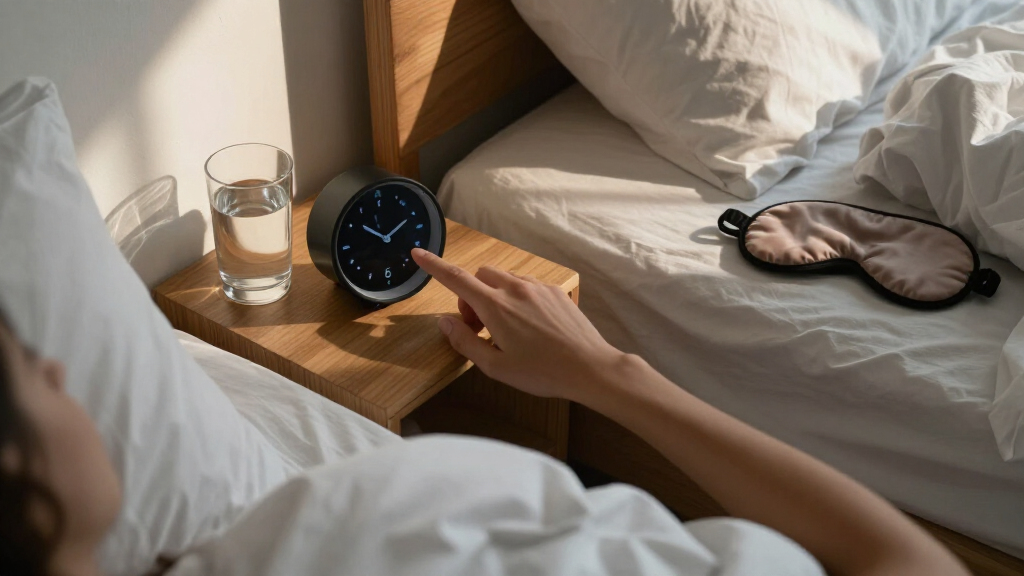
The best sleep tracking alarm clocks combine a more comfortable wake-up with features that suit your sleep habits, but this roundup includes options with very different strengths. My best overall pick is the Hatch Restore 3 for its integrated sleep and sunrise-alarm approach, while the Philips SmartSleep HF3520/60 stands out for a dedicated wake-up light and the ANJANK dual-alarm clock for sleepers who need a bed shaker. The main tradeoff is between connected routines and a simpler bedside device, with app-based controls and sound libraries on one side and direct alarms, lights, or vibration on the other. Some products focus on sleep sounds or wake-up cues rather than detailed sleep tracking, so the right fit depends on which job matters most to you. Read on for the full breakdown, ranking logic, and advice for matching a clock to your room and routine.

Get health and wellness essentials delivered free — and shop member deals
- Fast, free delivery on millions of items
- Access to Prime Big Deal Days deals on October 6–7
- Prime Video, Amazon Music and more included
Key Takeaways
- The Hatch Restore 3 is the most balanced choice in this lineup, pairing sleep routines with a sunrise-style alarm; it suits buyers who want more than a basic clock and are comfortable with a connected approach.
- The Philips SmartSleep HF3520/60 prioritizes the wake-up light over a sound-machine-and-app feature set, making it a clearer fit for buyers whose main goal is a gradual light-based wake-up.
- The ANJANK bed shaker and vibrating wristbands serve different heavy-sleeper needs: a bed shaker can alert a partner-sharing sleeper without relying on sound alone, while a wristband keeps the alarm on the wearer.
- Several sunrise-clock picks also add sound machines, including the Ecozy, Odokee, REACHER, and Geuuap models; buyers should compare control style and extras rather than assume every sunrise lamp offers detailed sleep data.
- Many products in this list are wake-up aids, not full sleep-analysis systems. Check whether tracking means recorded sleep metrics or simply an alarm designed around light, sound, or vibration before choosing.
| Vibrating Alarm Wristband for Heavy Sleepers with Pedometer & Sleep Monitor |  | Best Wearable Silent Alarm | Display: Digital | Water resistance: 50M | Battery capacity: 50mAh | VIEW LATEST PRICE | See Our Full Breakdown |
| Odokee Sunrise Alarm Clock and White Noise Machine |  | Best for App-Free Controls | Sunrise simulation: Customizable from 5 to 60 minutes | Calming sounds: 25 | Bluetooth speaker: 5W stereo | VIEW LATEST PRICE | See Our Full Breakdown |
| Ecozy 3-in-1 Sunrise Alarm Clock White Noise Machine with Smart App Control |  | Best for Customizable Sleep Routines | Connectivity: 2.4GHz Wi-Fi | Sound options: 26, including white, brown, and pink noise | Lighting: 360° RGB surround lighting | VIEW LATEST PRICE | See Our Full Breakdown |
| Hatch Sleep Clock Bedside Sleep Tracker and Sound Machine, Putty |  | Best for Contactless Sleep Tracking | Tracking method: Contactless sensors detect movement and breathing | Mounting: Tabletop | Connectivity: Bluetooth for setup; 2.4GHz Wi-Fi for ongoing use | VIEW LATEST PRICE | See Our Full Breakdown |
| Hatch Restore 3 Sleep and Sunrise Alarm Clock, Cocoa |  | Best for Screen-Free Bedtime Routines | Color: Cocoa | Sleep sounds: 80+ | Lighting: Dimmable and customizable | VIEW LATEST PRICE | See Our Full Breakdown |
| Buffbee Alarm Clock with Sound Machine and Night Light |  | Best for Simple Bedtime Comfort | Sound options: 24 calming sounds | Alarm sounds: Birdsong, waves, beep, brook, and piano tones | Night light: 7-color ambient light | VIEW LATEST PRICE | See Our Full Breakdown |
| Vibrating Wristband Alarm Clock for Heavy Sleepers with Fitness Tracker |  | Best for Silent Wake-Ups | Alarm type: Vibration | Alarm reminders: Two | Tracking: Step tracking and sleep monitoring | VIEW LATEST PRICE | See Our Full Breakdown |
| Sunrise Alarm Clock and Sound Machine with Gentle Wake-Up Light |  | Best Customizable Sunrise Routine | Sunrise simulation: 10–60 minutes | Brightness levels: 13 | Volume levels: 32 | VIEW LATEST PRICE | See Our Full Breakdown |
| ANJANK Extra-Loud Dual Alarm Clock with Wireless Bed Shaker and Night Light |  | Best for Heavy Sleepers Who Need Multiple Alerts | Power: Plug-in; adapter included | Battery backup: None | Bed shaker battery: 1500 mAh rechargeable | VIEW LATEST PRICE | See Our Full Breakdown |
| Philips SmartSleep Wake-up Light HF3520/60 |  | Best Premium Sunrise Alarm | Model: HF3520/60 | Shape: Round | Wake-up sounds: 5 natural sounds | VIEW LATEST PRICE | See Our Full Breakdown |
| Dreamegg D1 Nova Sound Machine and Alarm Clock |  | Best Compact Sound-and-Alarm Pick | Sound options: 25: 6 white-noise, 2 fan, 8 lullaby, and 9 nature sounds | Timer: 10–480 minutes | Clock brightness: 5 levels, including off | VIEW LATEST PRICE | See Our Full Breakdown |
| Silent Vibrating Alarm Wristband for Heavy Sleepers |  | Best Silent Wake-Up for Shared Bedrooms | Product type: Wearable alarm wristband | Material: Silicone | Alarm type: Silent vibration | VIEW LATEST PRICE | See Our Full Breakdown |
| Geuuap Sunrise Alarm Clock with White Noise Machine and Bluetooth Speaker |  | Best for Bluetooth Audio and Gentle Light Wake-Ups | Display: Digital | Power source: Corded electric | Connectivity: Bluetooth 5.3 and USB-C | VIEW LATEST PRICE | See Our Full Breakdown |
| REACHER Wood Grain Sunrise Alarm Clock with Sound Machine and Nightlight |  | Best Adjustable Sunrise Wake-Up | Sunrise simulation: Brightness increases from 1% to 100% over 5–60 minutes | Sleep sounds: 26 | Sound and nightlight timer: 5–180 minutes | VIEW LATEST PRICE | See Our Full Breakdown |
More Details on Our Top Picks
Vibrating Alarm Wristband for Heavy Sleepers with Pedometer & Sleep Monitor
For sleepers who need an alarm they can feel without waking a partner, this wristband’s vibration-only alert is its defining advantage. It also combines a pedometer and sleep monitor, so it offers basic activity and sleep tracking without adding a bedside device. Compared with the Hatch Sleep Clock, which tracks sleep from the bedside and adds sound and lighting, this is a simpler, wearable-focused option; it makes more sense for a noisy household or shared room than for someone seeking detailed sleep insights or a full wind-down routine. The 50M water resistance and silicone strap suit daily wear, but the product data gives no battery-life estimate, and charging is required. With no audible alarm backup, it may not suit anyone who needs sound as well as vibration.
Pros:- Vibration alert wakes without adding bedroom noise
- Includes a pedometer and sleep monitor
- 50M water resistance supports everyday wear
- Digital display has a luminous finish
Cons:- Vibration is the only listed alarm alert
- Battery life is not specified
- Requires USB charging
Best for: Heavy sleepers sharing a room who want a silent wrist alert and basic step and sleep tracking.
Not ideal for: Buyers who need an audible alarm backup, detailed sleep analysis, or a stated battery-life estimate.
- Display:Digital
- Water resistance:50M
- Battery capacity:50mAh
- Materials:ABS case and silicone strap
- Strap thickness:8mm
- Dimensions:0.67 in W × 8.86 in H
- Alarm alert:Vibration
- Tracking:Pedometer and sleep monitoring
Our verdict“Choose this wristband if a silent, wearable wake-up matters more than rich sleep insights or bedside sound and light.”
Odokee Sunrise Alarm Clock and White Noise Machine
The Odokee is a better match for people who want a gentle sunrise alarm and bedtime sounds but would rather adjust settings on the device than through an app. Its physical buttons and dials give it a straightforward feel, while 25 calming sounds, Bluetooth audio, and a color night light make it more versatile at bedtime than the Hatch Restore 3, whose listed strengths center on sleep audio and customizable light. The tradeoff is that Odokee does not list sleep tracking, so it supports a sleep routine without measuring sleep or offering personalized insights. Its sunrise duration can be set from 5 to 60 minutes, which gives wake-up light users more control over the ramp-up. Choose it for a configurable bedside alarm and sound machine, not for tracking.
Pros:- Sunrise simulation adjusts from 5 to 60 minutes
- Physical buttons and dials work without an app
- Includes 25 calming sounds and Bluetooth audio
- Display brightness and 12 night-light colors are adjustable
Cons:- No sleep-tracking feature is listed
- Bluetooth speaker output is specified at 5W, which may not suit buyers seeking powerful room audio
Best for: Sleepers who want a sunrise alarm, sound options, and hands-on controls without relying on an app.
Not ideal for: Buyers whose main goal is sleep tracking, personalized sleep insights, or contactless monitoring.
- Sunrise simulation:Customizable from 5 to 60 minutes
- Calming sounds:25
- Bluetooth speaker:5W stereo
- Display dimming:0–100%
- Night-light colors:12
- Alarm sounds:7
- Wake-up modes:3
- Controls:Physical buttons and dials; no app required
Our verdict“Pick the Odokee for an app-free sunrise-and-sound bedside routine, but look elsewhere if tracking sleep is a priority.”
Ecozy 3-in-1 Sunrise Alarm Clock White Noise Machine with Smart App Control
Ecozy suits people who like shaping bedtime and wake-up settings around a routine: its app combines sunrise lighting, sleep sounds, and ambient color effects with multiple alarm schedules. The 26 sound options and 360° lighting give it more atmosphere controls than the Odokee, which instead offers physical controls and Bluetooth audio without an app. That distinction matters: Ecozy’s connected approach can make personalized setups easier to manage, but the product description says full functionality requires the app, and its Wi-Fi support is limited to 2.4GHz. Unlike the Hatch Sleep Clock, Ecozy does not list contactless sleep tracking or personalized sleep insights, so it is a routine-building clock rather than a sleep-measuring device. It makes the most sense for app-comfortable buyers who value flexible light and sound settings over tracking data.
Pros:- Combines sunrise alarm, sound machine, and ambient lighting
- Offers 26 sleep-friendly sounds
- 360° lighting includes nine effects and eight solid colors
- Supports multiple alarm schedules and automatic time sync
Cons:- Supports 2.4GHz Wi-Fi only
- Full functionality depends on app control
- Does not list sleep tracking or sleep insights
Best for: App-comfortable sleepers who want scheduled sunrise alarms, varied soundscapes, and customizable ambient lighting.
Not ideal for: Buyers who need sleep tracking, prefer physical-only controls, or rely on a 5GHz-only Wi-Fi network.
- Connectivity:2.4GHz Wi-Fi
- Sound options:26, including white, brown, and pink noise
- Lighting:360° RGB surround lighting
- Ambient effects:9
- Solid light colors:8
- Alarm sounds:7
- Alarm scheduling:Multiple schedules and snooze
- App control:Yes
- Time sync:Automatic Wi-Fi time sync
Our verdict“Choose Ecozy if app-based light and sound customization is your priority, not if you want the contactless tracking offered by Hatch Sleep Clock.”
Hatch Sleep Clock Bedside Sleep Tracker and Sound Machine, Putty
This Hatch model is the clearest fit for buyers who want a bedside clock that does more than play sounds: its contactless sensors track movement and breathing, then provide sleep insights and suggestions. That gives it a distinct role beside the Hatch Restore 3, which lists sleep audio, dimmable lighting, and a sunrise alarm but no tracking. The Sleep Clock also combines a smart light, reminders, a sound library, and a sunrise alarm, making it a fuller bedside sleep system than the wristband’s basic tracking and vibration alert. The tradeoffs are ongoing connectivity and content access: setup uses Bluetooth, ongoing use needs 2.4GHz Wi-Fi, and Hatch+ content requires a paid subscription after the 30-day trial. The claimed 97% tracking accuracy is a product-description claim, not a guarantee for every sleeper.
Pros:- Tracks sleep without requiring a wearable
- Provides personalized sleep insights and suggestions
- Combines tracking with a sound library, smart light, reminders, and sunrise alarm
- Includes a 30-day Hatch+ trial
Cons:- Ongoing use requires a stable 2.4GHz Wi-Fi connection
- Controls rely on the app
- Hatch+ content requires a paid subscription after the trial
Best for: Sleepers who want contactless bedside tracking and personalized insights alongside sound, light, reminders, and a sunrise alarm.
Not ideal for: People without reliable 2.4GHz Wi-Fi, buyers avoiding app-based controls, or those unwilling to pay for Hatch+ content after the trial.
- Tracking method:Contactless sensors detect movement and breathing
- Mounting:Tabletop
- Connectivity:Bluetooth for setup; 2.4GHz Wi-Fi for ongoing use
- Power:Corded electric
- Audio library:2,500+ sounds and audio options
- Listed tracking accuracy:97%, as stated in the product description
- Hatch+ trial:30 days
- Color:Putty
Our verdict“Choose this Hatch if contactless sleep insights are the main reason you want a sleep-tracking alarm clock and you accept its app and subscription requirements.”
Hatch Restore 3 Sleep and Sunrise Alarm Clock, Cocoa
The Restore 3 is aimed at people who want a quieter, more deliberate bedtime setup, with dimmable lighting, 80+ sleep sounds, and a sunrise alarm in one device. Compared with the Hatch Sleep Clock, it is the simpler choice: the Sleep Clock adds contactless tracking and personalized insights, while Restore 3 focuses on audio and light rather than measuring sleep. That makes this a better fit for buyers who want to shape the room and wake gently without adding a wearable, but it is not the pick for tracking sleep patterns. The included 30-day Hatch+ trial opens access to premium content for new subscribers; ongoing access requires a subscription. If you prefer app-free controls or want tracking data included in the device’s stated features, the Odokee or Hatch Sleep Clock may suit you better.
Pros:- Combines sleep audio, lighting, and a sunrise alarm
- Includes more than 80 sleep sounds
- Customizable, dimmable lighting can support a darker bedroom
- Offers a 30-day Hatch+ trial for new subscribers
Cons:- Does not list sleep tracking or personalized sleep insights
- Hatch+ premium content requires a paid subscription after the trial
Best for: People building a screen-free bedtime routine around adjustable light, sleep audio, and a sunrise wake-up.
Not ideal for: Sleepers who want contactless tracking, prefer app-free operation, or do not want a subscription for continued Hatch+ access.
- Color:Cocoa
- Sleep sounds:80+
- Lighting:Dimmable and customizable
- Alarm:Sunrise alarm
- Hatch+ trial:30 days for new subscribers
- Subscription:Paid subscription required for continued Hatch+ access
Our verdict“Choose the Restore 3 for a light-and-audio bedtime routine with a sunrise alarm, but choose the Hatch Sleep Clock if tracking is the priority.”
Buffbee Alarm Clock with Sound Machine and Night Light
The Buffbee is a straightforward choice for people who want bedtime sounds and a gentler alarm in one plug-in clock, rather than sleep monitoring. Its 24 calming sounds can help mask household noise, while options such as birdsong, waves, and piano offer alternatives to a sharp buzzer. The seven-color night light and display brightness adjustable from 0–100% make it easier to keep the bedside glow low or use more light when needed. Compared with the Sunrise Alarm Clock and Sound Machine, it lacks a gradual sunrise and that model offers more sound choices, but the Buffbee keeps its controls focused on basic wind-down and wake-up needs. It does not track sleep stages or adapt its alarm to sleep patterns, and its plug-in power limits placement.
Pros:- 24 calming sound options can mask distracting background noise
- Gentle alarm tones include birdsong, waves, brook, and piano
- Seven-color ambient light gives flexibility for nighttime use
- Display brightness adjusts from 0–100%
Cons:- Does not monitor sleep or tailor alarm timing to sleep patterns
- Requires a plug-in power connection, limiting placement
Best for: People who want a simple bedside sound machine, gentle alarm tones, and adjustable ambient light without app-based features
Not ideal for: Buyers seeking sleep tracking, sunrise simulation, or a clock they can place away from an outlet
- Sound options:24 calming sounds
- Alarm sounds:Birdsong, waves, beep, brook, and piano tones
- Night light:7-color ambient light
- Display brightness:Adjustable from 0–100%
- Power:Plug-in
- Sleep tracking:Not specified
Our verdict“Choose the Buffbee if you want sound and adjustable light for a simple bedtime routine, not sleep tracking or a sunrise wake-up.”
Vibrating Wristband Alarm Clock for Heavy Sleepers with Fitness Tracker
For a sleeper who needs an alarm without waking a partner, this wristband puts silent vibration ahead of light and sound. It adds two alarm reminders, step tracking, and sleep monitoring, making it the only option in this group that is worn on the wrist and lists those tracking functions. That is a different proposition from the bedside ANJANK Extra-Loud Dual Alarm Clock, which pairs sound with a wireless bed shaker but needs space and a power outlet. Here, USB recharging and a stated battery life of up to 30 days reduce charging interruptions, though actual runtime depends on alarm and display use. The tradeoff is a vibration-only alert: there is no audible backup, and the strap must come off to charge. Sleep monitoring is listed, but no tracking detail is provided.
Pros:- Vibration alerts can wake the wearer without disturbing someone nearby
- Two alarm reminders support more than one wake-up time
- Includes step tracking and sleep monitoring
- USB-rechargeable design has a stated battery life of up to 30 days
Cons:- Vibration is the only listed alarm type, with no audible option
- The strap must be removed for charging
- Battery life varies with alarm use and screen activity
Best for: Heavy sleepers sharing a room who want discreet wrist vibration plus basic step and sleep monitoring
Not ideal for: People who want audible alarms, detailed sleep-stage insights, or an alarm that does not require wearing a device
- Alarm type:Vibration
- Alarm reminders:Two
- Tracking:Step tracking and sleep monitoring
- Display:Large illuminated digital display
- Charging:USB rechargeable
- Battery life:Up to 30 days
- Water resistance:Water resistant
- Clasp:Buckle
Our verdict“Pick this wristband for a discreet wearable wake-up and basic tracking, but choose the ANJANK if you need an audible alarm backup.”
Sunrise Alarm Clock and Sound Machine with Gentle Wake-Up Light
This model is the most adjustable sunrise-focused option in this group: its light can build gradually over 10–60 minutes, with 13 brightness levels and 32 volume levels for dialing in a gentler morning. The 30 sound options, sleep timer, snooze, and memory function also support a repeatable bedtime and wake-up routine. Compared with the Philips SmartSleep Wake-up Light HF3520/60, it provides a wider listed sound selection and a stated sunrise duration range, while Philips adds sunset simulation, FM radio, and 20 brightness settings. Neither product is described as tracking sleep, so the sunrise is scheduled rather than responsive to sleep stages. Product dimensions and power details are not provided, which makes bedside fit and setup harder to judge before buying.
Pros:- Sunrise simulation can be set from 10 to 60 minutes
- 13 brightness and 32 volume levels allow detailed adjustment
- Offers 30 white-noise and nature sounds
- Sleep timer, snooze, and memory function support a repeatable routine
Cons:- No sleep tracking or sleep-stage-responsive alarm is listed
- Product dimensions and power details are not provided
- The supplied information does not establish real-world performance
Best for: People who want control over how gradually a bedside light and sound build into their morning alarm
Not ideal for: Buyers who require sleep-stage tracking, clear power and size information, or a wake-up routine that responds to sleep data
- Sunrise simulation:10–60 minutes
- Brightness levels:13
- Volume levels:32
- Sound options:30: 10 white-noise and 20 nature sounds
- Sleep timer:30–480 minutes
- Display dimmer:5 levels
- Additional features:Continuous play, memory function, snooze, and backlit buttons
- Power and dimensions:Not provided
Our verdict“Choose this clock for a highly adjustable scheduled sunrise and sound routine, not for sleep monitoring or data-responsive waking.”
ANJANK Extra-Loud Dual Alarm Clock with Wireless Bed Shaker and Night Light
The ANJANK is built for waking reliability through three alert routes: sound up to 112 dB, a wireless bed shaker, and a multicolor night light. Dual alarms and three vibration levels give couples or heavy sleepers more ways to set a wake-up routine than the vibration-only Wristband Alarm Clock for Heavy Sleepers. The shaker’s stated wireless range of up to 10 m allows placement away from the clock, and the USB-C output can charge a phone at the bedside. These are practical wake-up tools, not sleep-tracking features; no sleep monitoring is listed. The main limitation is power resilience: the clock must stay plugged in and has no battery backup. The rechargeable shaker also needs periodic charging, so it adds a separate device to maintain.
Pros:- Combines loud sound, wireless bed vibration, and light alerts
- Dual alarms and three shaker intensity levels offer flexible wake-up settings
- Display brightness and night-light color and brightness are adjustable
- USB-C output can charge a phone
Cons:- Clock has no battery backup and requires an outlet
- Wireless shaker needs periodic recharging
- No sleep tracking or sleep-stage-responsive alarm is listed
Best for: Heavy sleepers or couples who need dual alarms and a choice of loud sound, bed vibration, and light
Not ideal for: People who need sleep tracking, battery-backed clock operation, or a compact, cable-free bedside setup
- Power:Plug-in; adapter included
- Battery backup:None
- Bed shaker battery:1500 mAh rechargeable
- Shaker wireless range:Up to 10 m (32.8 ft)
- Shaker battery life:Up to one month per charge
- Vibration levels:3
- Alarms and sounds:Dual alarms; 8 alarm sounds
- Maximum alarm volume:112 dB
- Display and night light:Display dimmer 0–100%; 9 night-light colors, off mode, and 6 brightness levels
Our verdict“Choose the ANJANK when waking through sound and a bed shaker matters more than sleep tracking or backup power.”
Philips SmartSleep Wake-up Light HF3520/60
The Philips SmartSleep is the more established-feeling bedside routine pick in this set, pairing sunrise and sunset simulations with five natural wake-up sounds and 20 brightness settings. Its light can also serve as a reading lamp, while FM radio and tap snooze add functions beyond a basic alarm. Compared with the Sunrise Alarm Clock and Sound Machine with Gentle Wake-Up Light, Philips offers sunset simulation and radio, but the other clock lists 30 sounds, a defined 10–60-minute sunrise range, and a sleep timer. Philips is a scheduled light-and-sound alarm, not a sleep tracker: the provided features do not describe sleep monitoring or adaptive wake timing. Its round body also takes bedside space, and the product information gives no dimensions to help judge the fit.
Pros:- Sunrise and sunset simulations support a light-based daily routine
- 20 brightness settings allow use as a bedside reading lamp
- Five natural wake-up sounds and FM radio provide alarm alternatives
- Tap snooze offers a simple way to extend the alarm
Cons:- No sleep tracking or adaptive wake timing is listed
- Round shape may take more bedside space than a compact clock
- Fewer listed sounds than the 30 offered by the Sunrise Alarm Clock and Sound Machine
Best for: Buyers who want a bedside reading light and a sunrise-and-sunset routine from a single alarm clock
Not ideal for: People who prioritize sleep tracking, a broad sound library, or detailed dimensions before choosing a bedside device
- Model:HF3520/60
- Shape:Round
- Wake-up sounds:5 natural sounds
- Brightness settings:20
- Light simulations:Sunrise and sunset
- Display:Automatic dimming
- Radio:FM radio
- Snooze:Tap snooze
Our verdict“Pick the Philips for sunrise and sunset lighting plus reading-light use, but choose another model if sleep tracking is your priority.”
Dreamegg D1 Nova Sound Machine and Alarm Clock
The Dreamegg D1 Nova makes the most sense for a small bedside setup where soothing sounds, a basic alarm, and a night light matter more than sleep tracking. Its 25 sounds and timer that runs from 10 to 480 minutes offer more wind-down flexibility than a simple alarm clock, while separate brightness controls let you keep the display dark without giving up a soft light. Compared with the REACHER Wood Grain Sunrise Alarm Clock, it is smaller and offers a wider sound library, but it lacks a gradual sunrise wake-up. Its seven alarm sounds and adjustable volume provide a conventional wake-up rather than sleep-stage timing. The main limitation is power: it must stay connected by USB-C and is not rechargeable, so it is less convenient for travel without an outlet.
Pros:- Combines a sound machine, clock, alarm, and night light in one compact unit
- Offers 25 sounds and a long, adjustable 10–480-minute timer
- Clock display and night-light brightness adjust independently
- Small footprint suits crowded nightstands
Cons:- Requires continuous USB-C power and is not rechargeable
- Does not offer sleep tracking or sleep-stage-based alarms
- No sunrise simulation for light-sensitive sleepers
Best for: People with limited nightstand space who want a compact sound machine, adjustable night light, and straightforward alarm in one device.
Not ideal for: Sleep trackers or light-based wake-up seekers who want sleep-stage analysis, a sunrise simulation, or a cordless alarm.
- Sound options:25: 6 white-noise, 2 fan, 8 lullaby, and 9 nature sounds
- Timer:10–480 minutes
- Clock brightness:5 levels, including off
- Night light:10 colors with 5 brightness levels
- Alarm:7 sounds; volume levels V01–V32
- Snooze:9 minutes
- Power:USB-C plug-in; not rechargeable
- Dimensions and weight:3.8 × 3.8 × 2.1 in; about 0.5 lb
Our verdict“Choose the Dreamegg D1 Nova if you want a compact, versatile sound-and-alarm station rather than a sleep-tracking or sunrise clock.”
Silent Vibrating Alarm Wristband for Heavy Sleepers
This wristband takes a different approach from bedside clocks: silent vibration wakes the wearer without adding light or sound to a shared room. Multiple customizable alarms make it more flexible than a single-purpose shaker, and its IP68 water resistance suits people who may wear it through sweat or rain. Compared with the Dreamegg D1 Nova, it avoids disturbing a partner but gives up the sound machine, visible clock, and night-light functions. It is also not a sleep tracker based on the supplied details; there is no stated sleep analysis or smart wake window. The available information does not specify battery life, charging method, or sizing, which makes day-to-day practicality and fit harder to judge. I’d choose it for private, silent alerts, not as an all-in-one bedside sleep system.
Pros:- Silent vibration can wake the wearer without waking a partner
- Designed with strong vibrations for heavy sleepers
- Supports multiple customizable alarms
- IP68 water resistance protects against sweat, rain, and spills
Cons:- No battery-life or charging details are provided
- No fit or sizing information is available
- Does not provide stated sleep tracking, sound, or sunrise-light features
Best for: Heavy sleepers sharing a bedroom who need a private vibration alarm and want multiple alarm settings.
Not ideal for: Buyers seeking sleep tracking, sound or light features, or clear battery and sizing information before choosing a wearable.
- Product type:Wearable alarm wristband
- Material:Silicone
- Alarm type:Silent vibration
- Alarm settings:Multiple customizable alarms
- Water resistance:IP68
- Battery life:Not specified
Our verdict“Pick this wristband for quiet, wearable alarms in a shared bedroom, but skip it if you need a bedside clock or documented sleep tracking.”
Geuuap Sunrise Alarm Clock with White Noise Machine and Bluetooth Speaker
The Geuuap Sunrise Alarm Clock is a better fit for light-sensitive sleepers who want gradual illumination alongside sounds or their own audio. Its 17 light modes, 30 soothing sounds, and Bluetooth 5.3 playback give it broader bedside entertainment options than the Dreamegg D1 Nova, which focuses on built-in sounds and a compact footprint. Dual alarms are useful when two people keep different schedules, while the no-app setup keeps operation simple. The tradeoff is that Bluetooth and extra lighting do not add sleep tracking: the supplied details describe a sunrise-style alarm, not sleep monitoring or wake timing based on sleep stages. It also requires a specific original power adapter to avoid damage, and the lack of Wi-Fi rules out smart-home integration. That makes it a feature-rich standalone clock, not a connected sleep system.
Pros:- Gradually brightening sunrise-style light supports a gentler wake-up
- Includes 30 soothing sounds and 17 customizable light modes
- Bluetooth 5.3 plays music and podcasts
- Dual alarms and no-app setup suit shared or family use
Cons:- Does not provide stated sleep tracking or sleep-stage-aware alarms
- Requires the specific original power adapter to avoid damage
- No Wi-Fi connectivity for smart-home integration
Best for: Light-sensitive sleepers, families, or couples who want a gradual light alarm, two independent alarms, and Bluetooth audio without app setup.
Not ideal for: Buyers who want sleep-stage tracking, Wi-Fi or smart-home control, or a clock that can use a generic replacement power adapter.
- Display:Digital
- Power source:Corded electric
- Connectivity:Bluetooth 5.3 and USB-C
- Sound options:30 soothing sounds
- Light modes:17 customizable modes
- Alarms:2 independent alarms
- Dimensions:6.5 in W × 6.23 in H
- Material and color:ABS; khaki
Our verdict“Choose the Geuuap for a no-app sunrise alarm with Bluetooth audio and dual alarms, not for sleep tracking or smart-home features.”
REACHER Wood Grain Sunrise Alarm Clock with Sound Machine and Nightlight
The REACHER Wood Grain Sunrise Alarm Clock stands out for buyers who want to wake to rising light and keep a sound machine close at hand. Its brightness ramps from 1% to 100% over a selectable 5–60 minutes, giving light-sensitive sleepers more control over the lead-in to waking than the Dreamegg D1 Nova, which has no sunrise simulation. The REACHER also pairs 26 sounds with a 5–180-minute shutoff timer and a fully dimmable display, so it can serve as a wind-down aid without leaving a bright clock face on overnight. It is less flexible for audio than the Geuuap, which adds Bluetooth playback and more light modes. The provided details do not list sleep tracking or a sleep-stage alarm, and its built-in battery only retains settings during outages rather than making the clock cordless.
Pros:- Sunrise brightness rises from 1% to 100% over an adjustable 5–60 minutes
- Includes 26 soothing sounds and a 5–180-minute shutoff timer
- Display dims from 0–100%, with an eight-color nightlight
- Built-in backup battery retains settings during power outages
Cons:- No sleep tracking or sleep-stage-based alarm is specified
- Built-in battery retains settings during outages but is not described as cordless operating power
- Lacks Bluetooth audio playback offered by the Geuuap
Best for: Light-sensitive sleepers who want a customizable sunrise ramp, built-in sleep sounds, and a dimmable display without app setup.
Not ideal for: People who need sleep tracking, Bluetooth audio, or a battery-powered clock they can use away from an outlet.
- Sunrise simulation:Brightness increases from 1% to 100% over 5–60 minutes
- Sleep sounds:26
- Sound and nightlight timer:5–180 minutes
- Display dimming:0–100%
- Nightlight colors:8
- Backup battery:Built-in; retains settings during power outages
- Design:Wood grain
Our verdict“Choose the REACHER if an adjustable sunrise ramp and dimmable bedside sound machine matter more than sleep tracking or Bluetooth.”
How We Picked
I ranked these clocks around the needs behind the search: helping buyers wake in a way that suits their sleep habits, while being clear about what each device can and cannot track. I compared the alarm method—sunrise light, sound, bed shaker, or wrist vibration—alongside the usefulness of sleep-related features, ease of setting routines, and bedside practicality. Sound options, lighting controls, app dependence, and the range of alarm adjustments also mattered because they affect nightly use, not just the feature list.
The Hatch Restore 3 ranks first for its broader sleep-and-wake approach; the Philips is more focused on wake-up light, while the ANJANK and wristband models serve people who need a stronger or more personal alert. Sunrise clocks with sound machines follow for buyers who want multiple bedside functions, while simpler clocks rank lower when they offer fewer sleep-focused controls or less evidence of actual sleep tracking. Product names and feature descriptions do not establish clinical sleep measurement, so I distinguish tracking from sleep sounds and wake-up aids throughout.
Factors to Consider When Choosing Best Sleep Tracking Alarm Clocks
Before choosing, separate sleep tracking from features that may simply support sleep. A clock can play calming audio or use a gradual light alarm without measuring sleep stages or recording a detailed overnight report. These points can help you decide which benefit deserves priority and which extras you can ignore.
Check What “Sleep Tracking” Actually Means
Start by asking what information you expect to see the next morning. Some products in this category focus on sounds, lighting, and alarm routines; those functions can support a bedtime routine without recording sleep data. If you want nightly metrics, check the product’s stated sensors, what it records, and where the results appear before buying. Do not treat a sleep timer, sound library, or sunrise alarm as proof of sleep monitoring. A device that records sleep may still provide estimates rather than medical-grade measurements. Match the feature to your goal: a gentler wake-up and a sleep report are separate reasons to shop.
Choose an Alarm That Fits Your Sleeping Situation
Your room and household can matter more than the number of alarm modes. Sunrise lights suit people who prefer a gradual visual cue, but they may be less useful if the clock faces away from you or the room is already bright at wake-up time. A bed shaker directs the alert through a mattress, while a wristband keeps it on the wearer; neither choice is automatically ideal for every couple or bed setup. Sound alarms are straightforward, but a loud alert can disturb someone sleeping nearby. Think through where the device will sit, who it might wake, and whether you can reliably feel or see its signal. Buy for your actual sleep environment rather than the most dramatic feature description.
Decide How Much App Control You Want
Connected clocks can make it easier to build repeatable bedtime and wake-up routines, but they may add setup steps and dependence on a phone or app. A more direct device can be easier to adjust at the bedside, especially for someone who wants a basic alarm without managing settings across screens. Check which functions work from the clock itself and which require an app, account, or ongoing connection. Also look at how easily you can change alarm times on weekends or set separate schedules for two sleepers. A feature-rich interface is useful only if it fits the way you already manage your nights. Buyers who value simplicity should prioritize clear controls over a longer list of digital extras.
Treat Sound and Light as Separate Sleep Tools
White noise, nature sounds, night lights, and sunrise alarms solve different problems, even when they share one housing. Sound may mask inconsistent background noise, while a dim night light can help with movement around the room; neither function measures sleep on its own. A sunrise lamp is meant to change the waking environment, not necessarily to provide a full sound library or detailed tracking. Consider whether you need one reliable function or several features in a single bedside unit. Combining features can reduce clutter, but it can also make controls busier and leave you paying attention to extras you rarely use. Prioritize the feature tied to your biggest sleep or waking frustration.
Plan for Shared Beds and Different Schedules
People sharing a room often need an alarm that reaches one sleeper without waking the other. A personal wrist vibration or a carefully positioned bed shaker may fit that goal better than a bright lamp or loud sound, though sensitivity and sleeping position affect how well these cues work. If two people wake at different times, confirm that the clock supports separate alarms rather than assuming a dual-alarm label covers every schedule. A light that gradually brightens may still affect a partner, even when the sound is muted. Consider the sleeper who is hardest to wake and the person most sensitive to disruption. That small compatibility check can matter more than extra sounds or decorative lighting.
Weigh Setup, Maintenance, and Long-Term Use
A bedside clock becomes part of a nightly routine, so check how much setup it asks of you and what needs attention over time. App-based products may require updates or occasional troubleshooting, while sound machines and clocks need controls that remain easy to use in low light. Wristbands bring a different upkeep question: charging and wearing the device consistently are part of getting an alarm each morning. For a lamp, placement and brightness adjustment shape how useful it is in your room. Read the stated power and connectivity requirements, and check whether the alarm remains usable if a phone is unavailable. A simpler product can be the better long-term choice when it does its main job with less daily effort.
Frequently Asked Questions
Do these clocks all measure sleep, or are some only alarm and sound machines?
No. This lineup includes products centered on sunrise lighting, sound masking, bedside alarms, and vibration, and those features do not automatically mean a device records sleep data. Look for a clear description of what is measured, how the information is collected, and whether you can view nightly results. If a listing mainly describes sounds and wake-up modes, treat it as a sleep-support device unless it specifically states that it tracks sleep. This distinction matters if your main goal is reviewing overnight patterns rather than changing your alarm routine.
Is a sunrise alarm a good choice if I share a bed with someone who wakes later?
It can be, but light is not a fully private alarm: brightness may reach the other person even if the sound stays off. Check whether the lamp allows gradual brightness adjustment and whether you can position it toward your side of the bed. A wrist vibration can be a more personal cue, while a bed shaker may suit someone who does not reliably wake to light. Room layout, bedding, and each sleeper’s sensitivity all affect the result. If minimizing disturbance is the priority, choose the alert method that stays closest to the waking person.
Should I choose a bed shaker or a vibrating wristband for heavy sleeping?
Choose based on whether you want the alert attached to your body or delivered through the bed. A wristband travels with the wearer and keeps the signal personal, but it requires wearing and charging the device. A bed shaker avoids wearing something overnight and can suit people who prefer a bedside setup, though vibration may carry through the mattress to a partner. Neither style can promise to wake every sleeper, since sensitivity and sleeping position vary. Think about comfort, shared-bed disruption, and your willingness to charge or position the device each night.
Do I need an app-connected clock to get a useful sleep routine?
No. An app can make routines and settings easier to manage, but a useful bedtime or wake-up routine can also come from a simple alarm, sound machine, or sunrise light. Before choosing a connected model, check which features need the app and whether essential alarm controls remain available on the clock. This helps avoid buying more setup complexity than you want. If you often change schedules or want to adjust several routine elements, app control may suit you; if you value direct bedside use, simpler controls may be a better match.
Can a white-noise alarm clock replace a separate sound machine?
It may, if its sound choices, volume control, and timer suit your room and routine. A combined device can reduce bedside clutter, but the presence of a sound feature does not tell you how many sounds it offers or how flexible playback is. Check whether the audio can run independently of the alarm and whether you can set it to stop automatically. If sound masking is your main need, compare those details before prioritizing sunrise lighting or app extras. Buyers who rely on a particular sound or schedule should confirm that the device supports it.
Conclusion
For the broadest sleep-and-wake feature mix, I’d start with the Hatch Restore 3 as best overall, while keeping in mind that its connected approach may not suit someone who wants a basic clock. The Odokee and Buffbee are sensible best-value directions for shoppers prioritizing a straightforward combination of alarm, sound, and bedside light features; compare their specific controls before choosing. For a premium routine-focused pick, consider the Ecozy 3-in-1 if smart app control is a priority. Beginners who want a familiar, focused wake-up light may prefer the Philips SmartSleep HF3520/60. For heavy sleepers, choose the ANJANK bed shaker if you want a bedside alert, or a vibrating wristband if a personal, wearable cue fits better. If sleep metrics are your main goal, verify that the specific model records the data you want rather than relying on the phrase “sleep tracking” alone.
Fall Picks
fall essentials
As an affiliate, we earn on qualifying purchases.