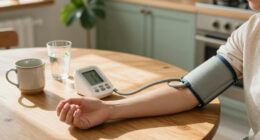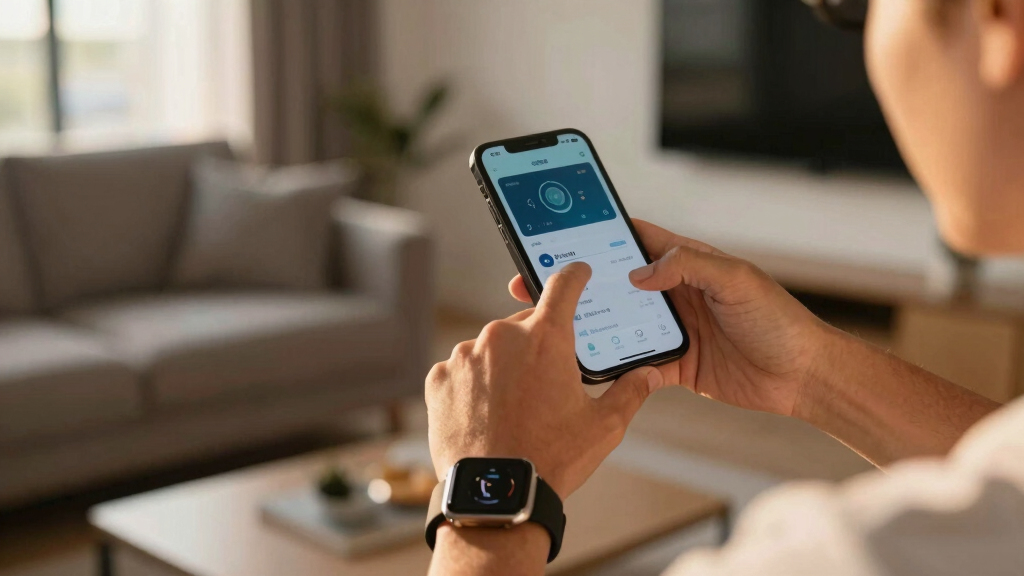

In 2026, home health monitoring devices have become essential tools for managing personal health and chronic conditions. The KardiaMobile 6L Max stands out as the best overall for its comprehensive ECG capabilities, while the OMRON Complete offers a versatile combination of blood pressure and EKG monitoring. However, choosing the right device involves tradeoffs between features, ease of use, and price. More advanced options tend to come with higher costs and complexity, whereas simpler devices may lack detailed data. Continue reading for a detailed breakdown of the top options to help you find the perfect fit for your health goals.

Get health and wellness essentials delivered free with Prime
- Fast, free delivery on millions of items
- Prime Video, Amazon Music and more included
- Member-only deals all year
Key Takeaways
- Most top-tier devices include ECG or EKG features, but integrating them smoothly with daily use varies widely.
- Blood pressure monitors with added features like Bluetooth connectivity and multiple user profiles offer better versatility.
- Sleep monitoring devices often provide airflow or oxygen tracking, but accuracy and data depth differ among models.
- Ease of use and display clarity are critical, especially for users with limited technical skills or visual impairments.
- Higher-priced, premium devices tend to offer more comprehensive data and longer-term tracking, but simpler models often suffice for basic needs.
| KardiaMobile 6L Max EKG Monitor with One-Year KardiaCare Membership |  | Best Overall for Comprehensive Heart Monitoring | Leads: 6 | Compatibility: Smartphones and Tablets via Bluetooth | Includes: One-year KardiaCare Membership | VIEW LATEST PRICE | See Our Full Breakdown |
| Fingertip Pulse Oximeter Blood Oxygen Saturation Monitor with OLED Screen, Lanyard, and Batteries |  | Best for Quick, Easy SpO2 and Pulse Monitoring | Display: OLED | Includes: Lanyard, 2 AAA Batteries, Instruction Manual | Power: Auto power-off | VIEW LATEST PRICE | See Our Full Breakdown |
| Oklar Blood Pressure Monitor Upper Arm for Home Use with Large Display and Memory |  | Best for Easy, At-Home Blood Pressure Tracking | Measurement Type: Blood Pressure | Display: Large LED with backlight | Memory: 240 readings (120 per user) | VIEW LATEST PRICE | See Our Full Breakdown |
| KardiaMobile 1-Lead EKG Monitor |  | Best for Basic Heart Rhythm Screening on the Go | Compatibility: Smartphones | Battery Life: Up to 2 years | Sensor Type: Optical | VIEW LATEST PRICE | See Our Full Breakdown |
| EMAY 6L Portable ECG Monitor | Record ECG and Heart Rate in 6 Channels | Smartphone and PC Compatible |  | Best for Multi-Channel Home ECG Monitoring | Capacity: 6L | Connectivity: Bluetooth, USB | Power: Rechargeable lithium battery | VIEW LATEST PRICE | See Our Full Breakdown |
| OMRON Complete 2-in-1 Blood Pressure Monitor + EKG for Home Use & Upper Arm Blood Pressure Cuff | 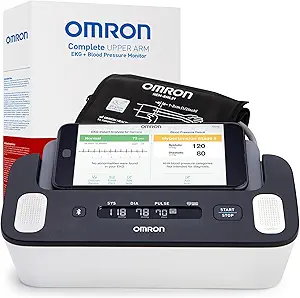 | Best Overall for Comprehensive Heart Monitoring | Measurement Types: Blood Pressure and EKG | Connectivity: Bluetooth | App Compatibility: Apple Health, Google Fit | VIEW LATEST PRICE | See Our Full Breakdown |
| Frontier X Plus Continuous Heart Monitoring Device for Home Use |  | Best for Real-Time Continuous Heart Tracking | Monitoring Type: Continuous heart monitoring | Connectivity: Bluetooth Low Energy (BLE) | Power: Rechargeable | VIEW LATEST PRICE | See Our Full Breakdown |
| iHealth Track Smart Upper Arm Blood Pressure Monitor with Wide Range Cuff |  | Best for Accurate, Easy BP Tracking with Large Display | Cuff Size: 8.7″ – 16.5″ (22-42cm) | Display: Multi-color backlit | Connectivity: Bluetooth | VIEW LATEST PRICE | See Our Full Breakdown |
| Dario Gen-2 Blood Pressure Monitor for Home Use with Smart App & Carry Case |  | Best for Portable, Multi-User Monitoring | Design: Ergonomically shaped | Display: Back-lit LCD | Connectivity: Bluetooth | VIEW LATEST PRICE | See Our Full Breakdown |
| EMAY Sleep Breathing Monitor for Airflow Tracking |  | Best for Sleep and Respiratory Pattern Analysis | Sensors: Three built-in sensors | Weight: 10g | Material: Food-grade silicone | VIEW LATEST PRICE | See Our Full Breakdown |
| Oklar Wrist Blood Pressure Monitor with Adjustable Cuff, Rechargeable, Voice Broadcast, 240 Memory for 2 Users |  | Best Overall for Accessibility and Convenience | Cuff Size: 4.92-8.46 inches | Memory: 240 readings for 2 users | Battery: Rechargeable with Type-C cable | VIEW LATEST PRICE | See Our Full Breakdown |
| Greater Goods Bluetooth Smart Blood Pressure Monitor for Home Use |  | Best Value for App-Integrated Monitoring | Cuff Size: 8.7–16.5 inches (22–42 cm) | Memory: Up to 60 readings per user, 120 total | Power: 4 AAA batteries and AC adapter included | VIEW LATEST PRICE | See Our Full Breakdown |
| EMAY Sleep Oxygen Monitor with Built-in Recording Capability |  | Best for Sleep Data, Not Medical Diagnosis | Data Memory: 40 hours | Display: Large rotating digital LCD | Connectivity: Sync later via iOS/Android app | VIEW LATEST PRICE | See Our Full Breakdown |
More Details on Our Top Picks
KardiaMobile 6L Max EKG Monitor with One-Year KardiaCare Membership
The KardiaMobile 6L Max stands out for delivering detailed six-lead EKG recordings in just 30 seconds, making it a strong choice for those who want a comprehensive view of their heart rhythm. Unlike the KardiaMobile 1-Lead, which offers a quick single-lead snapshot, the 6L provides more detailed insights suitable for ongoing management. The inclusion of a one-year KardiaCare membership enhances its value, offering remote cardiologist reviews and advanced trends analysis. However, this feature comes with the caveat that full functionality depends on the subscription, and it’s not recommended for use with pacemakers. Its portability and ease of use make it ideal for frequent monitoring, but it doesn’t replace regular medical checkups or emergency assessments. Overall, this device is best for users needing detailed, multi-lead EKGs to track subtle cardiac changes over time.
Pros:- Provides six-lead EKG recordings in 30 seconds for detailed analysis
- Includes a one-year subscription to KardiaCare with remote cardiologist review
- Highly portable, pocket-sized for use anywhere
- FDA-cleared for medical accuracy
Cons:- Requires ongoing subscription for full features, adding to long-term costs
- Not compatible with pacemakers or ICDs, limiting use for some patients
- Does not detect heart attacks or replace regular doctor visits
Best for: Individuals with known or suspected arrhythmias who need detailed monitoring and professional review options
Not ideal for: Users seeking a simple, single-lead device without ongoing subscription costs or those with pacemakers
- Leads:6
- Compatibility:Smartphones and Tablets via Bluetooth
- Includes:One-year KardiaCare Membership
- FDA Cleared:Yes
- Monitoring Time:30 seconds
- Device Size:Pocket-sized
Our verdict“This device is best suited for users who need detailed, multi-lead heart rhythm monitoring with professional support, and are prepared for subscription fees.”
Fingertip Pulse Oximeter Blood Oxygen Saturation Monitor with OLED Screen, Lanyard, and Batteries
The Fingertip Pulse Oximeter offers a straightforward way to measure blood oxygen levels and pulse rate, making it ideal for outdoor activities, fitness tracking, or home health checks. Compared to the KardiaMobile 1-Lead, which targets cardiac rhythm, this device focuses solely on oxygen saturation, providing immediate readings with a bright OLED display and waveform graph that enhances readability. Its compact design and included lanyard make it convenient for on-the-go use. However, it depends on AAA batteries, which may not be as eco-friendly or cost-effective as rechargeable options, and it’s limited to fingertip measurements, which might not suit all users, especially those with finger circulation issues. Still, for those needing quick, reliable SpO2 readings, this device fits well into daily routines.
Pros:- Bright, easy-to-read OLED display with waveform graph
- Compact, lightweight, and portable for outdoor use
- Simple one-button operation for fast results
- Includes batteries and lanyard for convenience
Cons:- Requires AAA batteries, which are not rechargeable
- Limited to fingertip measurements, may not work well for all users
- Does not provide comprehensive health data beyond SpO2 and pulse
Best for: Active individuals and outdoor enthusiasts needing quick oxygen and pulse readings
Not ideal for: People with poor fingertip circulation or those requiring more comprehensive health monitoring
- Display:OLED
- Includes:Lanyard, 2 AAA Batteries, Instruction Manual
- Power:Auto power-off
- Operation:One-button
- Suitable for:Adults, outdoor activities, fitness
Our verdict“Ideal for active users seeking quick and easy oxygen and pulse measurements during daily activities or outdoor adventures.”
Oklar Blood Pressure Monitor Upper Arm for Home Use with Large Display and Memory
The Oklar Blood Pressure Monitor is designed for simplicity, featuring a large, backlit LED display that offers clear readings at a glance. It’s suitable for users who want to track their blood pressure regularly without fuss, especially with its ability to store 240 readings for two users. Compared to more advanced models like the OMRON Complete, which combines blood pressure and EKG, this device focuses solely on blood pressure but compensates with an easy one-button operation and extensive memory. Its adjustable cuff fits most adult arms, but it relies on batteries or a Type-C cable—lacking rechargeable capabilities. The absence of detailed technical specs limits understanding of its accuracy and advanced features, making it best for straightforward home use rather than clinical or professional settings.
Pros:- Large, backlit LED display for easy readings
- Stores up to 240 readings for two users
- Adjustable cuff fits most adult arms
- Simple one-button operation
Cons:- No rechargeable battery option, depends on batteries or Type-C cable
- Limited technical specifications and advanced features
- Designed mainly for home use, not clinical settings
Best for: Individuals managing hypertension who want a simple, reliable device for daily monitoring
Not ideal for: Users seeking advanced features, integrated ECG, or professional-grade diagnostics
- Measurement Type:Blood Pressure
- Display:Large LED with backlight
- Memory:240 readings (120 per user)
- Cuff Size Range:8.7 – 15.7 inches
- Power Supply:3AA batteries or Type-C cable
- Operation:One-button
Our verdict“Best suited for users who want an easy-to-use blood pressure monitor with extensive memory for routine home tracking.”
KardiaMobile 1-Lead EKG Monitor
The KardiaMobile 1-Lead offers a quick, pocket-sized solution for capturing medical-grade ECGs in just 30 seconds, making it ideal for users who want basic heart rhythm screening without ongoing costs. Compared to the KardiaMobile 6L Max, it’s less comprehensive, providing only a single-lead ECG, but it’s more affordable and easier to carry everywhere. Its compatibility with smartphones and lack of subscription fees for basic features make it appealing for those needing occasional monitoring, especially for detecting arrhythmias like AFib. However, its single-lead setup limits detailed analysis, and users with pacemakers or complex cardiac conditions should avoid it. Its small size and long battery life make it convenient, but it cannot replace more thorough testing or emergency diagnostics.
Pros:- Compact and pocket-sized for portability
- Provides quick, medical-grade ECG readings in 30 seconds
- No subscription fees for basic use
- FDA-cleared and recommended by cardiologists
Cons:- Limited to single-lead ECG, offering less detailed info
- Requires a smartphone for operation, which may be inconvenient for some
- Not suitable for use with pacemakers or ICDs
Best for: Individuals needing quick, portable ECG checks for arrhythmia detection without complex setup
Not ideal for: Patients requiring detailed multi-lead analysis or with pacemakers needing comprehensive diagnostics
- Compatibility:Smartphones
- Battery Life:Up to 2 years
- Sensor Type:Optical
- Display Size:0.96 Inches
- Item Dimensions:3.28″ L x 1.25″ W x 0.2″ H
- Material:Plastic
Our verdict“Great for users who want a simple, reliable ECG device to monitor heart rhythm on the go, without extra costs.”
EMAY 6L Portable ECG Monitor | Record ECG and Heart Rate in 6 Channels | Smartphone and PC Compatible
The EMAY 6L Portable ECG Monitor provides a versatile solution for those who want to record and review six-channel ECG signals, offering a more comprehensive view than single-lead devices like the KardiaMobile 1-Lead. Its Bluetooth and USB connectivity make it adaptable for smartphone or PC use, and the lack of subscription fees appeals to users seeking ongoing access without extra costs. It’s particularly suited for home health monitoring where detailed data storage and review are necessary. However, it’s not designed for use with implanted pacemakers and doesn’t serve as a clinical-grade diagnostic device. Its complexity might be overwhelming for casual users, and the absence of detailed technical specs limits understanding of its accuracy. Still, for consistent home ECG recording, it offers a good balance of features and affordability.
Pros:- Records and stores six-channel ECG signals
- Connects via Bluetooth and USB for flexible use
- No subscription fees, long-term cost-effective
- Portable and user-friendly for home health care
Cons:- Not compatible with pacemakers or ICDs
- Requires some technical familiarity to operate effectively
- Limited detailed specs, which may affect confidence in accuracy
Best for: Home users needing multi-channel ECG recording with storage and review capabilities
Not ideal for: Users with pacemakers or those requiring hospital-grade diagnostics
- Capacity:6L
- Connectivity:Bluetooth, USB
- Power:Rechargeable lithium battery
- Channels:6
Our verdict“Best suited for dedicated home health monitoring where detailed multi-channel ECG data is needed without ongoing costs.”
OMRON Complete 2-in-1 Blood Pressure Monitor + EKG for Home Use & Upper Arm Blood Pressure Cuff
This device stands out for combining blood pressure and EKG measurements in a single unit, offering a holistic view of heart health that can rival clinic visits. Unlike the iHealth Track, which solely measures BP, the OMRON Complete includes EKG functionality, making it ideal for users needing detailed cardiac data. Its ability to store up to 90 readings and sync with apps like Apple Health enhances long-term tracking. However, the complexity of EKG readings might be daunting for some, and it requires batteries, adding ongoing maintenance. This monitor is perfect for those who want an all-in-one device recommended by healthcare professionals, but less suited for users seeking a simple BP check without additional features.
Pros:- Combines blood pressure and EKG measurements for comprehensive heart health insight
- Stores up to 90 readings for effective trend tracking
- Connects via Bluetooth with the OMRON app for easy data sharing and analysis
Cons:- Requires replacements of batteries over time, adding ongoing cost
- Complex interface for users unfamiliar with EKG technology
Best for: Individuals managing heart conditions who need detailed cardiac data and professional validation
Not ideal for: Casual users seeking straightforward blood pressure monitoring without extra features or EKG capabilities
- Measurement Types:Blood Pressure and EKG
- Connectivity:Bluetooth
- App Compatibility:Apple Health, Google Fit
- Cuff Size:Fits arms 9″–17″
- Battery Type:4 AA batteries
- Memory Storage:Up to 90 readings
Our verdict“This device suits users who need detailed, professional-level cardiac monitoring at home and are comfortable with a more advanced setup.”
Frontier X Plus Continuous Heart Monitoring Device for Home Use
This pick excels in providing continuous, real-time heart data through a wireless, adhesive-free device, making it suitable for active daily monitoring. Compared with the Dario Gen-2, which offers spot measurements, the Frontier X Plus delivers ongoing data that can inform proactive management. Its high-precision readings during exercise and daily activities make it ideal for those with active lifestyles or cardiac concerns. Nonetheless, it requires a prescription for access and lacks detailed info about battery life, which could impact long-term use. This device is best for users who want continuous, non-invasive monitoring integrated seamlessly with their smartphone but are okay with a more involved setup process.
Pros:- Non-invasive, adhesive-free design for daily comfort
- Provides high-quality, real-time data during various activities
- Seamless smartphone connectivity with weekly reports for trend analysis
Cons:- Requires a prescription before shipment, limiting immediate access
- Limited info on battery longevity and durability may concern long-term users
Best for: Patients with ongoing heart rhythm issues or athletes needing continuous activity monitoring
Not ideal for: Users seeking a simple, plug-and-play blood pressure monitor or those without access to prescriptions
- Monitoring Type:Continuous heart monitoring
- Connectivity:Bluetooth Low Energy (BLE)
- Power:Rechargeable
- Adhesive-Free:Yes
- Compatibility:Smartphones
- Reports:Weekly cardiac rhythm reports
Our verdict“Ideal for proactive, continuous heart health tracking for active individuals or those with specific cardiac needs willing to manage a more complex device.”
iHealth Track Smart Upper Arm Blood Pressure Monitor with Wide Range Cuff
This monitor offers clinically validated blood pressure readings with a user-friendly design, making it a strong choice for everyday use. Its large, multi-color backlit display improves readability, especially for seniors or those with visual impairments. Compared to the Oklar Blood Pressure Monitor, which has similar features, the iHealth Track adds automatic detection of heart rhythm disturbances, providing an extra layer of insight. However, it requires Bluetooth 4.0 or higher and might struggle with very small or large arms outside its cuff size range. Its straightforward operation and reliable accuracy make it ideal for users who want a balance of ease and precision, but less so for those with atypical arm sizes or limited Bluetooth compatibility.
Pros:- Clinically accurate readings with automatic heart rhythm detection
- Large, color-coded display for easy viewing
- Bluetooth connectivity enables seamless tracking and sharing
Cons:- Requires Bluetooth 4.0 or higher, limiting older device compatibility
- Cuff size may not fit very small or large arms
Best for: Adults seeking reliable, easy-to-read BP readings with smartphone tracking capabilities
Not ideal for: Users with very small or very large arms that don’t fit the cuff size, or those without Bluetooth 4.0+ devices
- Cuff Size:8.7″ – 16.5″ (22-42cm)
- Display:Multi-color backlit
- Connectivity:Bluetooth
- Battery:4 AAA batteries
- Standards:Meets ESH 2010 performance standards
- Compatibility:iOS 12.0+ and Android 9.0+
Our verdict“Best suited for users who prioritize accuracy and ease of use in routine blood pressure monitoring with app integration.”
Dario Gen-2 Blood Pressure Monitor for Home Use with Smart App & Carry Case
The Dario Gen-2 combines reliable readings with portability and a user-friendly app, making it ideal for on-the-go monitoring. Its ergonomic design and large backlit LCD provide clear results, similar to the Frontier X Plus, but with a focus on ease of use rather than continuous tracking. Its Bluetooth connection and capacity for 400 readings support multiple users, which is a notable advantage over simpler models. Still, it lacks features like A/C adapters or advanced cardiac detection, and it cannot substitute professional exams. This monitor is best for individuals who want a dependable device that travels well and supports family use but are not seeking advanced cardiac diagnostics.
Pros:- Accurate and reliable blood pressure readings
- Bluetooth connectivity with large memory for multiple users
- Portable design with included carry case for travel
Cons:- No A/C power adapter included, requiring battery reliance
- Does not replace professional cardiac assessment or detailed diagnostics
Best for: Busy adults and travelers needing reliable, portable BP measurements with multi-user support
Not ideal for: Patients requiring continuous or detailed cardiac monitoring or those seeking advanced diagnostic features
- Design:Ergonomically shaped
- Display:Back-lit LCD
- Connectivity:Bluetooth
- Memory:Up to 400 readings
- User Modes:Dual user mode
- Detection:Irregular heartbeat detection
Our verdict“Perfect for users who need portable, dependable BP monitoring for everyday use and travel, without the complexity of continuous tracking.”
EMAY Sleep Breathing Monitor for Airflow Tracking
This device focuses on sleep quality and respiratory health, not just basic airflow. Its lightweight, food-grade silicone mask offers a comfortable fit for nasal breathing, making it well-suited for detailed airflow and sleep pattern analysis. Unlike the Fingertip Pulse Oximeter, which measures oxygen saturation and pulse, the EMAY Sleep Breathing Monitor emphasizes airflow and respiratory events, providing detailed reports through its app. Its AI-driven analysis offers professional-quality sleep reports, but it’s limited to nasal breathing and cannot record SpO2 or pulse rate, which may be a drawback for users needing comprehensive sleep data. Overall, it’s best for those seeking targeted respiratory insights during sleep rather than general oxygen monitoring.
Pros:- Accurately monitors airflow and sleep quality
- Lightweight, comfortable, and easy to wear
- Provides detailed sleep reports with AI analysis
Cons:- Designed solely for nasal breathing, limiting user compatibility
- Cannot be used with C-PAP masks or record SpO2/Pulse Rate
Best for: Individuals with sleep breathing issues or respiratory concerns who want detailed airflow analysis
Not ideal for: Mouth breathers or users needing SpO2 and pulse rate data during sleep
- Sensors:Three built-in sensors
- Weight:10g
- Material:Food-grade silicone
- Compatibility:Smartphones
- Application:Sleep monitoring and report generation
- Color:Black
Our verdict“Ideal for users focused on nasal airflow and sleep quality analysis, especially those with respiratory concerns, but not suitable for mouth breathers or oxygen saturation tracking.”
Oklar Wrist Blood Pressure Monitor with Adjustable Cuff, Rechargeable, Voice Broadcast, 240 Memory for 2 Users
This FDA-cleared wrist blood pressure monitor stands out for its combination of rapid, accurate readings in just 35 seconds and its accessibility features like voice broadcast, making it ideal for users with visual impairments or those who prefer audio guidance. Compared with the Greater Goods monitor, it offers a more compact, wrist-based measurement which is more portable but less suitable for users who prefer upper arm measurements for potentially higher accuracy. Its rechargeable battery adds convenience, though the need for regular charging and the absence of an included charging adapter are minor inconveniences. The large, backlit display enhances readability in low light, supporting ease of use. However, its limitation to wrist measurements means it might be less accurate for some users, especially if not positioned correctly. This pick makes the most sense for individuals seeking a user-friendly, portable device with accessibility features and who don’t mind occasional charging for ongoing use.
Pros:- Fast and accurate measurements in about 35 seconds
- Voice broadcast enhances accessibility for visually impaired users
- Rechargeable battery reduces ongoing costs and waste
- Large, easy-to-read backlit display
Cons:- Charging adapter is not included, requiring an additional purchase
- Limited to wrist measurements, which may be less precise for some users
- Requires regular charging for continuous use
Best for: Users needing a quick, accessible blood pressure check at home, especially those with visual impairments or mobility issues.
Not ideal for: People who prefer upper arm measurements for potentially greater accuracy or those who want a device that doesn’t require regular charging.
- Cuff Size:4.92-8.46 inches
- Memory:240 readings for 2 users
- Battery:Rechargeable with Type-C cable
- Measurement Time:35 seconds
- Display:Large LED backlit
- Voice Broadcast:Yes
Our verdict“This device is ideal for users who prioritize ease of use, portability, and accessibility over the highest possible measurement accuracy.”
Greater Goods Bluetooth Smart Blood Pressure Monitor for Home Use
Compared with the Oklar wrist monitor, the Greater Goods device offers a more traditional upper arm measurement, often regarded as more accurate for clinical consistency. It features a large backlit display and an adjustable cuff that comfortably fits a wide range of arm sizes, making it versatile for different users. Its smart app integration enables tracking, sharing, and storing readings, which appeals to users who want to monitor trends over time. However, it requires either batteries or an included AC adapter, adding some ongoing expense and dependency on power sources. While its 60 reading memory per user is sufficient for many, it isn’t as extensive as the Oklar’s memory capacity. This monitor suits those who prefer a familiar arm cuff and the convenience of digital tracking, but it may be less appealing for users seeking a fully wireless or rechargeable device.
Pros:- Accurate and consistent readings recognized by Wirecutter
- Large, backlit display for easy viewing
- Smart app integration for tracking and sharing data
- Adjustable cuff fits a wide range of arm sizes
Cons:- Requires batteries or included power adapter, adding ongoing costs
- Additional cuff sizes may need to be purchased separately
- Less portable than wrist-based monitors
Best for: Users who want a reliable, app-connected upper arm blood pressure monitor with wide cuff compatibility.
Not ideal for: Individuals seeking a portable, wrist-based device or those who prefer rechargeable batteries without needing to buy additional accessories.
- Cuff Size:8.7–16.5 inches (22–42 cm)
- Memory:Up to 60 readings per user, 120 total
- Power:4 AAA batteries and AC adapter included
- Compatibility:iOS & Android, Apple Health integration
Our verdict“This monitor is best suited for users who value traditional arm cuff accuracy combined with digital tracking features and don’t mind a larger device.”
EMAY Sleep Oxygen Monitor with Built-in Recording Capability
Compared with the blood pressure monitors, the EMAY Sleep Oxygen Monitor offers a very different role—focused on sleep and oxygen tracking rather than routine health measurements. It records blood oxygen levels and pulse continuously for up to 40 hours, making it useful for analyzing sleep quality or athletic recovery. Its large LCD display makes it easy to view data during and after use, but it’s not suitable for medical diagnosis or real-time health alerts, unlike more sophisticated health monitors. Syncing data later through a free app allows for detailed sleep reports, which is excellent for users interested in sleep optimization or sports performance. The device’s main tradeoff is that it’s not designed for immediate health decisions, so it’s less appropriate for users needing real-time monitoring or medical-grade accuracy. It’s best for active individuals tracking overnight oxygen levels rather than those seeking comprehensive health management.
Pros:- Records continuous blood oxygen and pulse data for up to 40 hours
- Large, easy-to-read LCD display
- Free app for reviewing and exporting sleep reports
- Designed for sports and aviation use, not medical diagnosis
Cons:- Not suitable for medical or diagnostic purposes
- Requires syncing after recording, so not real-time
- Limited to sleep and activity tracking, not comprehensive health monitoring
Best for: Active users, athletes, or aviation enthusiasts interested in sleep quality and oxygen data, not those needing medical-grade diagnostics.
Not ideal for: Patients requiring real-time monitoring or medical diagnosis of oxygen levels or pulse due to its non-clinical design and delayed data syncing.
- Data Memory:40 hours
- Display:Large rotating digital LCD
- Connectivity:Sync later via iOS/Android app
- Intended Use:Sports & aviation, not medical
Our verdict“This device suits active users wanting detailed sleep oxygen data rather than those needing medical-grade monitoring or immediate alerts.”
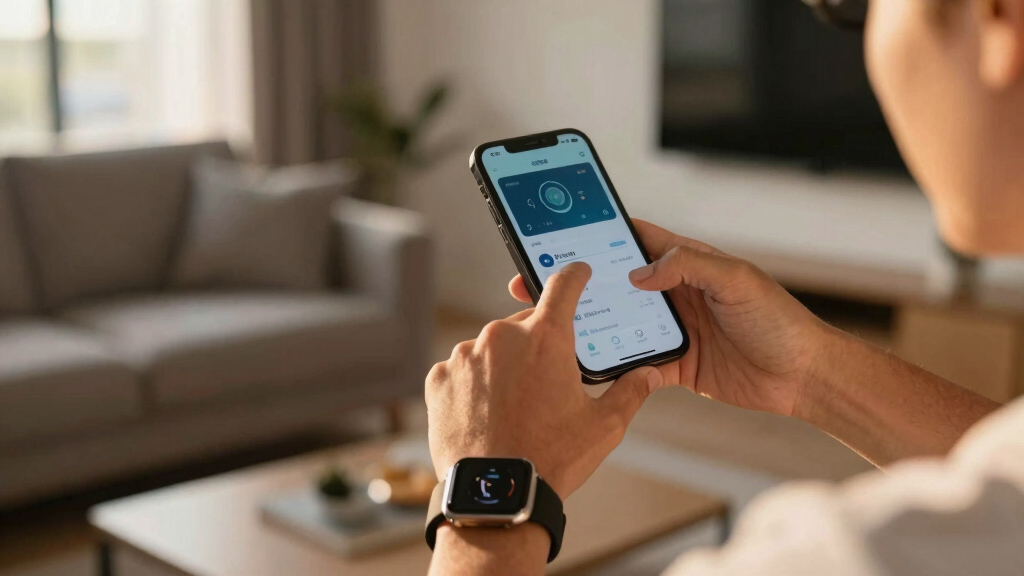
How We Picked
Our evaluation focused on performance, usability, build quality, and value. We prioritized devices that deliver accurate health data with minimal setup and maintenance. Compatibility with smartphones and ease of data access were key, especially for users tracking health over time. We also considered the versatility of features—such as ECG, blood pressure, and sleep tracking—and how well each device balances sophistication with simplicity. The ranking reflects a mix of feature depth, user experience, and cost-effectiveness, ensuring options suit different needs and budgets.Factors to Consider When Choosing Home Health Monitoring Devices
Choosing the right home health monitoring device involves understanding your specific health priorities and how much complexity you’re willing to handle. Consider factors like the types of health data you need, ease of use, and whether you prefer standalone devices or those integrated with apps. Additional considerations include device accuracy, data storage, and whether the device supports multiple users. Being aware of common pitfalls, such as over-reliance on inaccurate readings or choosing overly complicated setups, can help you make smarter decisions. The following sections outline key factors to keep in mind when selecting your device.Types of Data and Monitoring Needs
Identify which health metrics are most important—such as ECG, blood pressure, oxygen levels, or sleep quality. Some devices excel at specific functions but lack versatility; for instance, ECG monitors focus on heart health but may not track blood pressure. Consider your health goals and whether you need a single-purpose device or a multi-functional unit. This decision impacts long-term value and whether you’ll need multiple devices or a comprehensive one. Matching device capabilities with your health priorities ensures you get the right features without paying for unnecessary extras.
Ease of Use and User Interface
Devices with clear displays, simple button layouts, and straightforward app integration tend to be more user-friendly, especially for older adults or those less tech-savvy. Look for models with large screens, voice guidance, or automated measurements to reduce user error. Overly complex setups can discourage consistent use, undermining health monitoring goals. Balance sophistication with simplicity—sometimes a device with fewer features but better usability provides more consistent, reliable data over time.
Data Accuracy and Reliability
The core purpose of these devices is to provide trustworthy health information. Inaccurate readings can lead to misinterpretations and unnecessary anxiety or false reassurance. Check for medical-grade certifications or validation studies, especially for critical metrics like ECG and blood pressure. Remember, even the most advanced device is only as good as its calibration and sensor quality. Investing in reputable brands with proven accuracy ensures your health decisions are based on solid data.
Connectivity and Data Management
Most modern devices connect via Bluetooth or Wi-Fi to smartphone apps, enabling long-term data tracking and trend analysis. Consider whether the app interface is intuitive and if it offers useful features like sharing data with healthcare providers or exporting reports. For multi-user households, look for models that support multiple profiles. Data security is another aspect—ensure the device and app comply with privacy standards to protect sensitive health information.
Price and Long-term Value
While budget models can cover basic monitoring needs, they often lack advanced data analysis or long-term tracking. Premium devices may include features like continuous monitoring, detailed reports, and integration with other health apps, but come at a higher cost. Evaluate whether the added features justify the price based on your health management routine. Also, consider potential ongoing costs like subscription memberships or replacement sensors, which can influence the overall value of your investment.
Frequently Asked Questions
Can I rely on home health monitoring devices for serious medical conditions?
Home health devices can provide valuable insights and help monitor ongoing health issues, but they are not substitutes for professional medical advice. For serious or complex conditions, consult your healthcare provider to interpret the data and determine appropriate treatment. Regular check-ups and clinical tests remain essential, and these devices should complement, not replace, professional care. Always verify the accuracy of your device and follow recommended usage guidelines to ensure reliable readings.
How often should I calibrate or update my home health monitoring devices?
Most devices are designed to require minimal calibration, often handled automatically or during periodic maintenance. Check the manufacturer’s instructions for specific recommendations. Regular updates through app firmware or software are important to ensure optimal accuracy and security. If you notice inconsistent readings or suspect calibration issues, contacting customer support or performing a reset can help restore accuracy. Staying current with updates is particularly critical for connected devices that rely on software improvements.
Are there privacy concerns with using app-connected health devices?
Yes, privacy is a valid concern, especially with sensitive health data transmitted via Bluetooth or Wi-Fi. Choose devices from reputable brands that comply with data security standards and offer clear privacy policies. Ensure the app employs encryption and limit data sharing permissions. Regularly review app permissions and update passwords to protect your information. Using devices with local storage options can also reduce exposure to potential breaches.
What features are most important for elderly users or those with limited tech skills?
For less tech-savvy users, simplicity is key. Look for devices with large, clear displays, voice guidance, and minimal setup steps. Features like automatic measurements and one-touch operation reduce user error. Compatibility with familiar smartphones or tablets and simple app interfaces also help. Additionally, devices with long battery life and easy data retrieval improve overall usability, encouraging consistent health monitoring without frustration.
Is it worth investing in a multi-function device that combines ECG, blood pressure, and sleep tracking?
Multi-function devices can save space and money by consolidating health metrics into one unit, making them appealing for comprehensive health management. However, they may be more complex to operate and maintain, and sometimes sacrifice accuracy for versatility. Consider whether you truly need all those features regularly or if a dedicated device for each metric might provide better data quality. For some users, a well-chosen single-purpose device can deliver more reliable results with less hassle.
Conclusion
For those seeking a reliable all-around option, the KardiaMobile 6L Max offers comprehensive ECG monitoring suitable for most users. If affordability and ease of use are priorities, the Fingertip Pulse Oximeter or basic blood pressure monitors provide solid value. Premium users or those with complex health needs might prefer the OMRON Complete or Frontier X Plus for advanced tracking. Beginners should look for models with clear displays and simple interfaces, while tech-savvy users might opt for devices with extensive app features. Match your specific health goals and comfort level with complexity to find the best device for your needs.
Halloween Picks
halloween
As an affiliate, we earn on qualifying purchases.