
TL;DR

Get health and wellness essentials delivered free with Prime
- Fast, free delivery on millions of items
- Prime Video, Amazon Music and more included
- Member-only deals all year
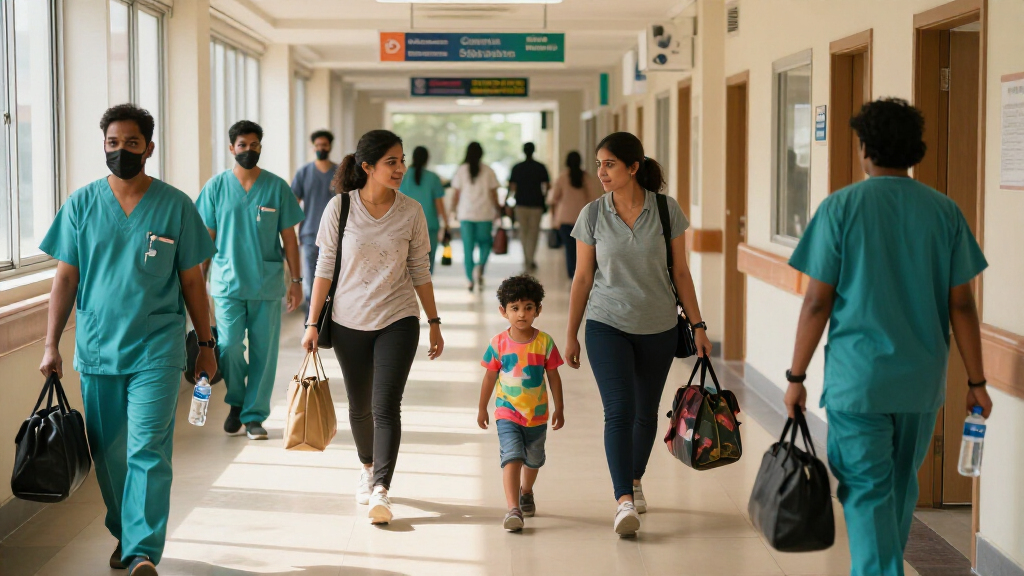
A study reveals that many children travel more than four hours to reach Chennai’s Cancer Institute for cancer treatment. This underscores significant healthcare access issues for patients from remote areas. The situation raises concerns about the need for better healthcare infrastructure.
A recent study has confirmed that many children traveling for cancer treatment at Chennai’s Cancer Institute spend over four hours on the road, often from remote districts. This development underscores ongoing issues related to healthcare accessibility for pediatric cancer patients from distant areas, raising concerns among healthcare professionals and policymakers about the need for expanded regional facilities.
The study, conducted by researchers from the Tamil Nadu Health Department, analyzed patient travel times and found that more than 60% of pediatric cancer patients arriving at Chennai’s Cancer Institute come from districts located more than four hours away by road. The report highlights that these children often face long, arduous journeys, which can be physically exhausting and emotionally taxing for young patients and their families.
Officials from the Cancer Institute confirmed that the majority of these children come from rural and semi-urban areas, where specialized cancer treatment facilities are either limited or nonexistent. Dr. R. Kumar, director of the institute, stated, “Many families have no choice but to undertake long journeys to access the specialized care their children need. This travel burden can delay treatment initiation and affect outcomes.”
Health experts emphasize that such prolonged travel can lead to logistical challenges, increased costs for families, and potential treatment delays, which are critical in pediatric oncology where early intervention is often vital for survival. The study also noted that some families travel over 500 kilometers, often facing inadequate transportation options and financial strain.
Implications of Extended Travel for Pediatric Cancer Patients
This situation highlights a significant gap in healthcare infrastructure for pediatric cancer care in India, particularly in rural and semi-urban regions. Long travel times can delay diagnosis, treatment initiation, and follow-up care, potentially worsening outcomes for young patients. The findings call for urgent policy measures to decentralize cancer treatment facilities and improve regional healthcare services, reducing the travel burden on families and ensuring timely care.
children's travel pillow for long journeys
As an affiliate, we earn on qualifying purchases.
As an affiliate, we earn on qualifying purchases.
Limited Regional Oncology Facilities in Tamil Nadu
Chennai’s Cancer Institute is one of the leading pediatric oncology centers in Tamil Nadu, serving a large catchment area. However, the study underscores that many districts lack specialized cancer treatment centers, forcing families to undertake long journeys to the city. The Tamil Nadu government has previously announced plans to expand regional healthcare infrastructure, but progress remains slow. The issue of travel distance is compounded by inadequate transportation options, especially in rural areas, making access even more difficult for vulnerable populations.
Historically, pediatric cancer treatment in India has been concentrated in urban centers like Chennai, Mumbai, and Delhi, leaving rural populations underserved. The recent study adds to growing evidence that decentralization of healthcare services is critical to improving outcomes for children with cancer across the country.
As an affiliate, we earn on qualifying purchases.
Uncertainties About Future Healthcare Infrastructure Improvements
It is not yet clear how quickly the Tamil Nadu government will expand regional oncology facilities or improve transportation options. Details on specific plans or timelines remain unavailable, and the impact of ongoing infrastructure projects has yet to be assessed.As an affiliate, we earn on qualifying purchases.
Next Steps in Addressing Pediatric Cancer Treatment Access
Health authorities are expected to review the study findings and consider policy adjustments to decentralize pediatric oncology services. Efforts may include establishing new regional centers and improving transportation infrastructure. Further research is likely to monitor the effectiveness of these measures and assess whether travel times decrease for children from remote districts.
Additionally, advocacy groups are calling for increased funding and government action to reduce travel burdens and improve early diagnosis and treatment access for children across Tamil Nadu and beyond.
compact travel wheelchair for kids
As an affiliate, we earn on qualifying purchases.
As an affiliate, we earn on qualifying purchases.
Key Questions
Why do children have to travel so far for cancer treatment in Chennai?
Many districts in Tamil Nadu lack specialized pediatric cancer treatment centers, forcing families to travel to Chennai’s Cancer Institute, which is the nearest comprehensive facility.
How does long travel time affect the children’s treatment outcomes?
Extended travel can delay diagnosis and initiation of treatment, increase physical and emotional stress, and lead to logistical and financial challenges for families, potentially impacting survival rates.
Are there plans to improve regional cancer treatment facilities?
The Tamil Nadu government has announced plans to expand healthcare infrastructure, but specific timelines and the scope of new regional centers have not been publicly detailed yet.
What can families do to ease the burden of travel?
Families can seek assistance from government programs, NGOs, and transportation services, but systemic improvements are needed to address the root causes of access issues.
Source: local
Fall Picks
fall essentials
As an affiliate, we earn on qualifying purchases.