
TL;DR

Get health and wellness essentials delivered free — and shop member deals
- Fast, free delivery on millions of items
- Access to Prime Big Deal Days deals on October 6–7
- Prime Video, Amazon Music and more included
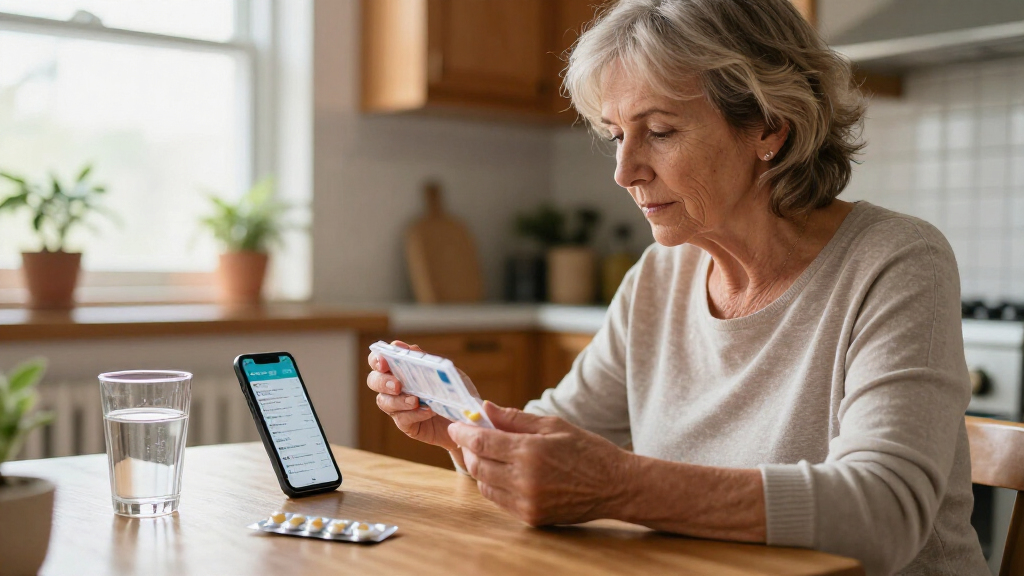
Health authorities are flagging a rise in potential drug-drug interactions among older Americans. While specific risks are under review, experts warn this could increase adverse health events in seniors.
Health officials are warning of a potential increase in dangerous drug-drug interactions among Americans aged 65 and older. While specific incidents are still being investigated, preliminary data suggests that the risk of adverse effects from concurrent medication use may be rising in this population, raising concerns about medication safety and oversight.
Recent analysis indicates a spike in search interest and media coverage regarding potential drug interactions affecting seniors, though official data confirming a rise in adverse health events is not yet available. Experts note that older adults often take multiple medications, increasing the risk of interactions that can lead to hospitalizations or other serious health issues.
Healthcare providers and public health officials are closely monitoring the situation, emphasizing the importance of medication review and patient education. The trend appears to be linked to the growing use of complex medication regimens among older populations, but concrete evidence of increased adverse outcomes remains under investigation.
Potential Impact on Senior Medication Safety
This trend matters because older Americans are already at higher risk for medication-related complications. An increase in potential drug interactions could lead to more hospital admissions, falls, cognitive impairment, or other serious health issues. Raising awareness and improving medication management could prevent some of these adverse outcomes, making this a key public health concern.
As an affiliate, we earn on qualifying purchases.
Rising Attention to Polypharmacy and Drug Interactions in Seniors
Polypharmacy, the use of multiple medications by a patient, is common among older adults and is associated with increased risks of drug interactions. Previous studies have shown that seniors often take five or more medications daily, which complicates healthcare management. The current spike in coverage and search interest appears to be a signal of growing concern, although official health data confirming an increase in adverse events has not been released.
Healthcare providers have long warned about the dangers of drug interactions in seniors, especially with the proliferation of new medications and complex treatment protocols. This trend may reflect broader issues in medication oversight, patient education, and coordination among healthcare providers.
drug interaction checker for elderly
As an affiliate, we earn on qualifying purchases.
As an affiliate, we earn on qualifying purchases.
Extent of Actual Harm from Drug Interactions Unknown
It is not yet confirmed whether the rising search interest and media attention correspond to an actual increase in adverse health events among seniors. Official data on hospitalization rates or adverse outcomes linked specifically to drug interactions in this population has not been released. Researchers stress that current signals are preliminary and require further study to establish causality and scale.
pill organizer with medication alerts
As an affiliate, we earn on qualifying purchases.
As an affiliate, we earn on qualifying purchases.
Ongoing Monitoring and Research Efforts
Health authorities and researchers are expected to conduct detailed studies to assess whether the observed trend corresponds to increased adverse health outcomes. Healthcare providers are advised to review medication regimens with older patients and remain alert to potential interactions. Public health agencies may issue updated guidelines or alerts as more data becomes available.
As an affiliate, we earn on qualifying purchases.
Key Questions
What are common drug interactions affecting seniors?
Common interactions include combinations of blood thinners with NSAIDs, certain antidepressants with blood pressure medications, and multiple medications affecting cognitive function. However, specific risks vary based on individual health conditions and medication profiles.
How can seniors reduce the risk of drug interactions?
Seniors should regularly review their medication lists with healthcare providers, disclose all medications including over-the-counter drugs, and ask about potential interactions. Using a single pharmacy for prescriptions can also help monitor drug regimens more effectively.
Are healthcare providers aware of this rising concern?
Yes, many providers are aware of the risks associated with polypharmacy and potential drug interactions. Public health officials are emphasizing medication review practices to mitigate these risks.
Will there be new guidelines issued?
It is possible that health agencies will update or reinforce guidelines for medication management in seniors as more evidence emerges, but no specific new guidelines have been announced yet.
When will more definitive data be available?
Researchers are planning or conducting studies that could clarify the scope of the issue over the coming months. Official data from health agencies is expected to be released once analyses are complete.
Source: rss
Fall Picks
fall essentials
As an affiliate, we earn on qualifying purchases.