
TL;DR
Parents can raise civically engaged children by modeling values, encouraging their agency, and discussing civic concepts in developmentally appropriate ways. Experts emphasize honesty and everyday participation over heavy explanations.
Parents can foster civic engagement in children by modeling core values and encouraging participation, without instructing them on specific policies or beliefs, according to recent guidance from experts and parents.
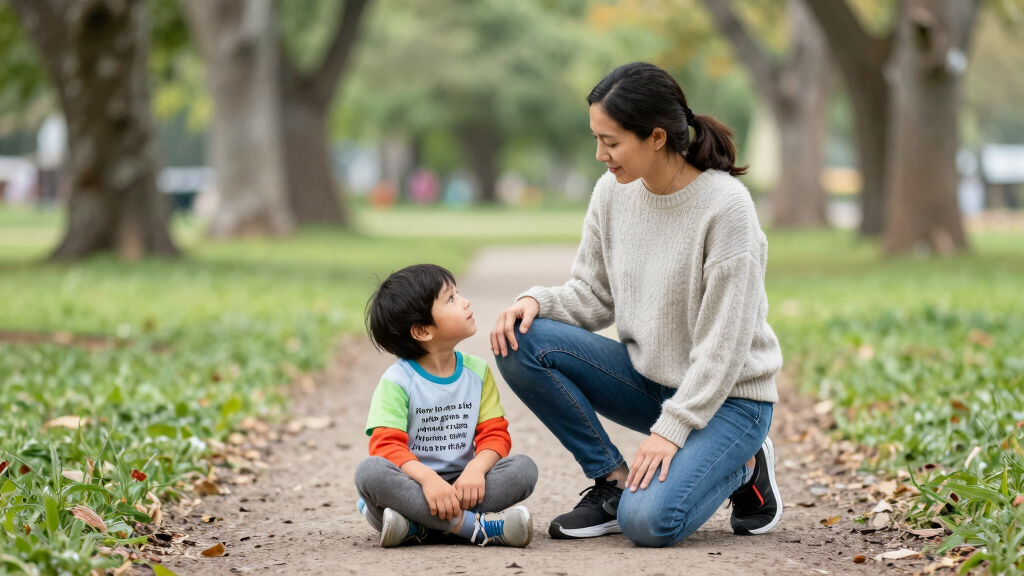
The article highlights that raising civically engaged kids begins with modeling values such as kindness, fairness, and empathy, which children observe and internalize naturally. It emphasizes that conversations should focus on applying basic principles like the golden rule, gradually expanding to broader societal issues in developmentally appropriate ways.
Leah Greenberg, co-founder of Indivisible, advises that parents should give children opportunities to feel agency through household decisions and community participation, such as neighborhood projects or protests, without heavy political framing. She stresses honesty and consistency in living the values conveyed to children.
Regarding difficult news or frightening events, Greenberg recommends honesty tailored to the child’s age, avoiding fear-mongering while explaining the basic principles behind protests or civic actions. The approach aims to develop understanding and resilience rather than indoctrination.
Why It Matters
This guidance matters because it offers parents practical, evidence-based methods to cultivate responsible, civically aware children without political bias or overexposure to distressing news. It supports democratic values through everyday actions and honest communication, fostering a generation capable of thoughtful engagement.
As an affiliate, we earn on qualifying purchases.
Background
The article builds on ongoing discussions about parenting in a polarized political climate, emphasizing the importance of values-based education over policy-specific instruction. It references recent social movements and the rise of youth civic participation, highlighting that foundational attitudes are best developed early through modeling and everyday conversations.
“Kids are really good bullshit detectors. And so if you’re saying a set of values and you’re not actually living them, then they’re going to notice that really fast.”
— Leah Greenberg
“The entry point is simpler than it might feel. Raising civically engaged kids starts with what they already know.”
— Sara Goldstein
children's discussion cards about values
As an affiliate, we earn on qualifying purchases.
As an affiliate, we earn on qualifying purchases.
What Remains Unclear
It remains unclear how these approaches will influence long-term civic engagement or how they can be adapted for children in different social or cultural contexts. The effectiveness of specific strategies in diverse families is still being studied.
family decision-making games for kids
As an affiliate, we earn on qualifying purchases.
As an affiliate, we earn on qualifying purchases.
What’s Next
Experts suggest continuing to develop age-appropriate conversations about civic values, encouraging participation in community activities, and modeling consistent behavior. Further research may explore long-term impacts and best practices for different age groups and backgrounds.
age-appropriate civic education toys
As an affiliate, we earn on qualifying purchases.
As an affiliate, we earn on qualifying purchases.
Key Questions
At what age should I start talking to my child about civic values?
According to Greenberg, even toddlers understand concepts like fairness, so early conversations about basic principles are appropriate and beneficial.
How do I discuss difficult or frightening news with my child?
Greenberg recommends honesty tailored to the child’s age, focusing on basic principles and avoiding fear-mongering while fostering understanding and resilience.
Can modeling values really influence my child’s civic engagement?
Yes, experts agree that children are keen observers and tend to emulate behaviors and attitudes demonstrated by their parents and caregivers.
Is it necessary to discuss specific policies or political parties?
No, the focus should be on instilling core values like kindness, fairness, and agency, rather than promoting particular policies or beliefs.
Source: Motherly · Wellness