
TL;DR

Get health and wellness essentials delivered free — and shop member deals
- Fast, free delivery on millions of items
- Access to Prime Big Deal Days deals on October 6–7
- Prime Video, Amazon Music and more included
Practicing low lunge correctly can prevent low back strain. Experts recommend engaging the quads, lengthening the tailbone, and maintaining pelvic neutrality. This guide explains how to do so safely.
Yoga practitioners can now follow expert-recommended techniques to perform low lunge without risking low back strain, addressing a common issue that can cause discomfort or injury.
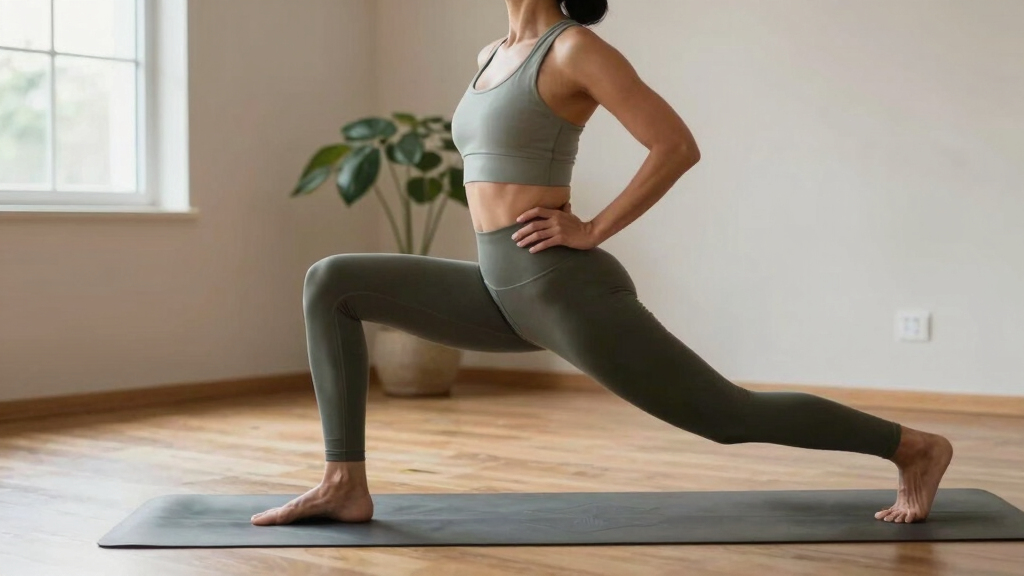
According to yoga experts, a frequent mistake in low lunge (Anjaneyasana) is collapsing the lower back as practitioners try to deepen the stretch or shift their hips forward. This can lead to unnecessary compression and discomfort. To avoid this, practitioners are advised to start the pose with a higher position, actively engaging the quadriceps and pushing down through the front foot and back knee to lift the pelvis and create space in the lower back.
Additional guidance suggests lengthening through both sides of the waist and maintaining pelvic neutrality by lengthening the tailbone down, rather than tucking it under. Keeping the back toes tucked and using the hands on the mat for support can help stabilize the pose. Practitioners can also incorporate a slight backbend, focusing on lifting rather than leaning back, to deepen the stretch without compromising the spine.
These adjustments aim to preserve the integrity of the lower back while allowing for a safe, effective stretch in the hips and thighs, especially for those with flexible hips or anterior pelvic tilt.
Why Proper Low Lunge Technique Matters
This guidance is important because improper alignment during low lunge can lead to low back pain or injury, especially for practitioners with pre-existing flexibility or postural imbalances. By learning to engage the right muscles and maintain pelvic neutrality, practitioners can improve their safety and effectiveness in yoga practice, reducing the risk of discomfort or long-term damage. This approach also enhances overall stability and strength, supporting more advanced poses and daily movement.
As an affiliate, we earn on qualifying purchases.
Background on Common Low Back Strain in Yoga
Low lunge is one of the most frequently performed yoga poses, but many practitioners inadvertently compress their lower back by collapsing into the pose or initiating movement from the lumbar spine. Experts have long highlighted the importance of engaging muscles and maintaining proper alignment to prevent strain. Recent advice from yoga professionals emphasizes that starting the pose with a higher position and actively lifting the pelvis can significantly reduce the risk of injury, especially for those with flexible hips or pelvic tilt issues.
“Engaging the quadriceps and lengthening the tailbone down are key to maintaining spinal health during low lunge.”
— an anonymous researcher
As an affiliate, we earn on qualifying purchases.
Remaining Questions About Low Lunge Safety
While these techniques are widely recommended, it is still unclear how individual differences in anatomy, flexibility, or pre-existing conditions might influence the best approach. More research is needed to determine personalized modifications for optimal safety.
As an affiliate, we earn on qualifying purchases.
Next Steps for Practitioners and Teachers
Practitioners are encouraged to incorporate these alignment cues into their practice and seek guidance from qualified yoga teachers. Future research may provide more tailored modifications for diverse body types and conditions. Yoga teachers can also develop instructional materials to better educate students on safe low lunge techniques.
As an affiliate, we earn on qualifying purchases.
Key Questions
How can I tell if I’m compressing my low back in low lunge?
If you feel discomfort or pain in your lower back during the pose, or if your lumbar region collapses or rounds excessively, you may be compressing your back. Using a mirror or recording your practice can help assess alignment.
What are some signs I am engaging my muscles correctly in low lunge?
You should feel activation in your quadriceps, and your pelvis should feel stable. Engaging the core and lengthening through the waist also indicates proper muscle engagement.
Can I perform low lunge if I have a pre-existing back issue?
It is advisable to consult a healthcare professional or experienced yoga teacher before practicing low lunge if you have back problems. Modifications and supportive techniques may be necessary to prevent aggravation.
Are there alternative poses that provide similar benefits without risking back strain?
Yes, poses such as crescent lunge with a higher stance or supported lunges using props can offer similar hip and thigh stretches with less risk to the lower back.
Source: Yoga Journal
Evergreen bestsellers Picks
bestsellers
As an affiliate, we earn on qualifying purchases.